


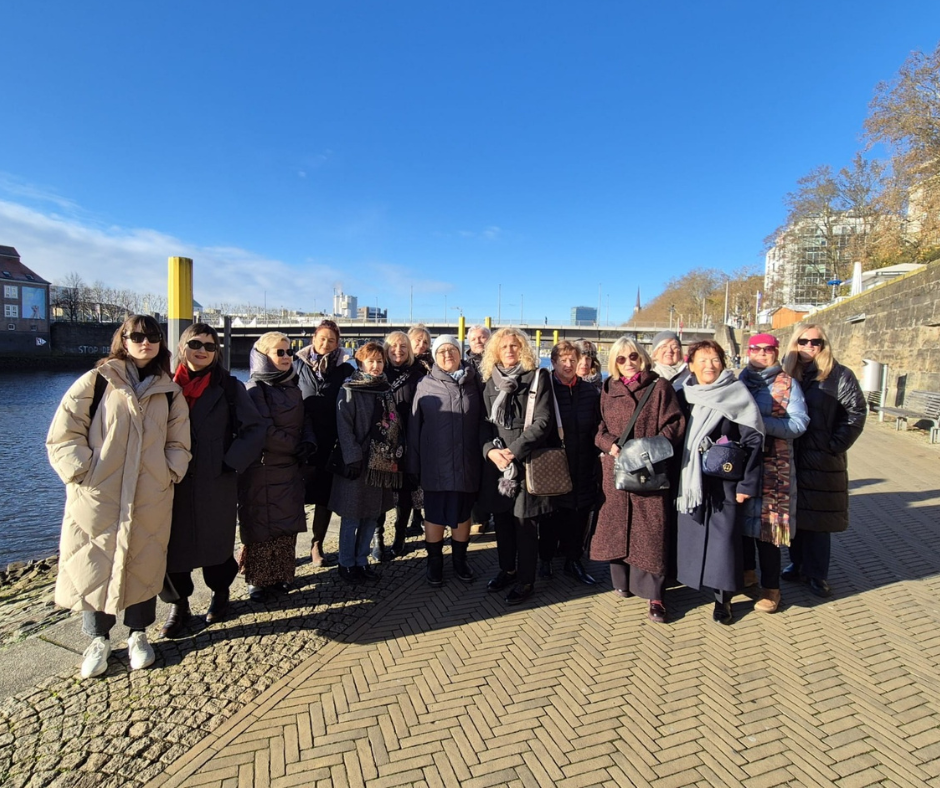
On November 20-23, 2025, a delegation from Gdansk participated in the 6th German-Polish Women’s Forum in Bremen. This year’s Forum was held on the 50th anniversary of the founding of the German-Polish Society in Bremen (DPG), which has been organizing the Women’s Forum since 2017. The event brought together representatives of public administration, social organizations, including the WAGA Association, Their Own League, the Polish-German Society of Gdansk, and the Women’s Club of Fahrenheit University.
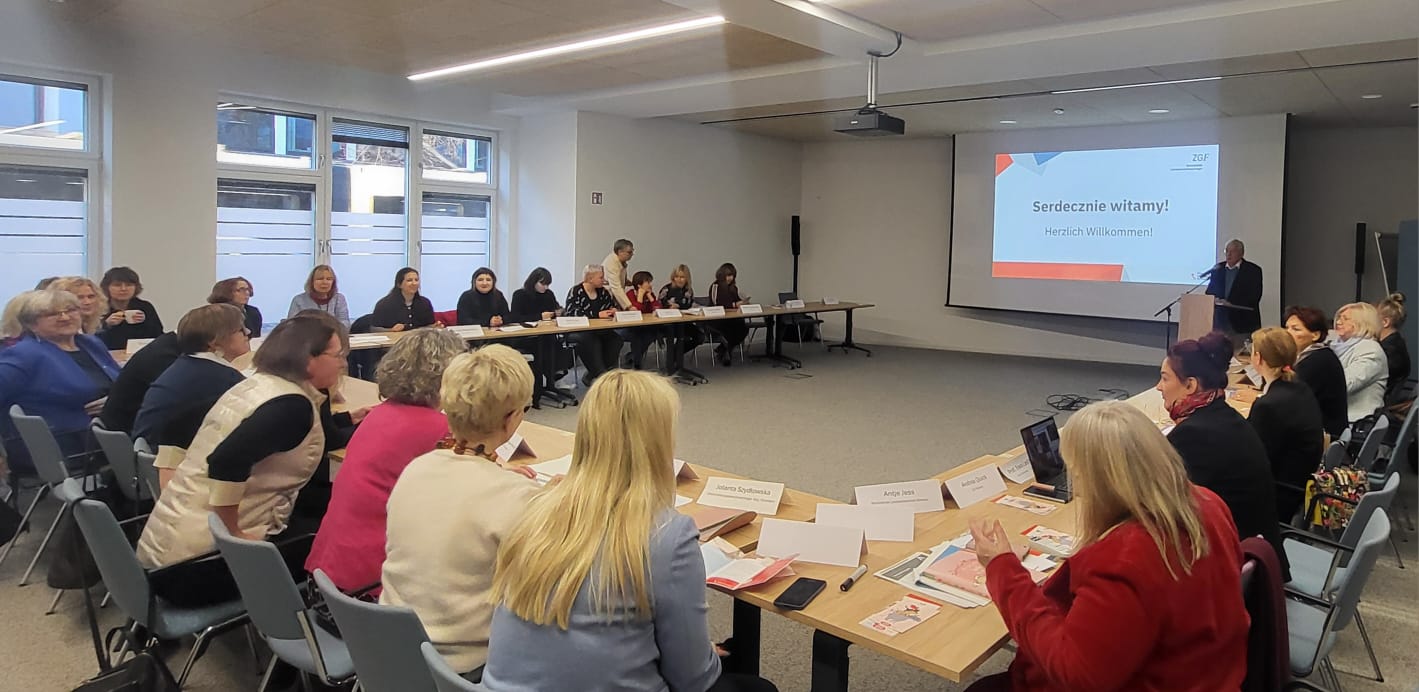
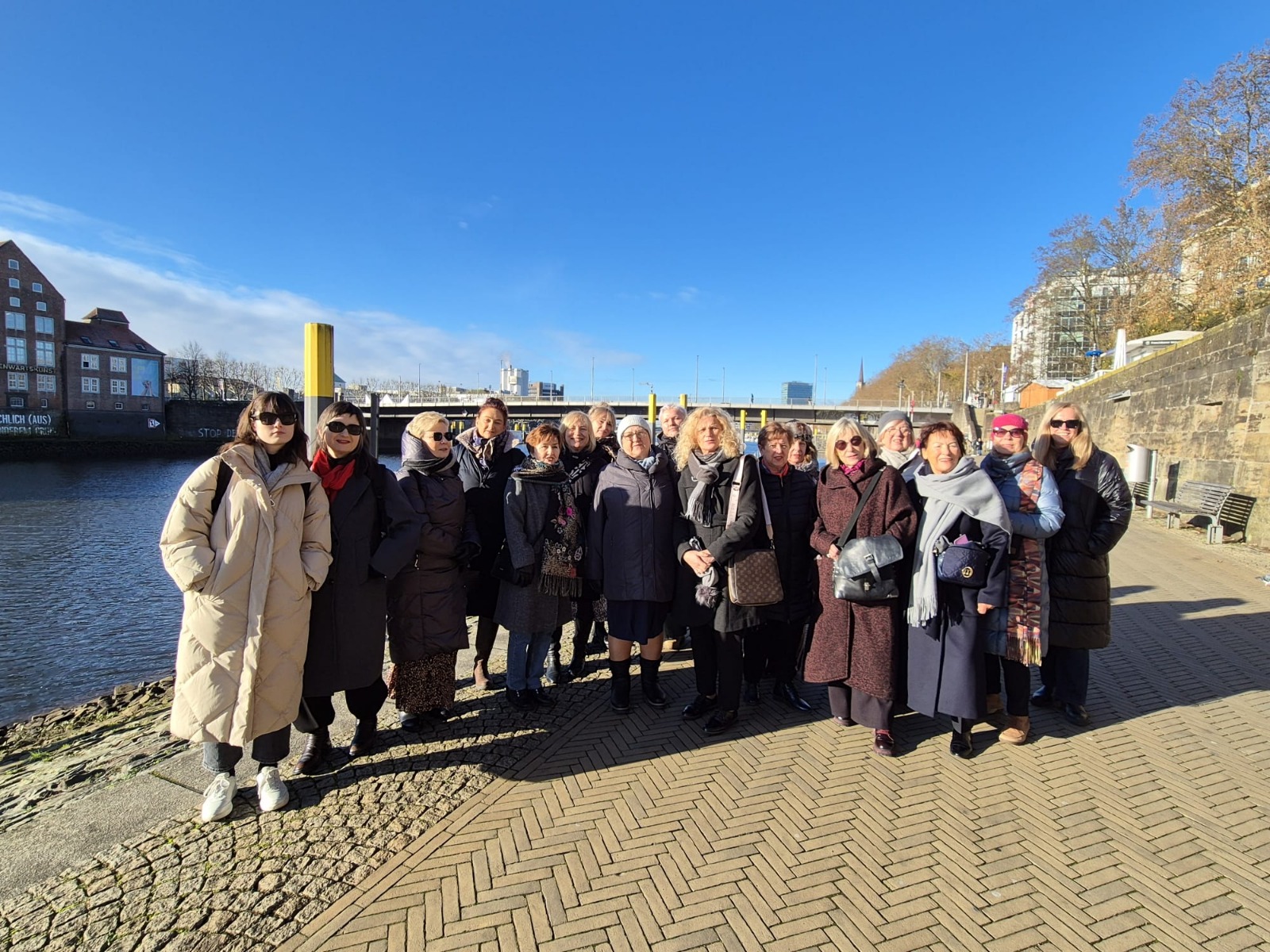
The forum opened with speeches by representatives of the Bremen city government and guests from Poland. The session was attended by Agnieszka Owczarzak – Chairwoman of the City Council of Gdansk, Bettina Wilhelm – Plenipotentiary for Women in Bremen, Antje Jess from the National Women’s Union in Bremen, Jolanta Szydłowska – Plenipotentiary of the Pomeranian Governor for Equality, Ewa Lechman, Ph.D., DSc, Prof. PG. and Dr. Barbara Kijewska, prof. UG from the Center for Sustainable Development of UG
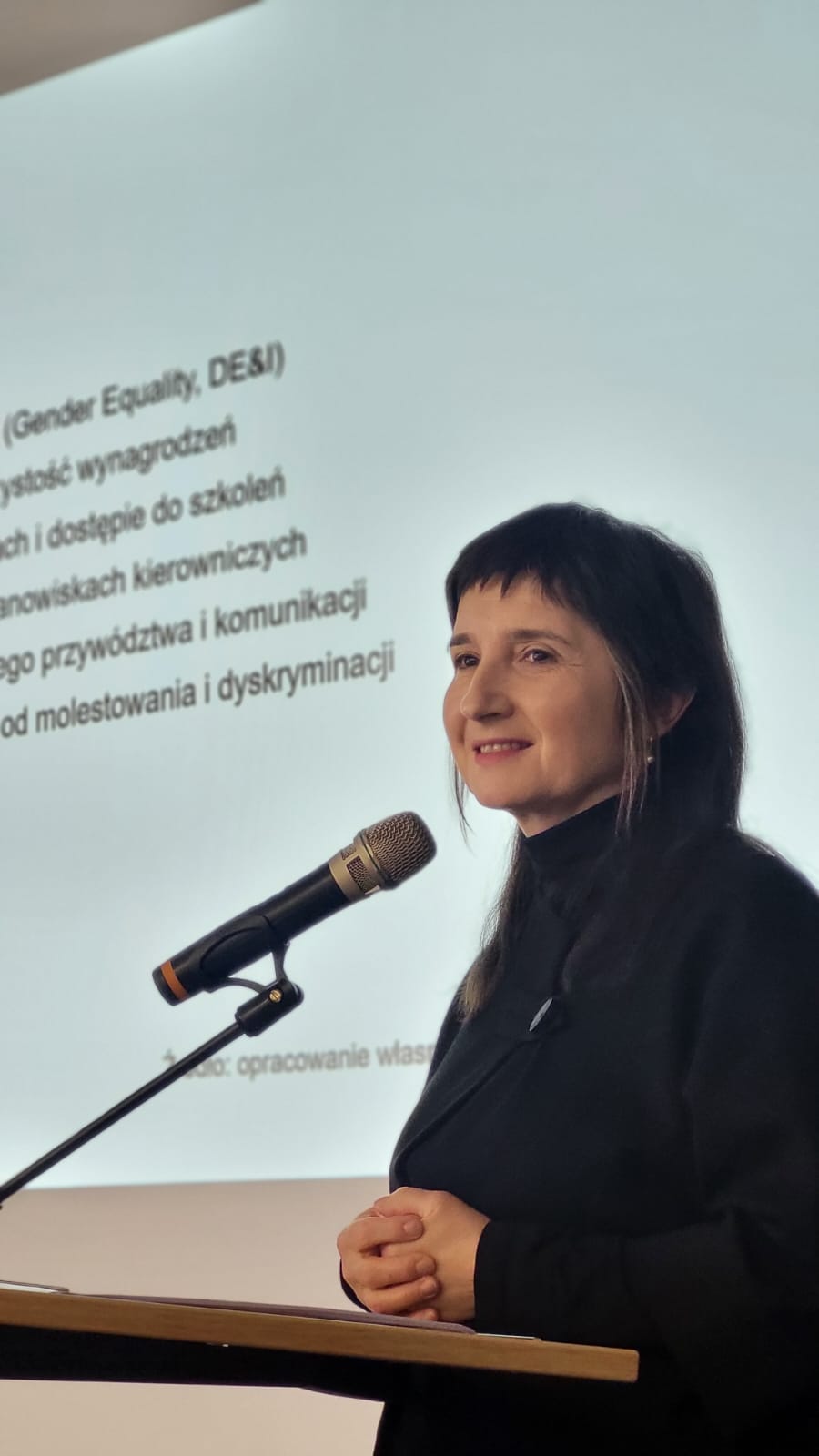
At the invitation of the DPG, Dr. Kijewska presented data and trends on equality policies in Poland against the background of the implementation of the Sustainable Development Goals (Agenda 2030) and gender equality strategies in the European Union. The data presented concerned three main areas of gender equality implementation. 1) the labor market, including employment, social security (pension gap), wage gap, unpaid care work; 2) women’s participation in decision-making processes, including the status of implementation of the Quota Directive on boards of directors; and 3) domestic violence.
– Equality policies, under which women participate equally with men in the labor market and decision-making processes – political and economic – and can feel secure, are the foundation of socio-economic development. Gender equality is not a “leftist ideology,” but a condition for maintaining sustainable development and building a safe Europe, Dr. Barbara Kijewska, prof. UG said.
On day two, the delegation took part, among other things, in a visit to an outpatient clinic for protection against violence in Bremen. The delegation was received by the clinic’s director, Dr. Saskia Etzold, and community outreach manager Ramona Rohlwing. The facility offers medical and psychological diagnosis to victims; cooperates with police and social services; prepares medical documentation for legal proceedings; and provides safe places for victims to stay, including their children.
As Dr. Saskia Etzold pointed out, 450 victims of violence have been helped since the clinic opened in April 2024, the average age of the victims was 36, and 87% of the victims were women beaten by their partners. In addition to examining, counseling, supporting and documenting injuries, the clinic conducts outreach activities. During the visit, the practical aspects of the unit’s operation were discussed, and experiences of intersectoral cooperation were exchanged.
The entire visit was highlighted by the screening of a film (20.11.25) entitled. “I’ll play it for you”. – Portrait on Wanda Wiłkomirskaya by Christine Jezior and Maciej Białobrzeski, as well as a gala on the occasion of the 50th DPG at the Bremen City Hall (21.11.25).
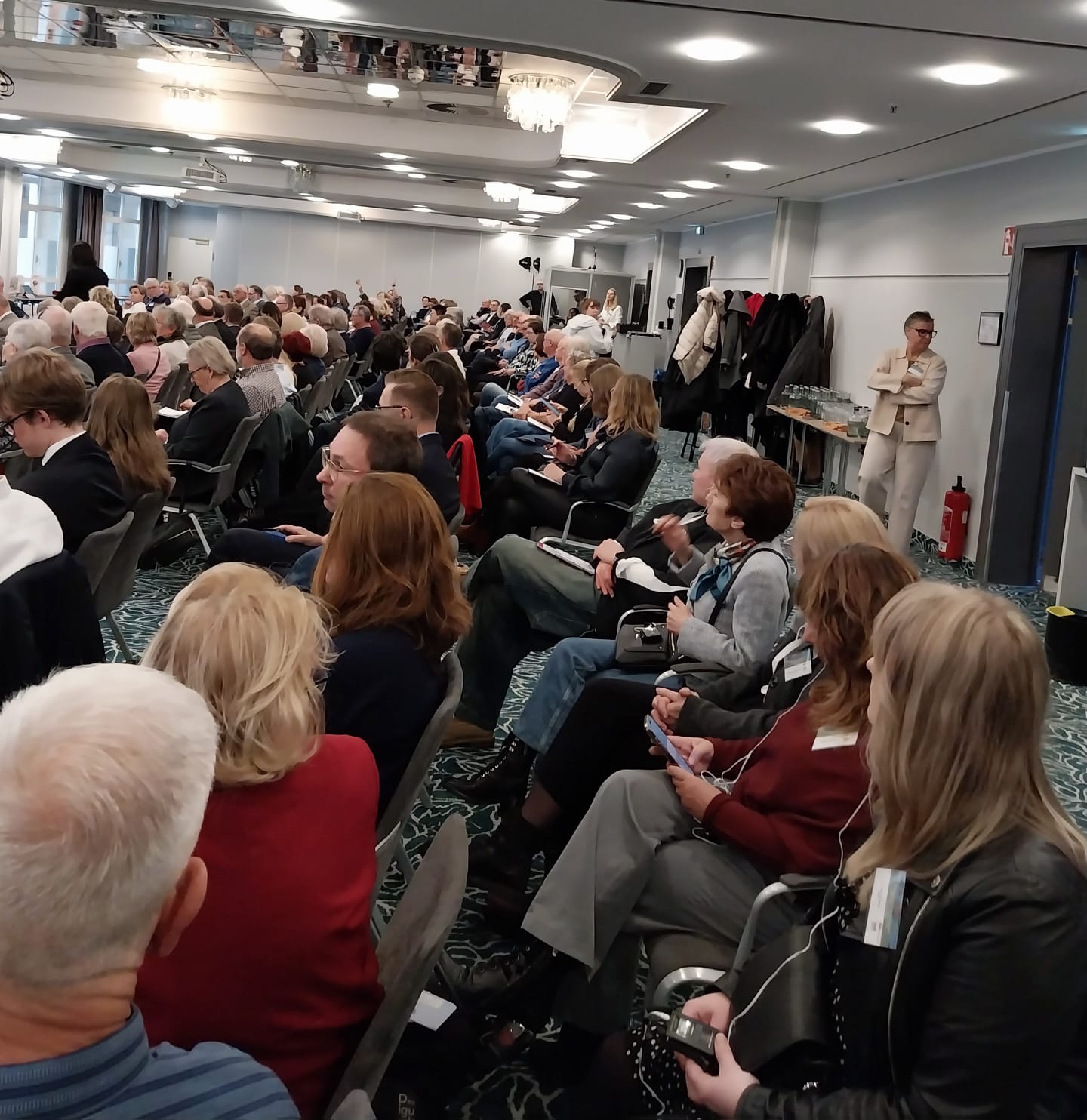
The delegation also participated in the 32nd Annual Meeting of German-Polish and Polish-German Societies – entitled Neighborhood in the Middle of Europe. New HorizonsThe issues discussed included a panel on “Civil Society Cooperation in Times of Rising Populism,” which sought answers to the question of what role local governments, NGOs and civil initiatives play in strengthening public dialogue and protecting democratic values. The panel “Common Horizons – German-Polish Cooperation in Uncertain Times” discussed the geopolitical and social challenges affecting bilateral relations, emphasizing the need to build trust, a common security policy and develop social and educational initiatives as the foundation for lasting cooperation.
At the same time, young participants at the World Café worked on proposals for activities to strengthen the Polish-German partnership, civic engagement and the role of youth in shaping the future of democracy. In turn, the panel “German-Polish Projects in Transition – Strengthening Engagement and Democracy” summarized examples of initiatives supporting cooperation between young people, the development of civic competencies and the importance of education and dialogue for maintaining stable relations between the two countries.