

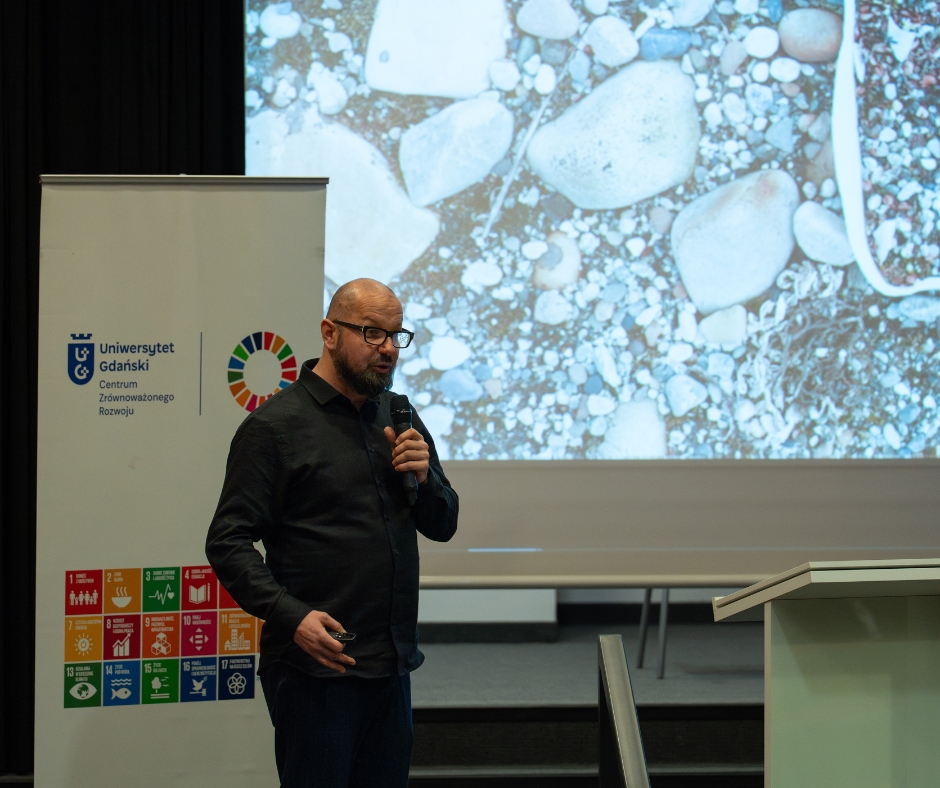
Nearly 150 students from secondary schools in the Tri-City region visited the University of Gdańsk Library yesterday (April 23, 2026) for an event organized to mark Earth Day. The program of mini-lectures covered inspiring topics related to sustainable development, ecology, and Earth sciences—ranging from planetary boundaries and bird migration, through the chemistry of light and traces recorded in lake sediments, to the socio-psychological challenges of climate change.
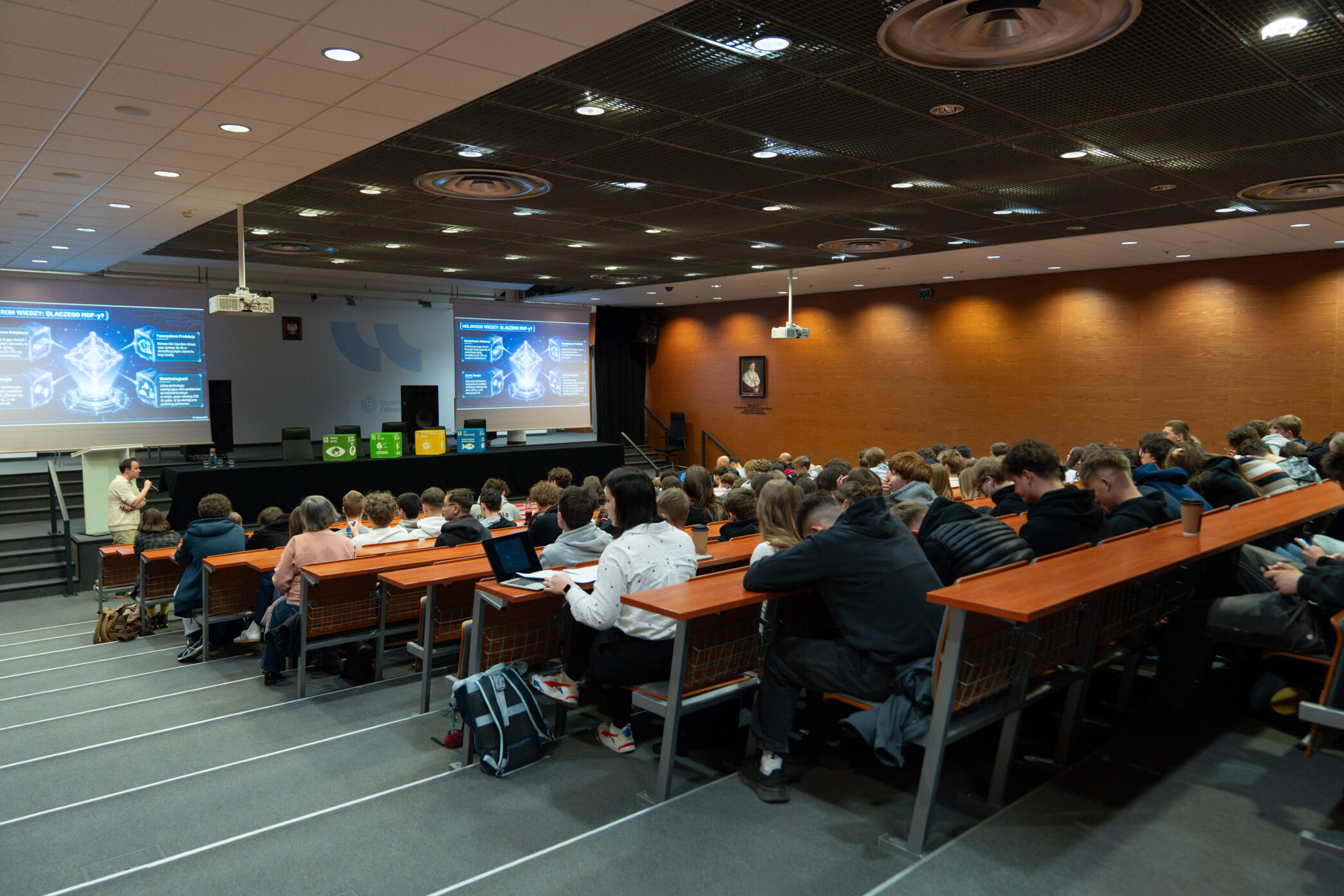
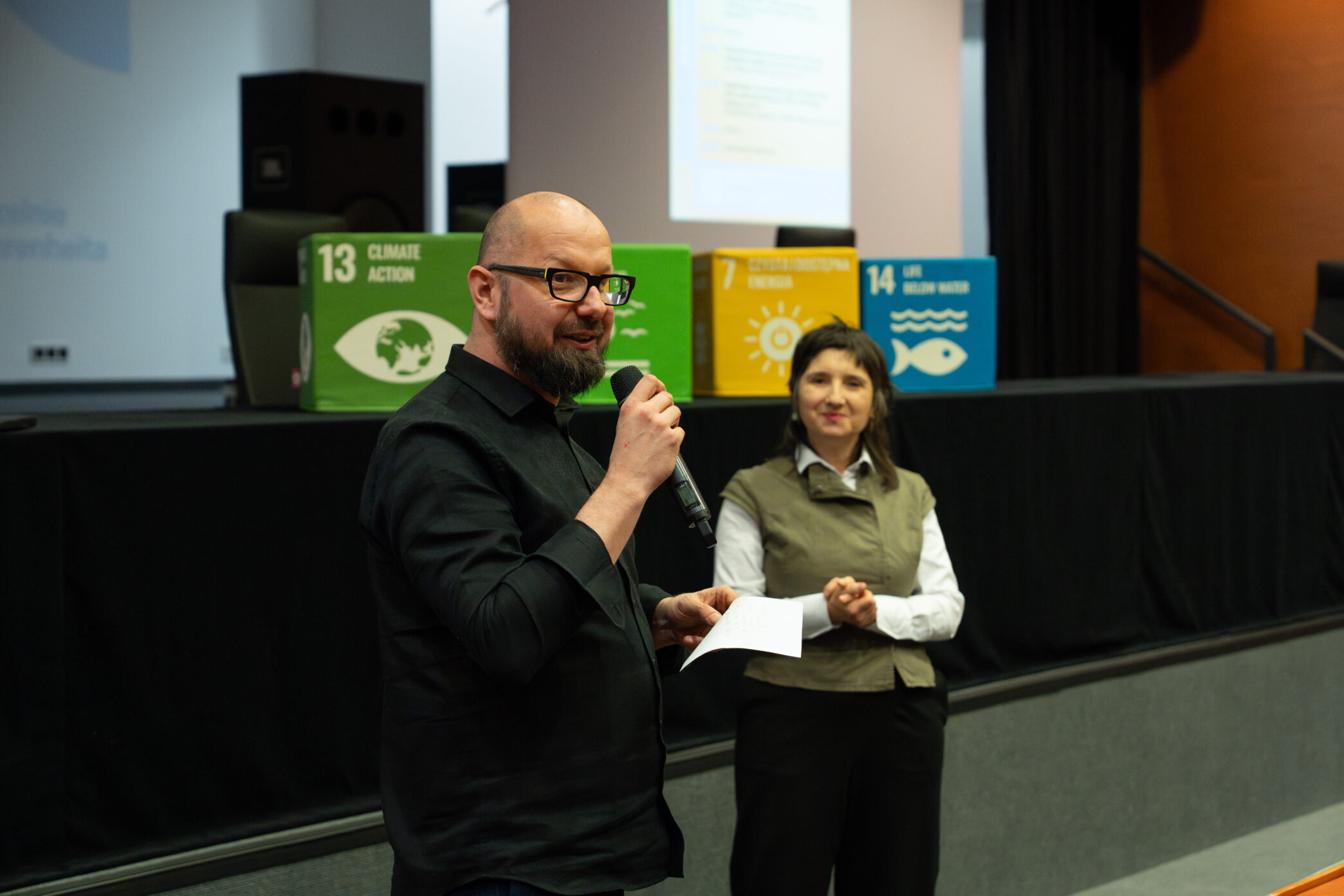
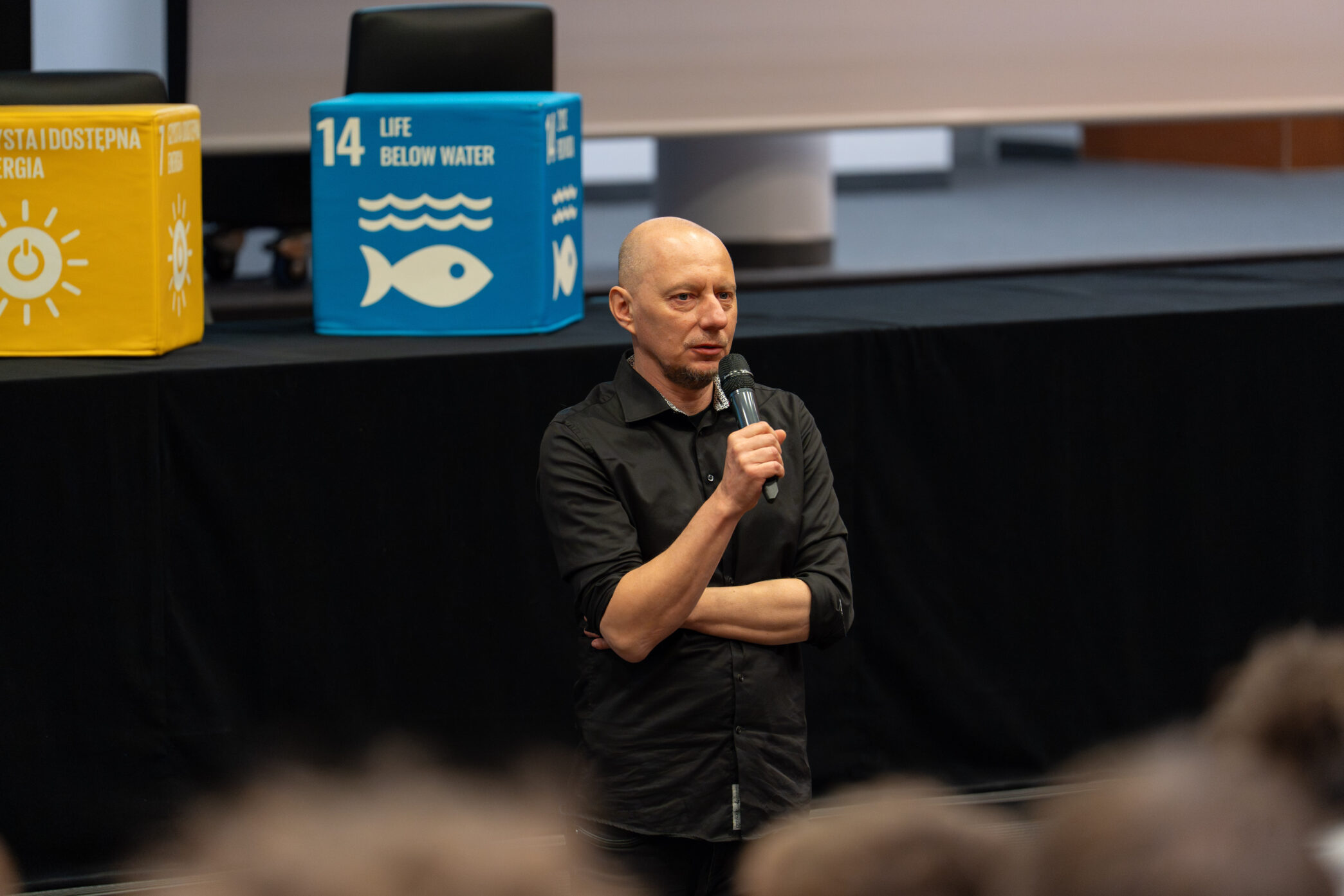
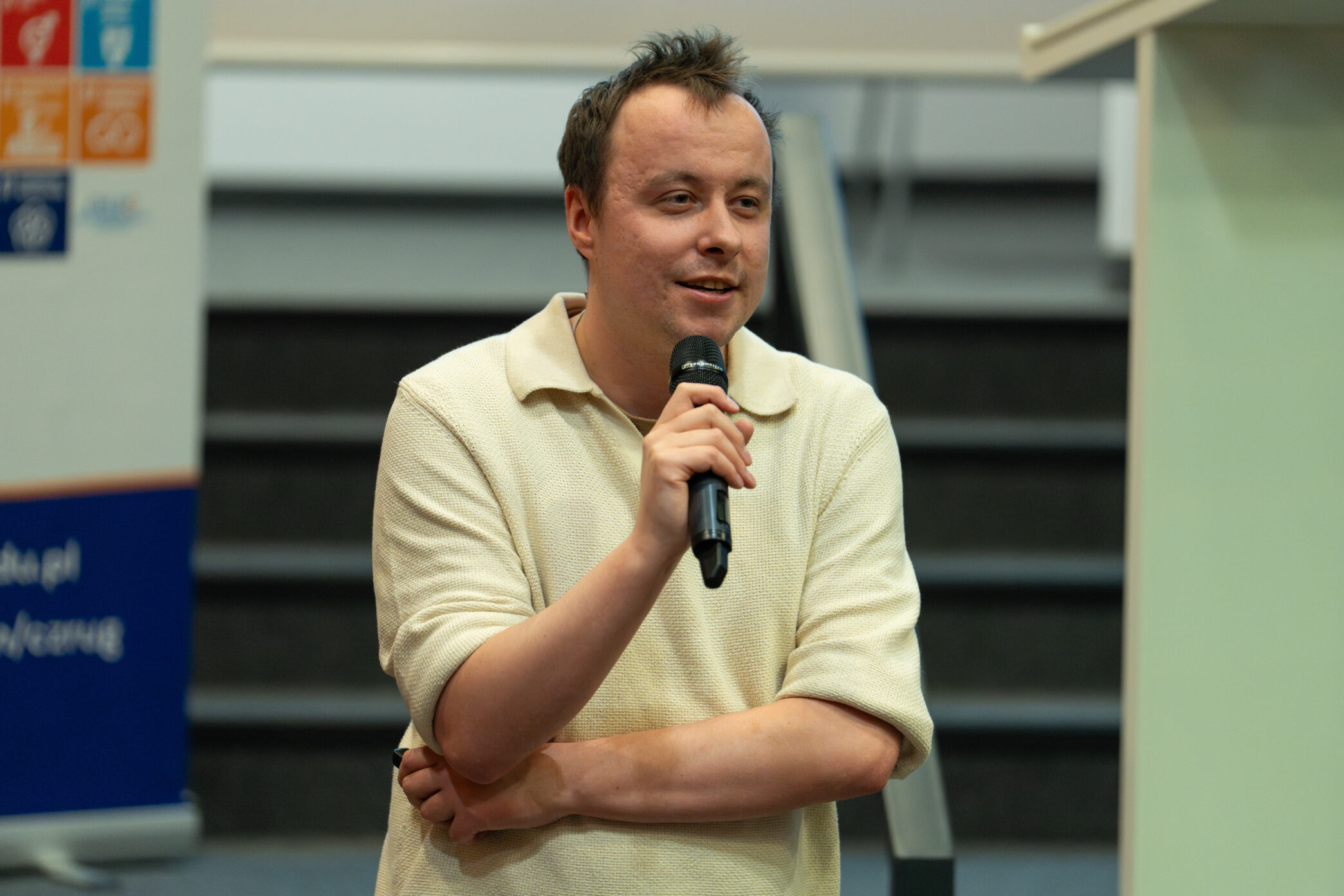
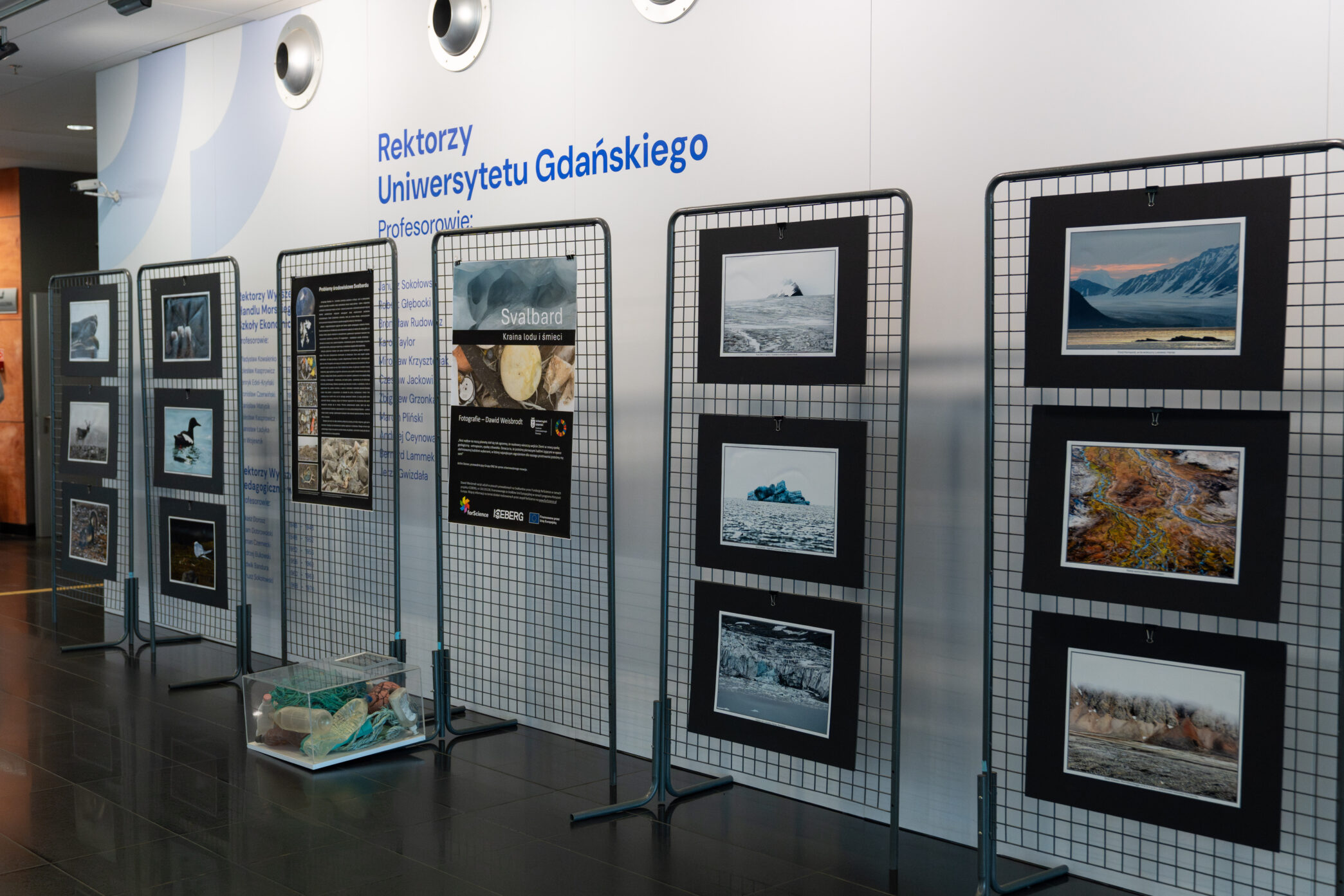
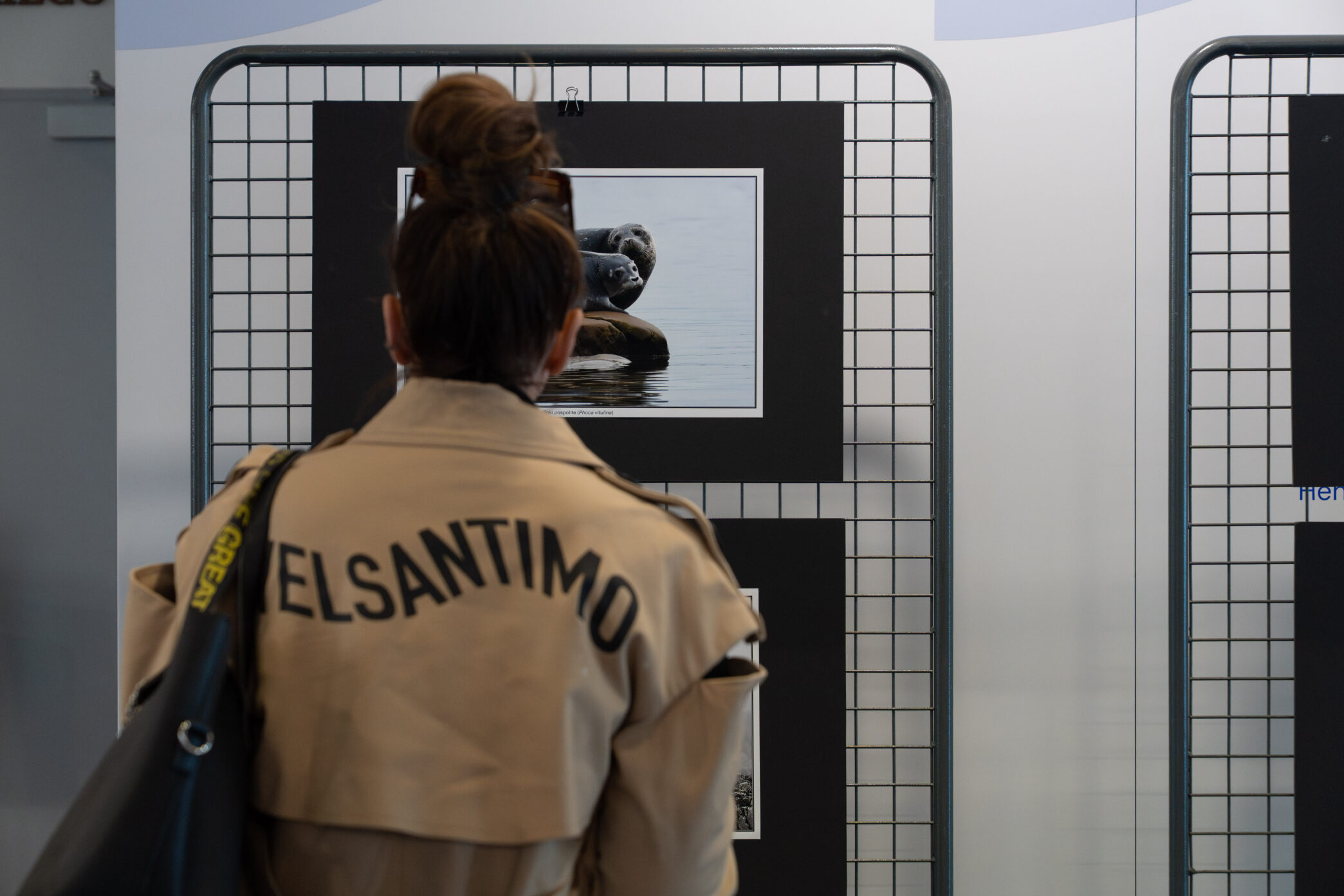
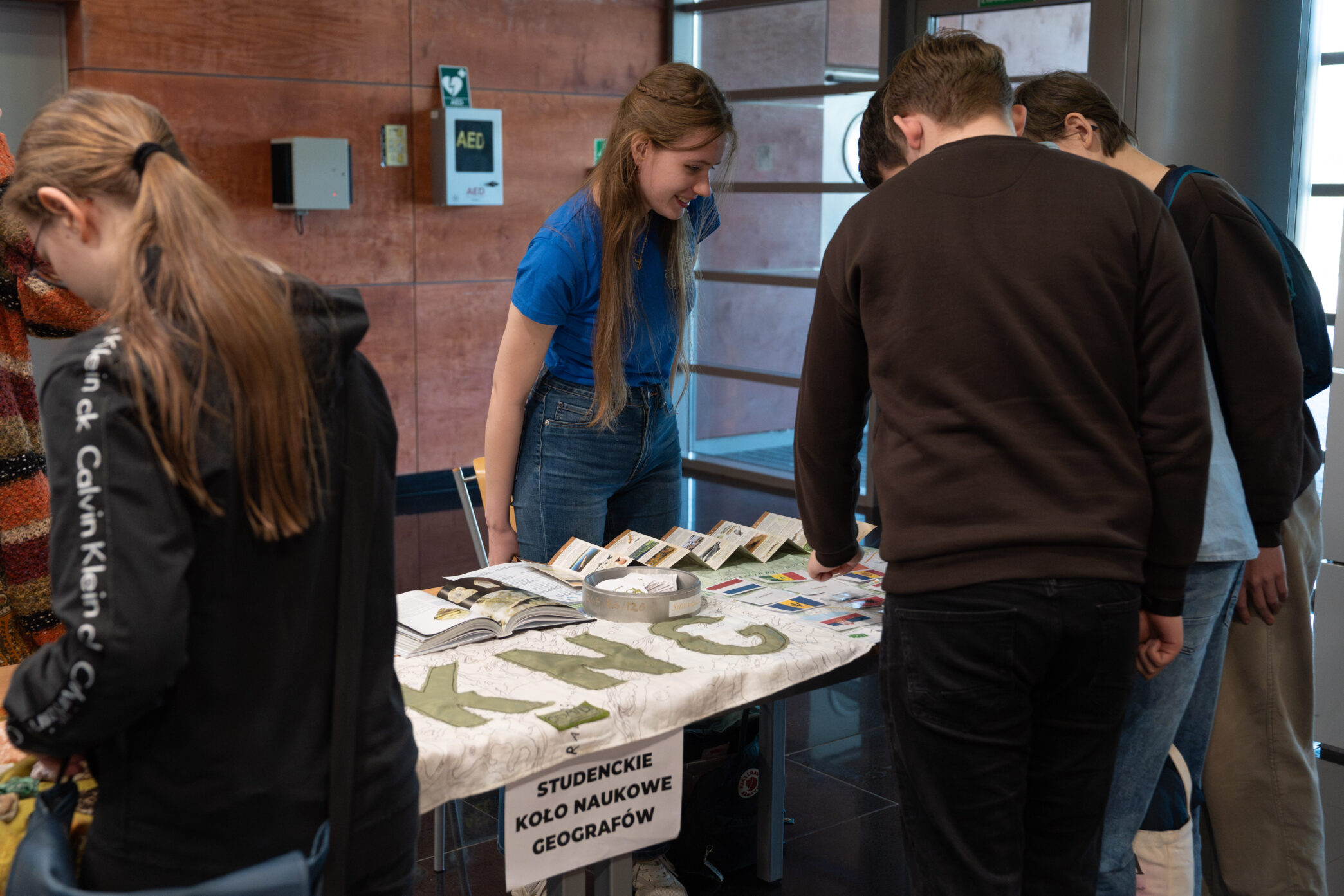
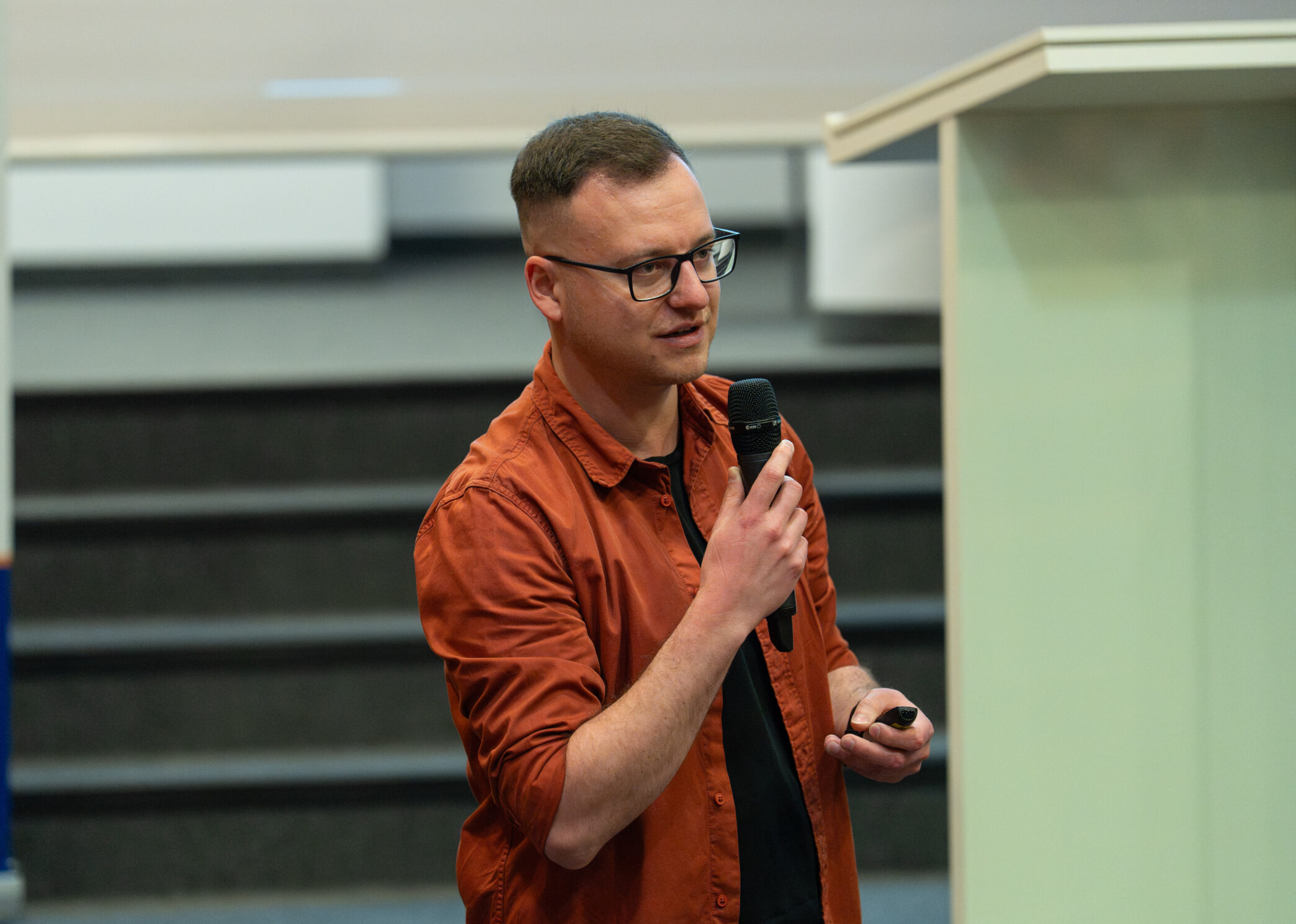
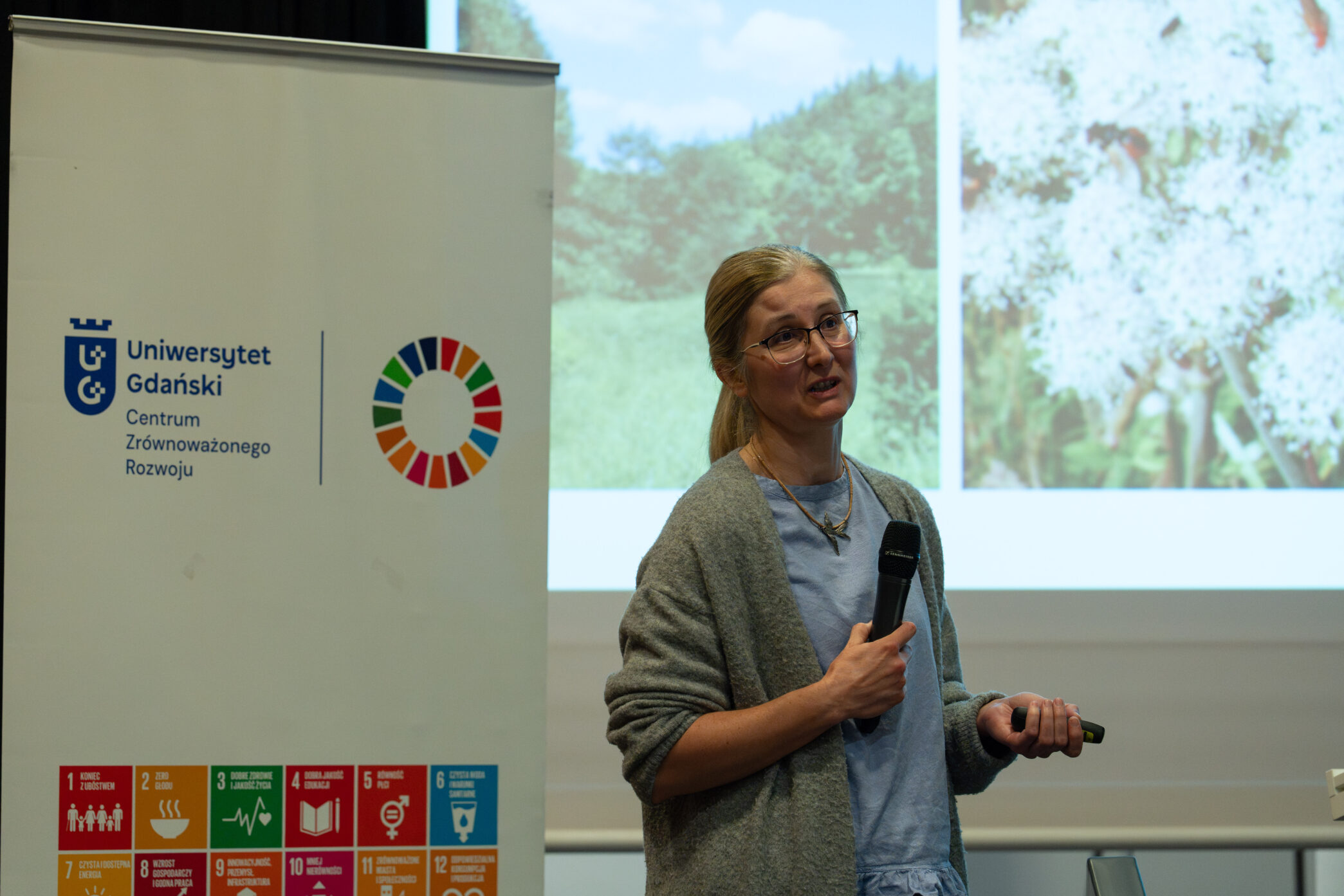
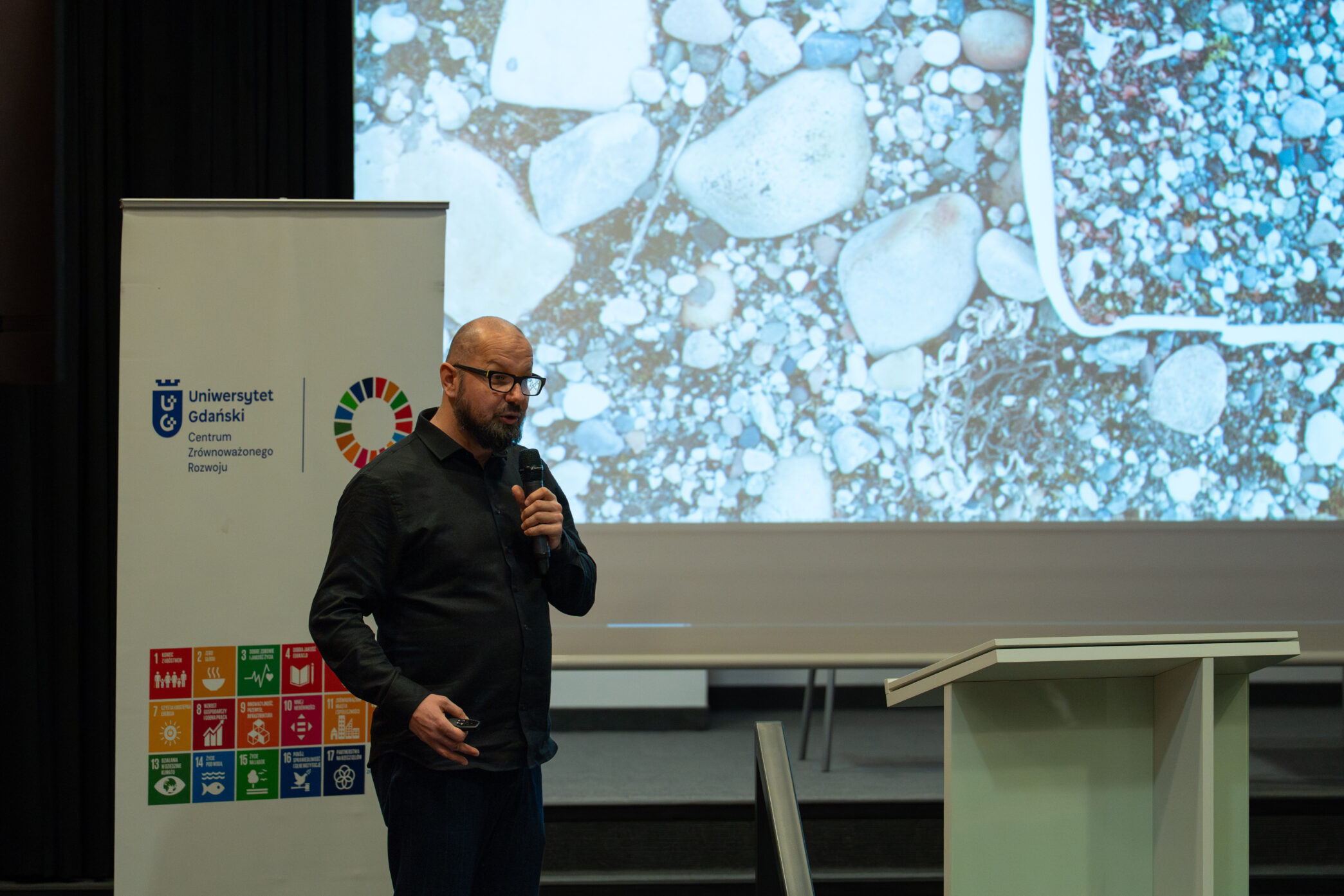
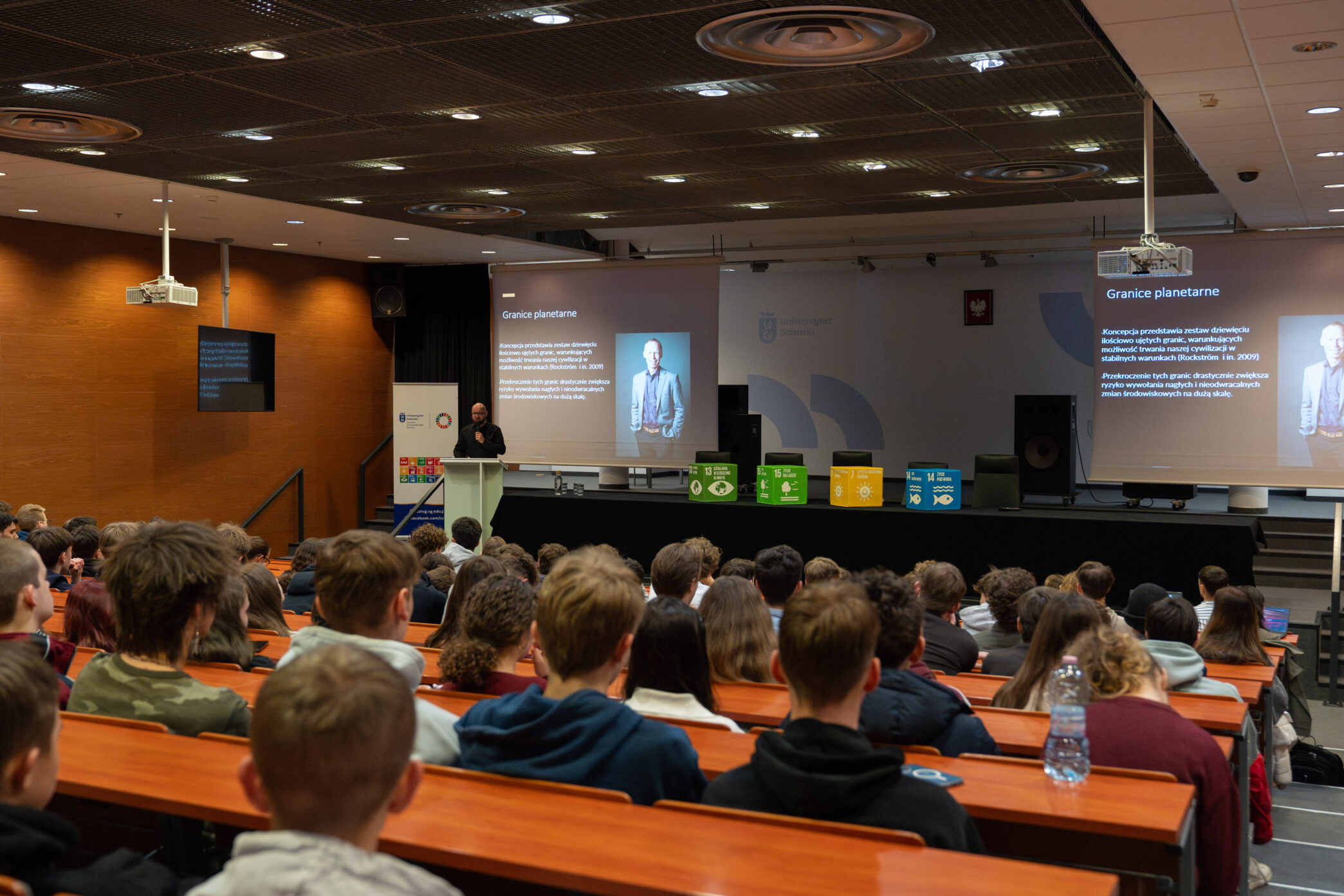
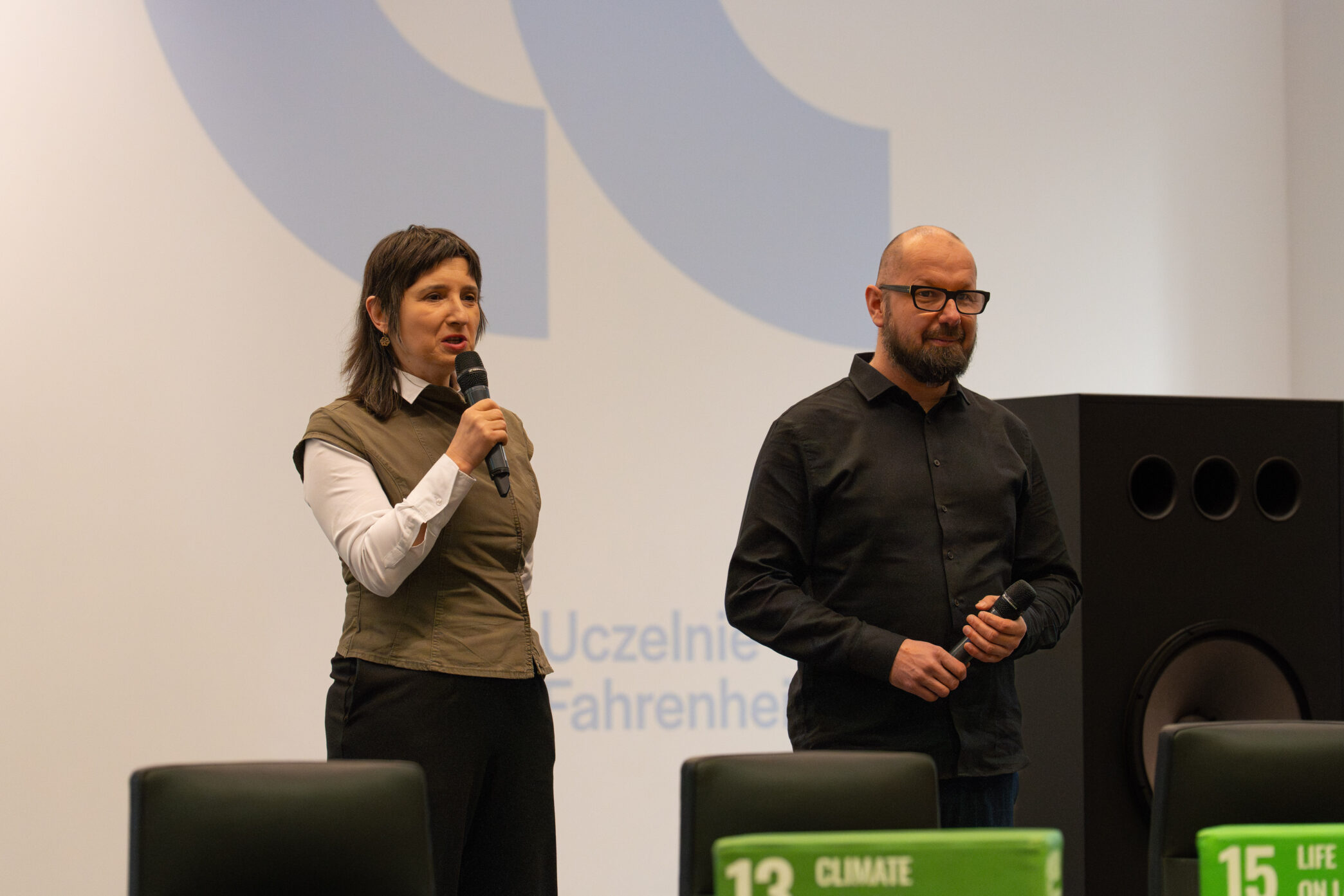
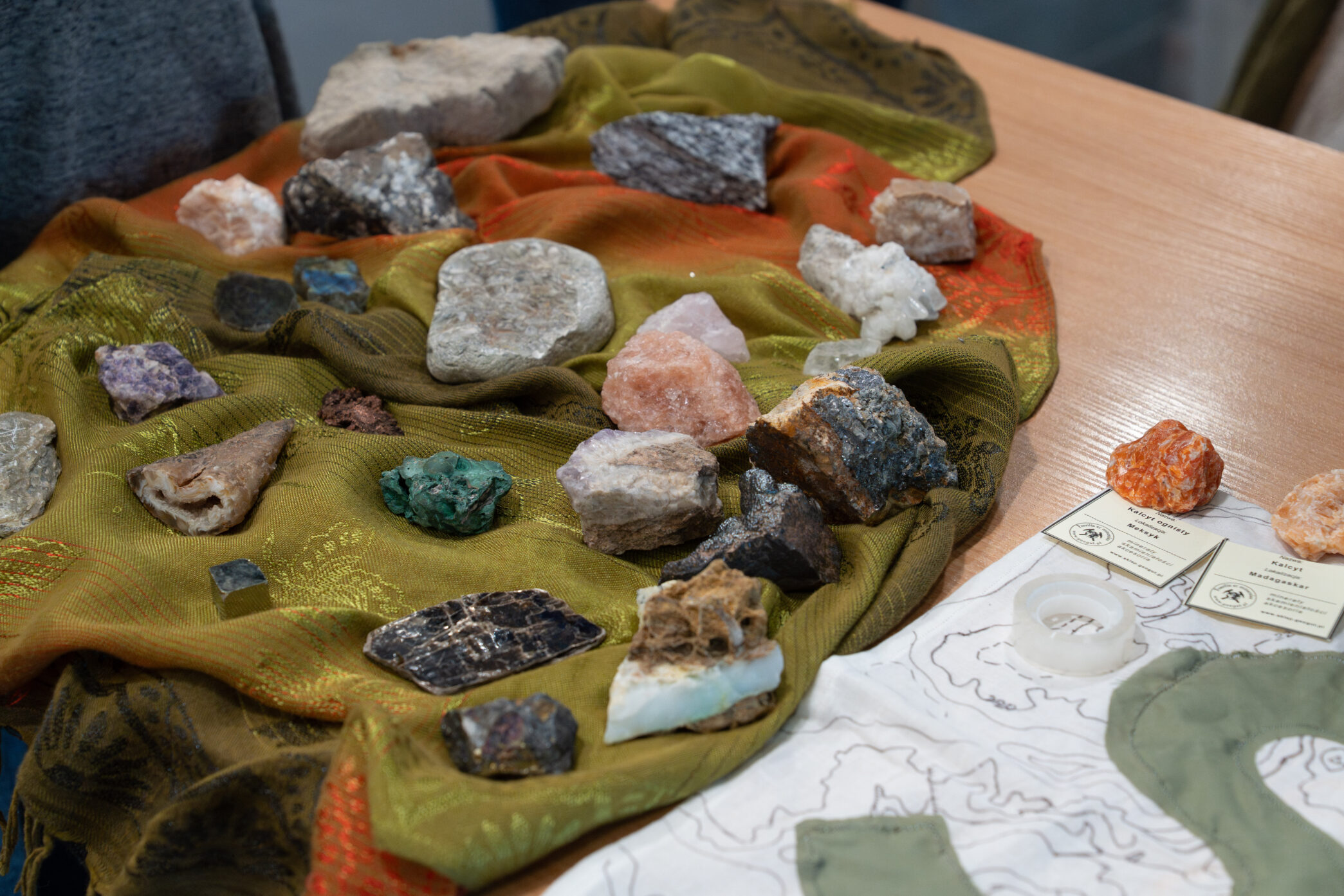
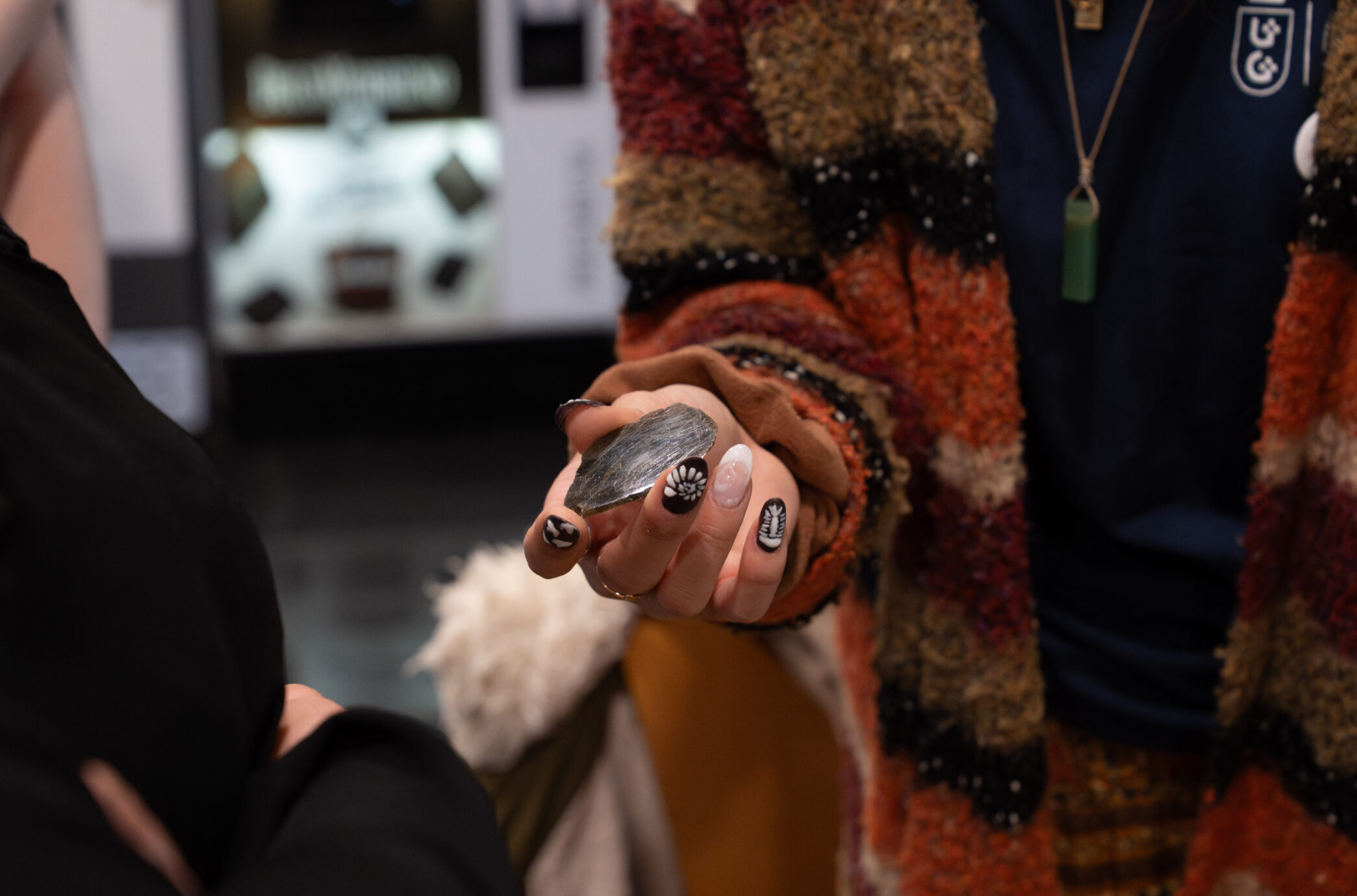
Photo: Bartłomiej Jętczak
The event was organized on the initiative of Dr. Dawid Weisbrodt, coordinator of the “Education for Sustainable Development” program at the University of Gdańsk Center for Sustainable Development, who opened the event together with Dr. Barbara Kijewska, prof. UG, an expert at the Center. Dr. Weisbrodt also delivered the first mini-lecture titled “The Concept of Planetary Boundaries as the Key to Understanding the Idea of Sustainable Development.”
The young people also had the opportunity to listen to presentations by researchers from the University of Gdańsk. Dr. Agnieszka Ożarowska from the Faculty of Biology at the University of Gdańsk spoke about bird migrations. Dr. Maurycy Żarczyński from the Faculty of Oceanography and Geography at the University of Gdańsk delivered a lecture on research into the history of the Earth and lakes based on the analysis of lake sediment cores. Mateusz Baluk from the Faculty of Chemistry at the University of Gdańsk attempted to answer the question “Can light save the planet?” by presenting the applications of titanium dioxide. In turn, the question from the field of climate psychology—since we know what to do, why are we doing too little?—was answered by Dr. Michał Jaśkiewicz, a professor at the University of Gdańsk’s Faculty of Social Sciences.
The event culminated in a contest with prizes, in which students could test their knowledge of the topics discussed throughout the day.
During Earth Day, guests at the University of Gdańsk Library also had the opportunity to view a photo exhibition by Dr. Dawid Weisbrodt titled “Svalbard – Land of Ice and Trash.” The photographs were taken during work conducted in Svalbard by the forScience Foundation as part of the ICEBERG project, No. 101135130, funded by the European Union under the Horizon Europe program. The exhibition at the University Library will remain open for another two weeks.
Between lectures, students also had the opportunity to learn about the activities of the Student Geography Research Club. The students set up a booth where visitors could examine natural rocks and minerals up close and learn more about the importance of landlocked basins, and more broadly, about what we can do to care for the planet in our daily lives.