

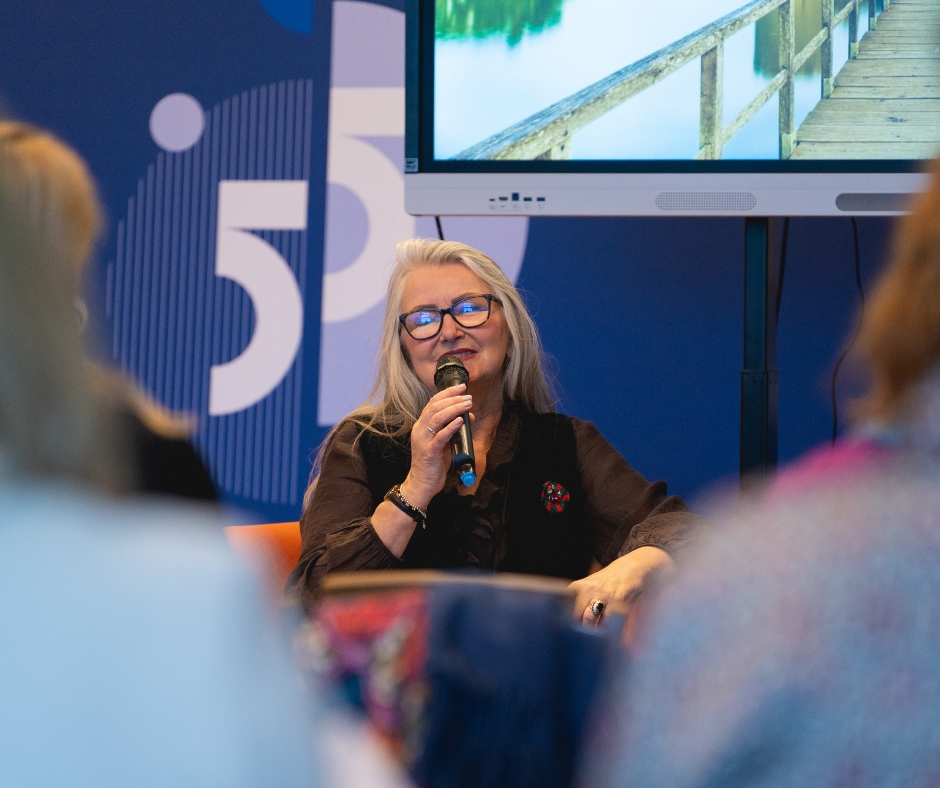
On November 28, 2025, the University of Gdańsk Library hosted the nationwide scientific conference “GOOD CLIMATE,” dedicated to the role of universities, science, and art in the joint creation of better ways of coexisting with the Earth—eco-communities. The program included scientific panels, publishing discussions, and the opening of Piotr Józefowicz’s painting series “The World We Have Created.”
At a time when the climate crisis is accelerating and the existing frameworks of thinking are proving insufficient, the “GOOD CLIMATE” conference brought together representatives of academic circles, researchers, social activists, and artists to jointly seek answers to the challenges of the modern world. The event was organized by the University of Gdańsk Library, the Faculty of Social Sciences of the University of Gdańsk (Institute of Pedagogy, Department of Social Pedagogy), the Center for Sustainable Development of the University of Gdańsk, the Center for Student and Doctoral Activity of the University of Gdańsk, and the Gdańsk Scientific Society — Faculty of Social Sciences and Humanities.
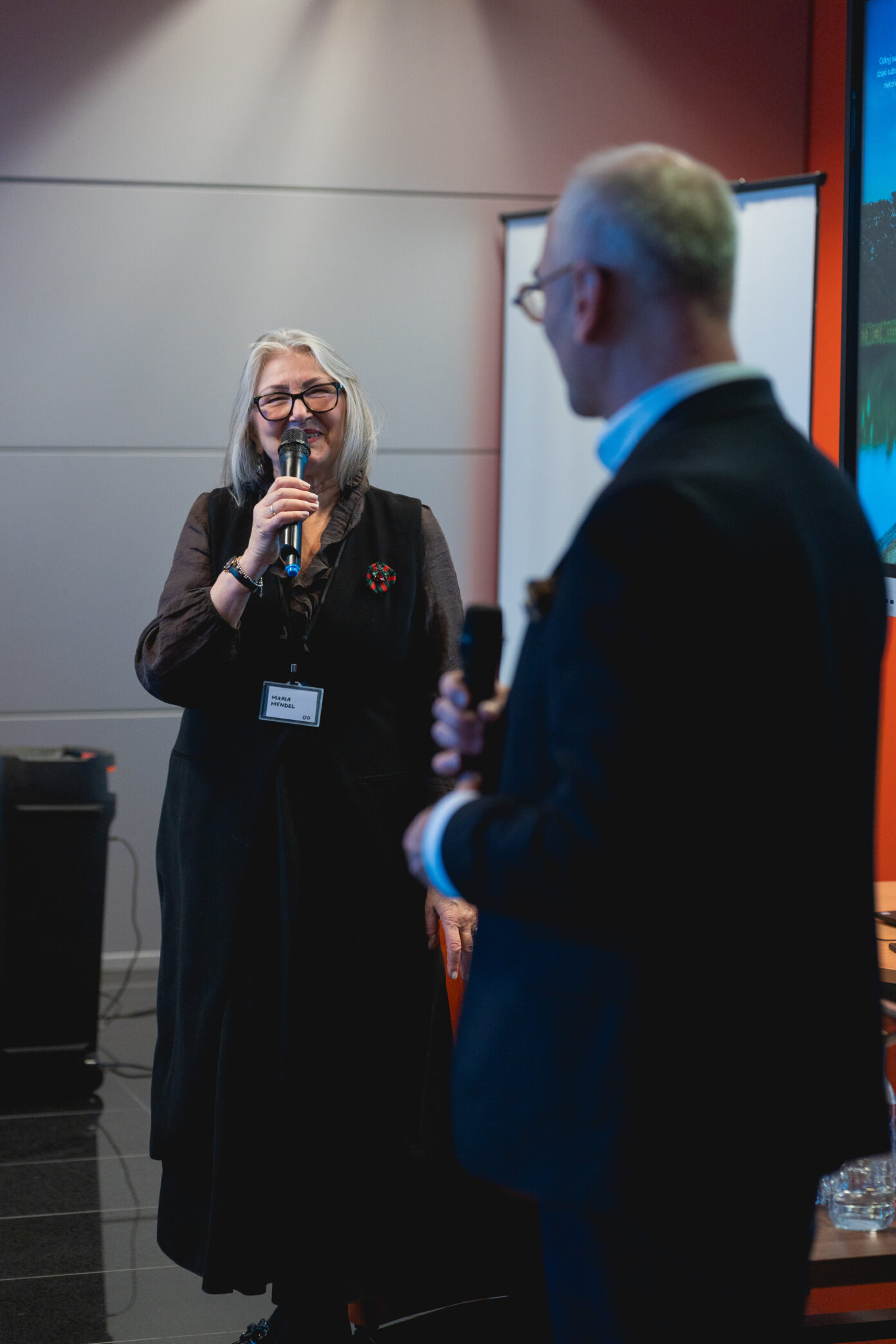
The conference was opened by members of the Presidium of the Faculty of Social Sciences and Humanities of the Gdańsk Scientific Society, Dr. hab. Arnold Kłonczyński, Professor at the University of Gdańsk, Director of the University Library, and Professor Maria Mendel from the Institute of Pedagogy of the Faculty of Social Sciences at the University of Gdańsk, who gave an introduction to the theme of the conference: “From meditatio mortis to meditatio vitae.”
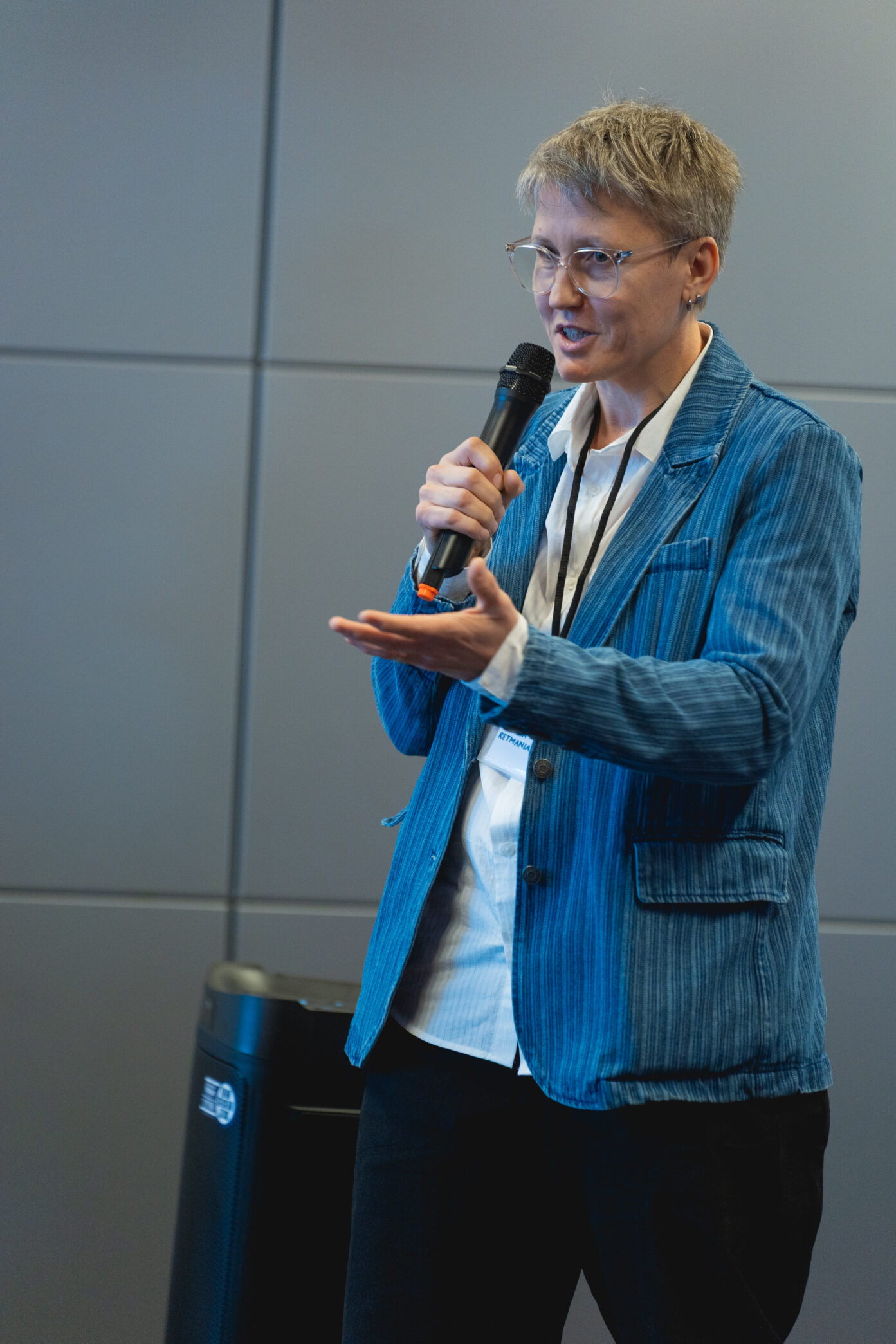
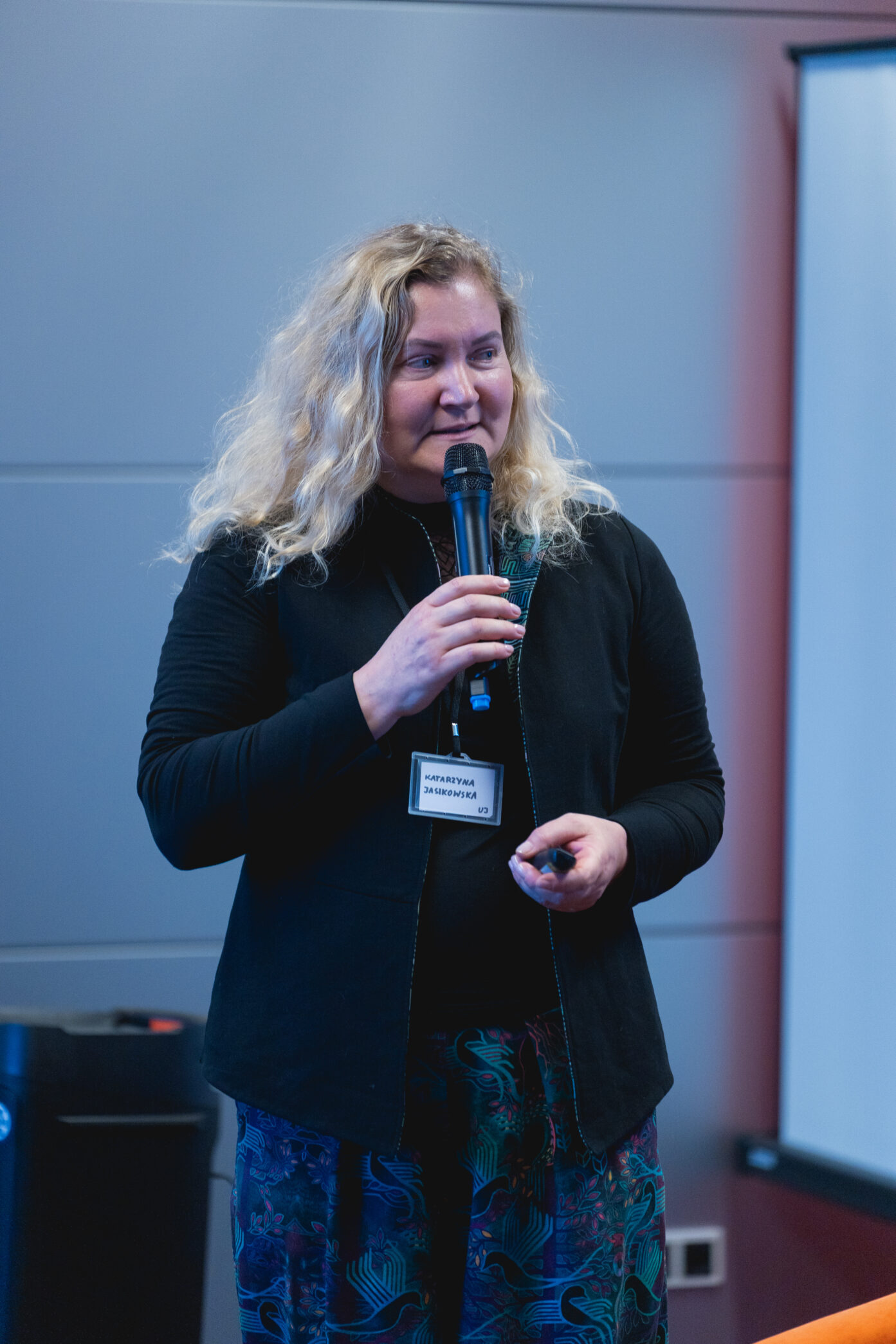
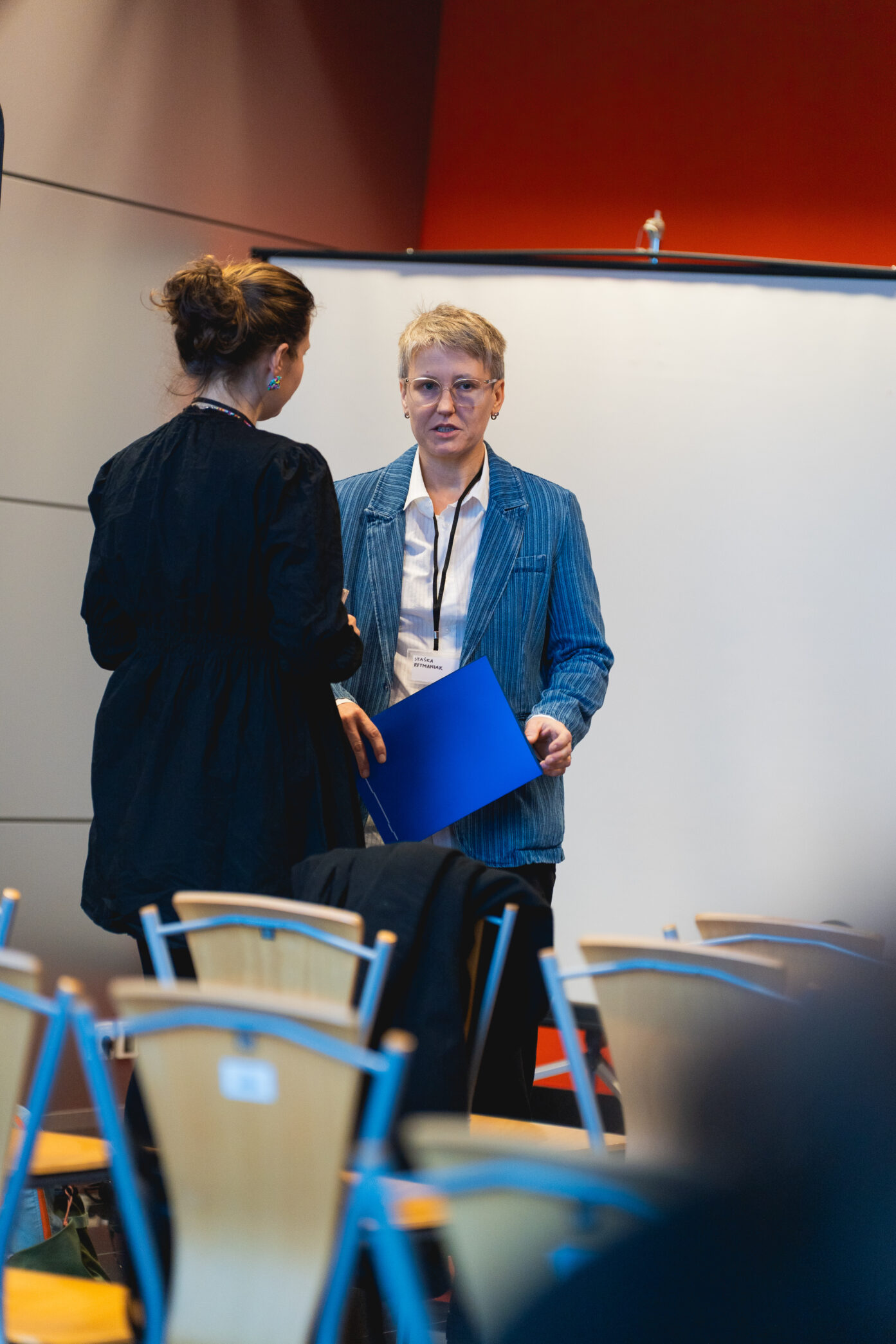
The first session of the conference, moderated by Dr. hab. Sylwia Mrozowska, Professor at the University of Gdańsk, focused on educational and animation responses to the Anthropocene. Dr. hab. Katarzyna Jasikowska, Professor at the Jagiellonian University, emphasized the social consequences of global warming and the role of universities in adapting to and mitigating the effects of the crisis; Dr. hab. Maksymilian Chutorański proposed a reflection on non-anthropocentric pedagogy; while Staśka Retmaniak, a doctoral student at the University of Gdańsk, educator, and social animator, presented practical methods of engaging communities in pro-ecological activities through animation and building mindful communities.
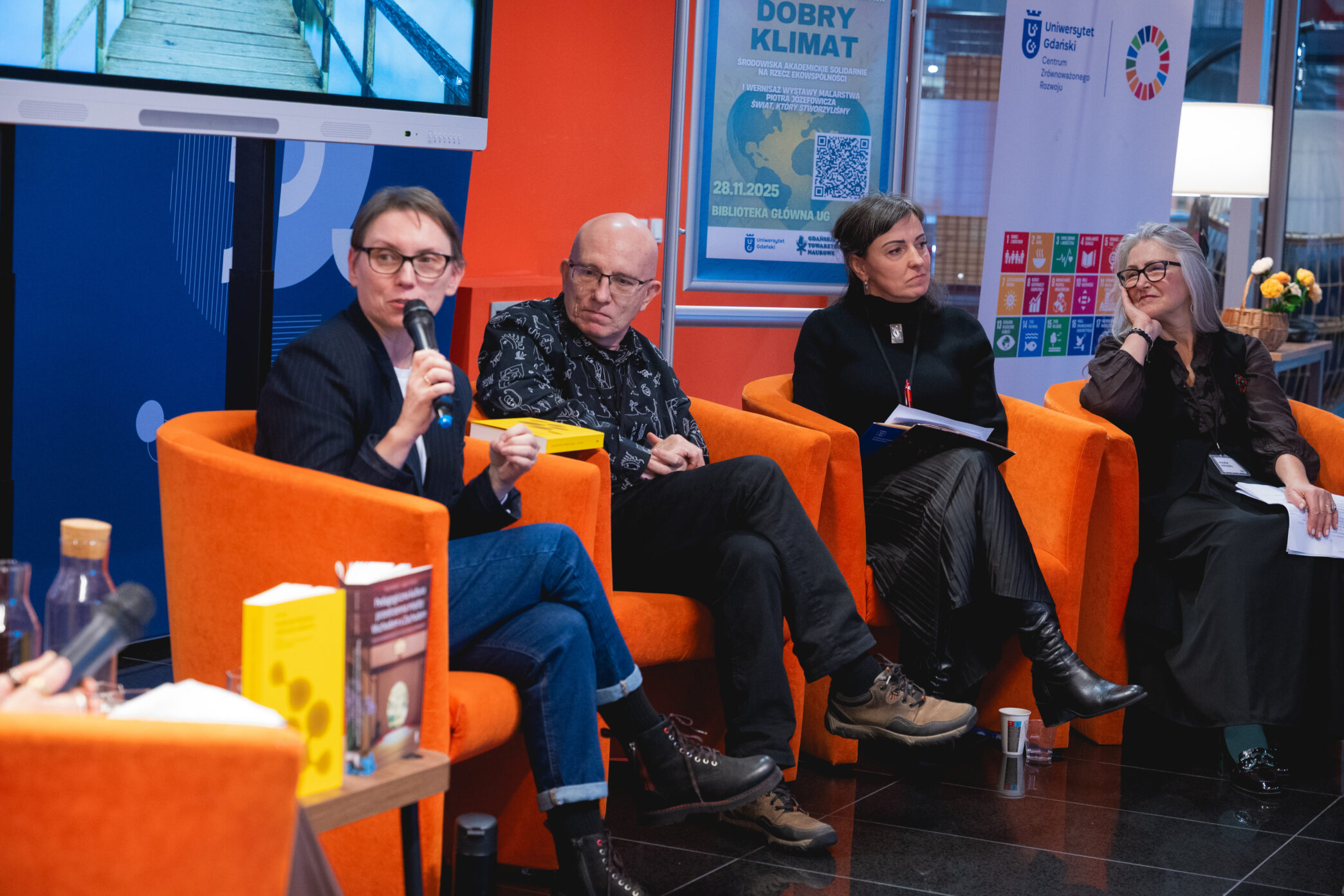
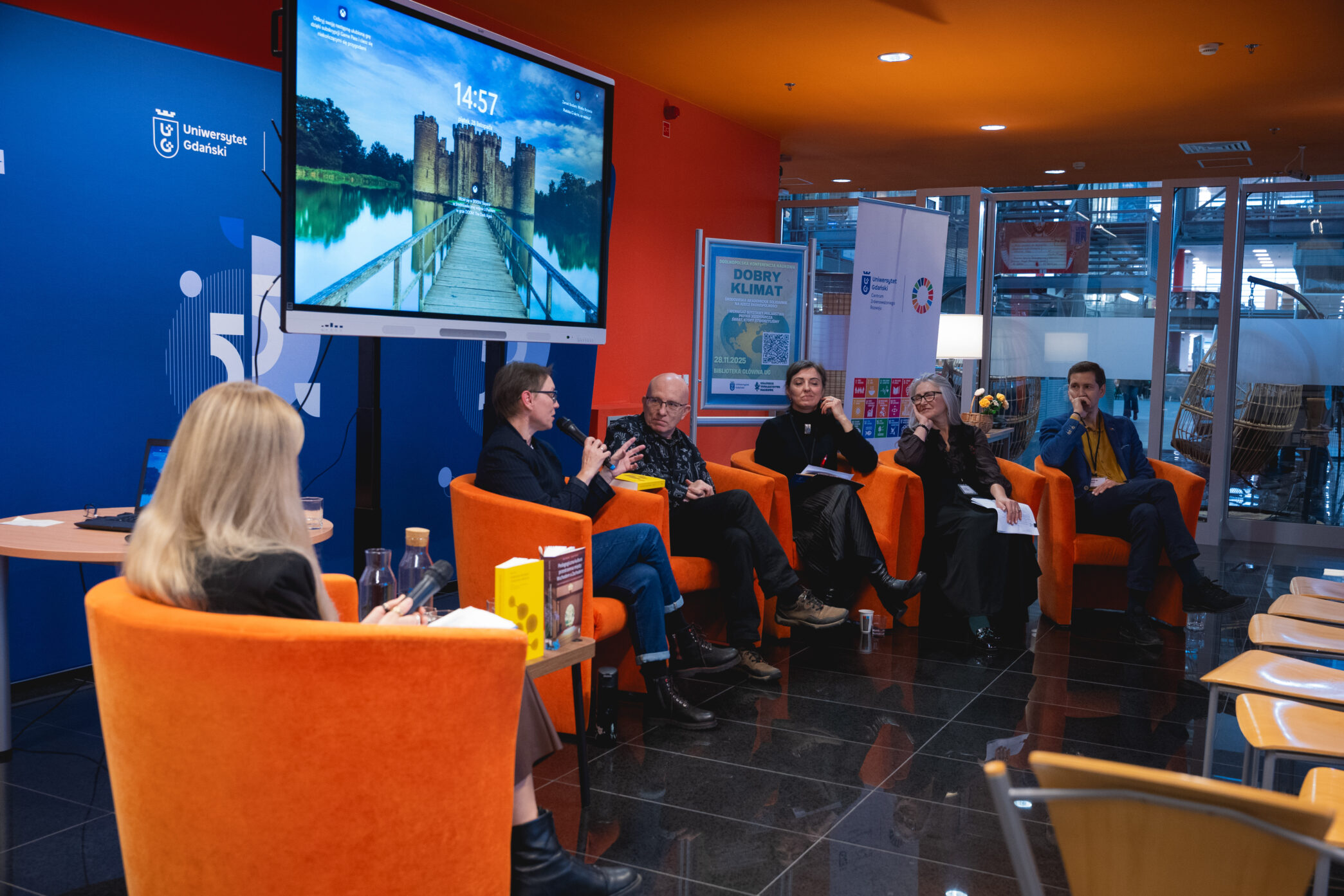
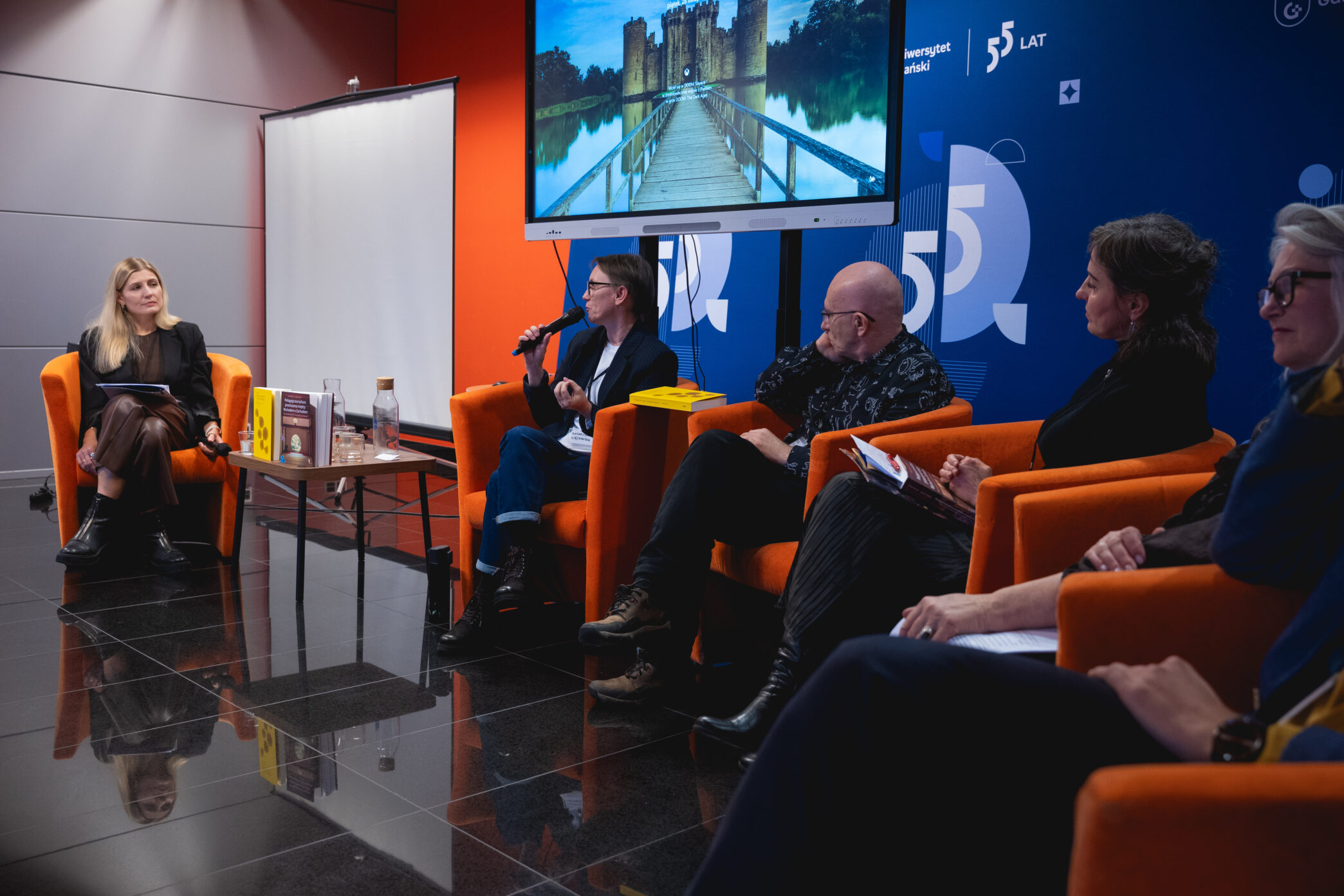
After the break, there was a publishing panel moderated by Dr. Irena Chawrilska, coordinator of the More-than-Human Studies Lab at the University of Gdańsk’s Center for Sustainable Development, during which new publications in the field of environmental humanities, relevant to eco-communities, were discussed. Dr. Patryk Szaj, editor of the “Environmental Humanities” series at the Słowo/obraz terytoria publishing house, and the translators of the Polish edition of Rob Nixon’s book “Slow Violence and the Ecology of the Poor” discussed the translation and significance of this text for the Polish debate on the environment and eco-justice. The authors, Prof. Maria Mendel and Dr. hab. Justyna Pilarska, Prof. UWr, presented the book “Pedagogical Spatial Culture Between East and West: Sketches for (Not Only) Human Dimensions of Education in the Anthropocene,” which proposes a non-anthropocentric concept of space and presents a new perspective on education in the context of environmental change.
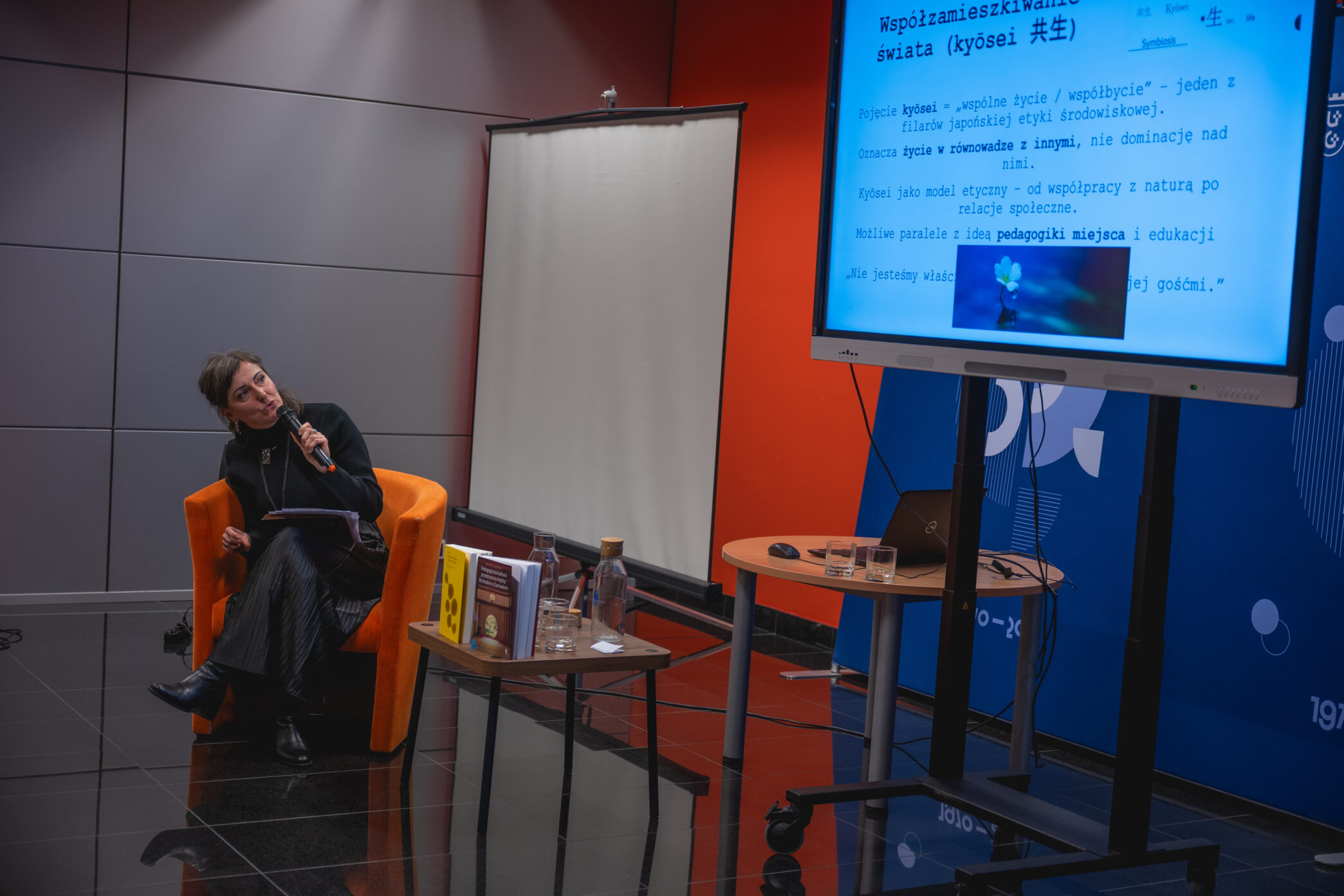
The second session, moderated by Dr. hab. Arnold Kłonczyński, Prof. UG, with presentations by Dr. Patryk Szaj, Dr. Andrzej Marzec, and Dr. hab.Justyna Pilarska, Prof. UWr, touched on the issues of aesthetics, the poetics of place, and the philosophical aspects of creating the world in times of crisis. In his presentation, Dr. Andrzej Marzec (Adam Mickiewicz University in Poznań) raised the question of whether aesthetics is capable of “saving the world.” Dr. Justyna Pilarska, professor at the University of Wrocław, proposed the perspective of Japanese lessons in cohabitation as practical models of eco-communities, while Dr. Patryk Szaj (KEN University in Krakow) analyzed the literary and theoretical narratives of the Anthropocene.
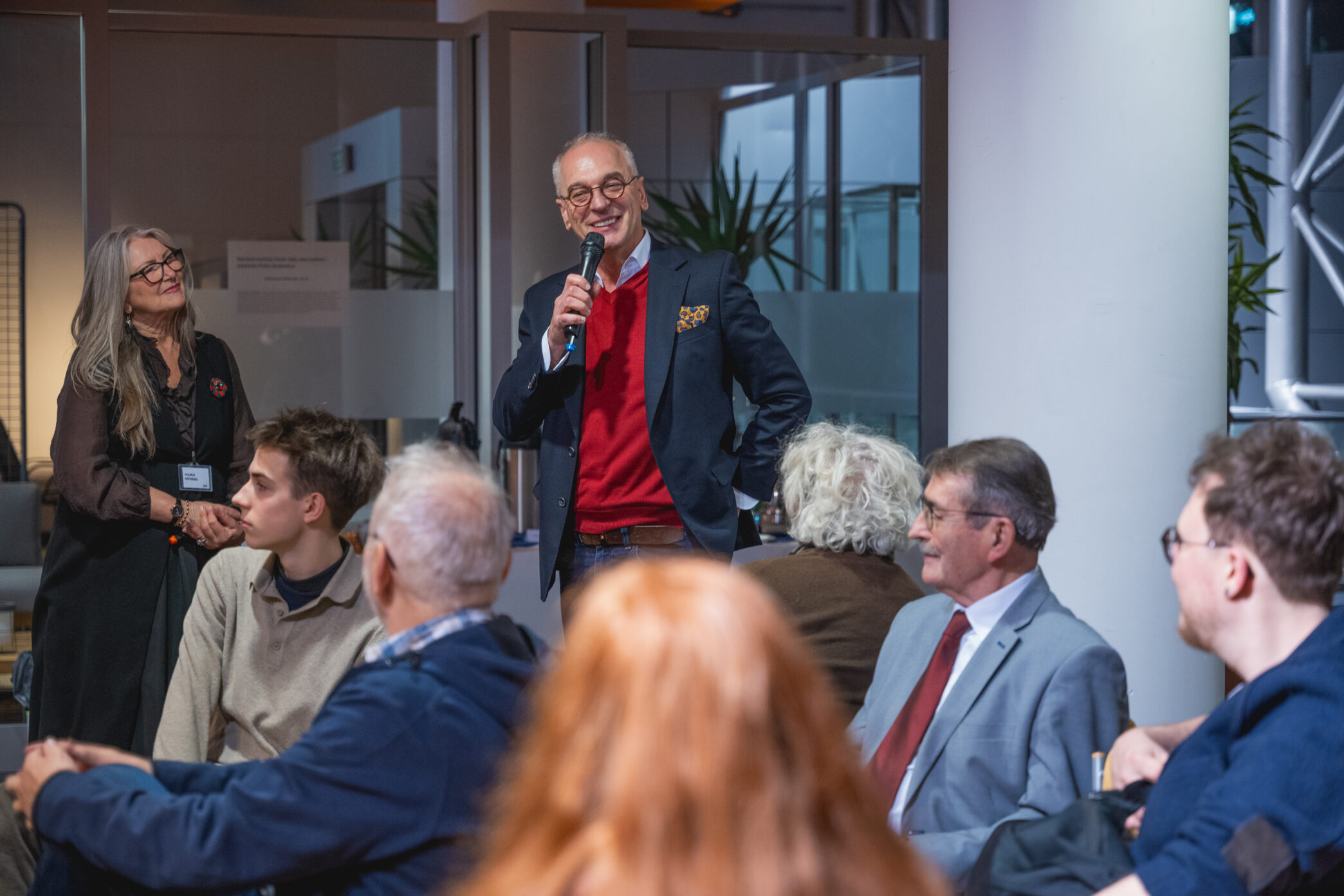
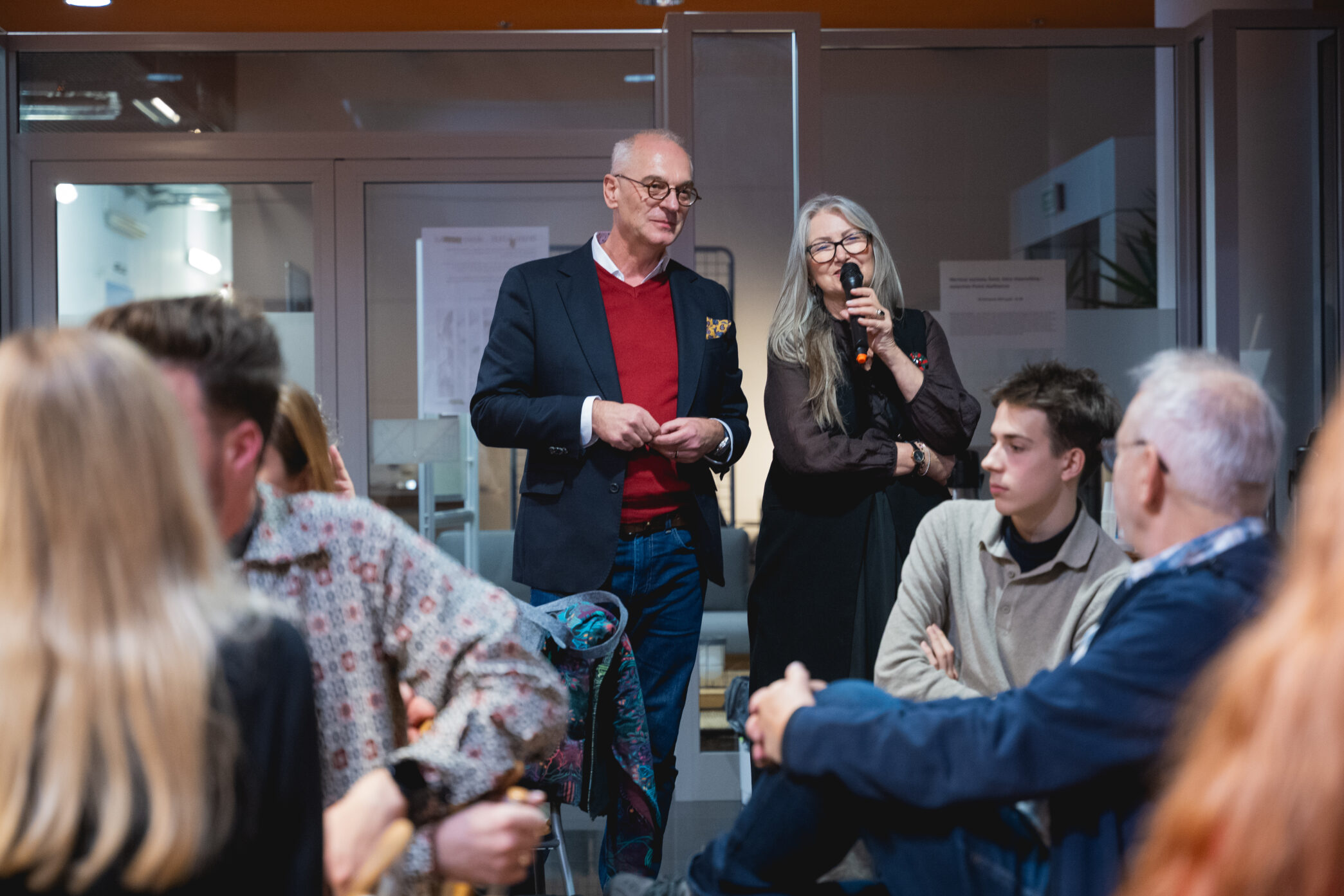
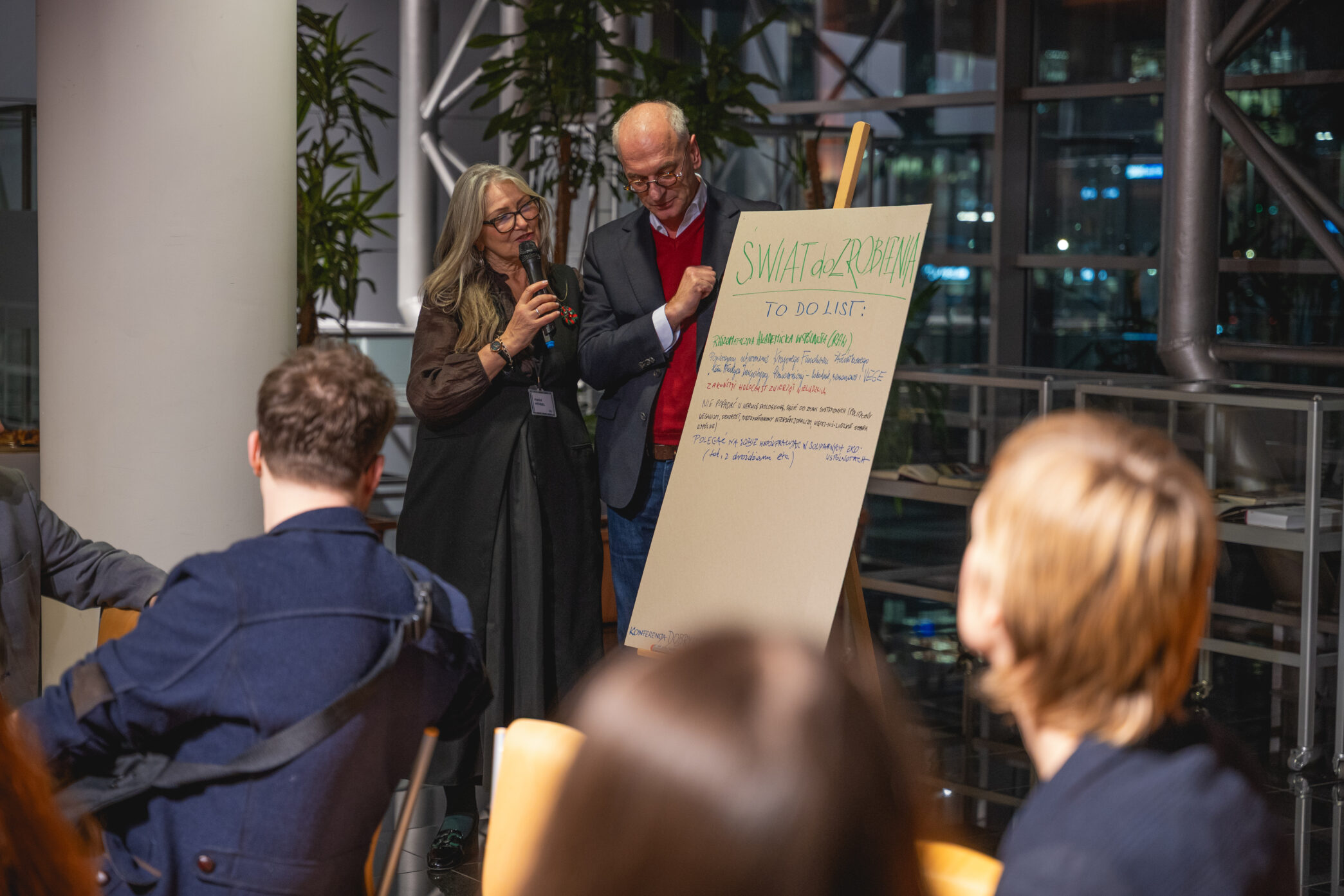
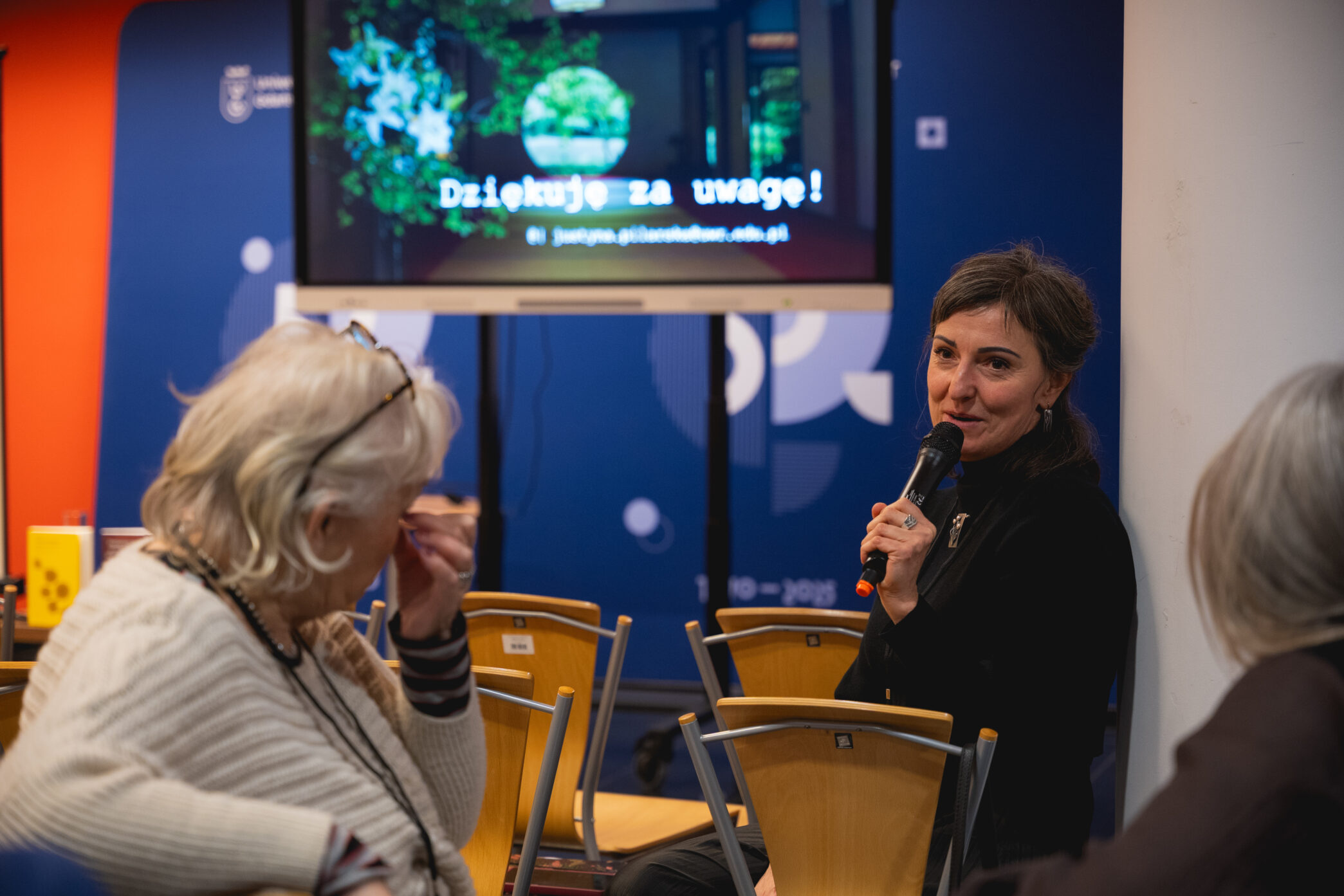
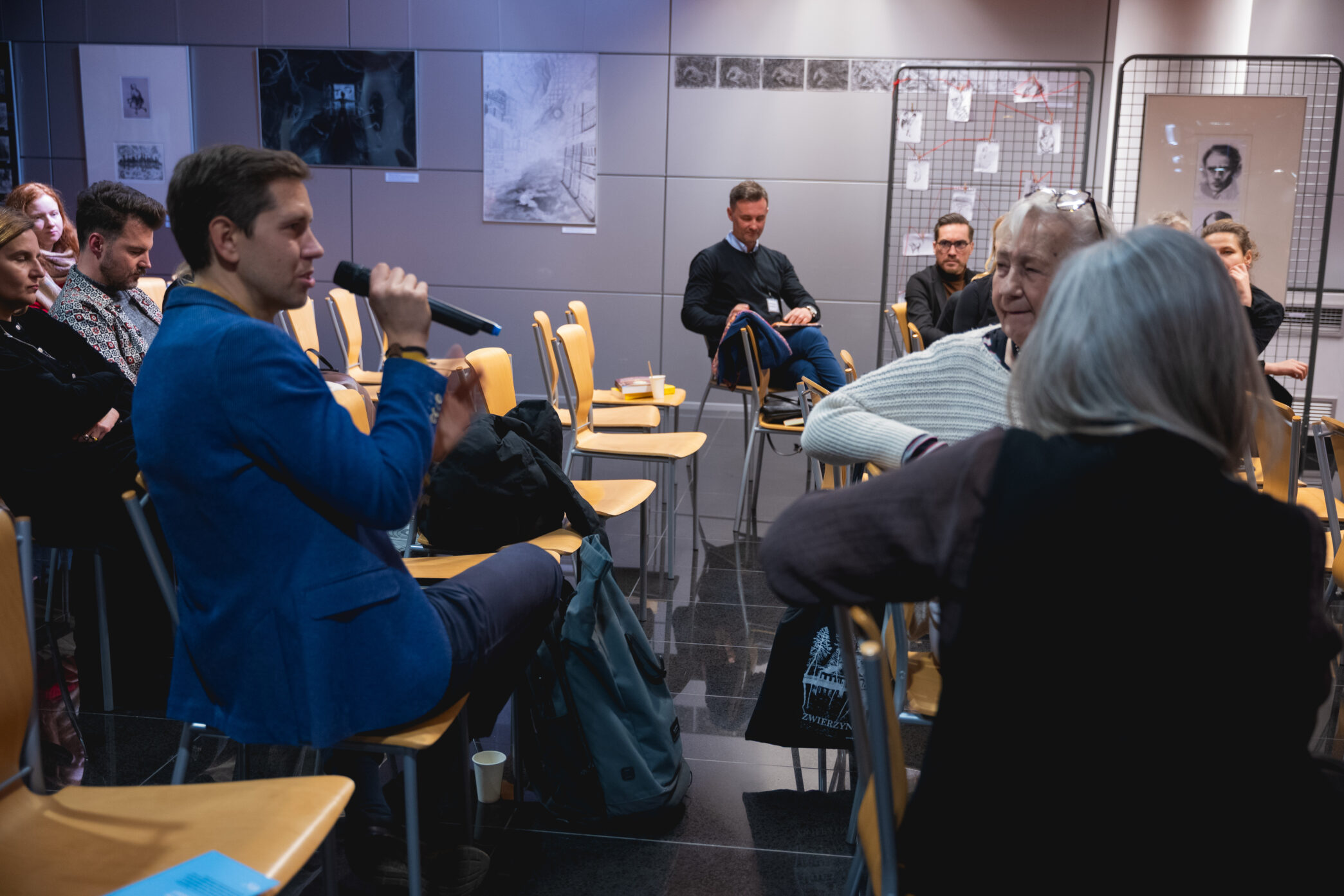
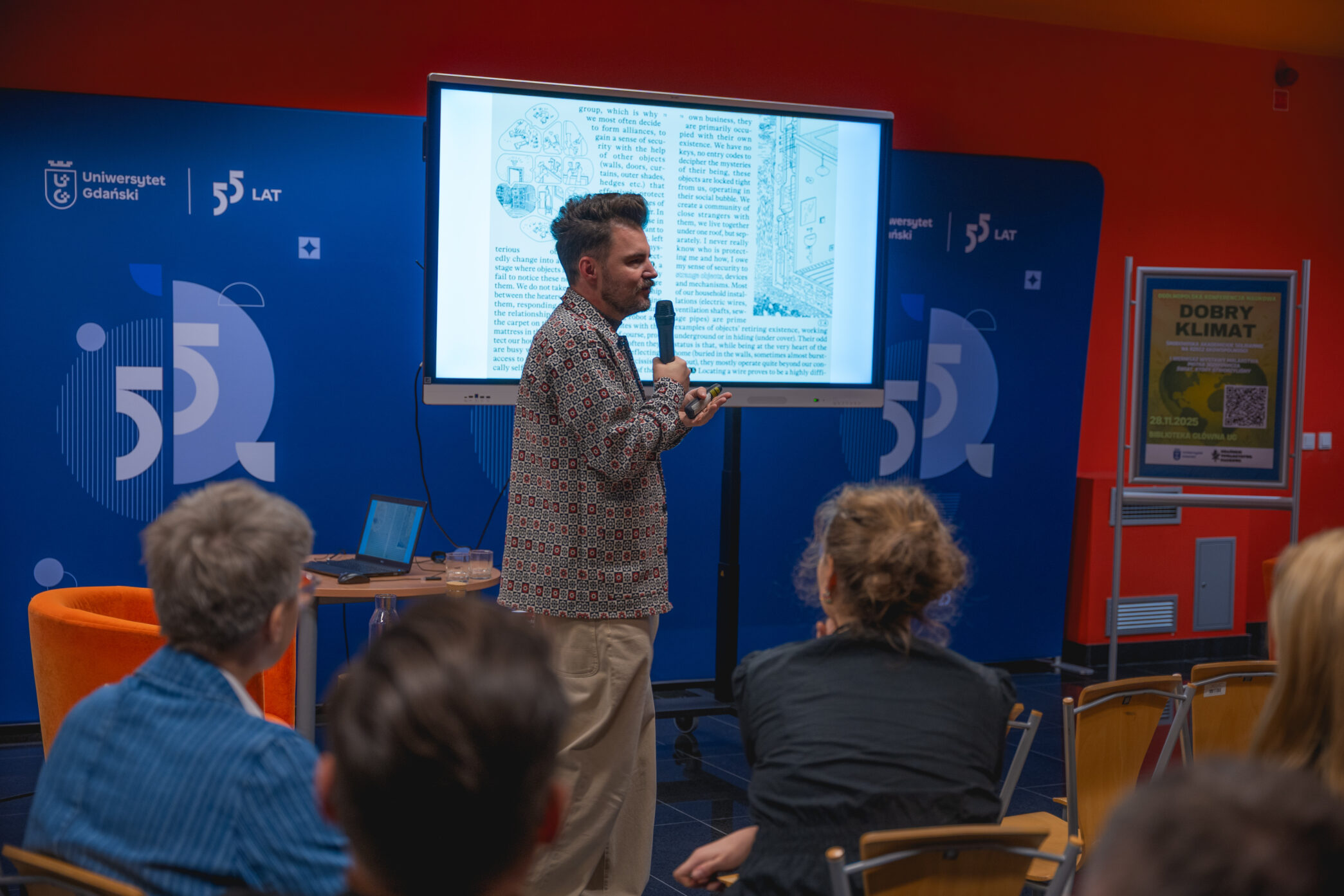
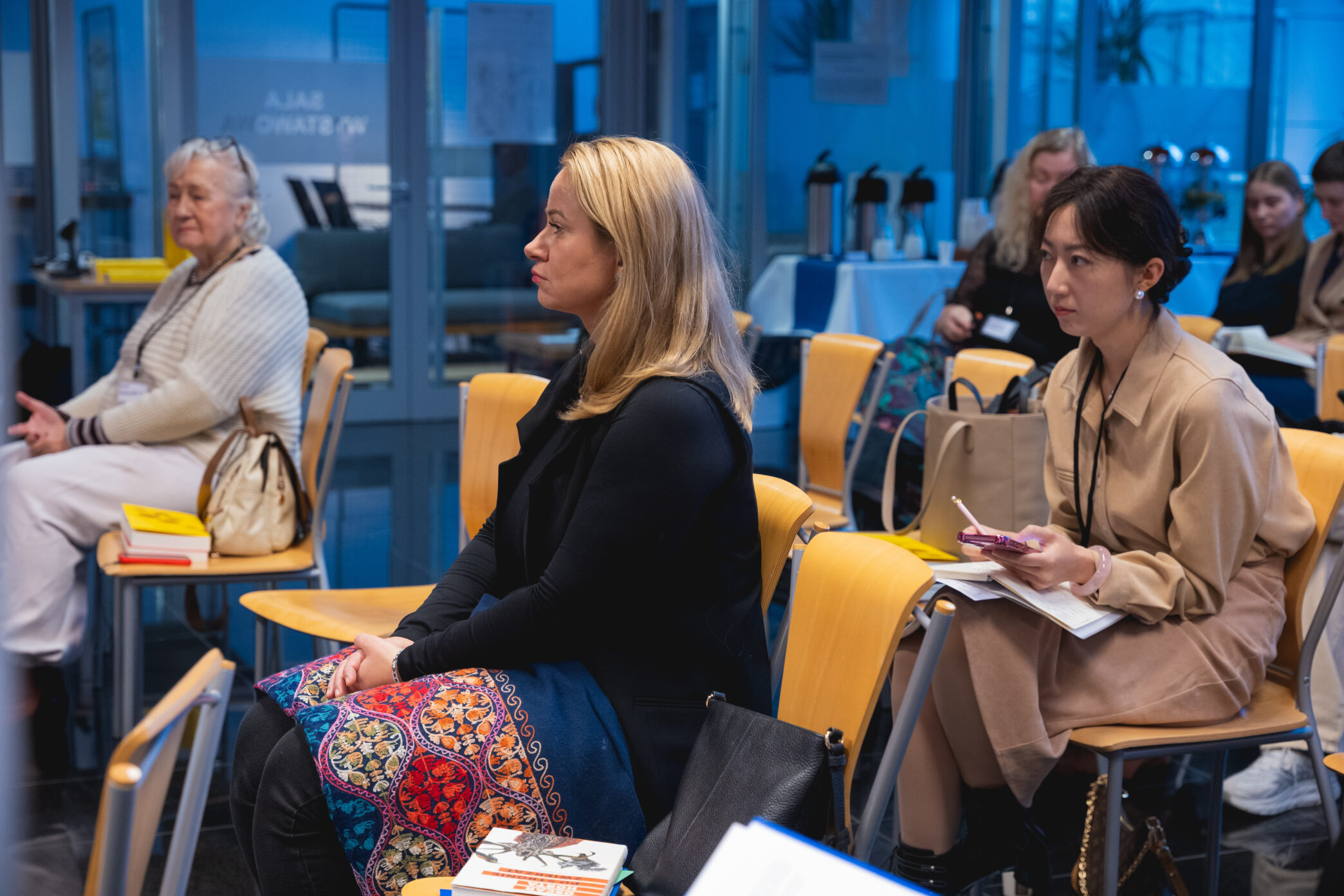
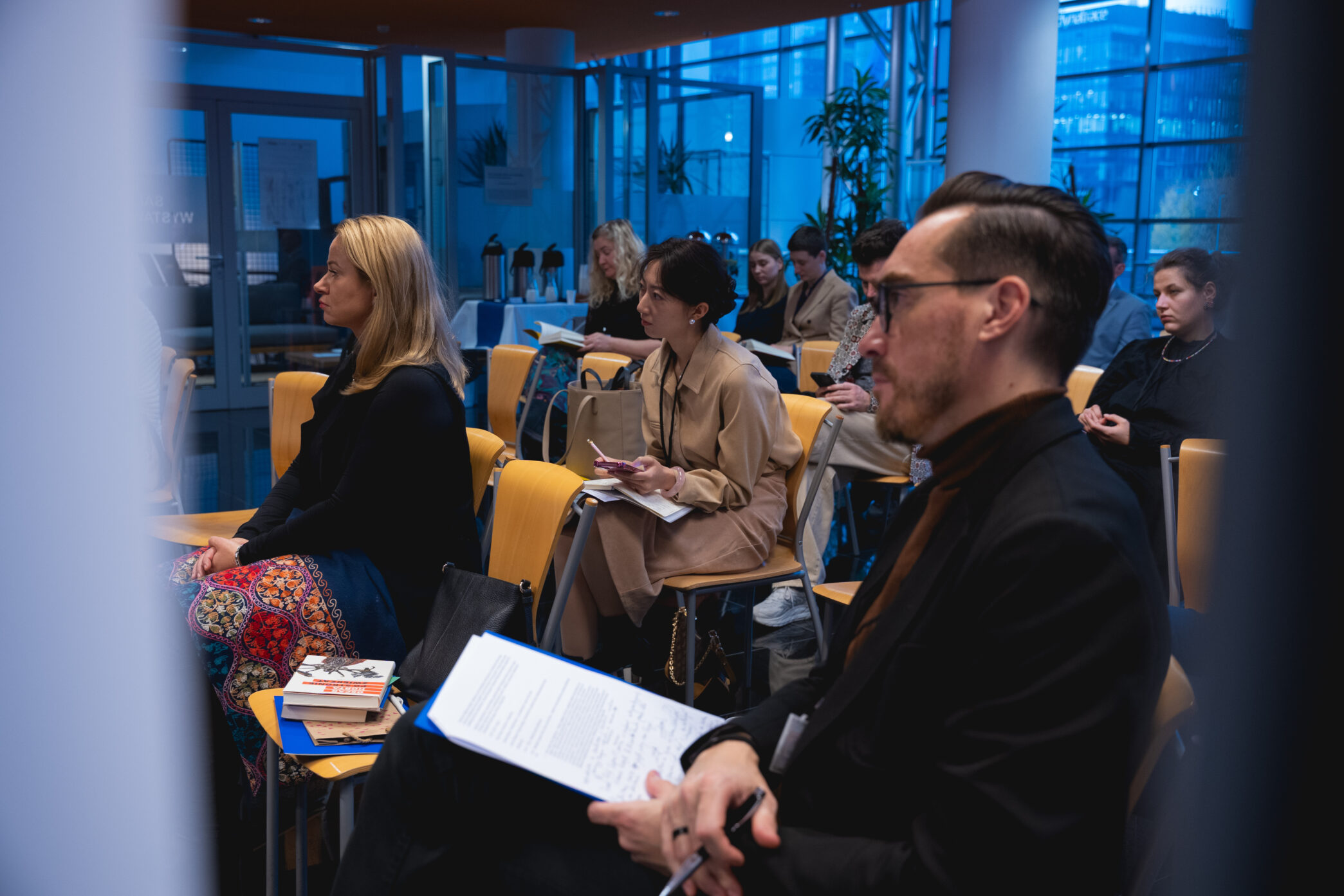
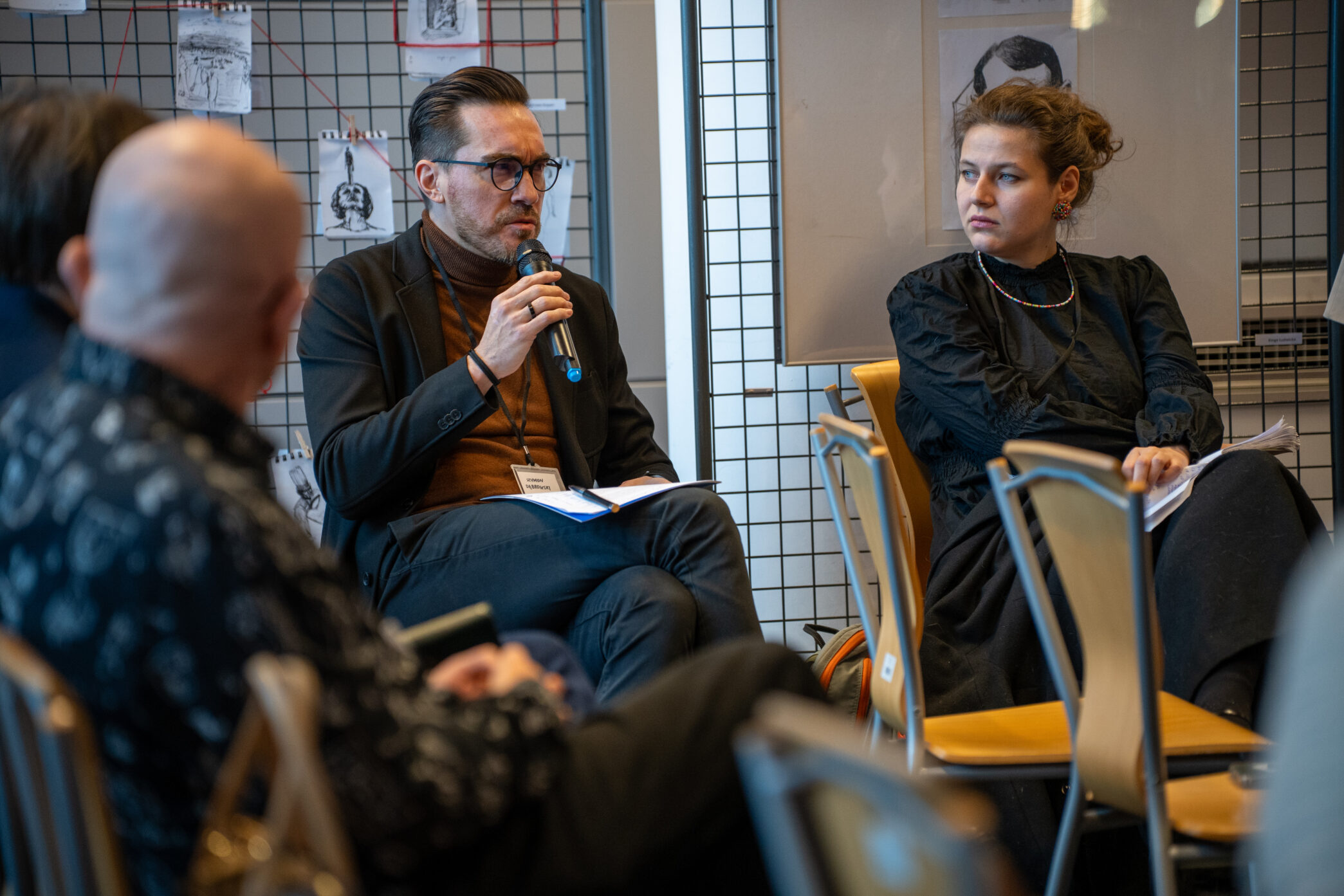
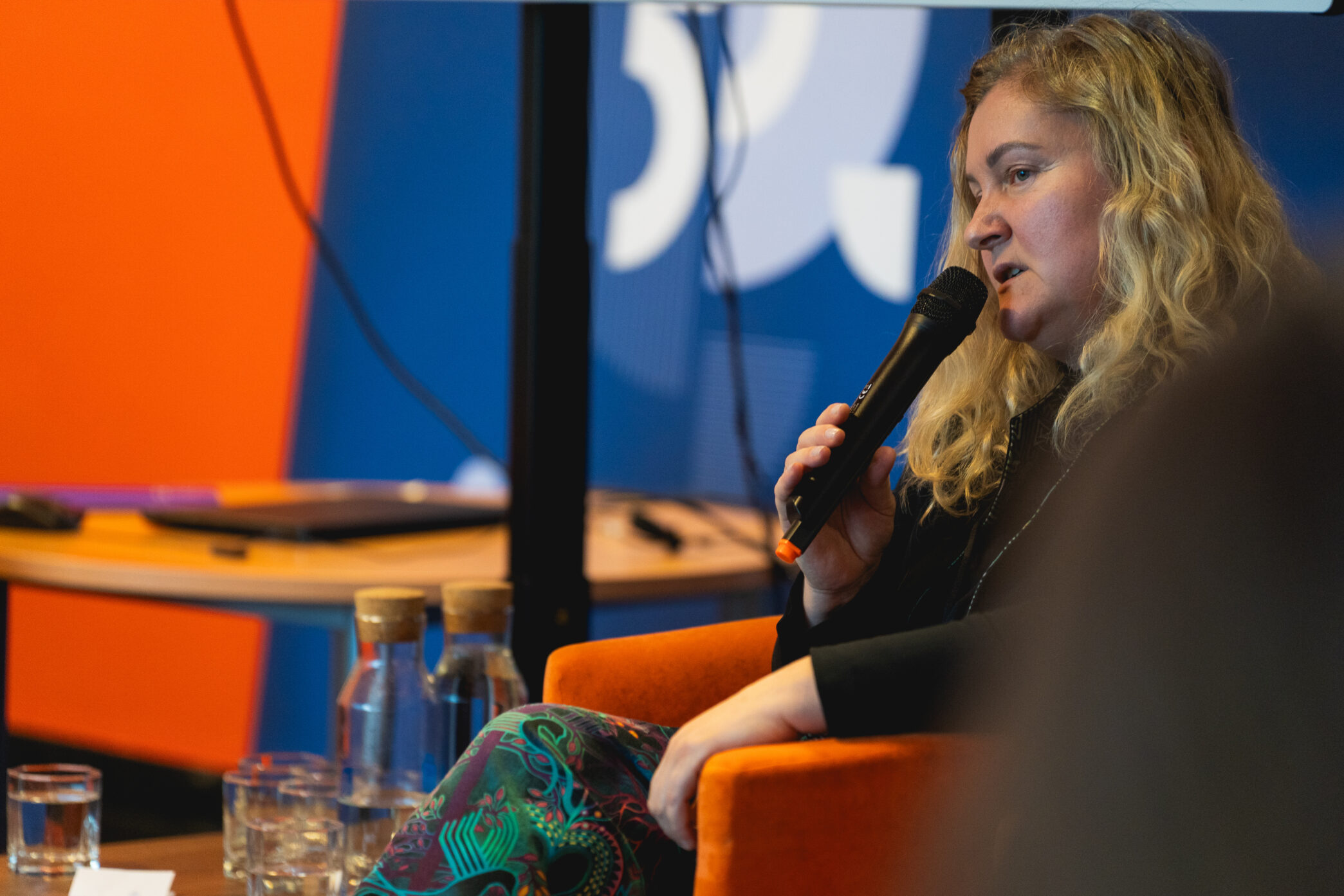
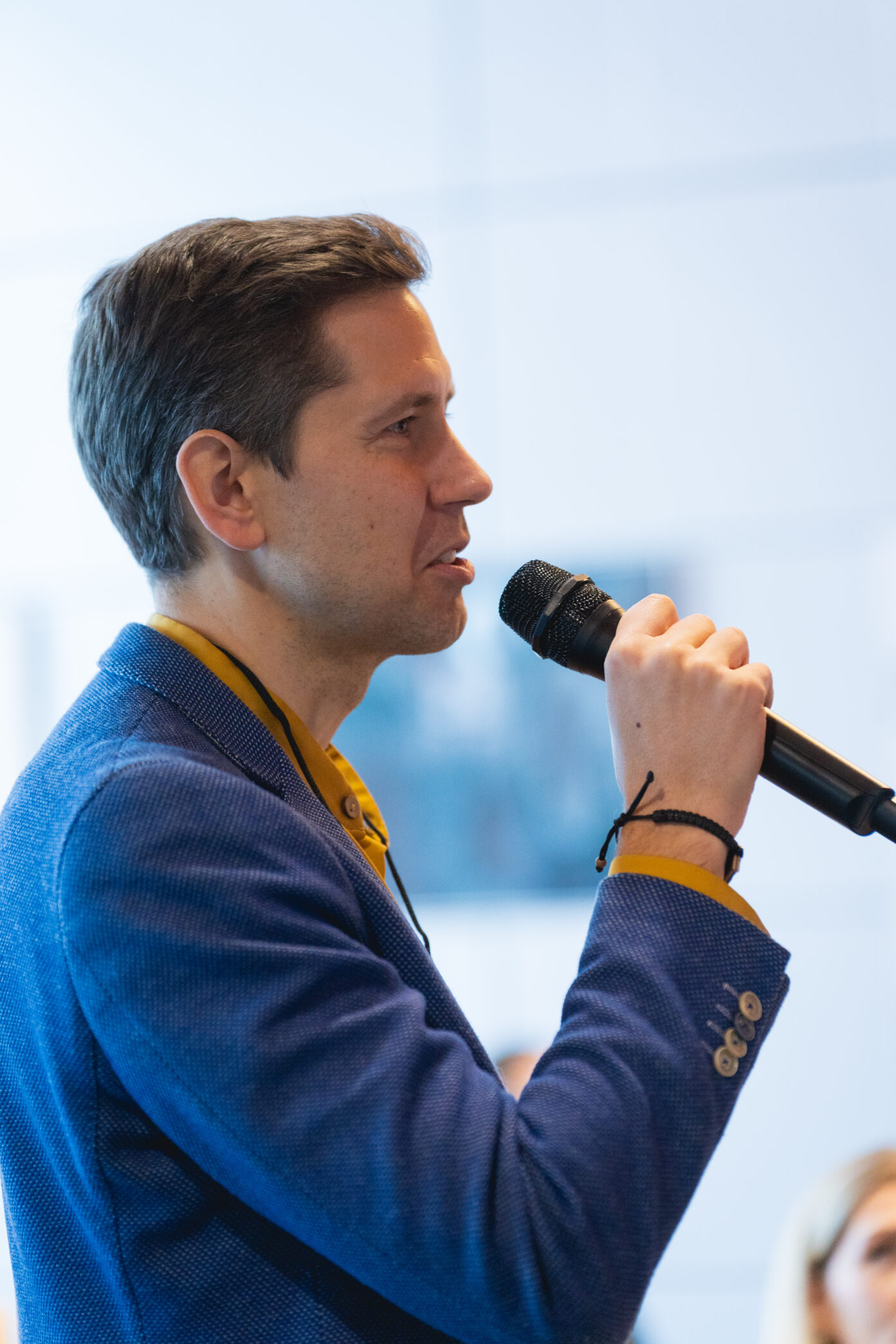
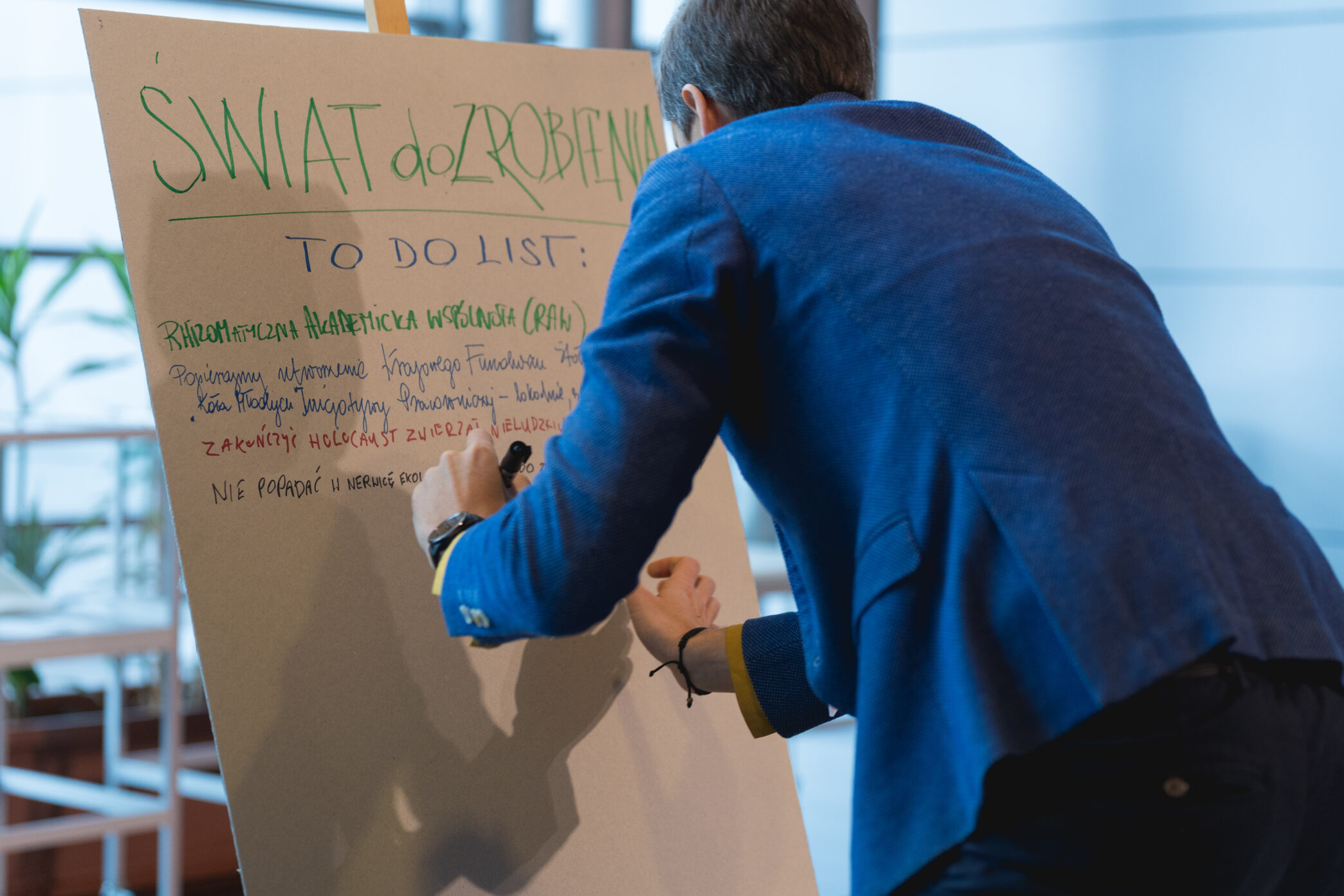
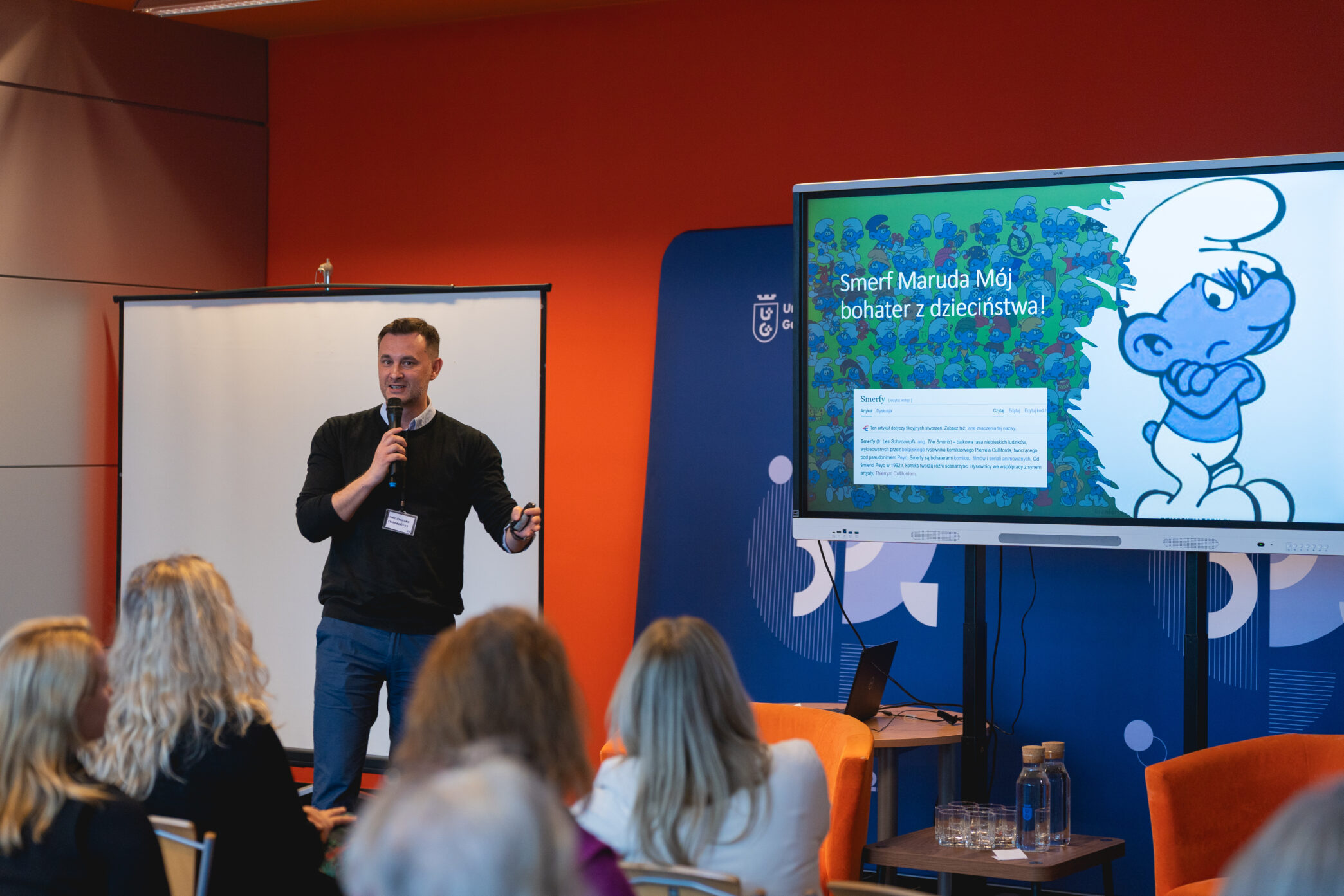
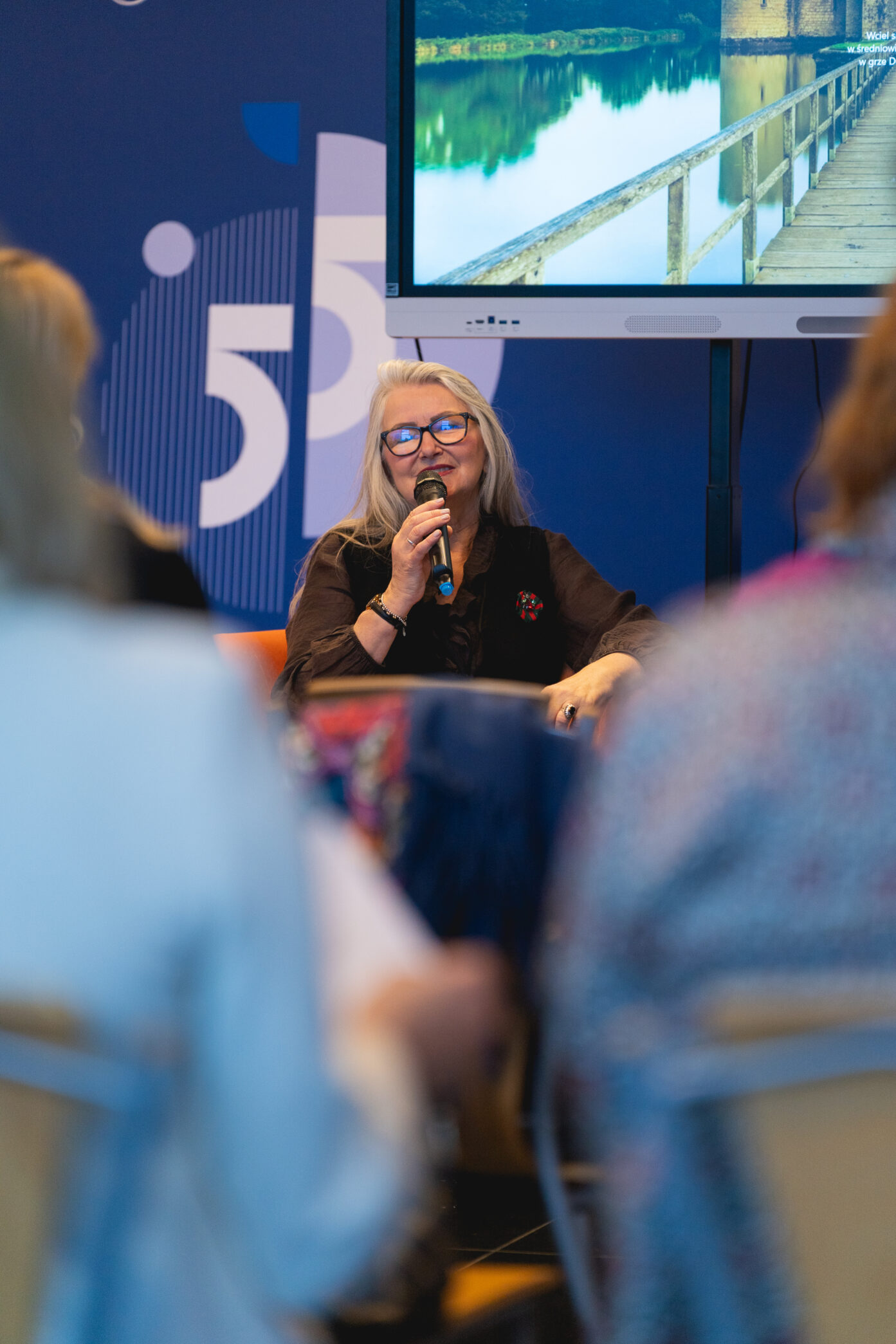
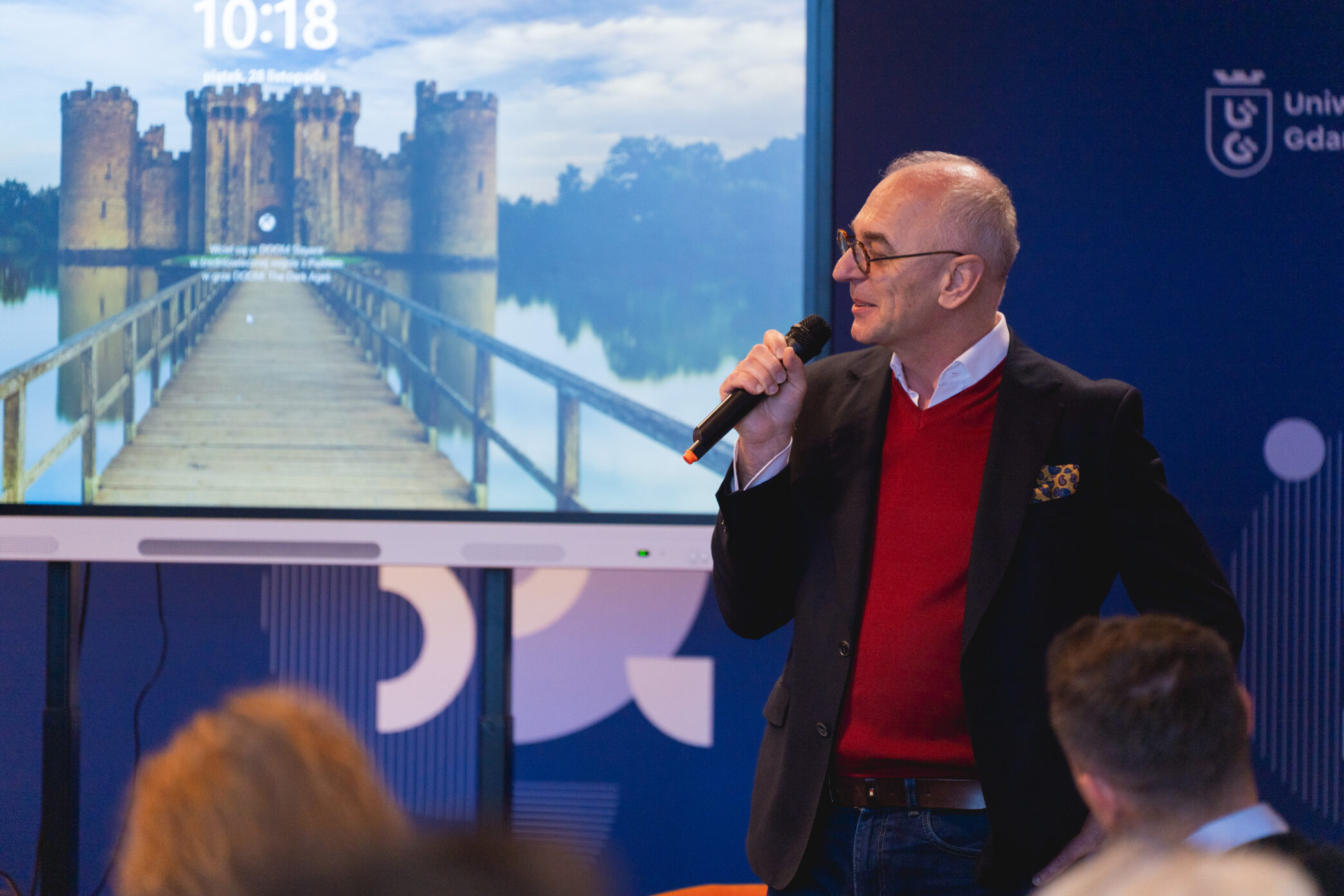
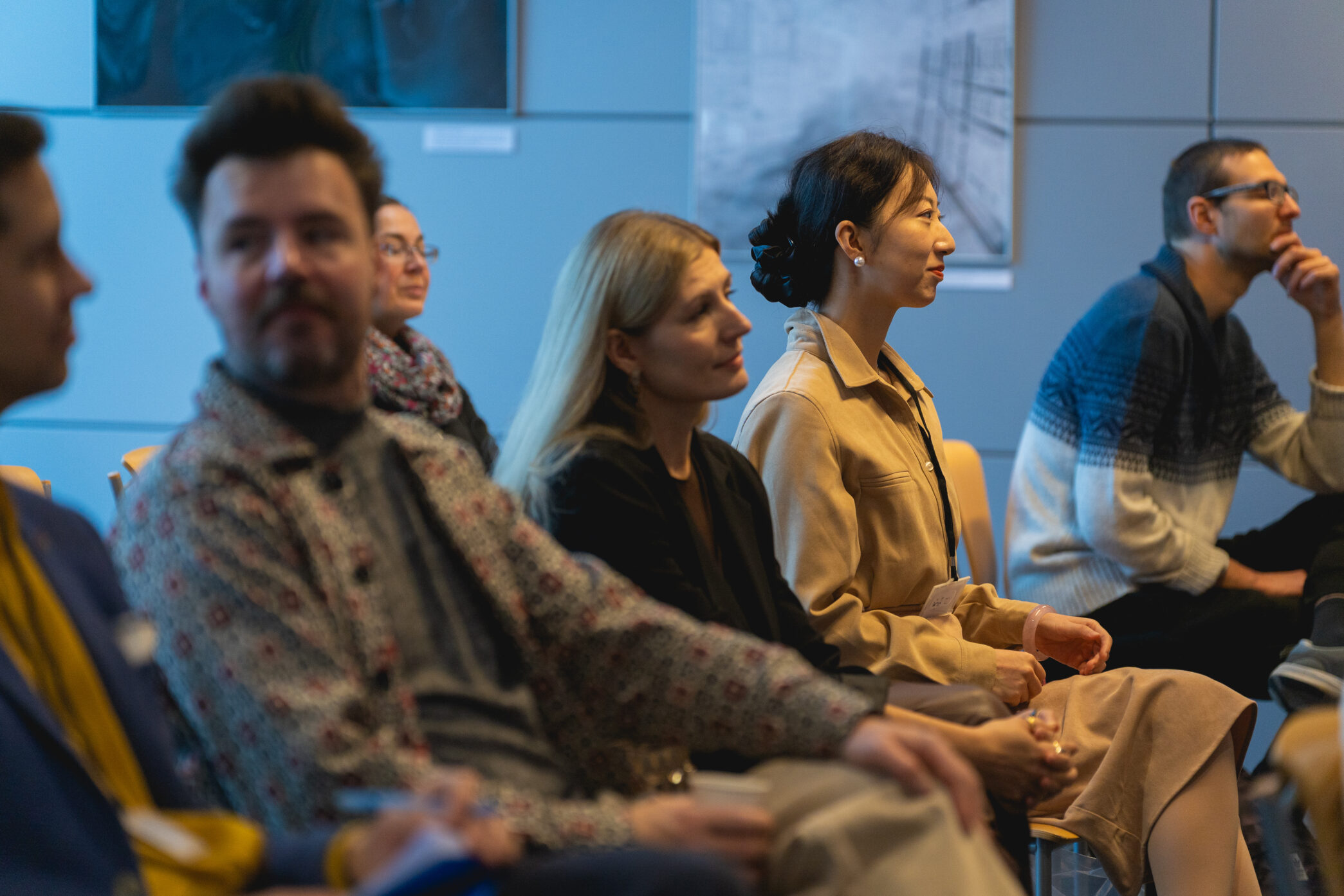
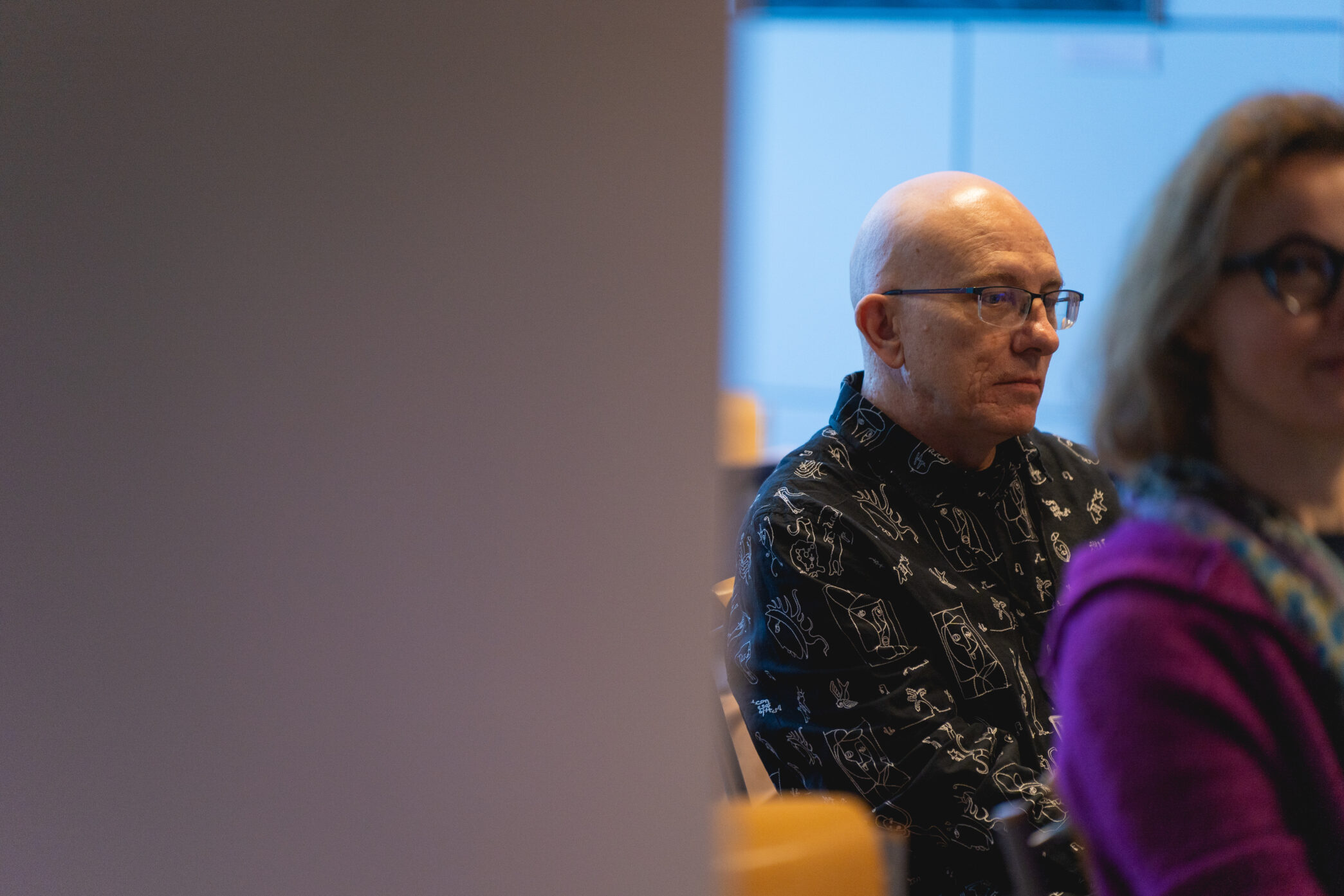
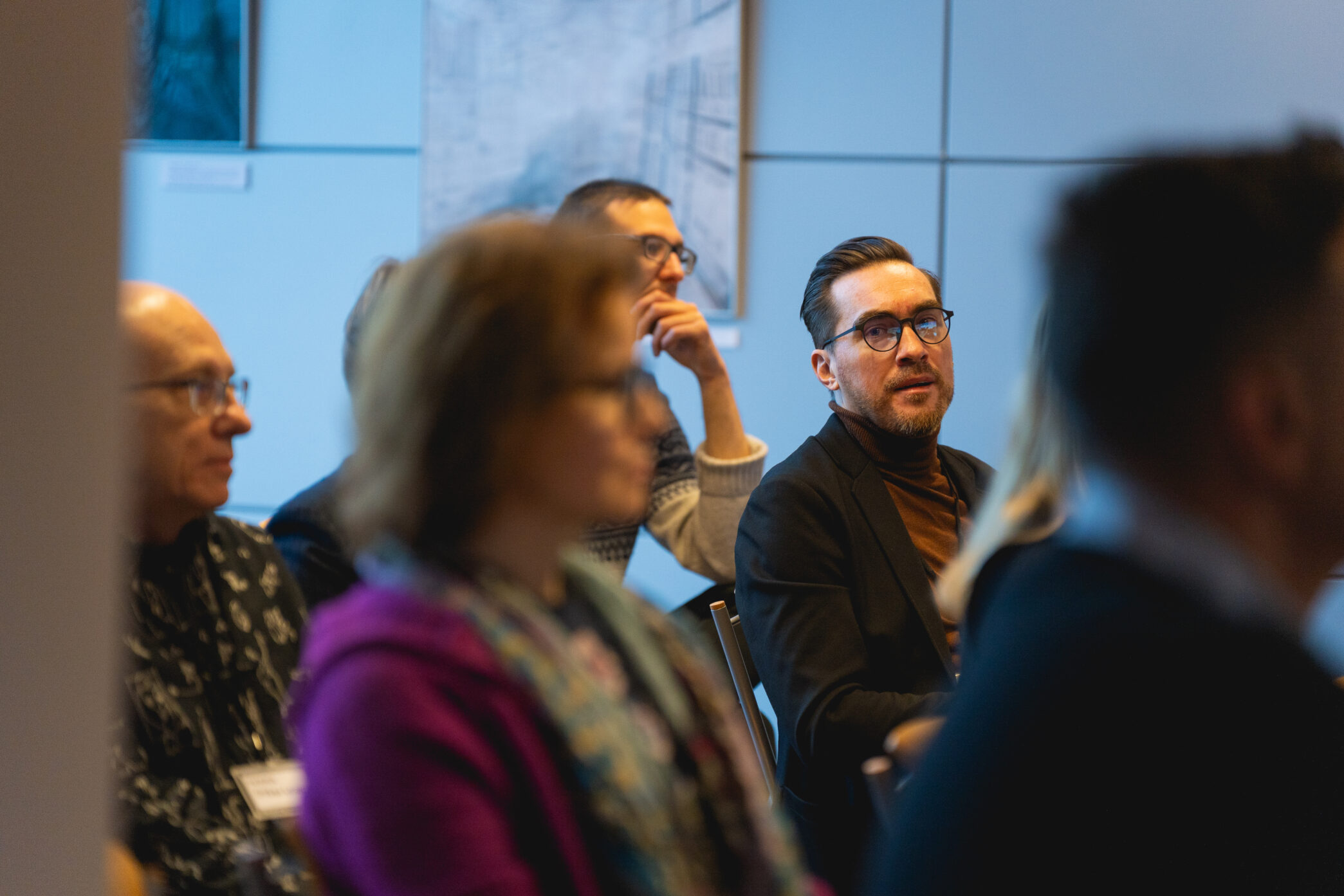
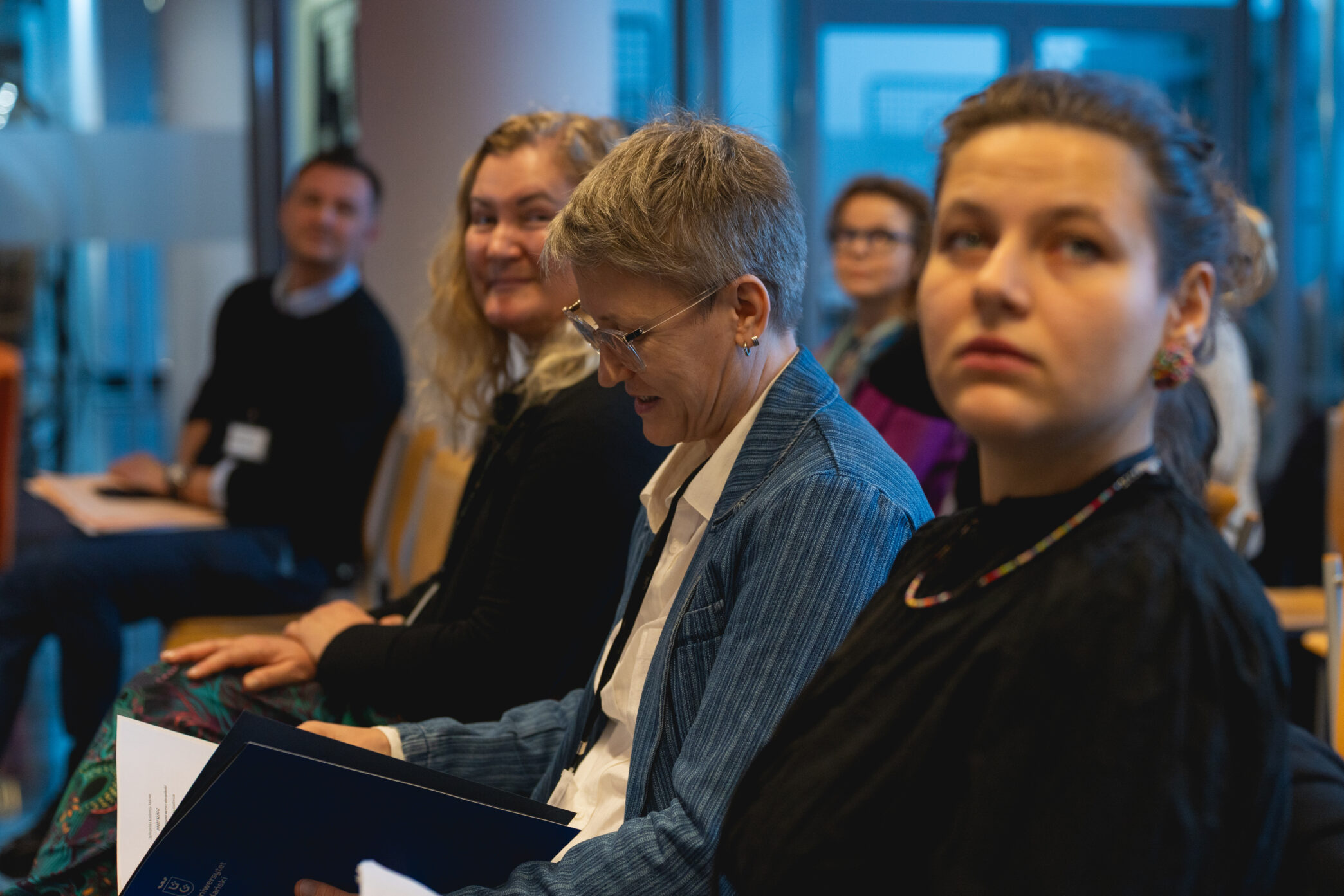
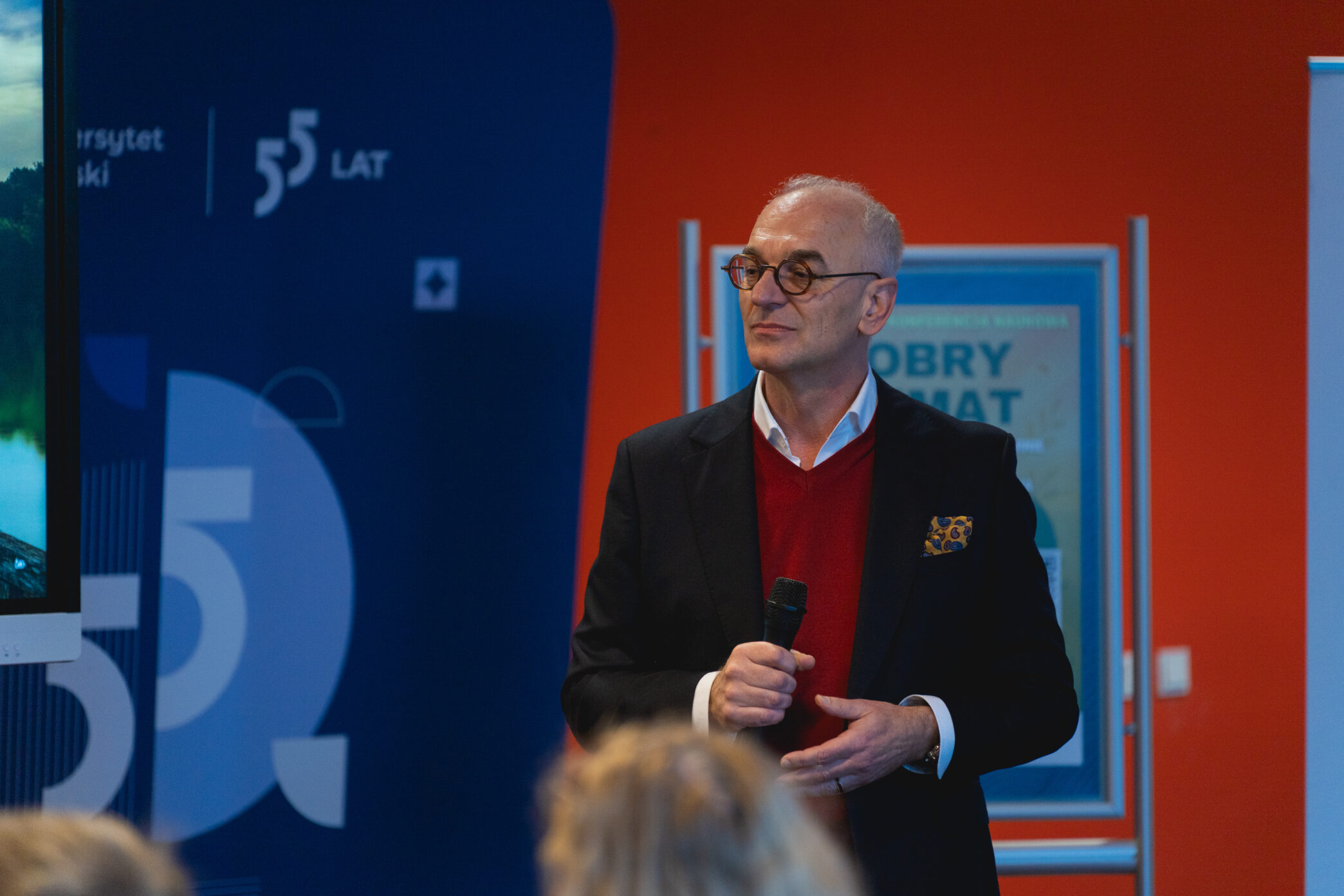
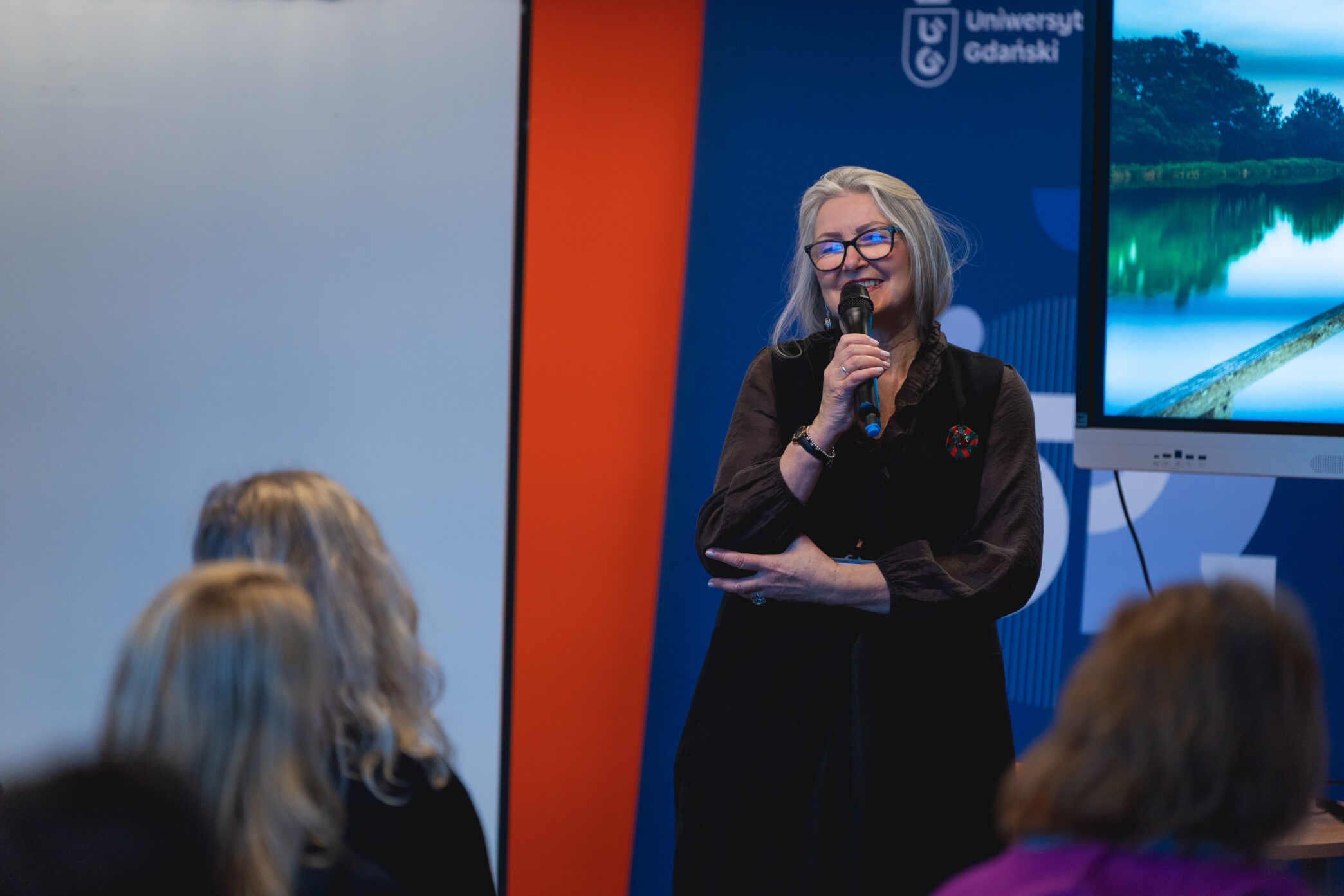
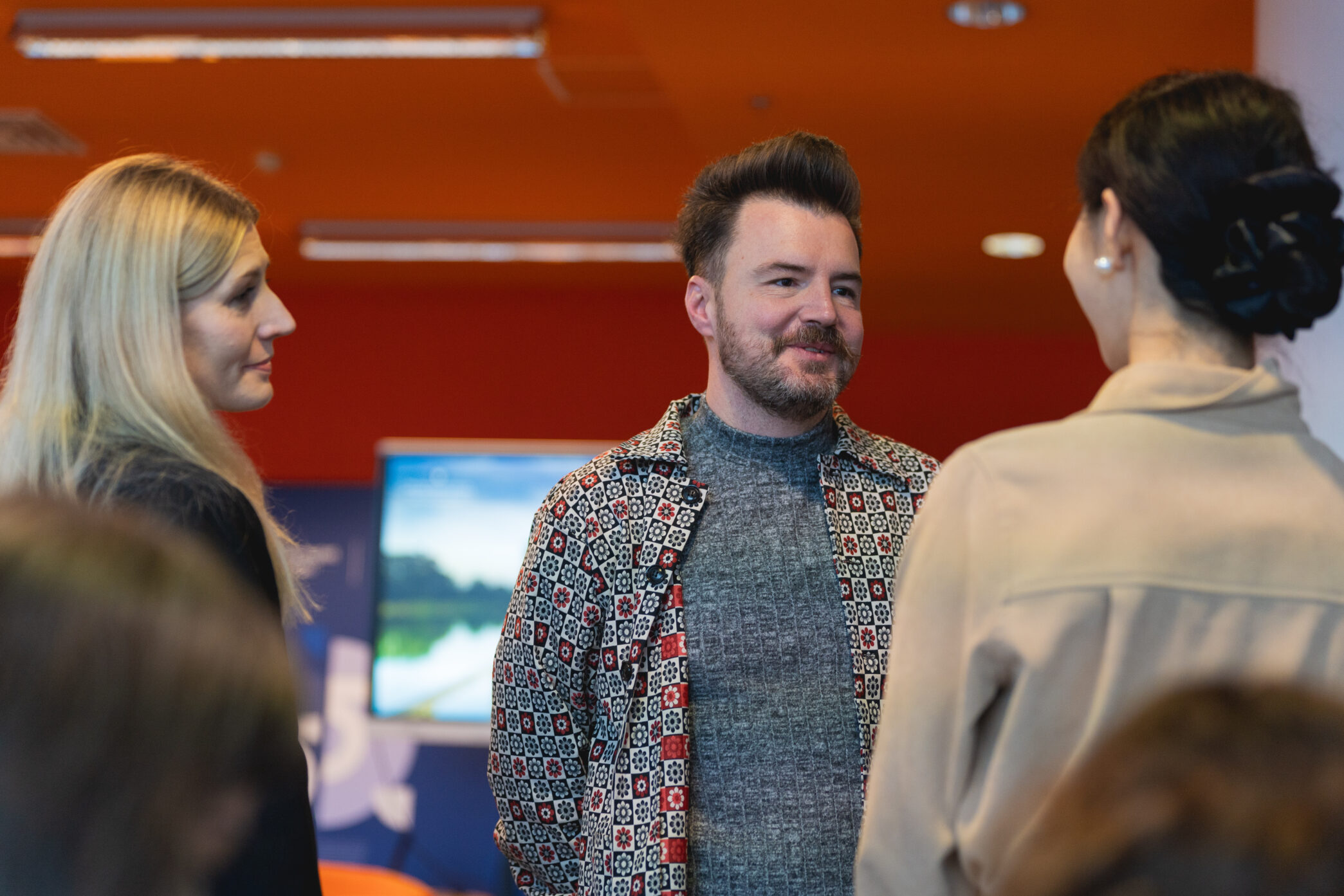
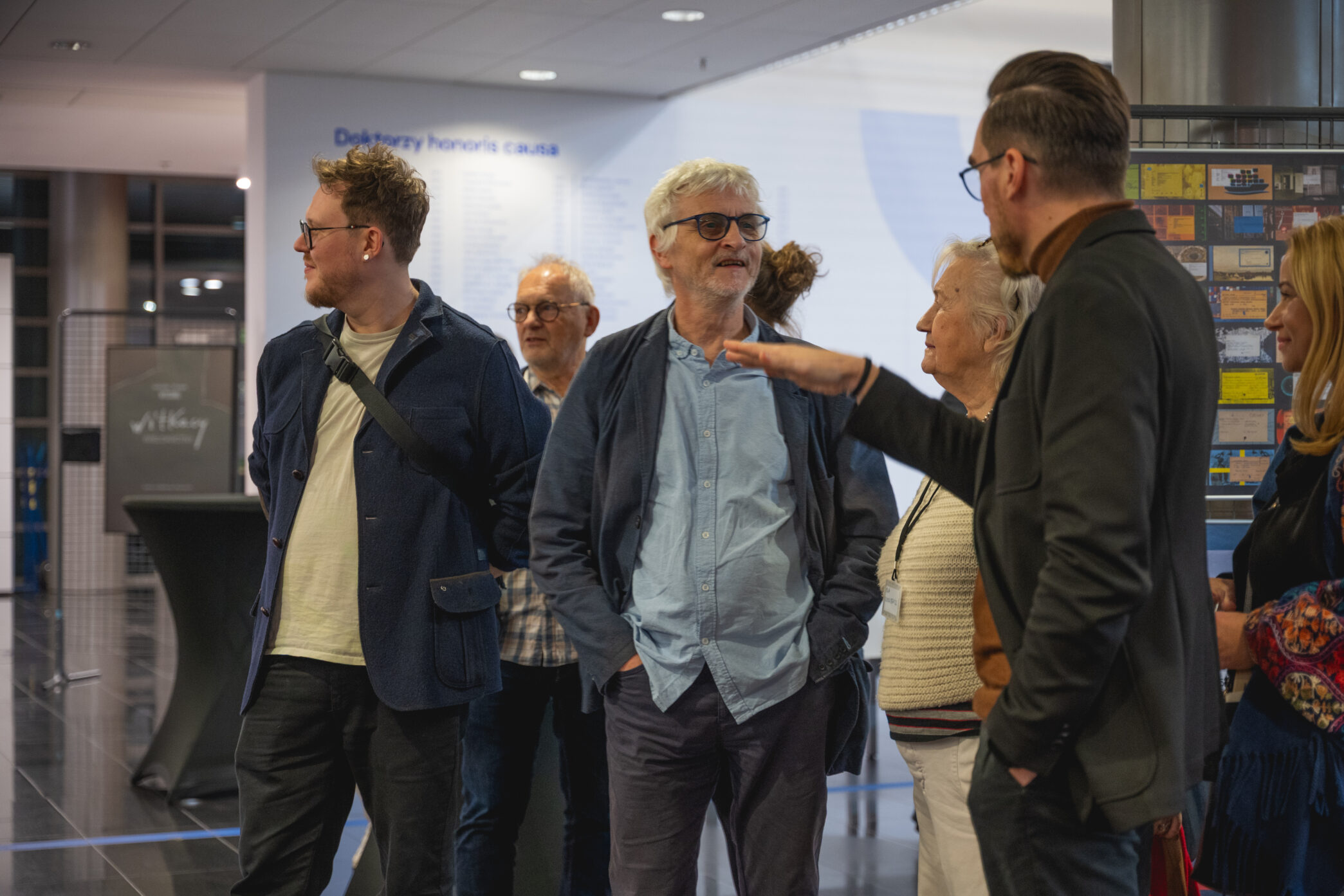
Summing up the conference, participants responded to the proposals recorded during the event, collected under the banner A WORLD TO BE MADE: To-do list. Many of them were reflected in interviews with the speakers and discussants of the conference, recorded in films prepared by the Center for Sustainable Development of the University of Gdańsk and the Center for Event Organization and Media Production of the University of Gdańsk (films available on YouTube). In turn, the photographic material, made available by the Center for Student and Doctoral Activity, documents the atmosphere of heated discussions accompanying the presentation of ideas for A World to Do and the course of individual sessions:
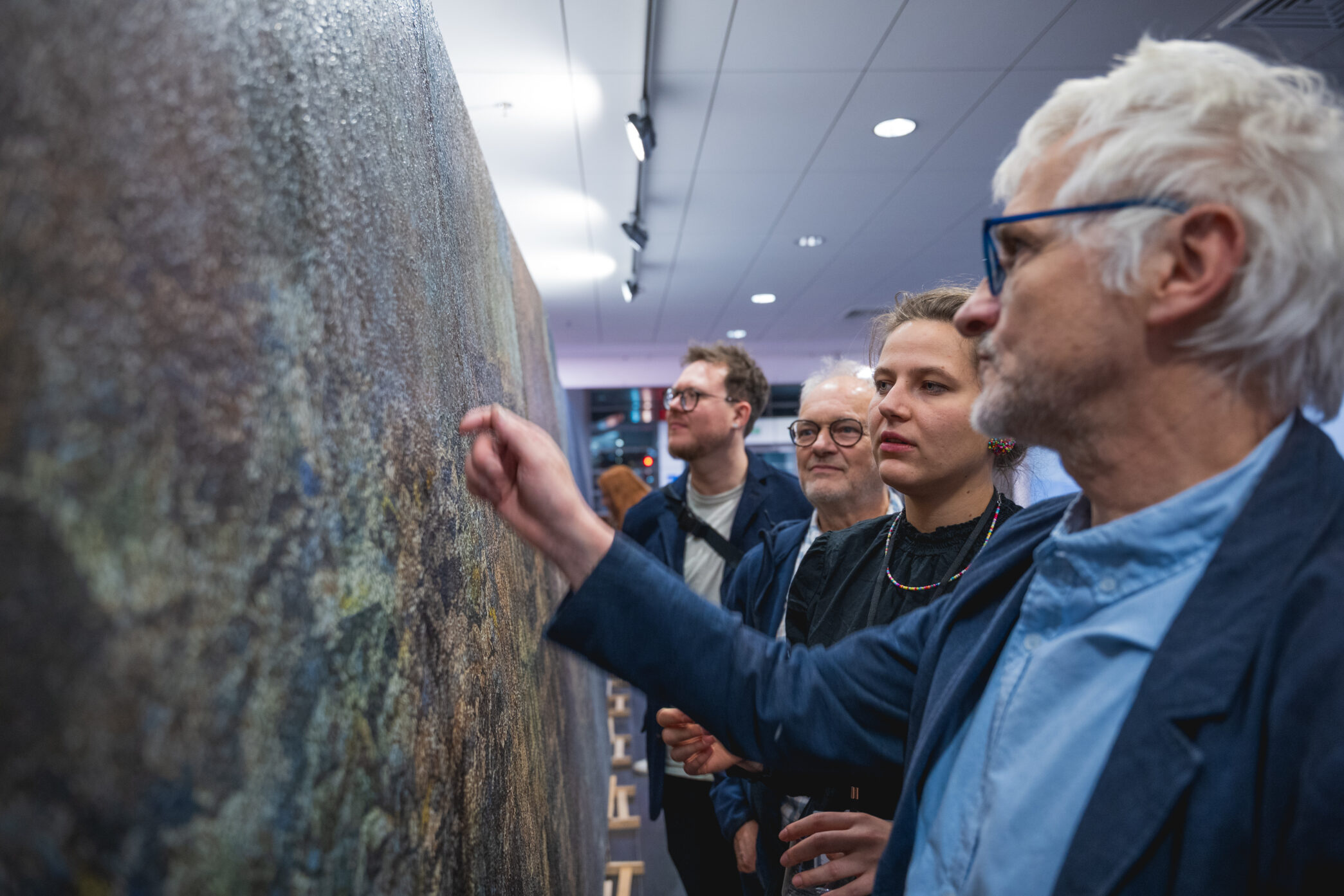
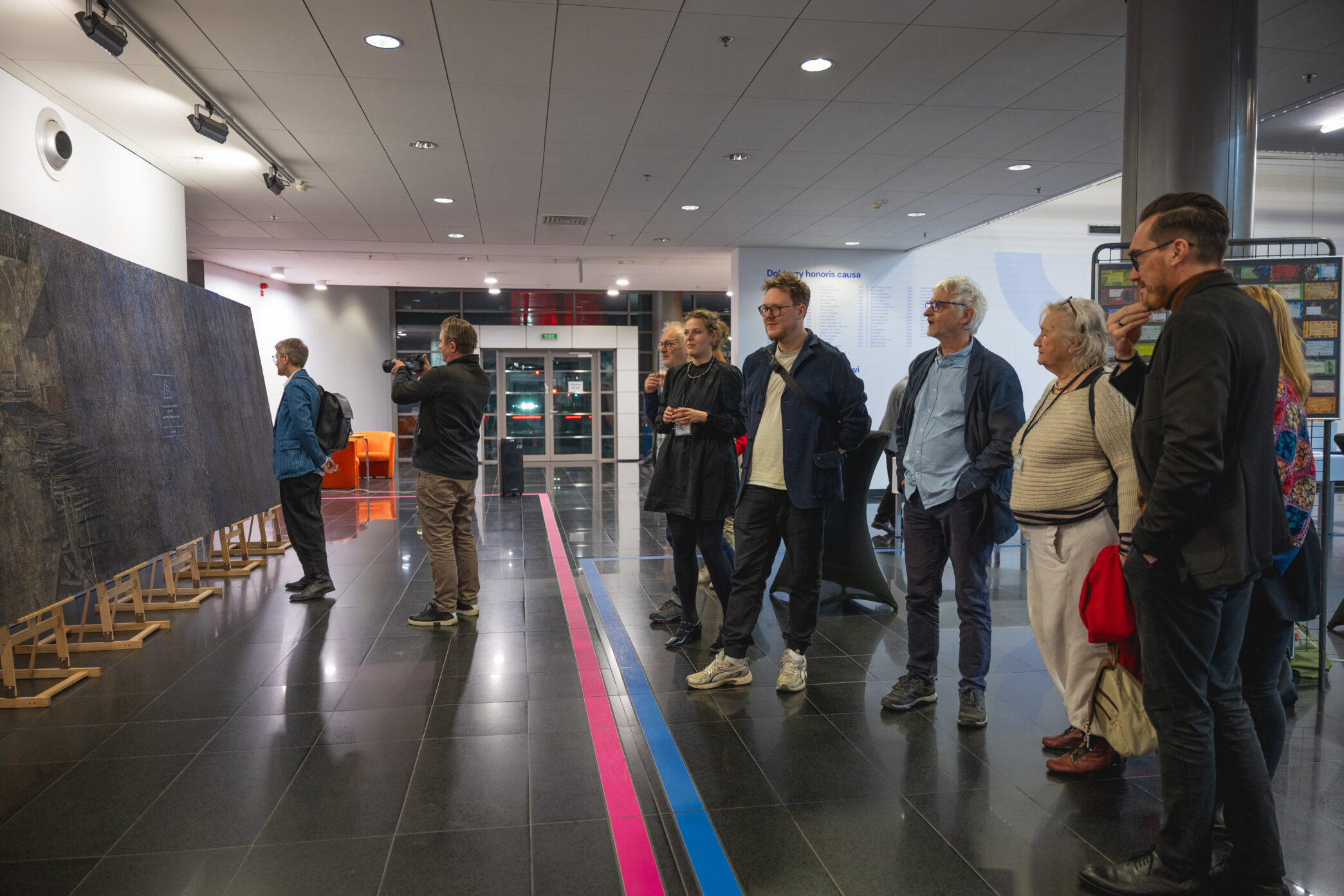
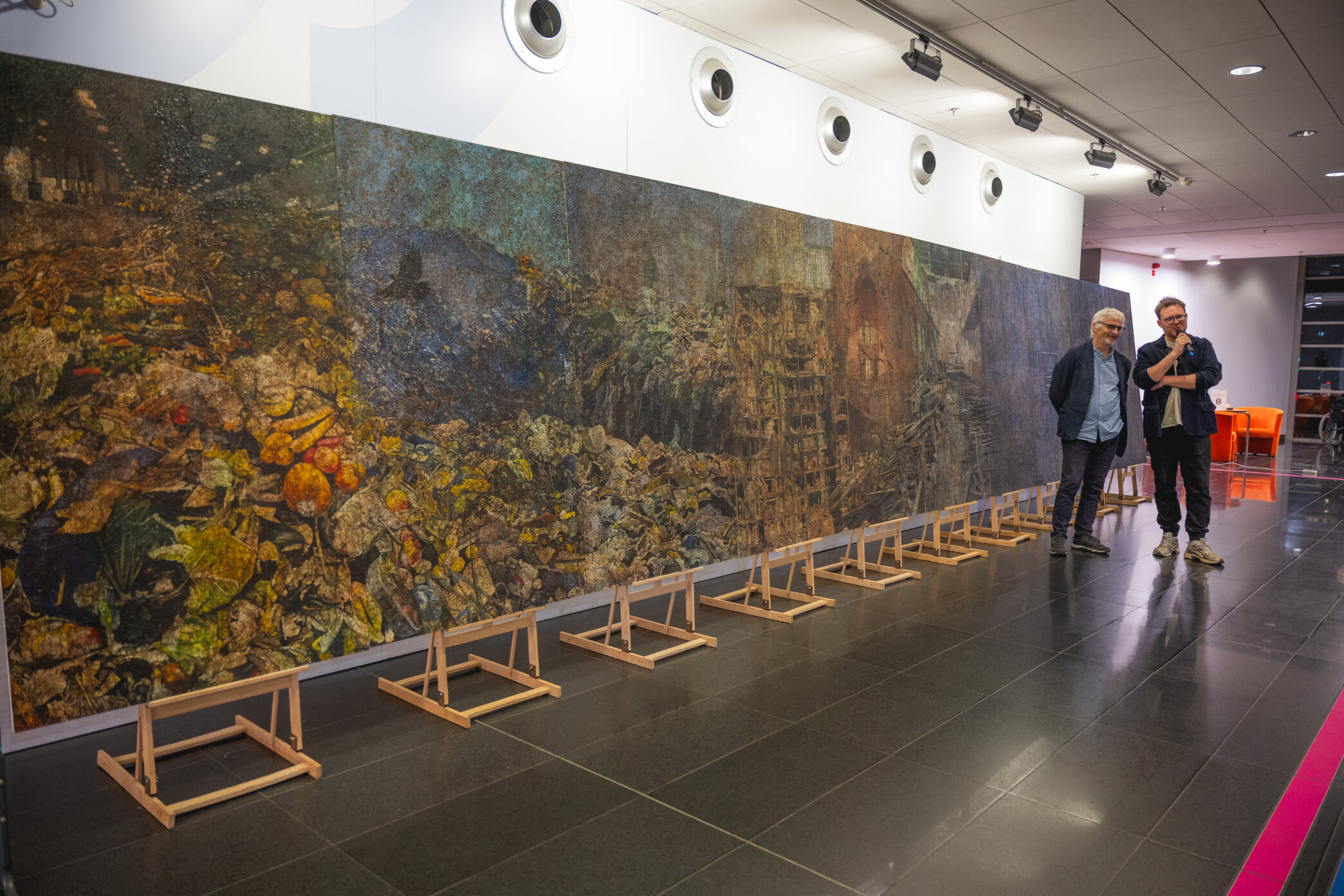
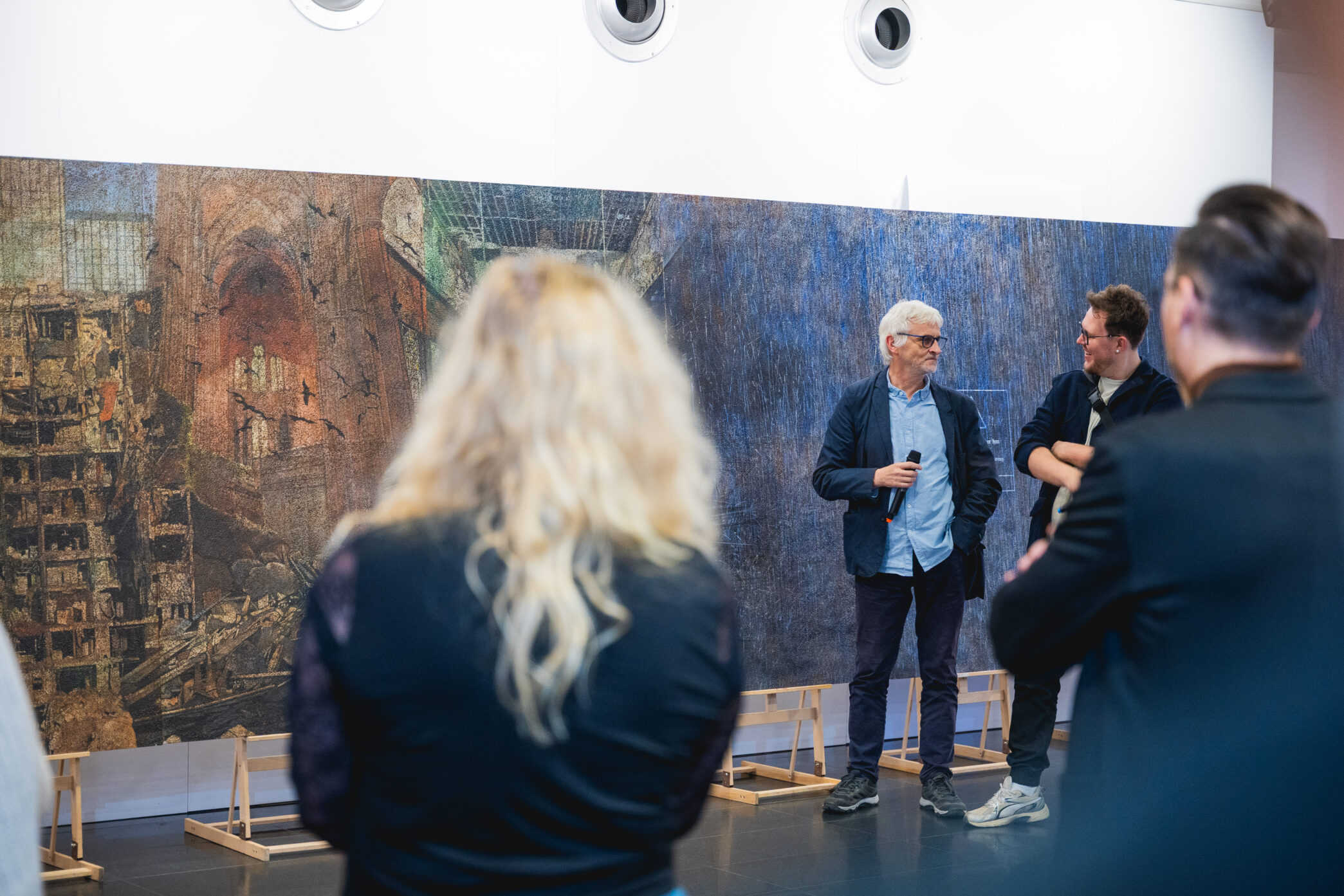
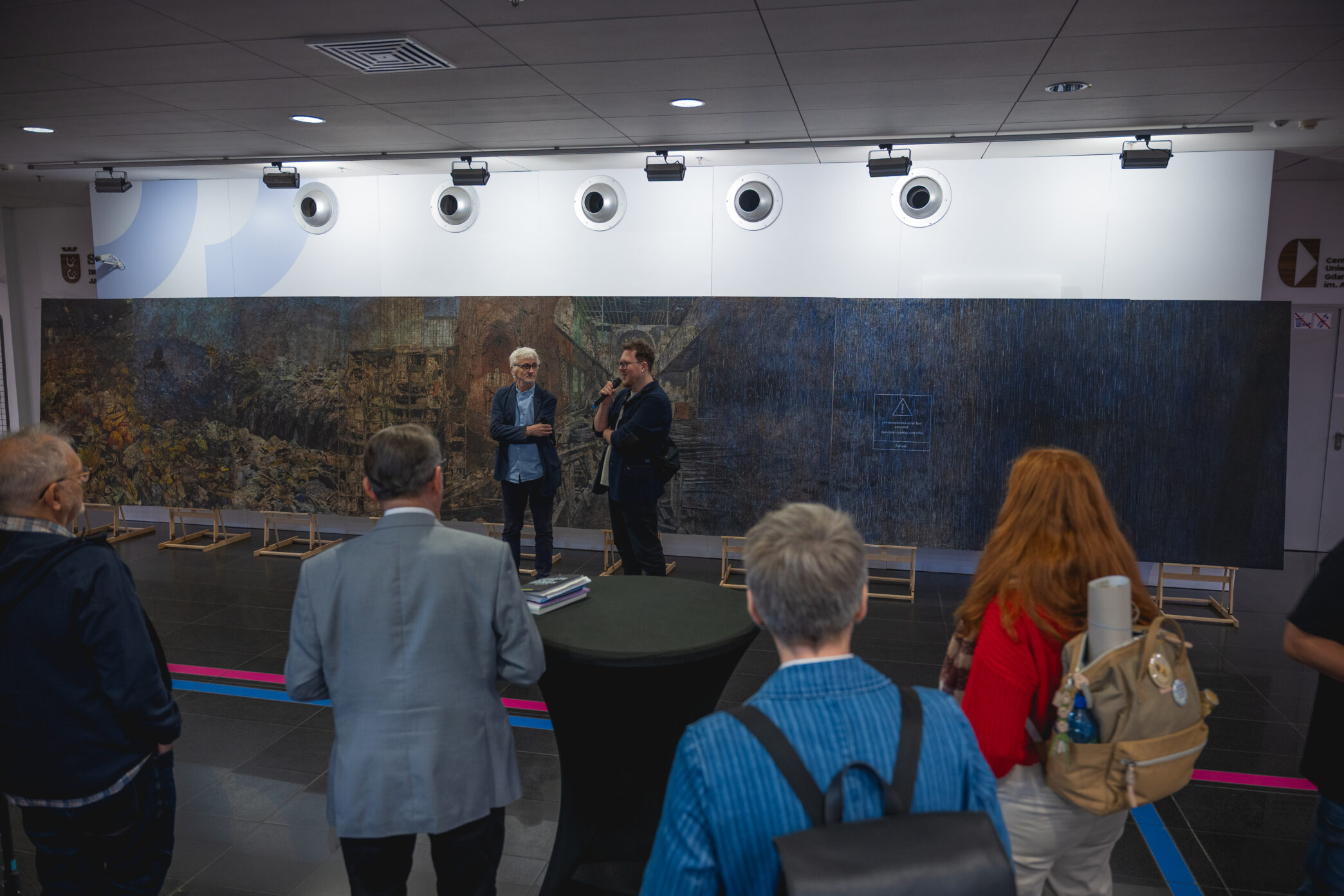
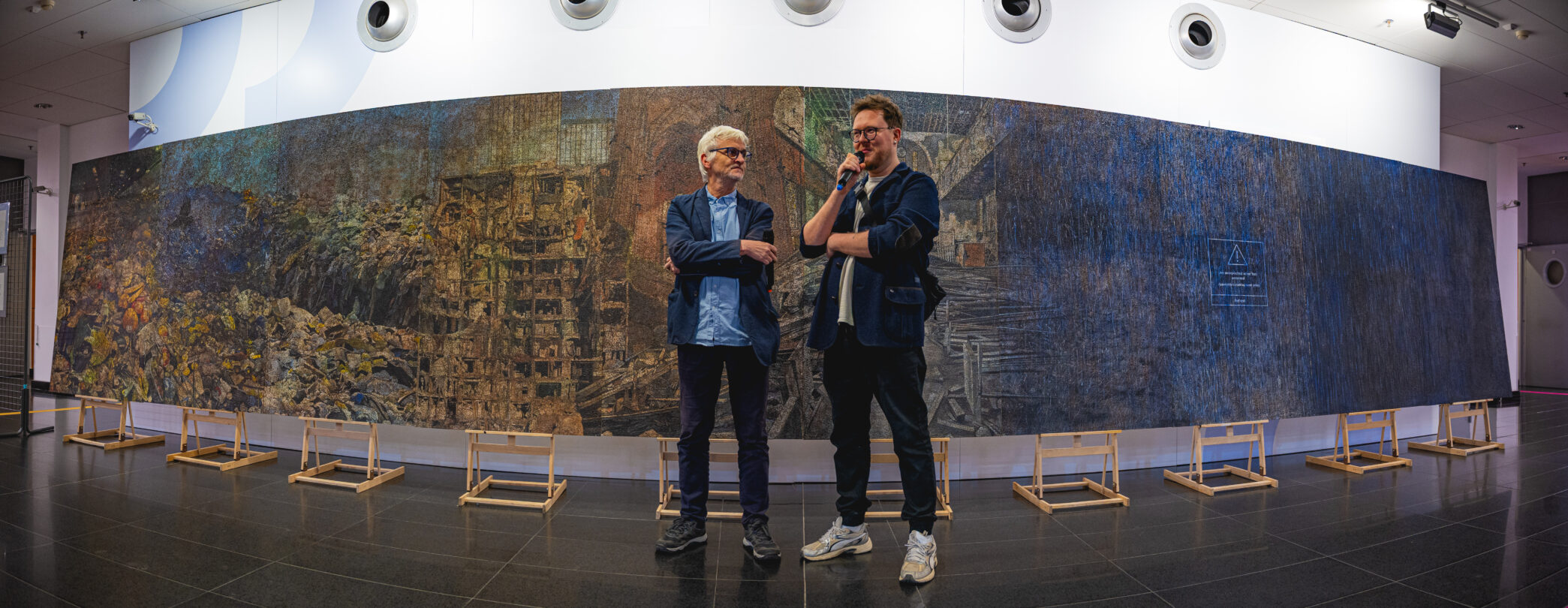
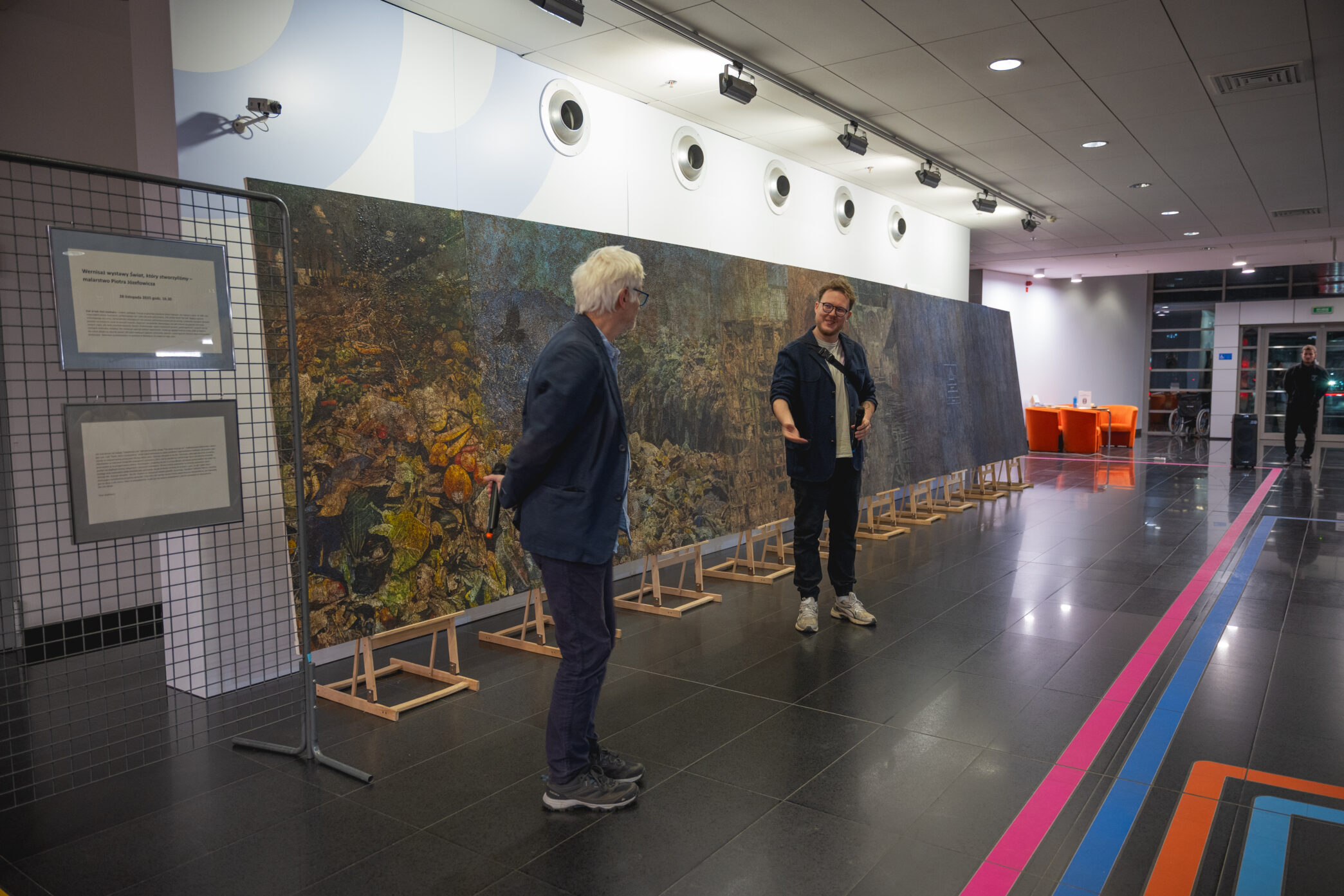
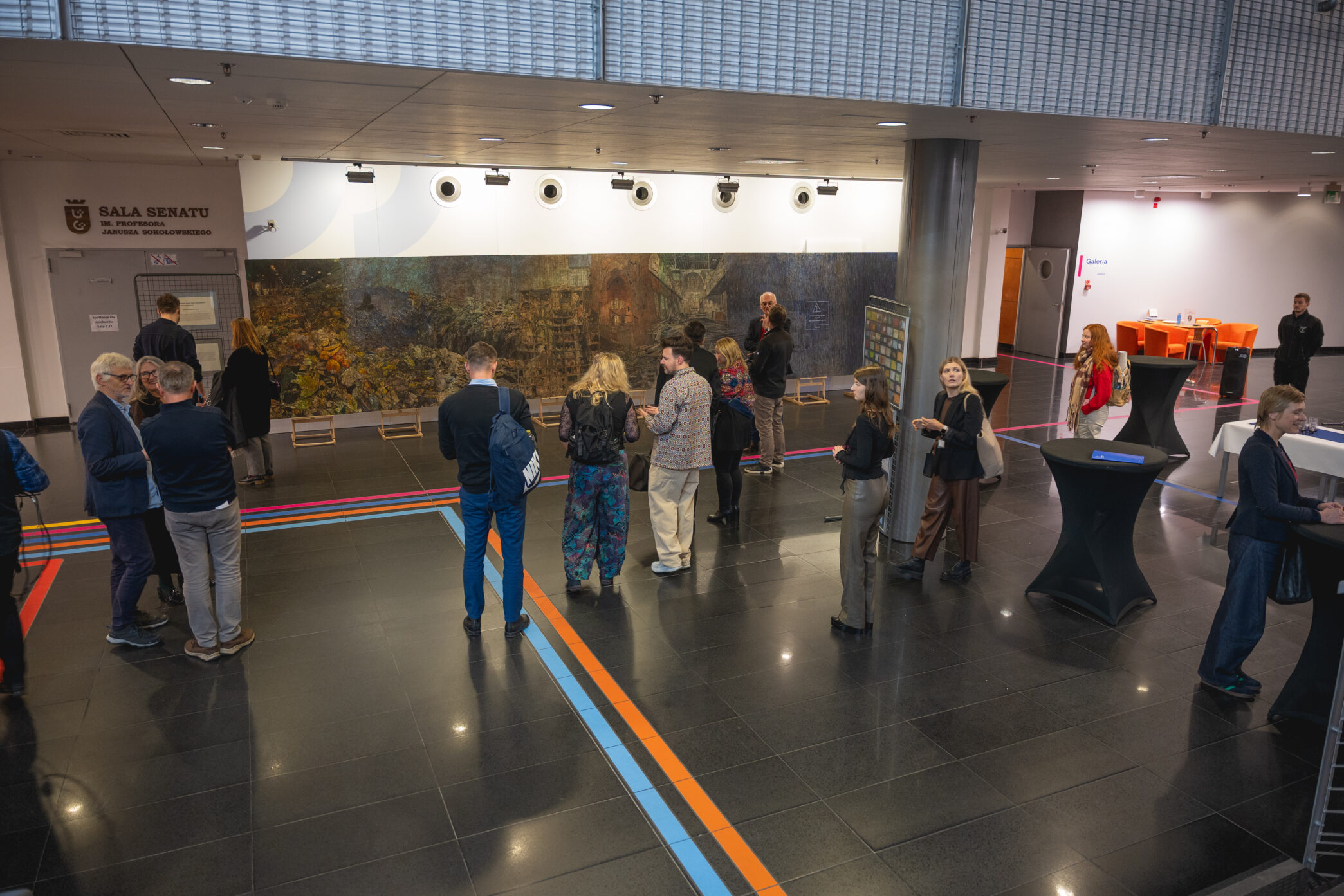
The conference culminated in the opening of an exhibition of paintings by Prof. Piotr Józefowicz from the Academy of Fine Arts in Gdańsk, entitled “The World We Have Created.” The fragment of the series “THE SHOW MUST GO ON” presented at the University of Gdańsk Library—which has been ongoing since 1985 and continues to grow with new parts—became not only an artistic commentary on the theme of the conference, but also an important contribution by the artist to the realization of its goals. As he said, the ambiguous, fragmentary narrative of the paintings forces the viewer to reflect on the processes of change and responsibility for “the world we have created”. The exhibition will run until the end of this year.