

What strategies for survival and creative resistance does literature and culture develop in the face of violence? Is there an effective way out of trauma? These questions were tried to be answered at the international conference “(Post)Dependent Resistance. On attempts to liberate oneself from violence in literature and culture,” which took place October 20-23 at the University of Gdansk and the Baltic Sea Cultural Center.
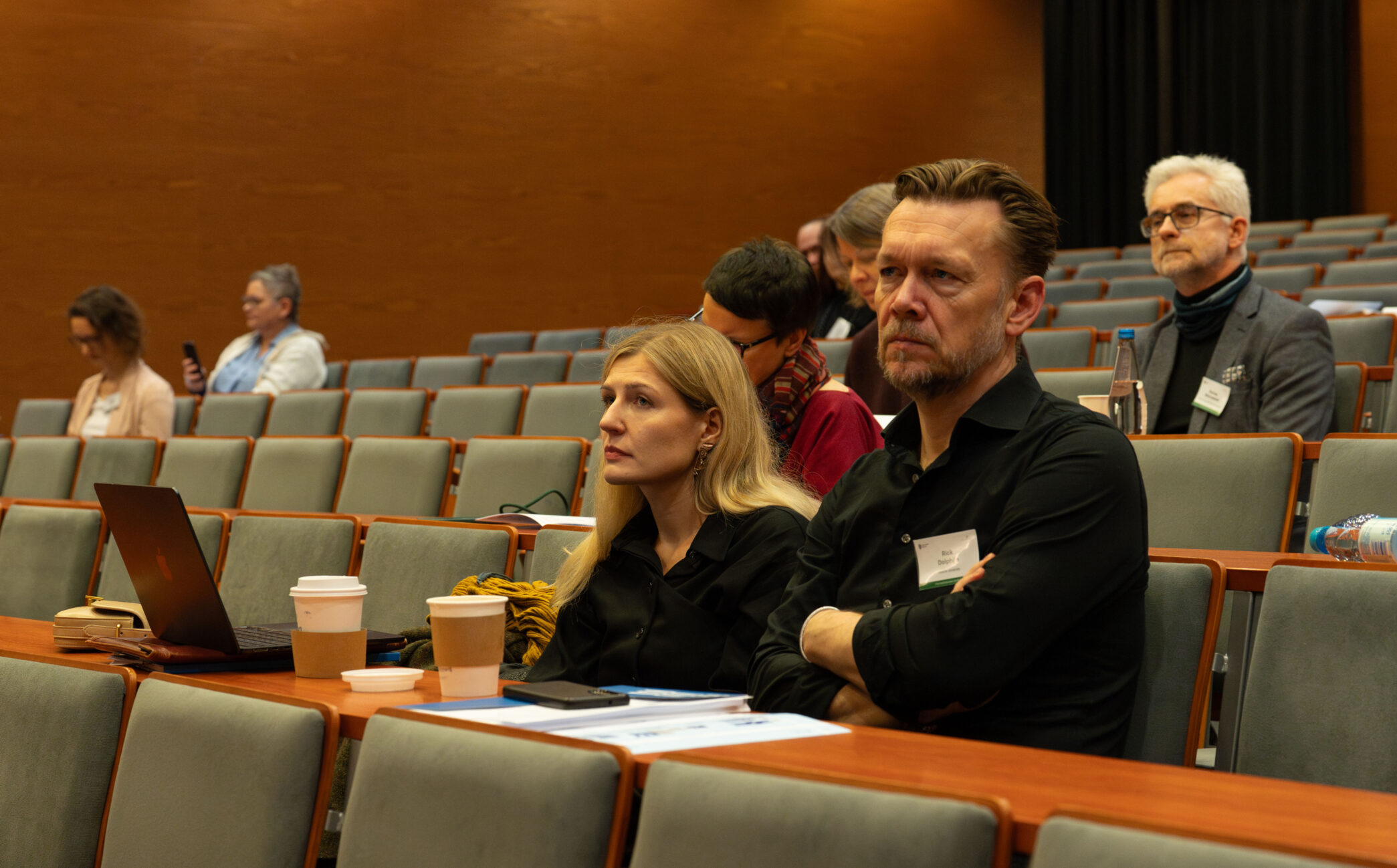
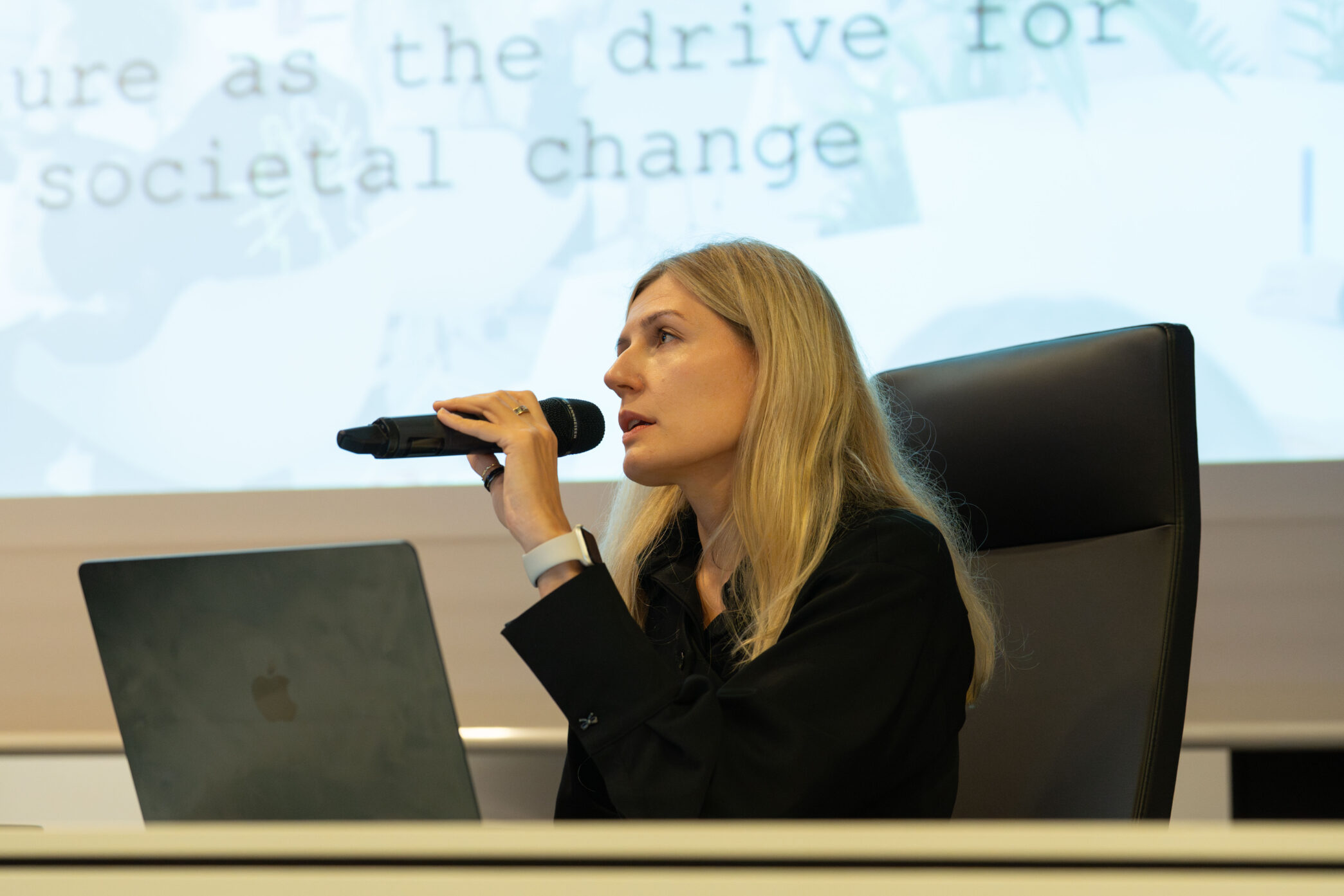
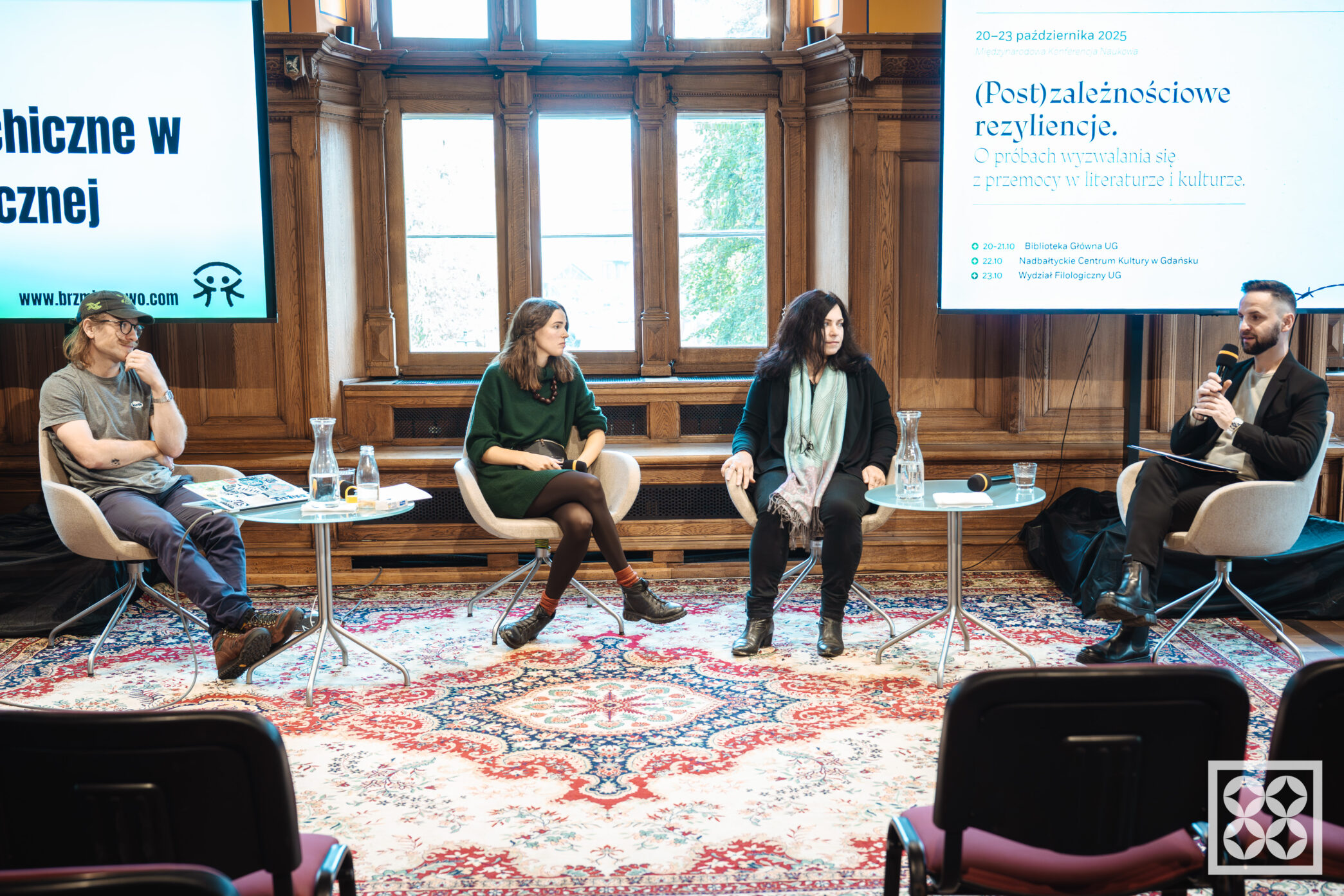
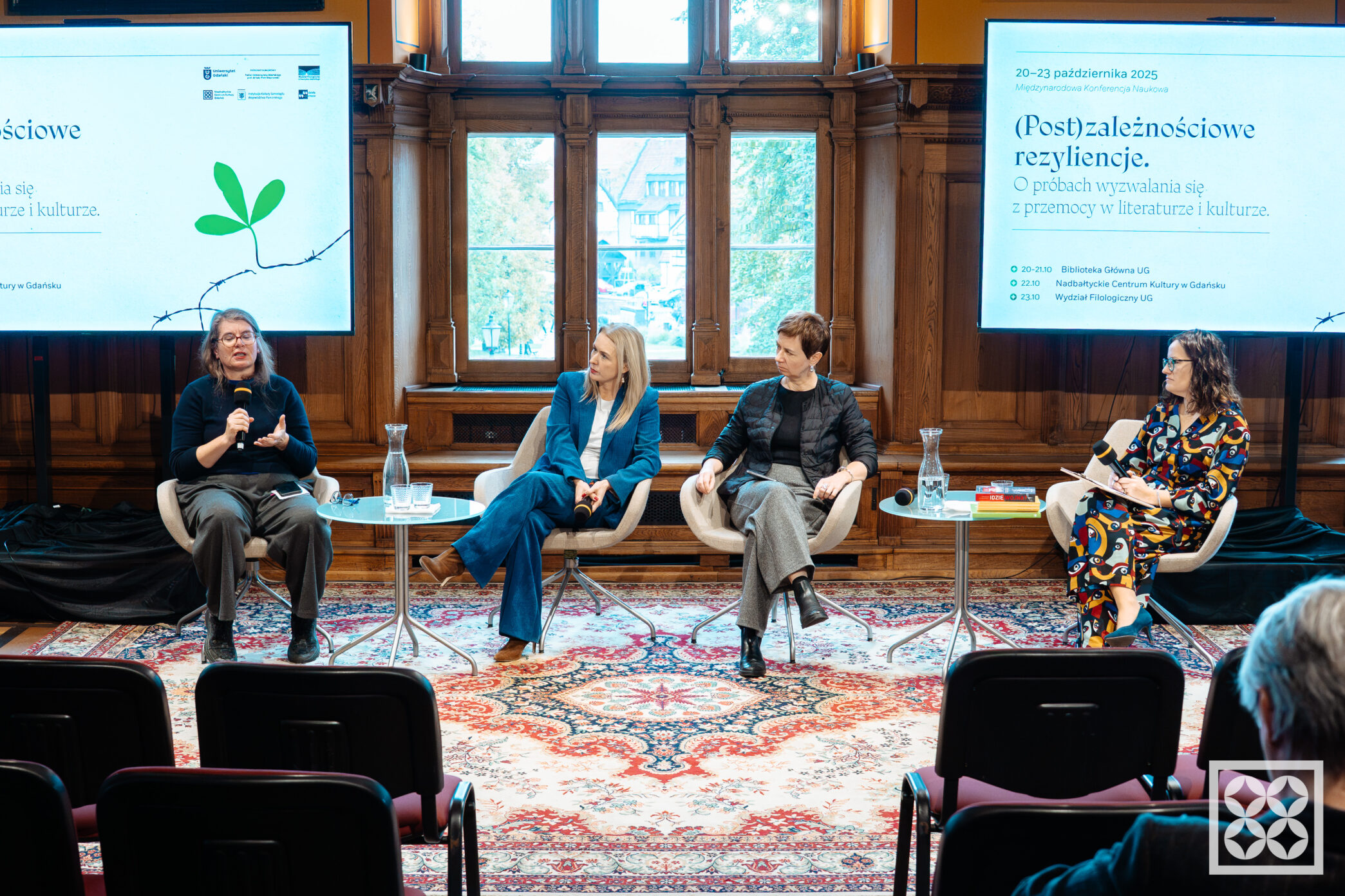
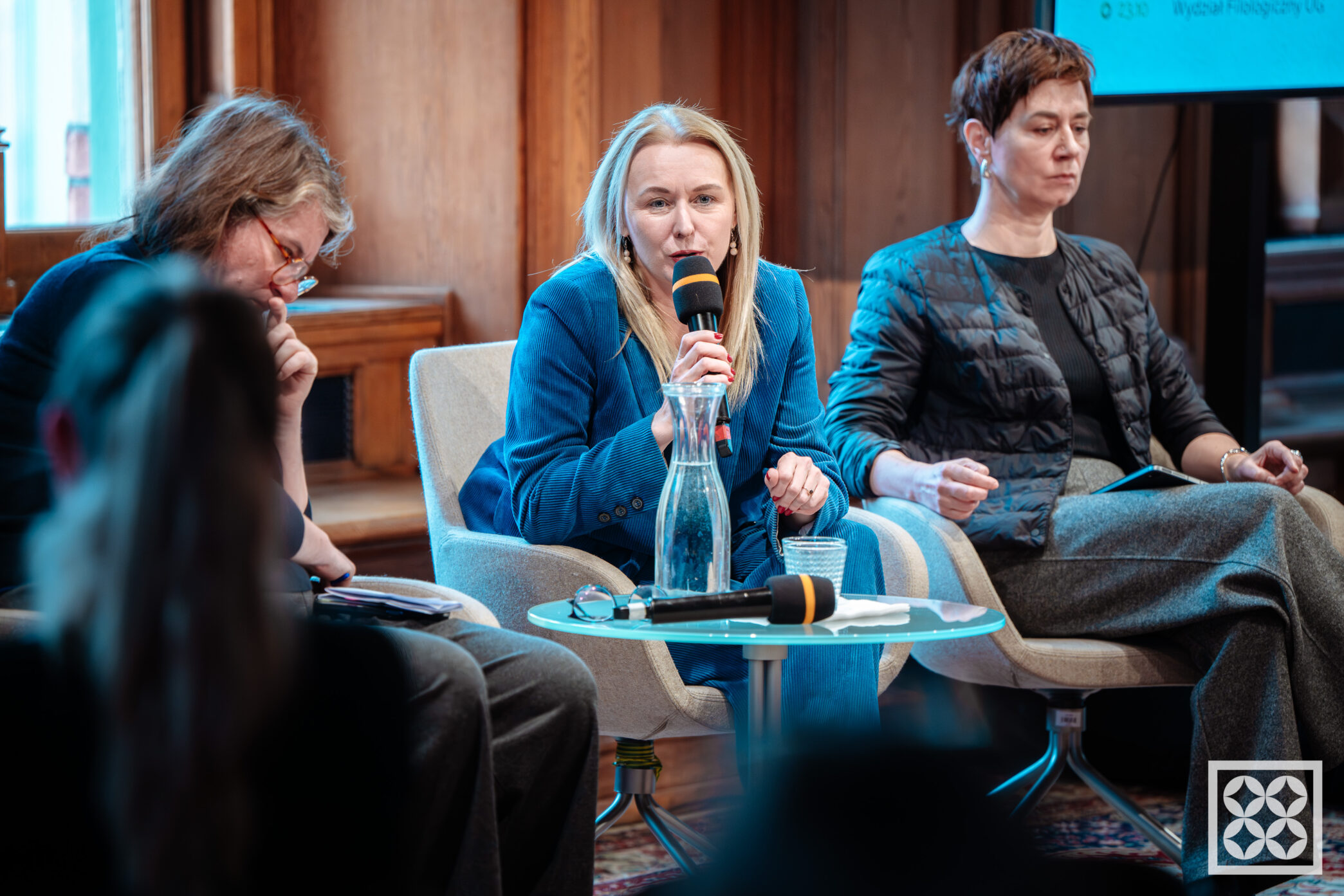
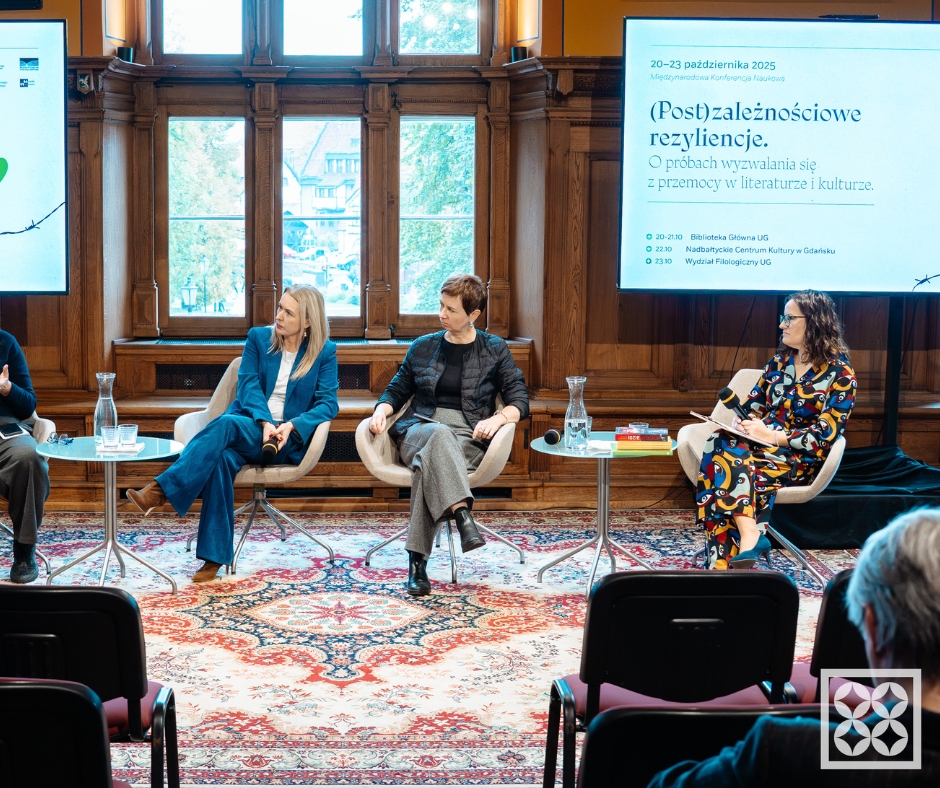
Photo: Jacek Klejment, Bartłomiej Jętczak
During the conference, researchers considered how literature, art and culture are becoming spaces of resistance, reworking violence and building new forms of community. Prominent humanists and practitioners from Poland, including Prof. Michal Bilewicz and Prof. Stefan Chwin, as well as guests from Utrecht, Brock University and Université de Lorraine, presented their perspectives.
– Violence is eternal and is a condition of existence on Earth. Such a violent core is also present in Polish culture, which to a large extent is a praise of violence, because next to violence as an action – physical and symbolic violence also happens to be the most effective form of residency. Those who have suffered violence dream and dream of retaliation,” said Prof. Stefan Chwin in a lecture titled. “The Culture of Residence and the Violent Principle of Existence”, arguing that the young Mickiewicz was a patriotic violent man when he wrote “Let rape be imprinted with rape, and with weakness let us learn to break while we are young.”
____________
Conference organizers: Faculty of Philology of the University of Gdansk and the Baltic Sea Cultural Center in Gdansk.
The Center for Sustainable Development was represented at the Conference by Director Dr. hab. Sylwia Mrozowska, Prof. UG, who participated in the panel “Resilience in Cultural and Scientific Institutions” and Dr. Irena Chawrilska, Coordinator of the More-than-Human Studies Lab CZRUG program.
Source and text of note: Urszula Abucewicz/CKiP; photo: Bartłomiej Jętczak/CKiP