

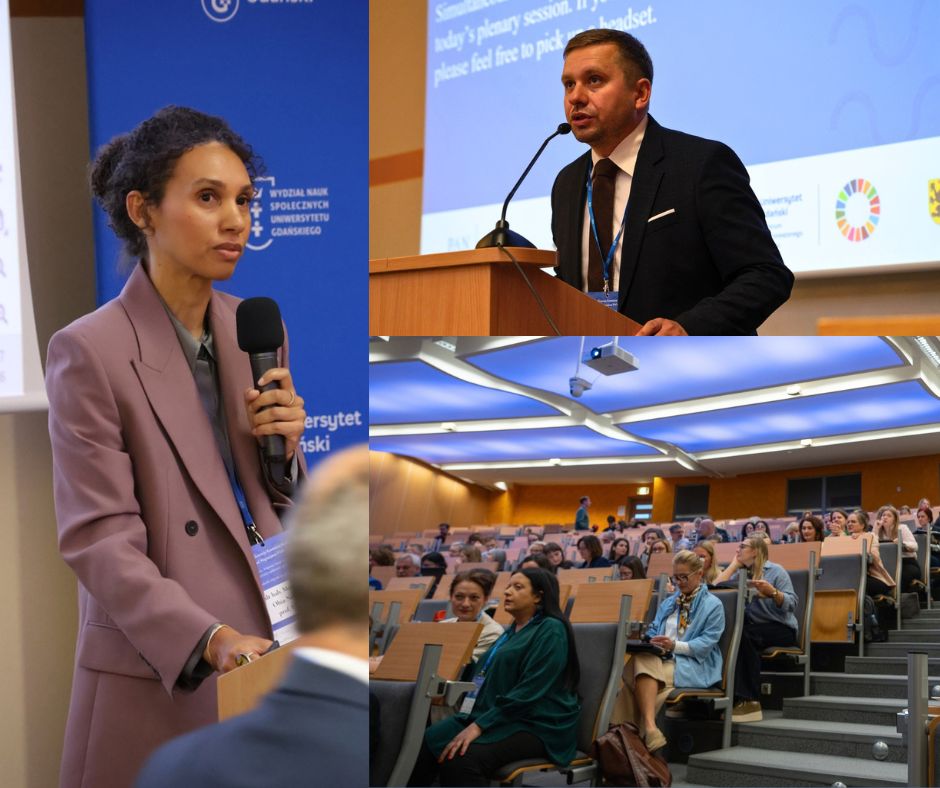
Over 300 researchers gathered in Gdańsk and Gdynia for the 15th Jubilee Conference of the Committee for Migration Studies of the Polish Academy of Sciences, which took place from 23 to 25 September 2026 under the theme ‘Emigration, immigration and integration in an era of social and political polarisation’.
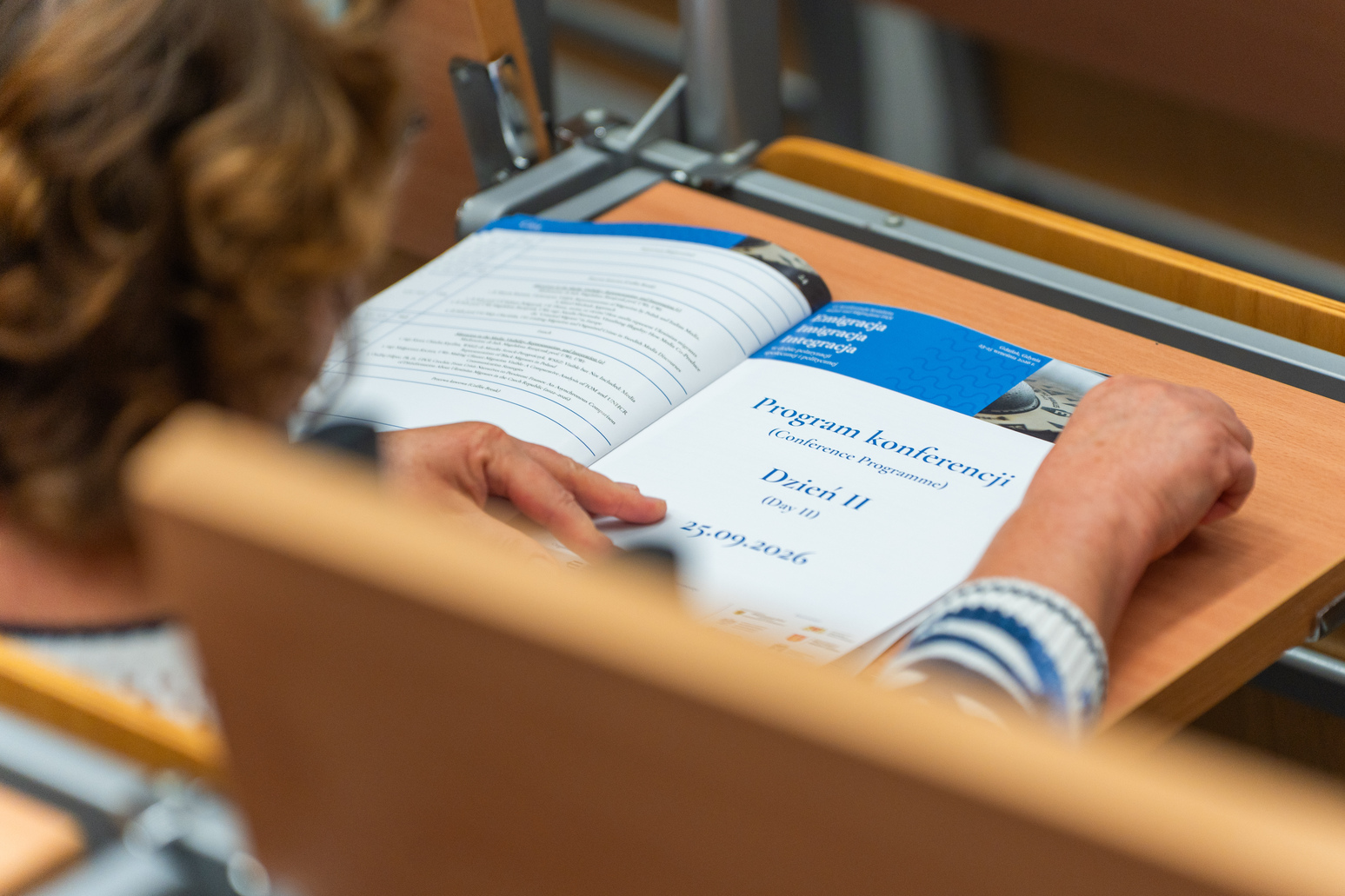
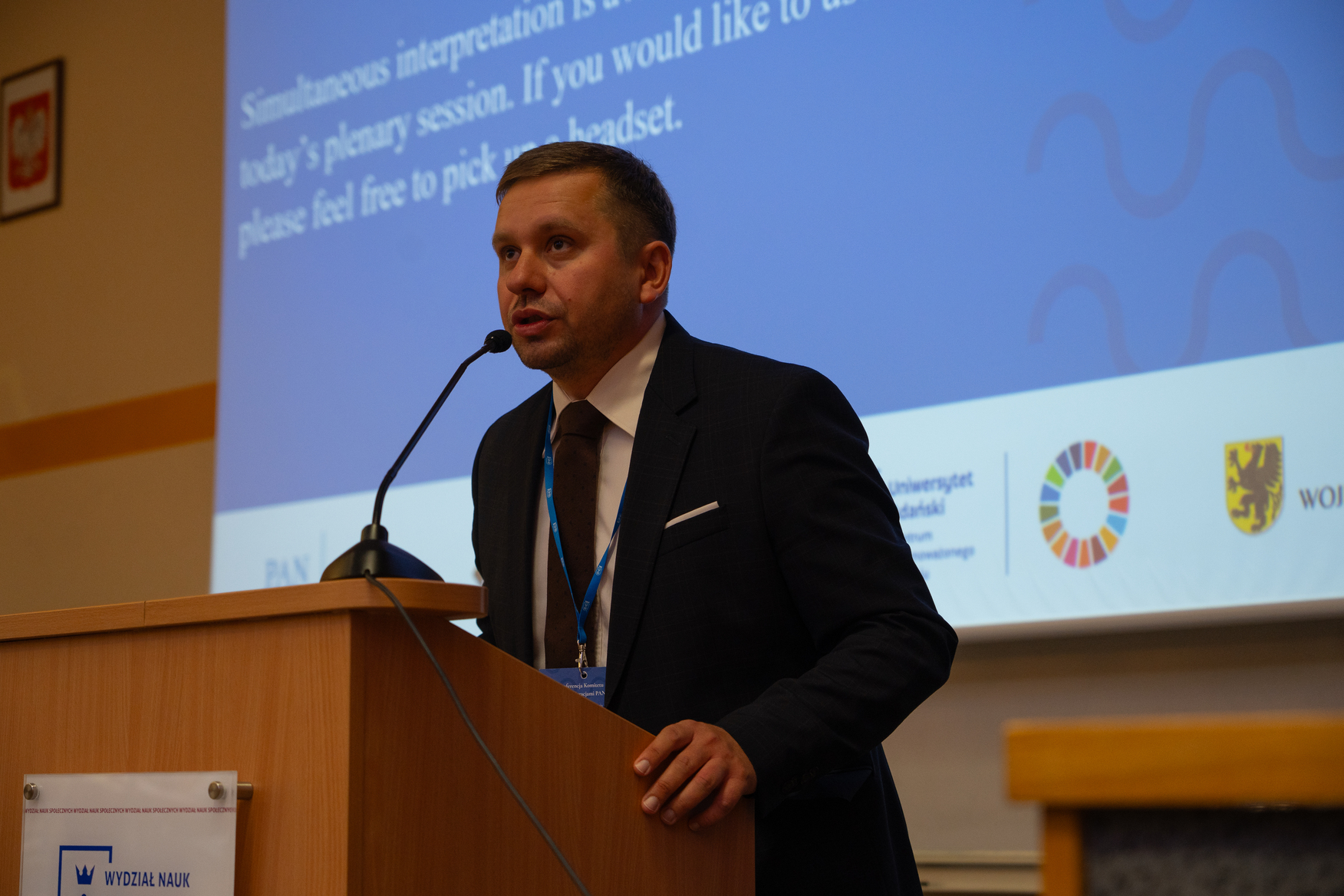
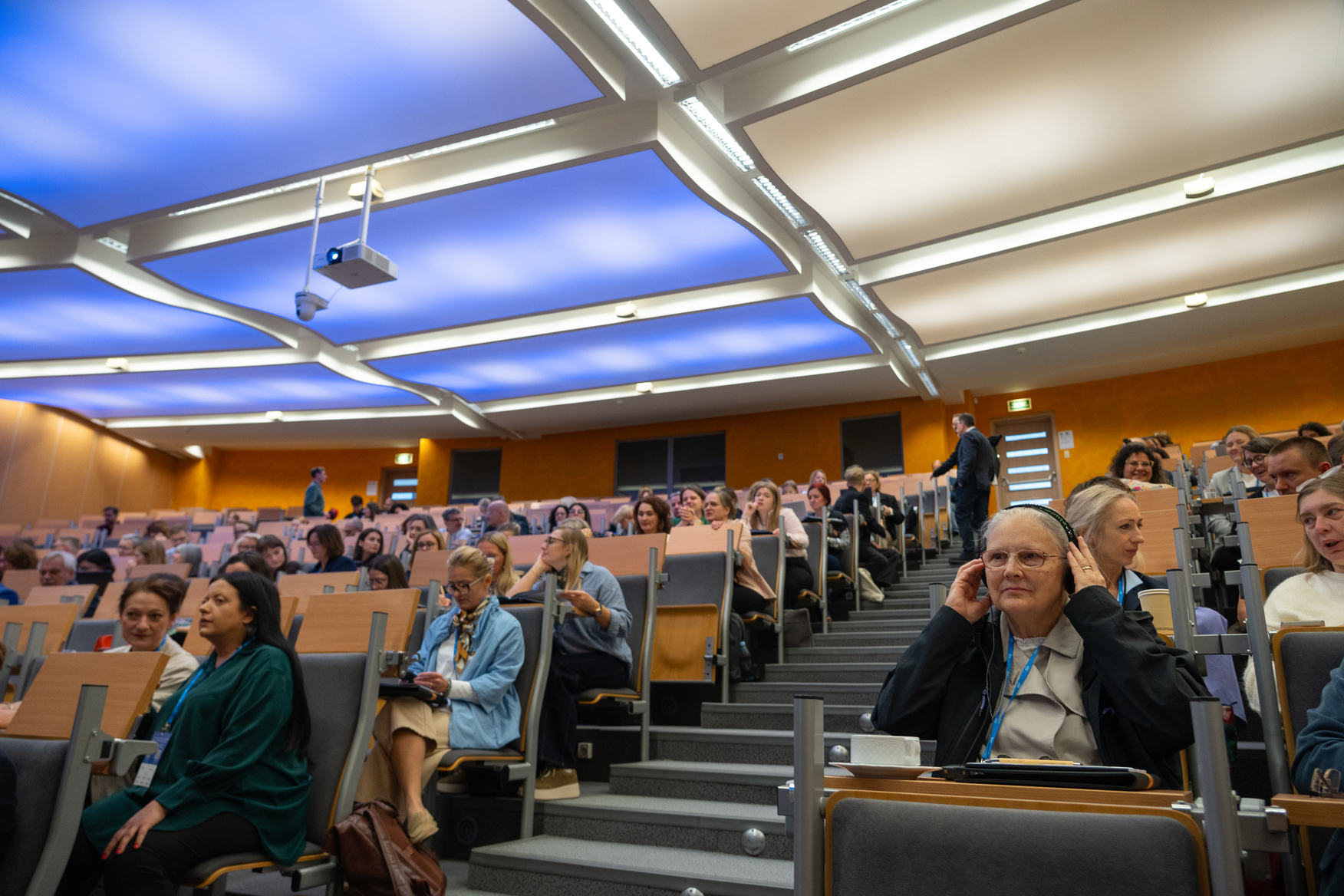
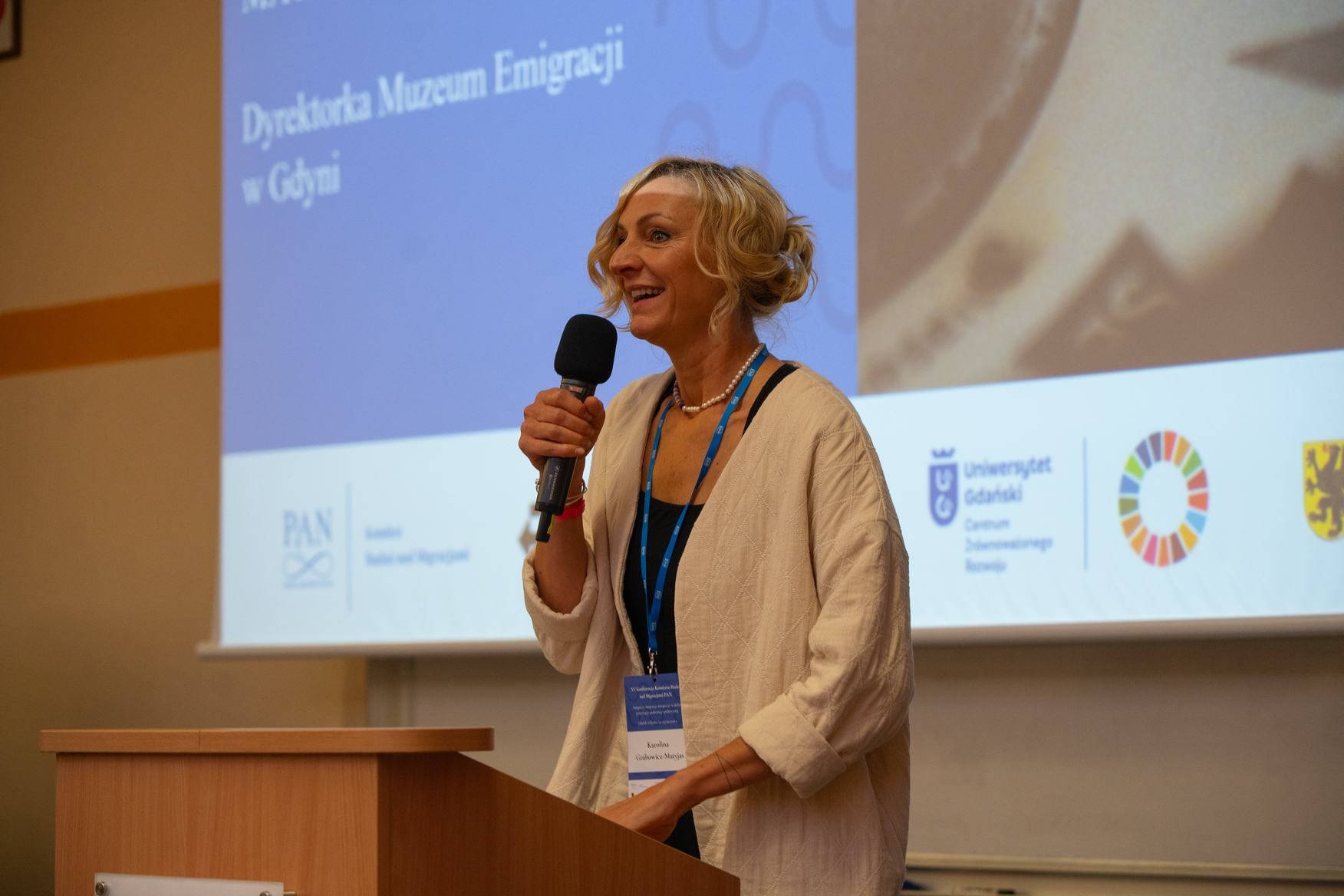
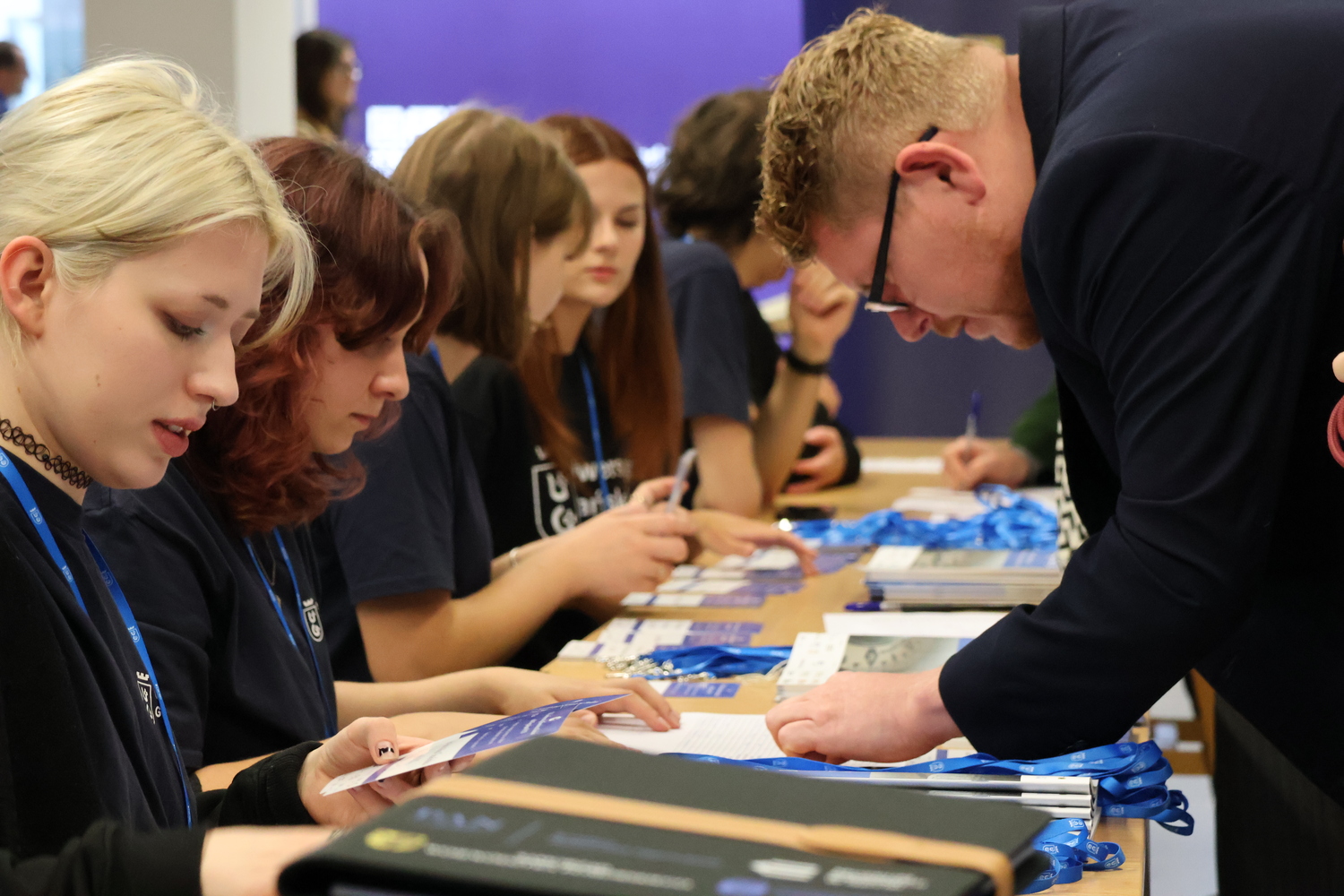
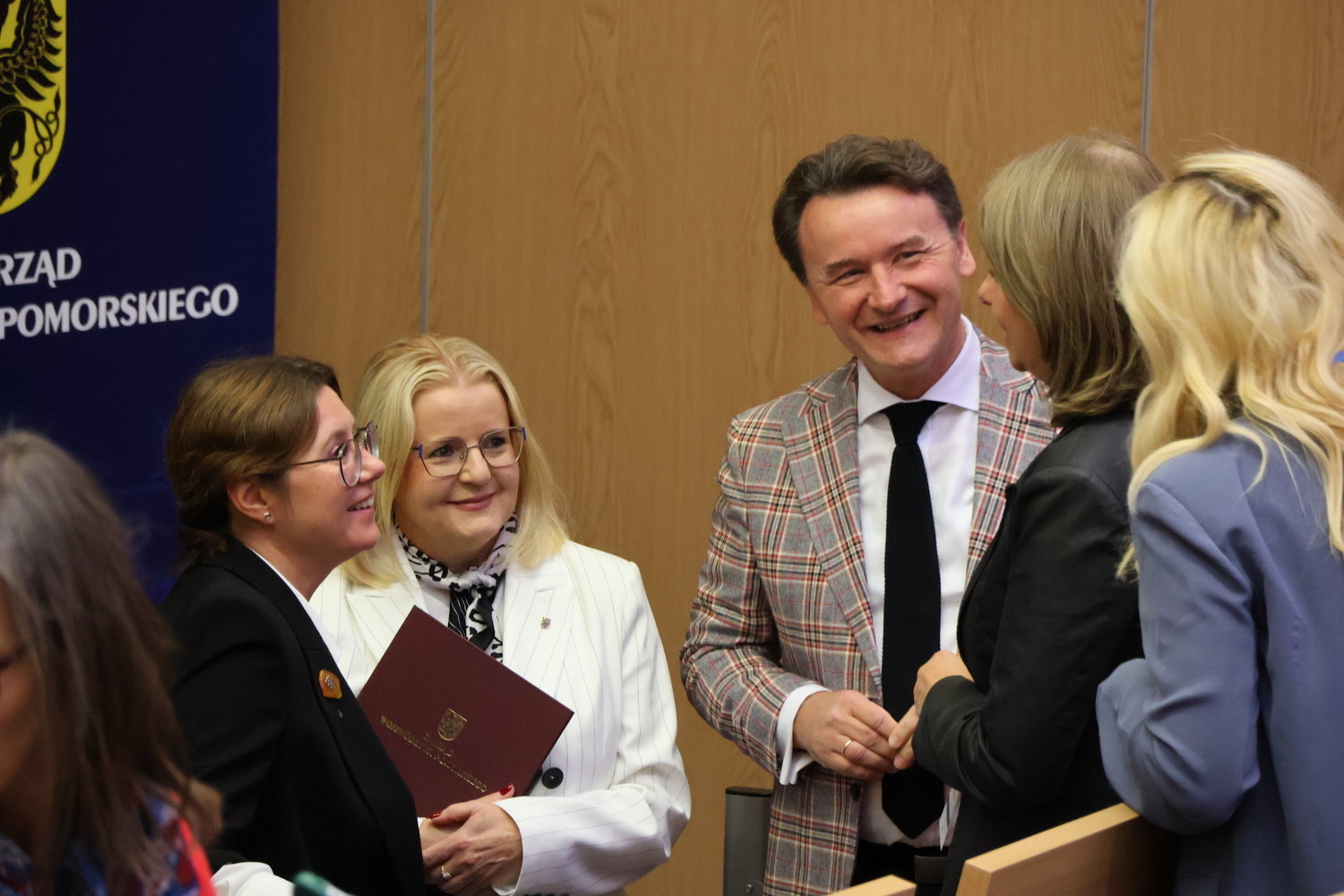
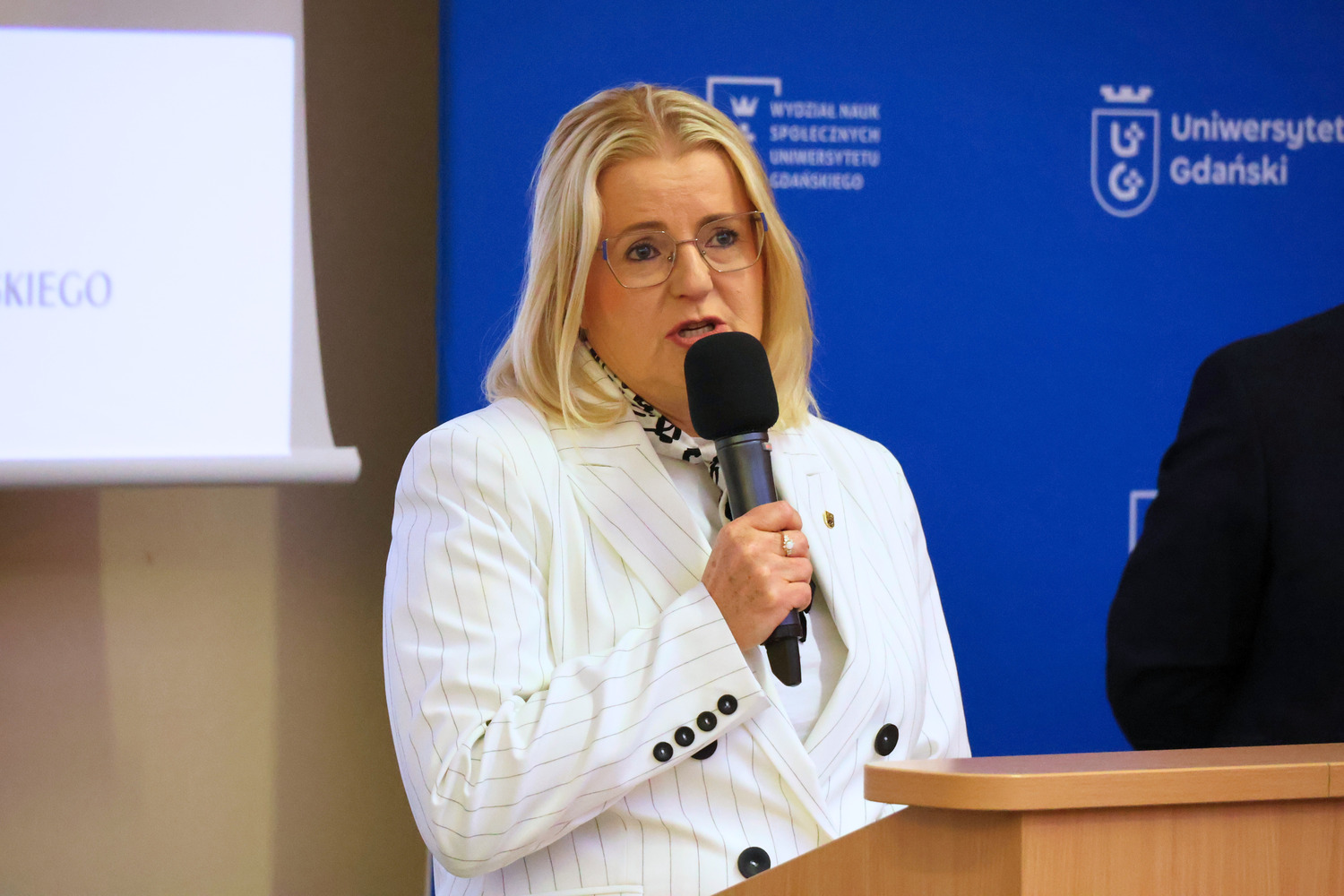
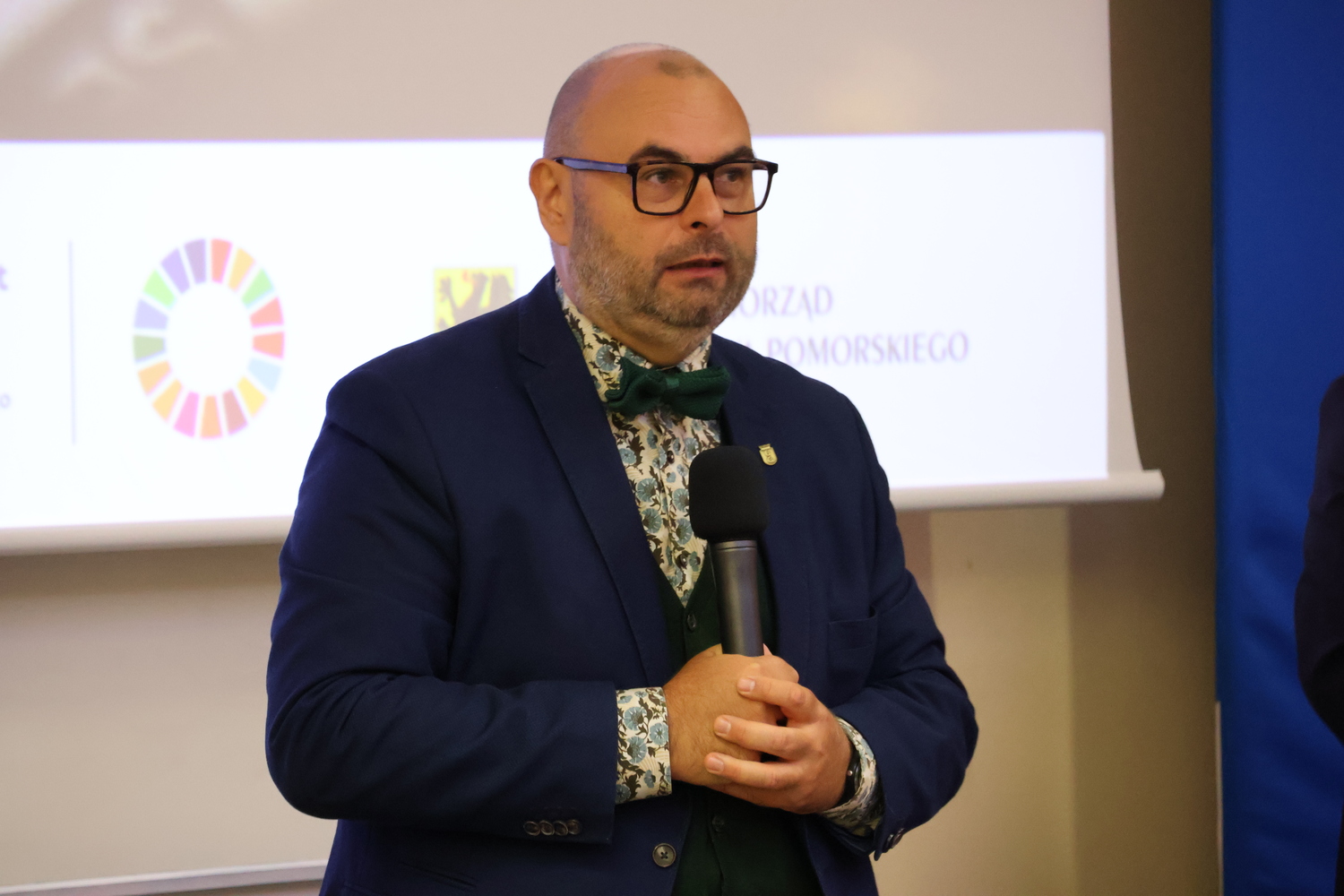
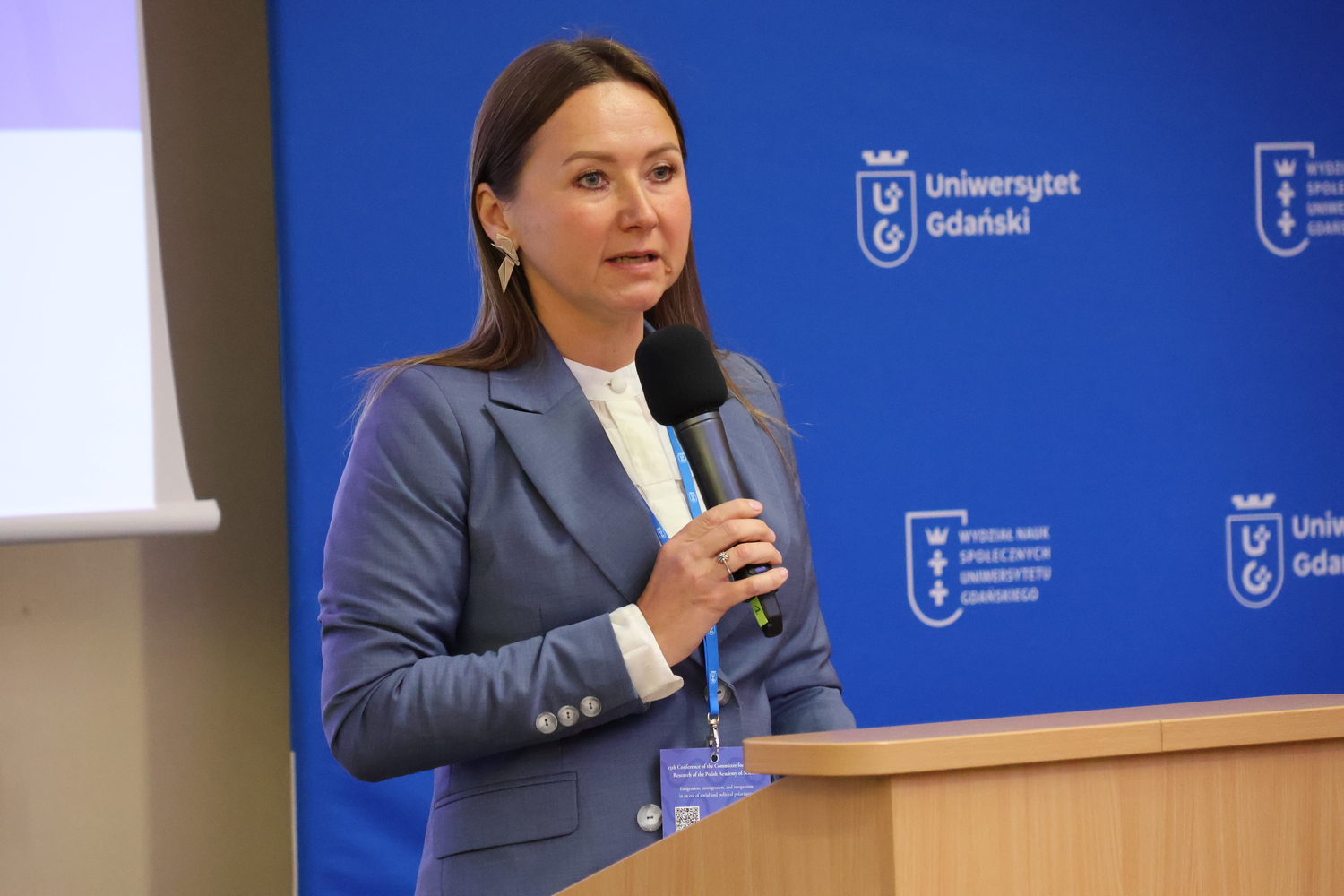
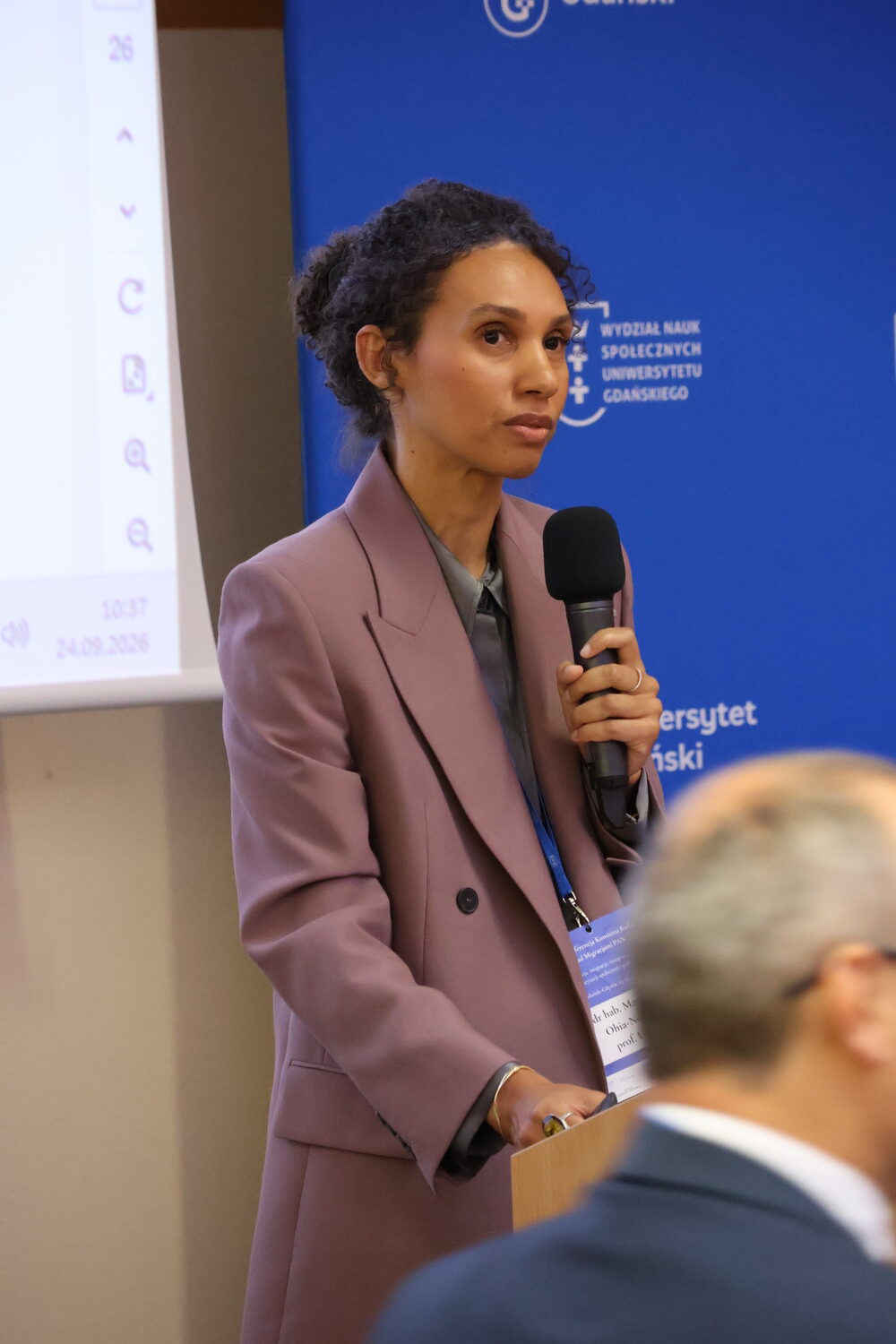
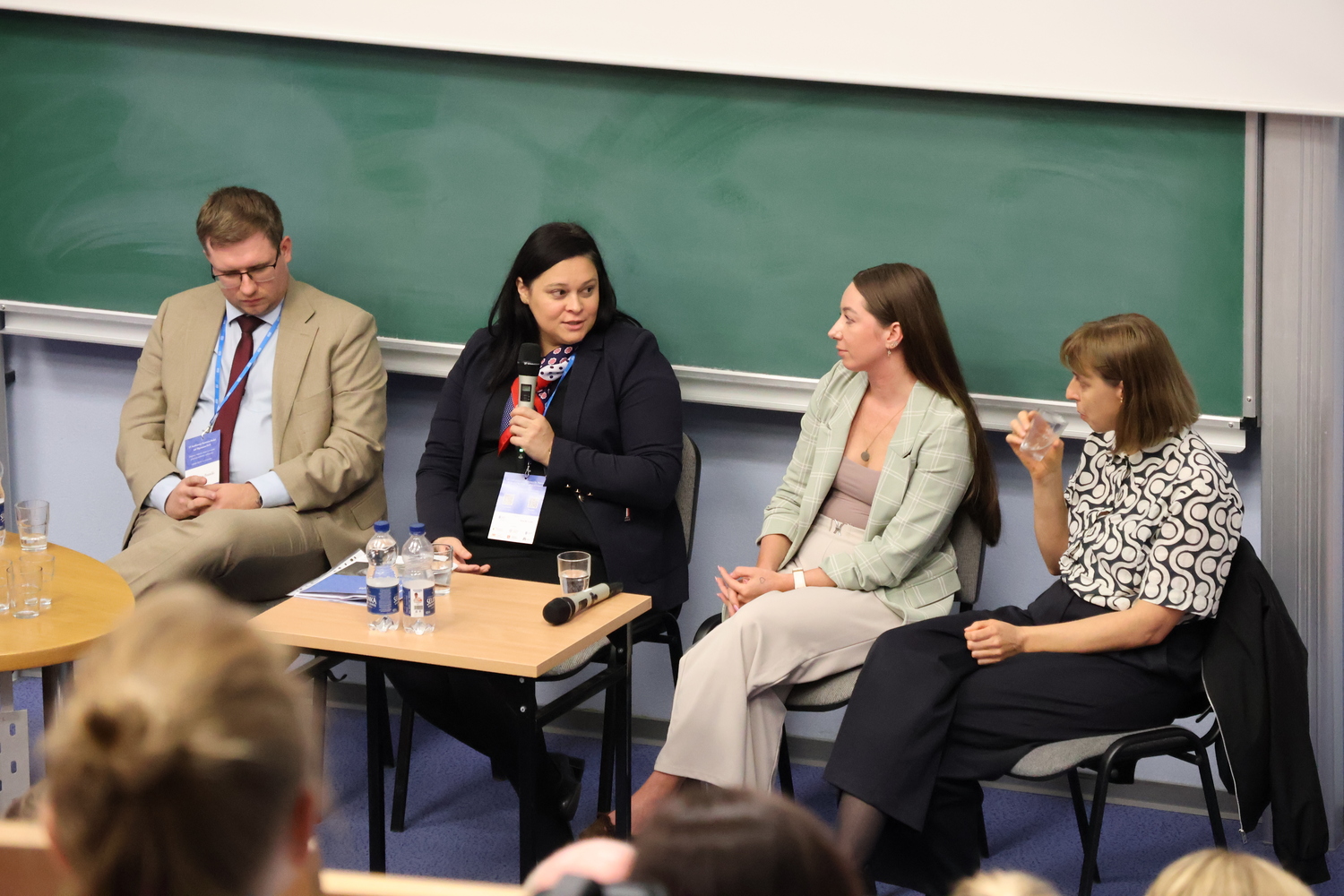
Photo: Migration Policy Department, Marshal’s Office of the Wielkopolska Province / Rafał Mielczarek (UG). Full photo gallery.
The conference was international and interdisciplinary in nature. Its main aim was to create a space for academic and expert debate on contemporary migration processes, covering, amongst other things, the experiences of male and female migrants, integration practices, migration policies, analysis of public discourse, and relations between migrants and host communities. An important context for the discussions was the ongoing social polarisation, the politicisation of migration issues and the presence of disinformation in public debate.
The event was co-organised by: the Committee for Migration Research of the Polish Academy of Sciences, the Migration Observatory of the Centre for Sustainable Development at the University of Gdańsk, the Institute of Political Science at the University of Gdańsk, the Emigration Museum in Gdynia, and the Marshal’s Office of the Pomeranian Voivodeship. The Local Government of the Pomeranian Voivodeship acted as a strategic partner. The chair of the Organising Committee was Dr Rafał Raczyński, Coordinator of the Migration Observatory at the Centre for Sustainable Development (CZRUG).
The conference comprised two main components. On 23 September, workshops for young researchers were held at the Emigration Museum in Gdynia, whilst on 24 and 25 September, the proceedings took place at the Faculty of Social Sciences, University of Gdańsk. The workshop programme covered, amongst other things, issues relating to mixed-methods research, oral history, the ethical aspects of research involving migrants and refugees, working with foreign-language sources in diaspora studies, and the ethical use of artificial intelligence in academic research.
The main part of the conference was devoted to a broad spectrum of issues related to migration and integration. The proceedings took place on 24 and 25 September at the Faculty of Social Sciences, University of Gdańsk. Participants were welcomed by Dr hab. Radosław Kossakowski, prof. UG, Vice-Dean for Research and International Cooperation at the Faculty of Social Sciences; Agnieszka Baranowska, Member of the Board of the Pomeranian Voivodeship; Karolina Grabowicz-Matyjas, Director of the Emigration Museum in Gdynia; Dr hab. Arkadiusz Modrzejewski, prof. UG, Director of the Institute of Political Science at the University of Gdańsk, and Dr Magdalena Lesińska, Professor at the University of Warsaw and Chair of the Committee for Migration Research at the Polish Academy of Sciences.
– I am delighted that the Institute of Political Science is co-organising such an important academic event. This demonstrates what a significant research centre it has become in recent years – emphasises Dr hab. Arkadiusz Modrzejewski, Professor at the University of Gdańsk. – Research into migration, the Polish diaspora and issues of nationality is particularly close to the tradition of Gdańsk political science. That is why I am delighted that, thanks to Dr Kamila Kowalska and Dr Rafał Raczyński, we have hosted over three hundred researchers working on various aspects of migration.
The starting point for the organisers was the need to analyse migration processes against a backdrop of growing social and political polarisation, the politicisation of public debates, and the changes taking place in culturally diverse societies. The programme took into account both the perspective of migrants and the significance of institutions, host communities, public policies, the media and other actors involved in shaping migration processes.
As Dr hab. Sylwia Mrozowska, Professor at the University of Gdańsk and Director of the Centre for Sustainable Development at the University of Gdańsk, emphasises, organising the conference also provided an opportunity to examine the issue of migration from the perspective of the challenges facing Pomerania:
– We are delighted that the CZRUG Migration Observatory hosted such an important conference. – says the Director of the Centre for Sustainable Development at the University of Gdańsk. – The issue of labour migration is particularly important for our region, especially in the context of the development of new economic sectors and the energy transition. As the demand for new workers grows, so does the need to gather knowledge and best practices on how to manage these processes effectively.
The conference programme comprised 37 thematic topics, covered across 65 sessions, as well as three semi-plenary sessions and one plenary session. A total of 277 papers and presentations were delivered. The authors and co-authors of the papers, the moderators and conference participants included representatives from academia, central and local government, public institutions, civil society organisations and practitioners working in the field of migration.
The plenary proceedings were opened by a lecture given by Dr Margaret Ohia-Nowak, Professor at UMCS from the Institute of Social Communication and Media Studies at the Maria Curie-Skłodowska University in Lublin, entitled ‘Blackness, anti-blackness and migration in contemporary Polish public discourse’. During her presentation, the researcher focused on the linguistic, discursive and multimodal mechanisms used to construct the image of Black people in the contemporary media landscape, as well as the mechanisms of anti-Black racism and the marginalisation of Black perspectives in the debate on migration, race and language.
The extensive programme reflected the multidimensional nature of contemporary migration research. The sessions covered, amongst other things, integration processes and practices; the experiences of children and young people with a migration background within the education system; youth mobility and demographic changes; migration law; climate migration; the health and wellbeing of migrants; forced migration, citizenship and naturalisation policies, migrant entrepreneurship, language education, the links between migration and urban transformation, and methodological challenges in migration research. The programme also featured topics relating to the media and disinformation, technologies used in migration research and management, border security, hybrid threats, the relationship between migration and religion, and the preservation of migration and diaspora heritage.
Three semi-plenary sessions formed a significant part of the second day’s proceedings. An open meeting of the Polish Academy of Sciences’ Committee on Migration Research, entitled ‘The Polish diaspora – between the past and new research challenges’ and moderated by Prof. Joanna Wojdon (University of Wrocław), featured a discussion on historical and contemporary trends in research into Polish emigration and the diaspora. The second session, moderated by Mikołaj Pawlak (University of Warsaw) and Anzhela Popyk (University of Social Sciences and Humanities in Warsaw), entitled ‘Adaptation of children to the system or adaptation of the system to multiculturalism?’, focused on the education system’s response to the needs of children with a migration background.
The third semi-plenary session, entitled ‘Regional and local migration policies – between state strategy and local government practice’, was moderated by Dr Rafał Raczyński from the University of Gdańsk and brought together the perspectives of central government, local authorities and the academic community. The discussion was attended by Bartłomiej Potocki, Director of the Department of Social Integration at the Ministry of Family, Labour and Social Policy; Monika Chabior, Deputy Mayor of Gdańsk, also representing the Gdańsk-Gdynia-Sopot Metropolitan Area; Dr Joanna Filaber from WSB Merito University in Wrocław, and Paulina Sieradzan from the Migration Policy Unit of the Office of the Marshal of the Pomeranian Voivodeship. The session provided an opportunity to present regional and local experiences relating to the implementation of migration and integration policies.
– We were keen to ensure that this anniversary conference was not merely a review of current research on migration, but above all a forum for the genuine exchange of knowledge, experiences and diverse perspectives. The level of interest in the event demonstrated how dynamically migration research is developing in Poland today and how much we need forums where representatives of various disciplines, as well as the academic world, public administration, local authorities and civil society organisations, can come together. It was particularly important for us to situate the discussion on migration within the context of contemporary social and political changes – growing polarisation, the politicisation of migration and disinformation. I hope that the discussions begun in Gdańsk and Gdynia will be continued in future research, projects and initiatives – concludes Dr Rafał Raczyński, chair of the conference’s Organising Committee.