


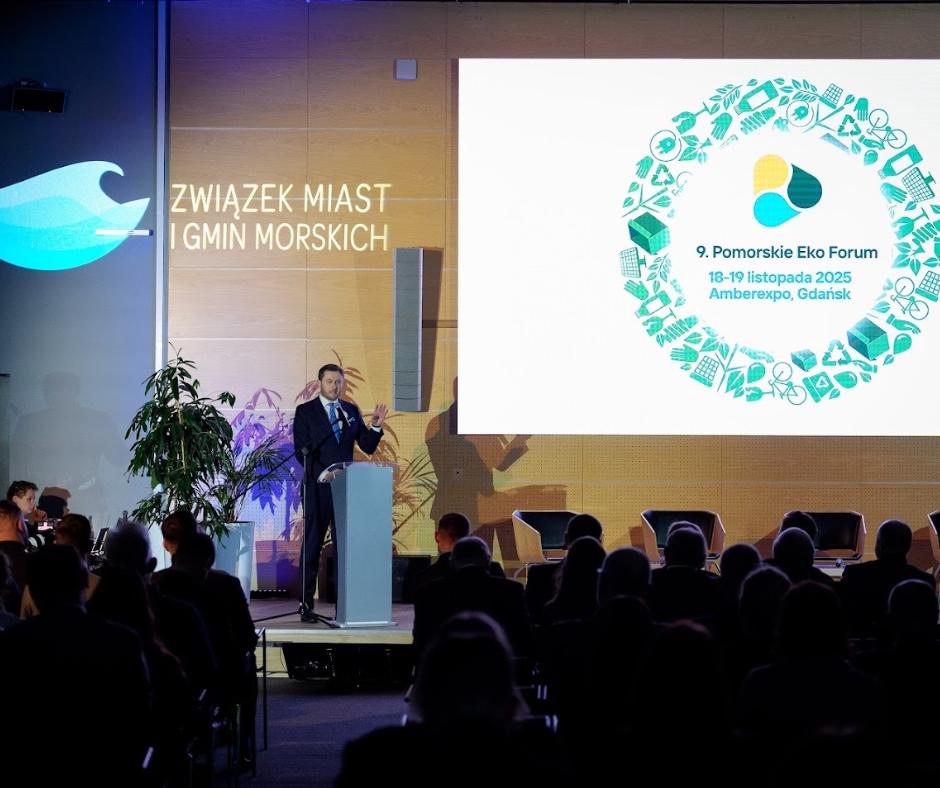
The Pomeranian Eco Forum (November 18-19, 2025) – the largest platform for ecological debate in the region, which for nearly a decade has been setting the direction for development and creating new trends in the field of environmental protection – is now behind us. The event is organized by the Association of Maritime Cities and Municipalities.
The forum, which traditionally brings together representatives of government and local administration, business, science, and social organizations, once again became a space for dialogue on current environmental challenges. The event aims to exchange knowledge, experiences, and best practices, accelerating the implementation of modern solutions to improve the quality of the natural environment. As every year, the guests of the Pomeranian Eco Forum did not shy away from difficult topics – they discussed both effective tools to support energy transition and the barriers that continue to hamper the development of green initiatives in local governments.
The conference was opened by:
- Anna Olkowska-Jacyno, Deputy Governor of Pomerania
- Adam Gawrylik, Member of the Pomeranian Province Board
- Piotr Kryszewski, Managing Director for the Green City of Gdańsk
- Piotr Grzelak, President of the Board of the Association of Maritime Cities and Municipalities
The energy reality of municipalities
The first session, entitled “The energy reality of municipalities,” moderated by Dr. Barbara Kijewska, professor at the University of Gdańsk and expert at the Center for Sustainable Development, brought together specialists representing various sectors related to energy transition—from science and professional energy to practitioners building local energy communities.
Session partner: Energa Obrót S.A.
The session began with a presentation of the results of the study “Challenges for the development of energy communities in Poland” (as part of the BALTICBEAT project), prepared by Dr. hab. Sylwia Mrozowska, Prof. UG, and Dr. Barbara Kijewska, Prof. UG. The study points to the challenges facing local governments in the development of energy communities in Poland.
Among their conclusions, the researchers mentioned, among other things, the lack of energy management tools, such as smart meters or local energy storage facilities. They pointed out that the potential of renewable energy sources varies spatially. One of the main barriers remains the rules for connecting renewable energy sources to the grid. Other key barriers to the development of energy communities include: limited municipal funds, the need to improve the grid, high requirements for own contributions to support programs, as well as a shortage of specialists, a lack of training, and complex technical analyses that hinder investment decisions.
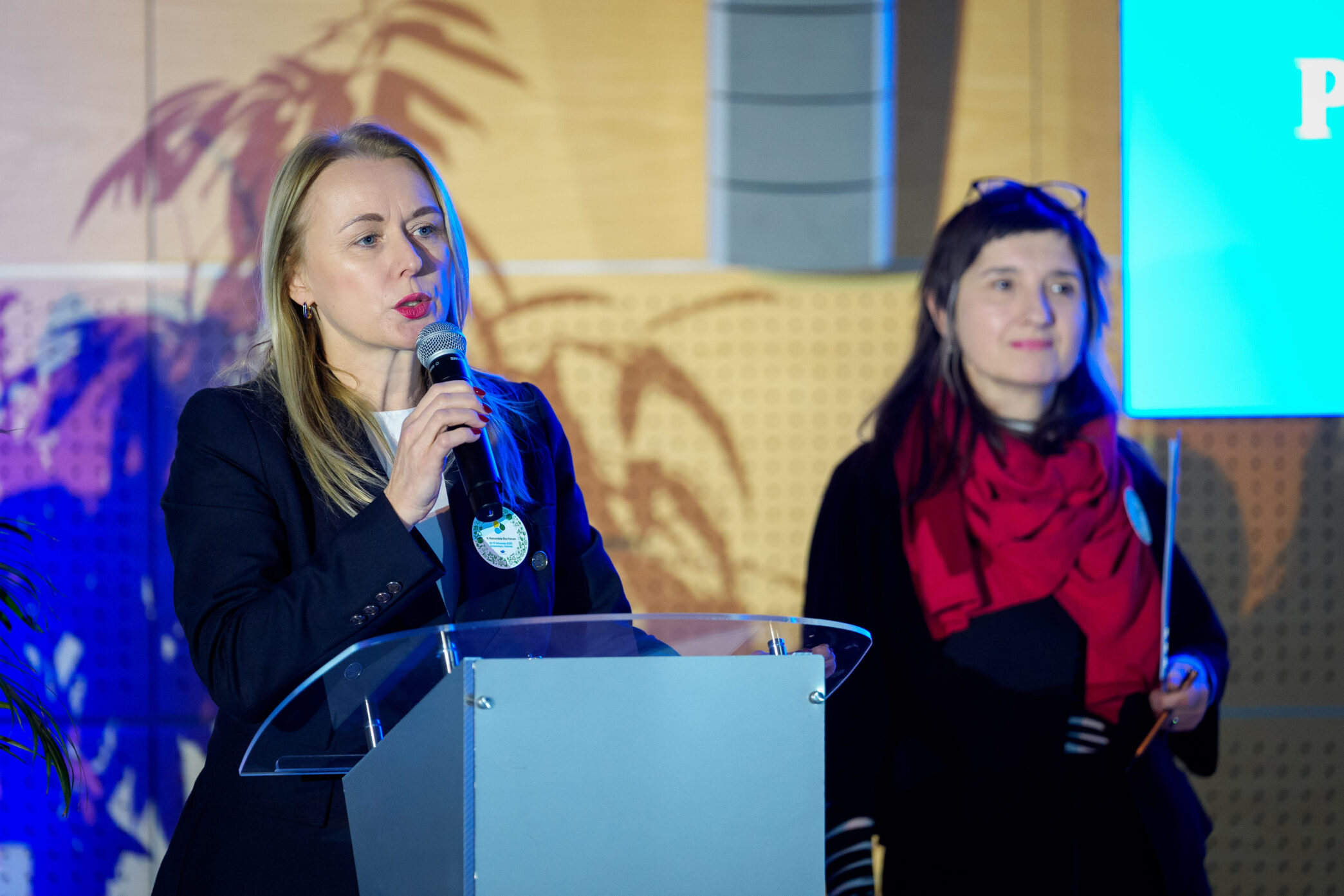
photo: Dawid Linkowski
This was followed by a panel discussion entitled “How to effectively create local energy communities?”, attended by:
- Ireneusz Lasikowski, Strategic Sales Specialist in the Energy Products Sales Department at Energa Obrót S.A.
- Ulrik Jørgensen, retired professor at the Department of Development and Planning, Aalborg University, member of the Board of Energy Communities Denmark
- Krzysztof Solarz, Sudecka Energia Energy Cooperative
- Dr. Sylwia Mrozowska, professor at the University of Gdańsk, BALTICBEAT project manager, Director of the Center for Sustainable Development at the University of Gdańsk
The discussion was divided into two rounds of questions. The panellists addressed, among other things:
- the role of energy communities in the EU’s energy transition,
- institutional conditions conducive to the development of energy communities,
- challenges related to the creation of energy cooperatives,
- legal barriers limiting the development of energy communities in Poland and Denmark,
- social and economic benefits of local energy initiatives,
- forms of support that municipalities need to develop energy communities.
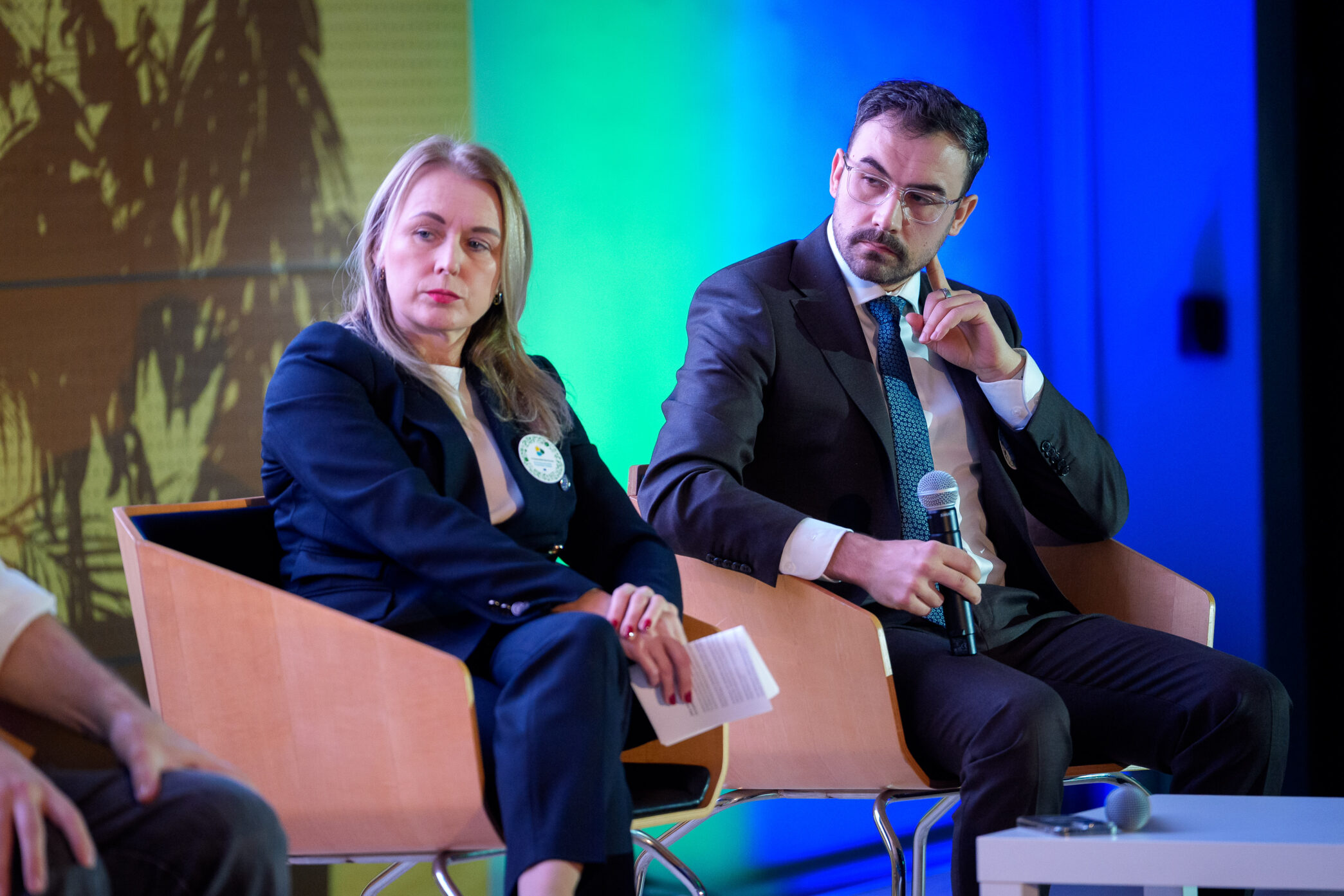
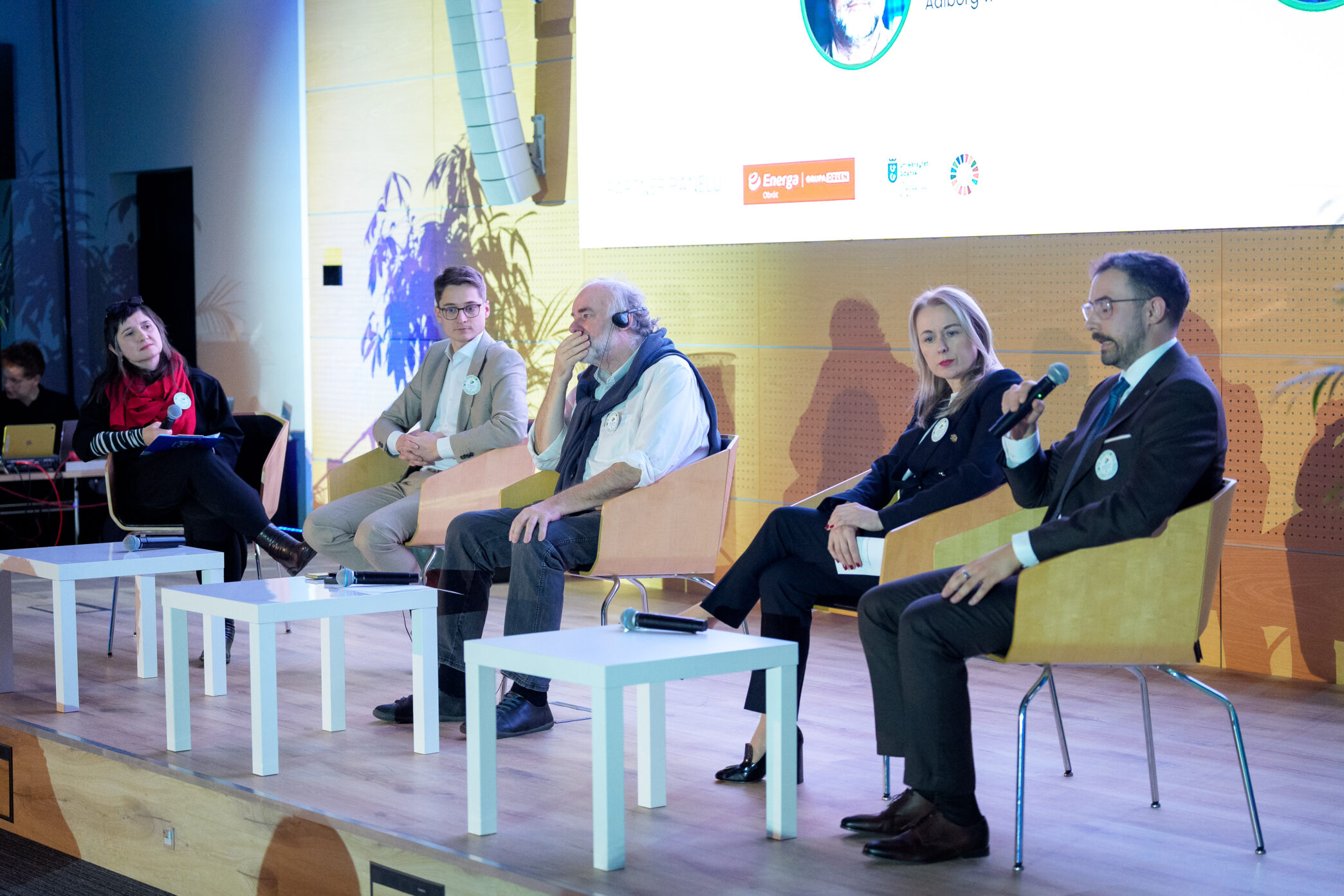
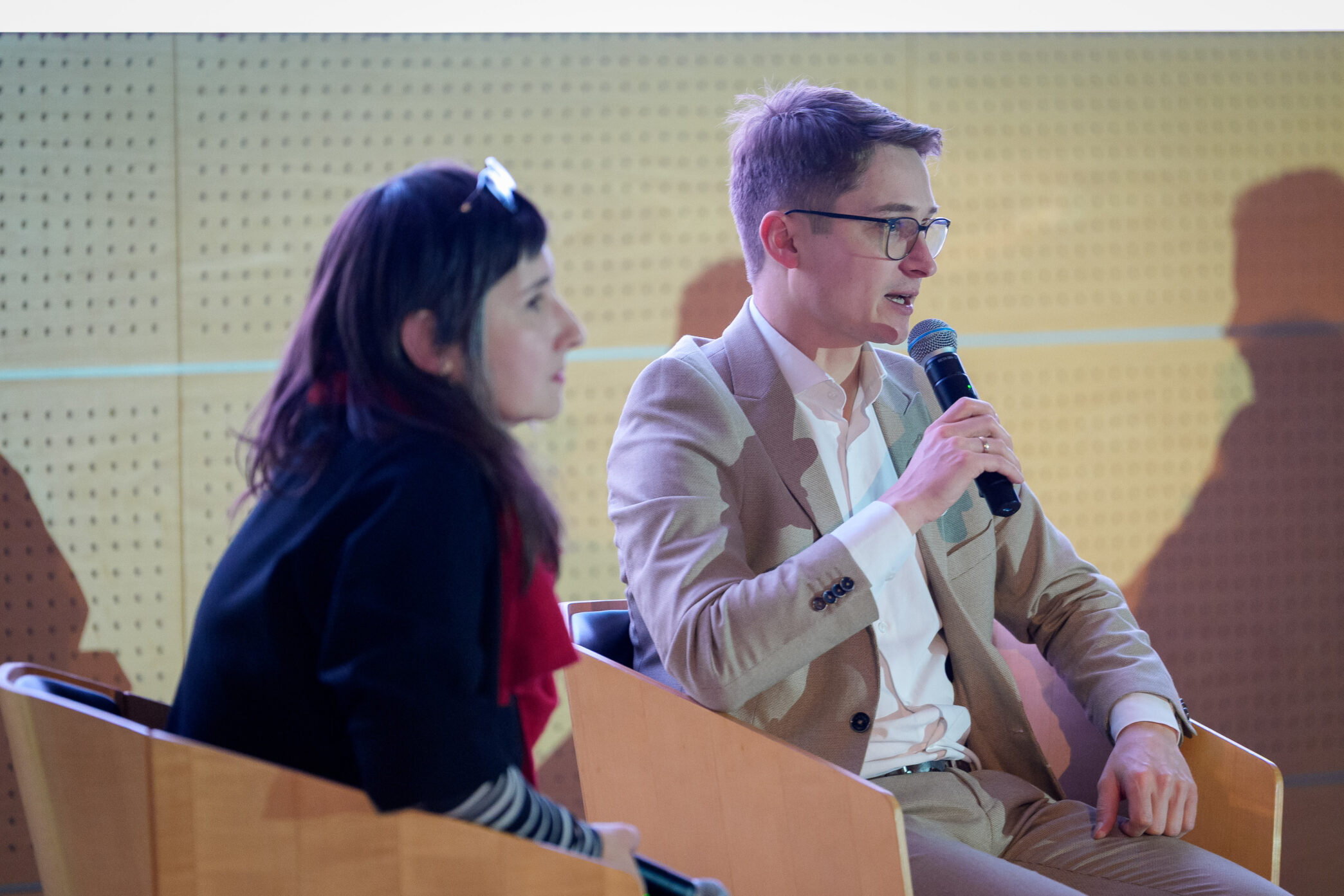
photo: Dawid Linkowski
The joint discussion confirmed that rising energy costs, regulatory pressure, and the need to build local energy resilience make the development of energy communities one of the key directions of the transition.
Pomeranian Eco Forum website: Pomeranian Eco Forum