

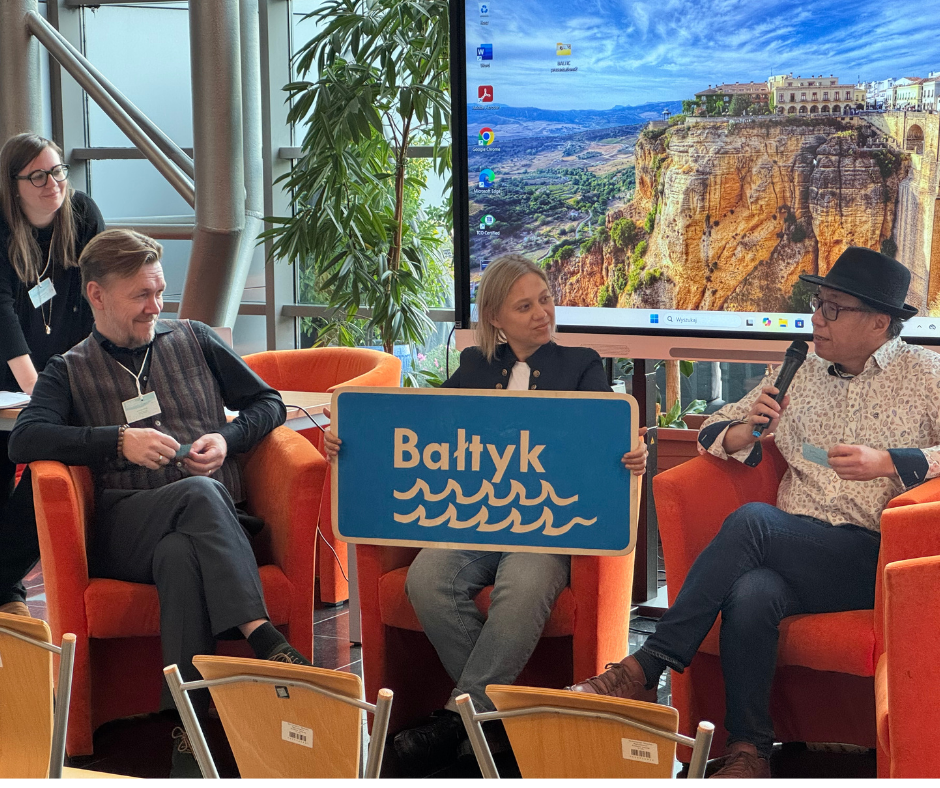
Held at the Baltic coast and surrounded by the landscapes of Pomerania, the Baltic Waterscapes symposium brought together an extraordinary community of thinkers, artists, and researchers united by a shared curiosity about the meanings of water in a time of ecological crisis and cultural transformation.
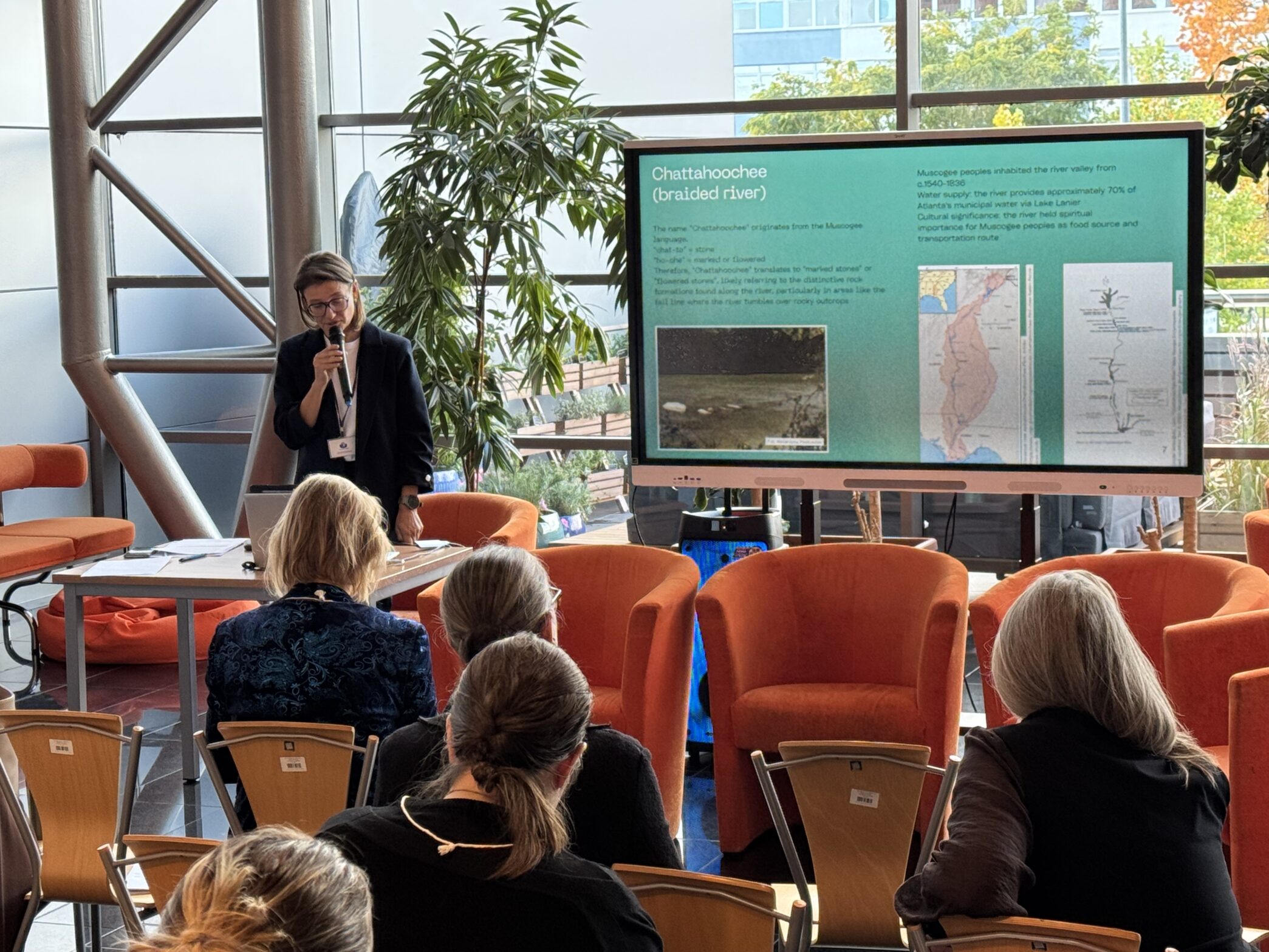
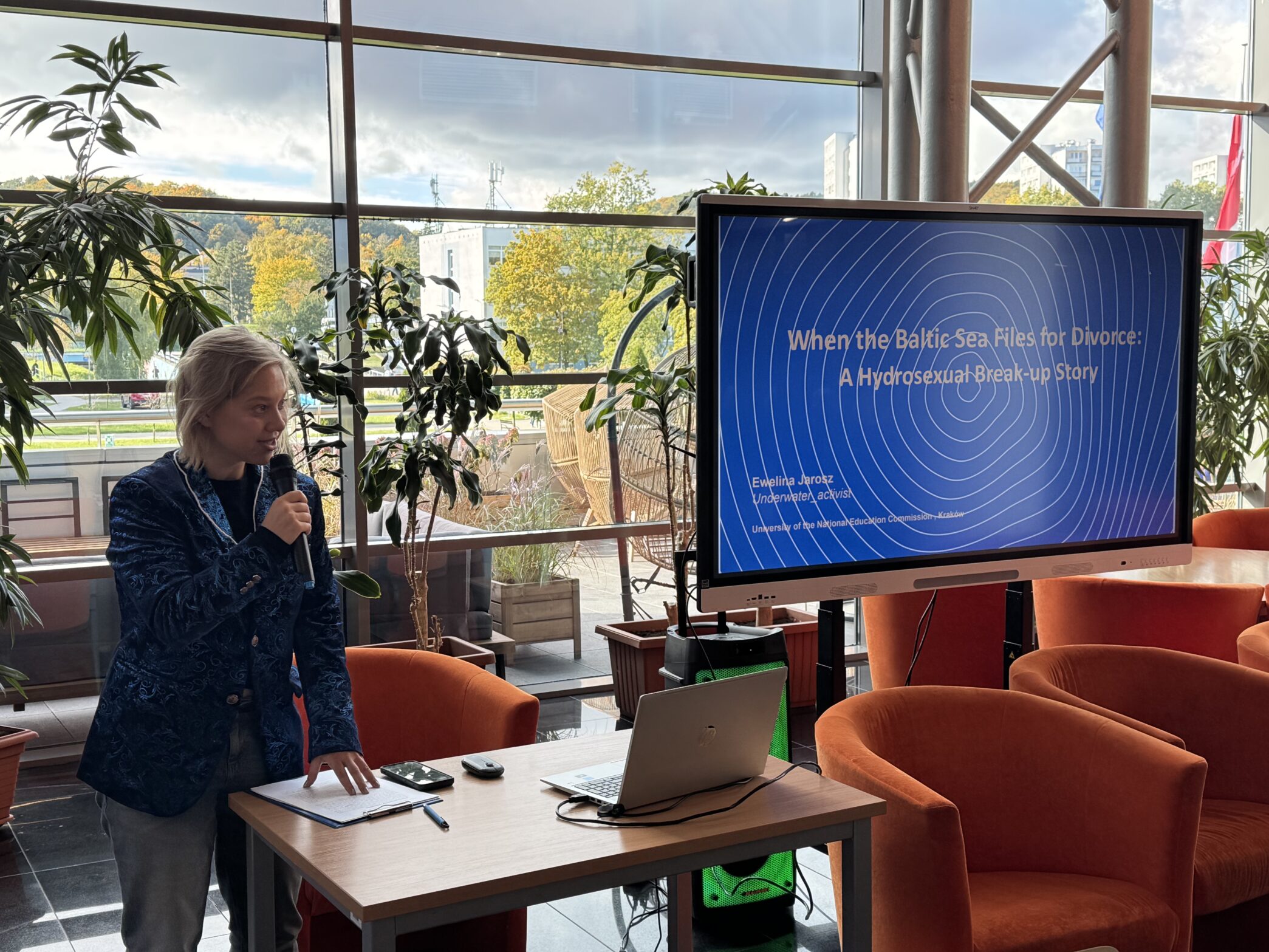
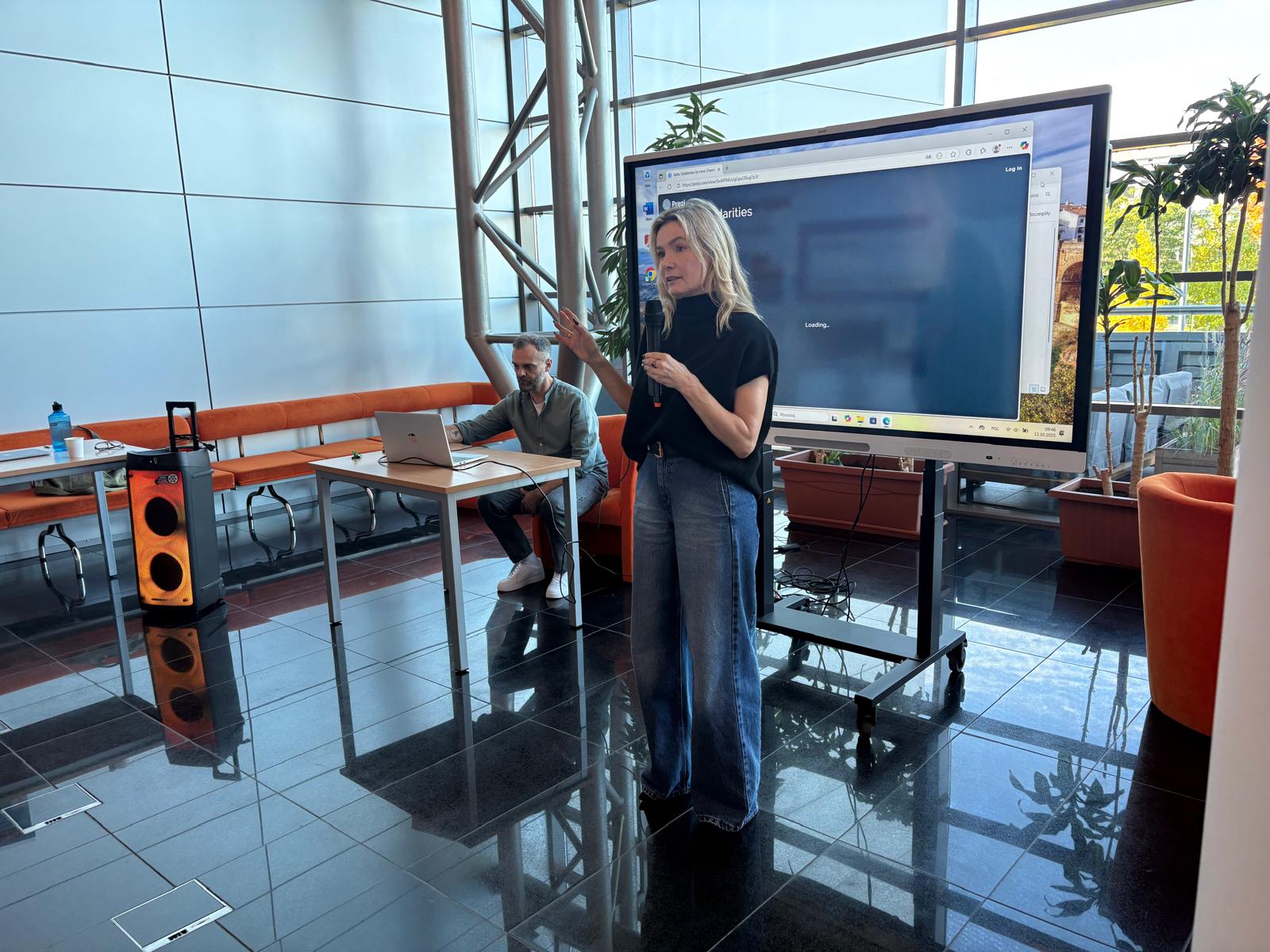
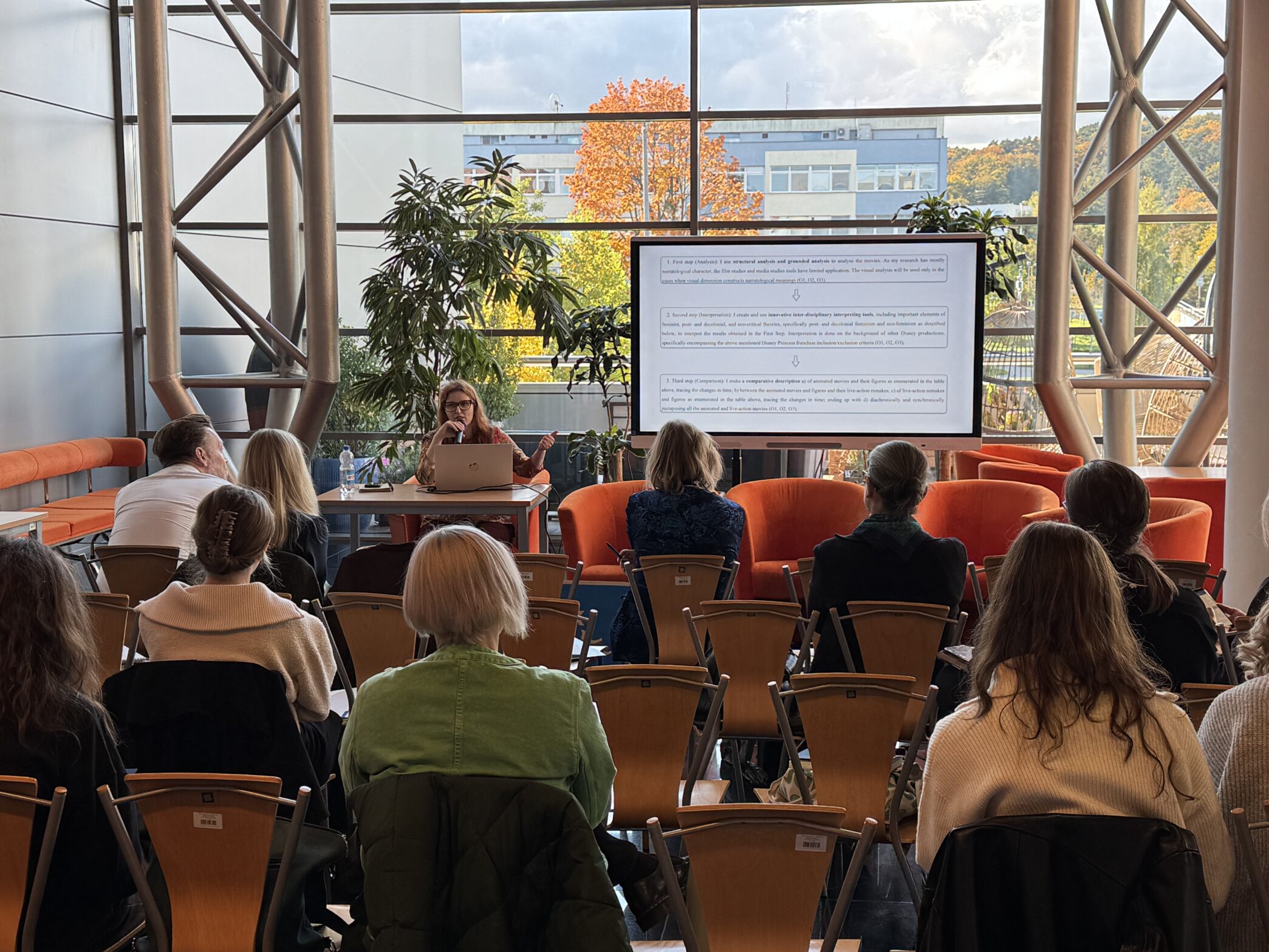
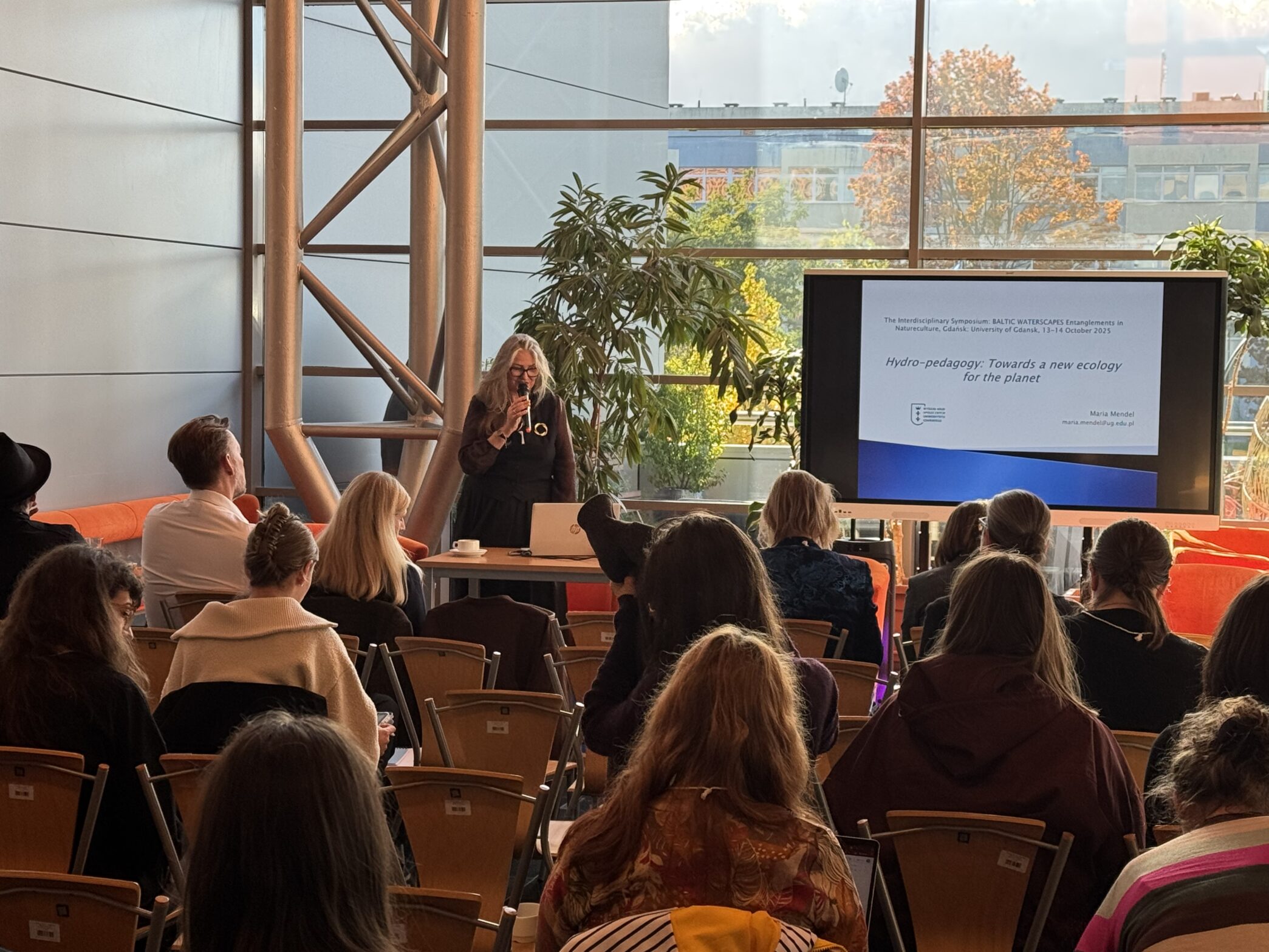
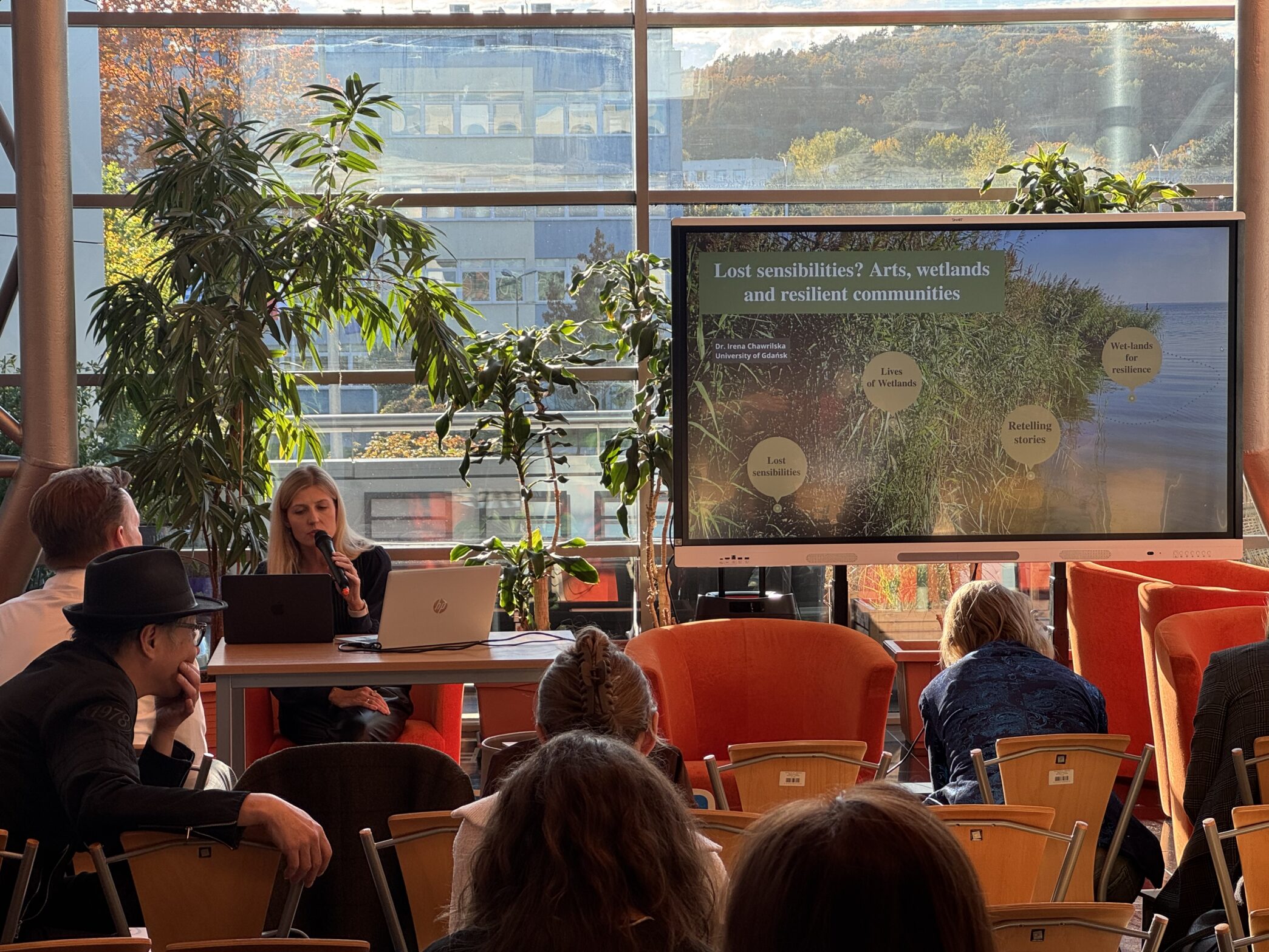
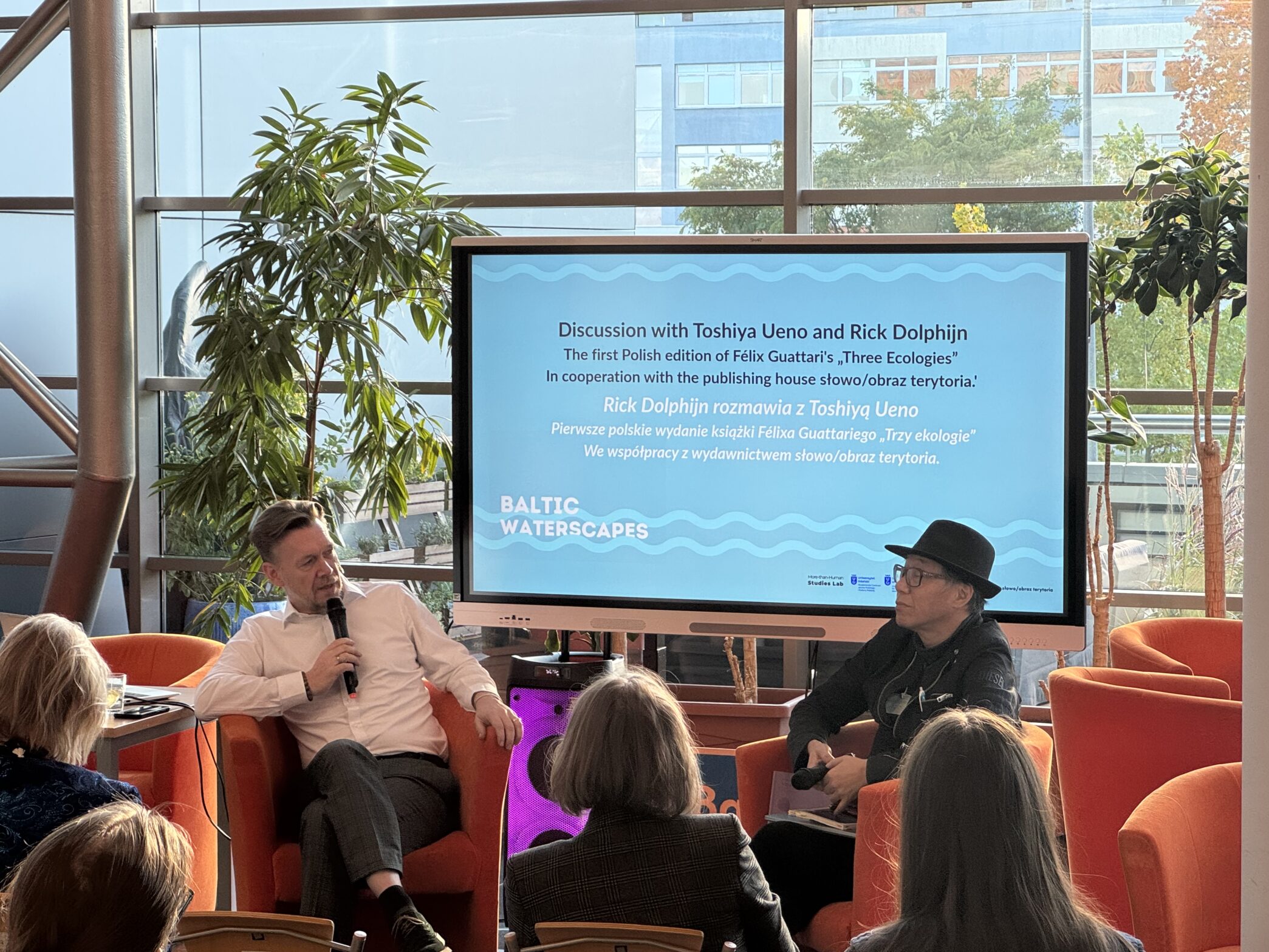
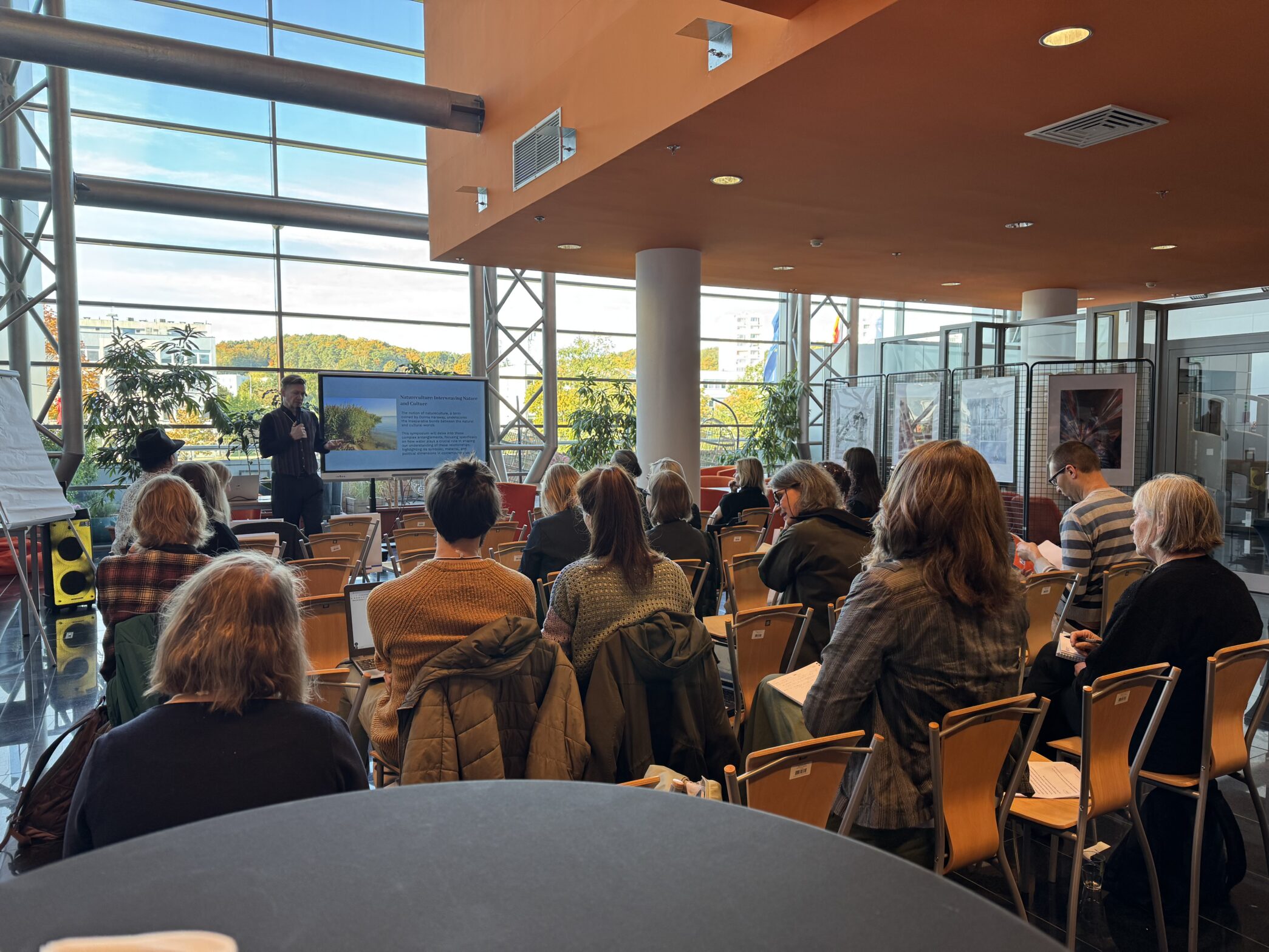
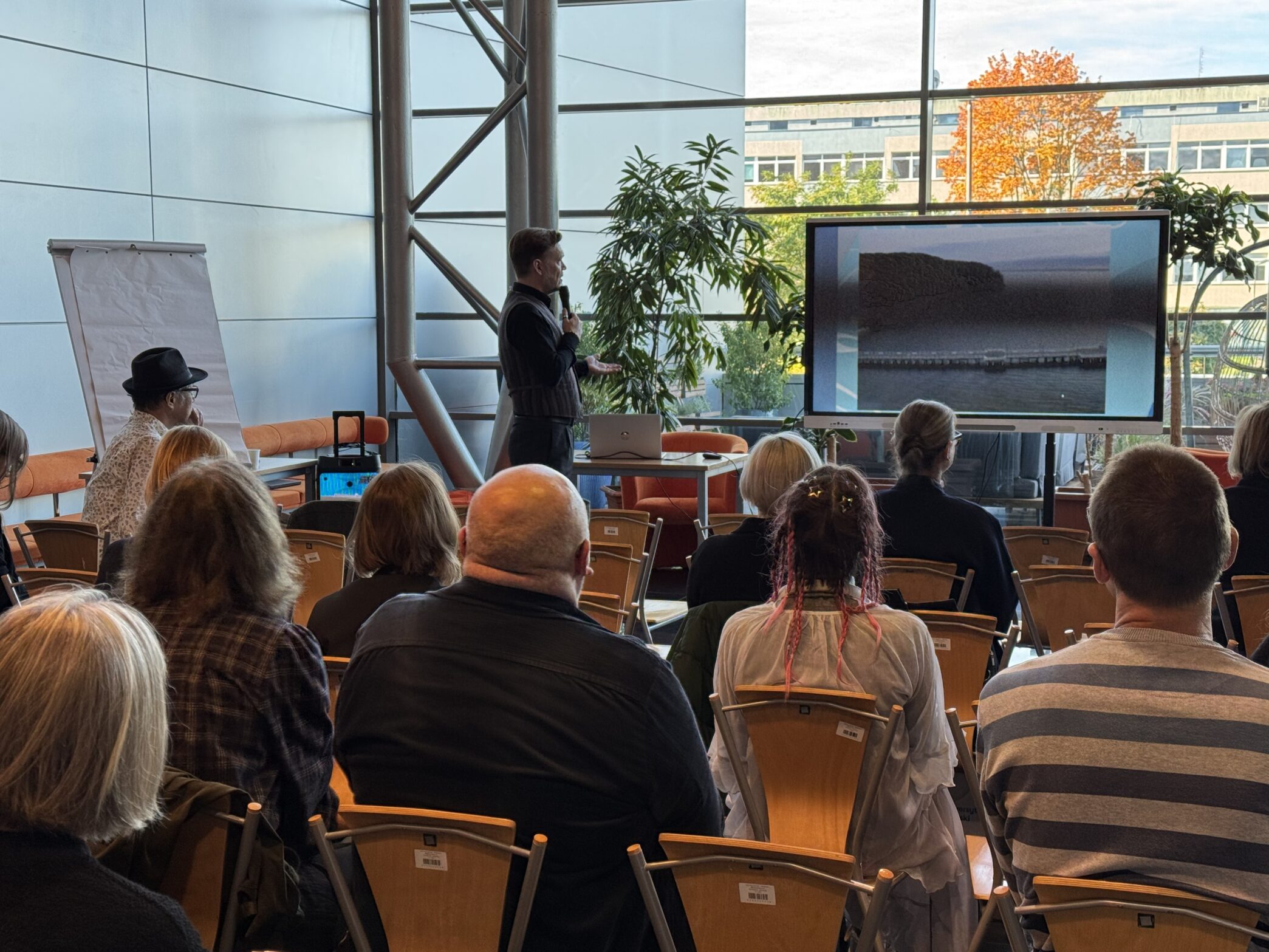
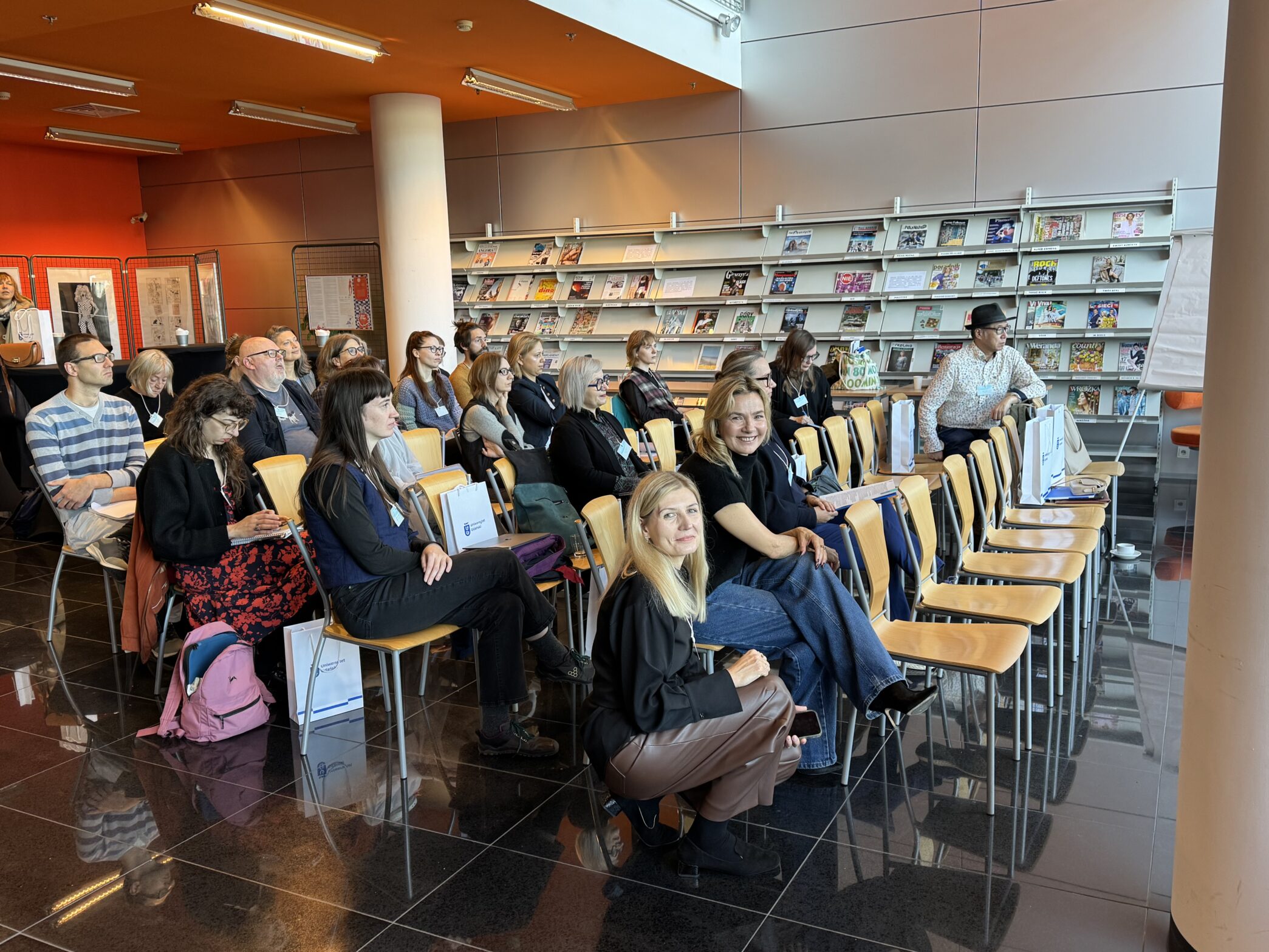
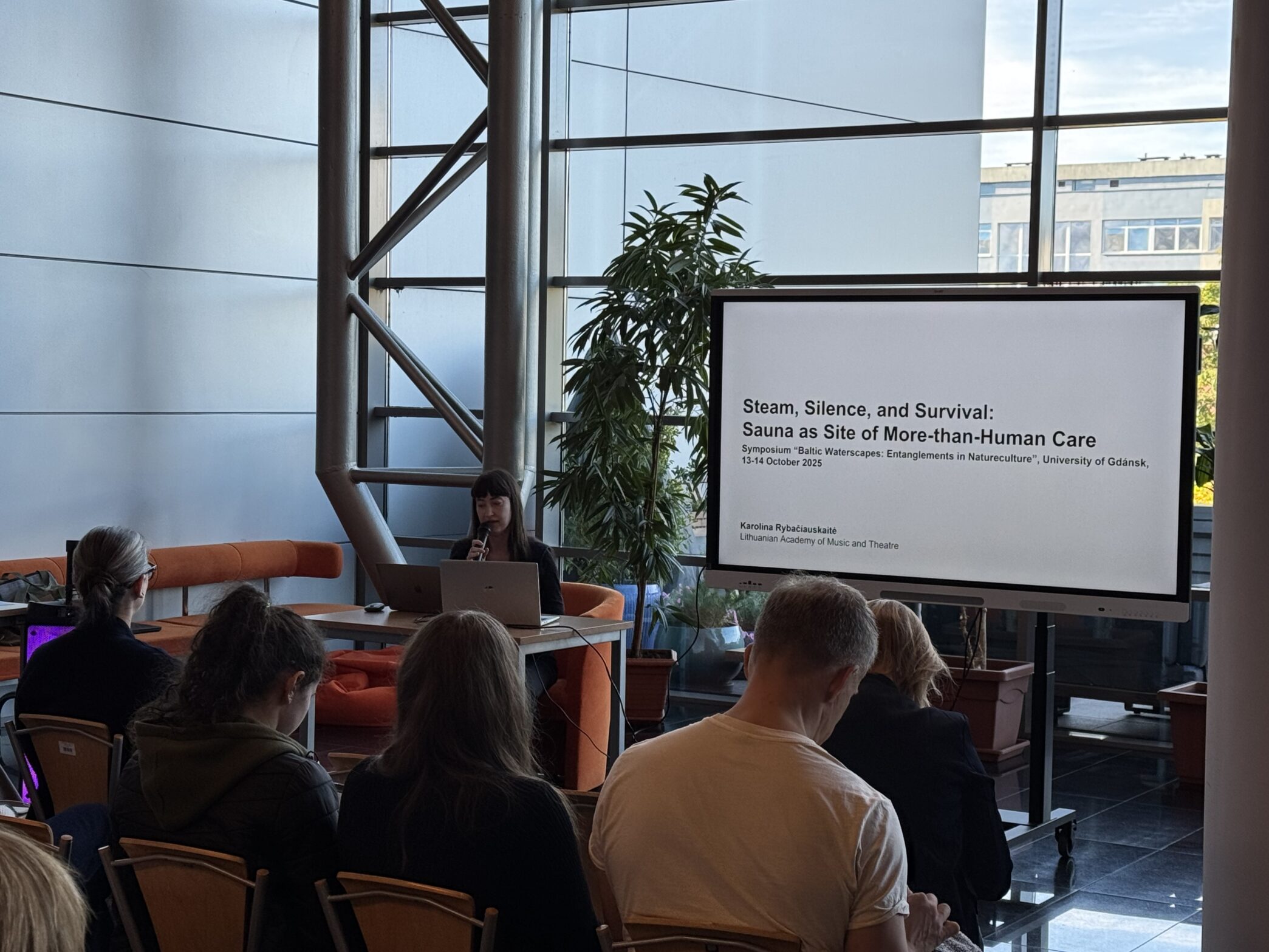
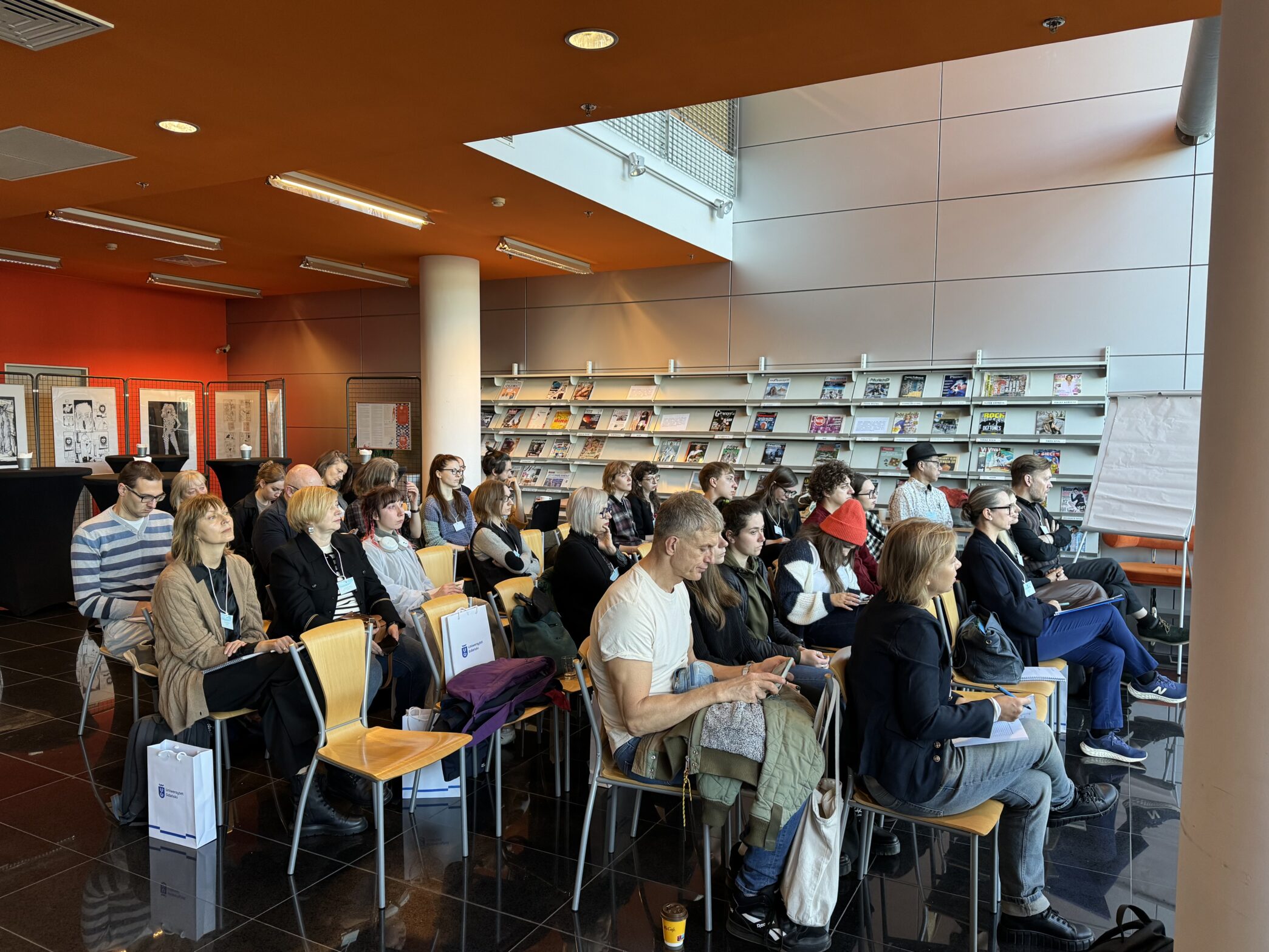
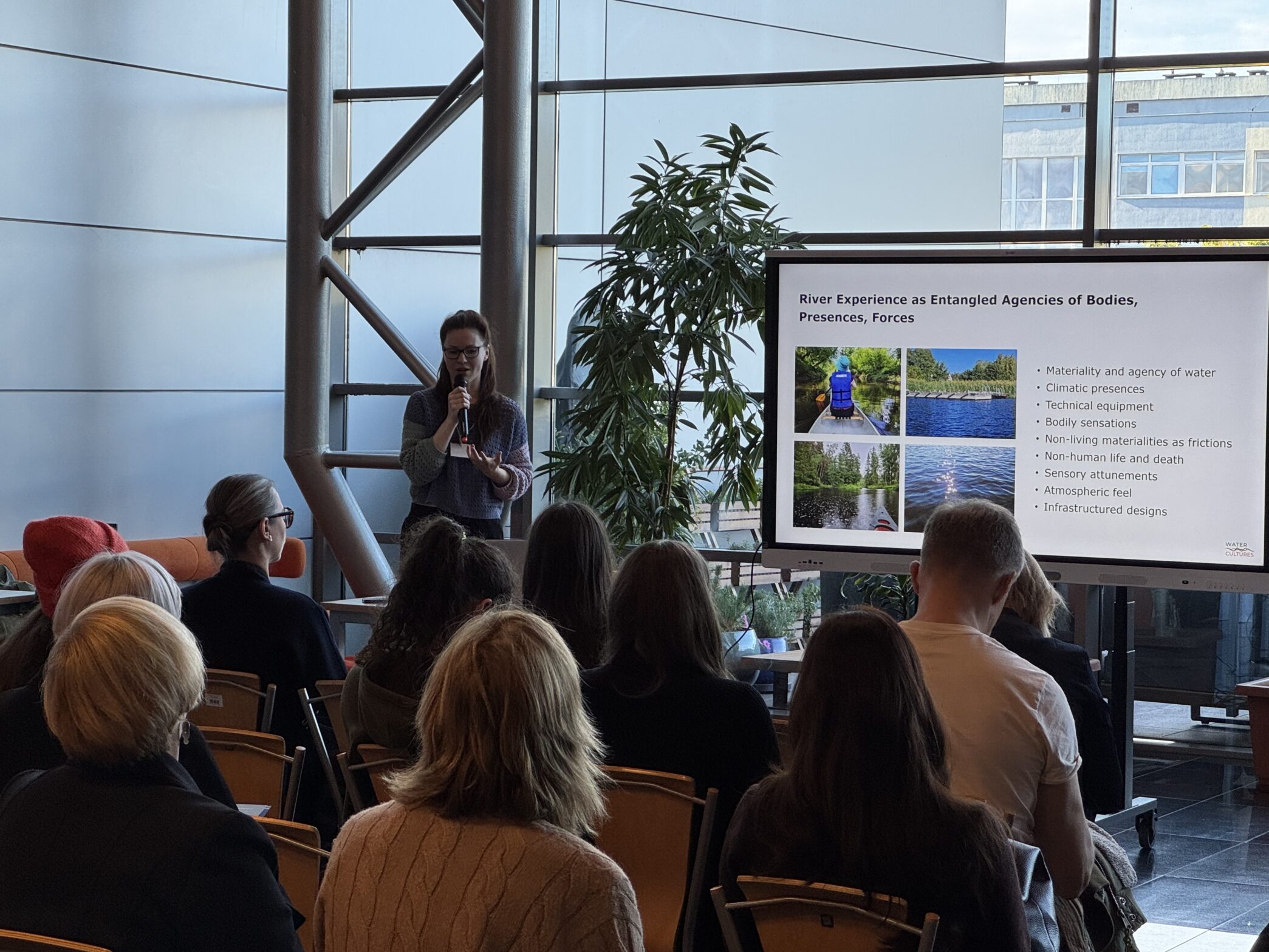
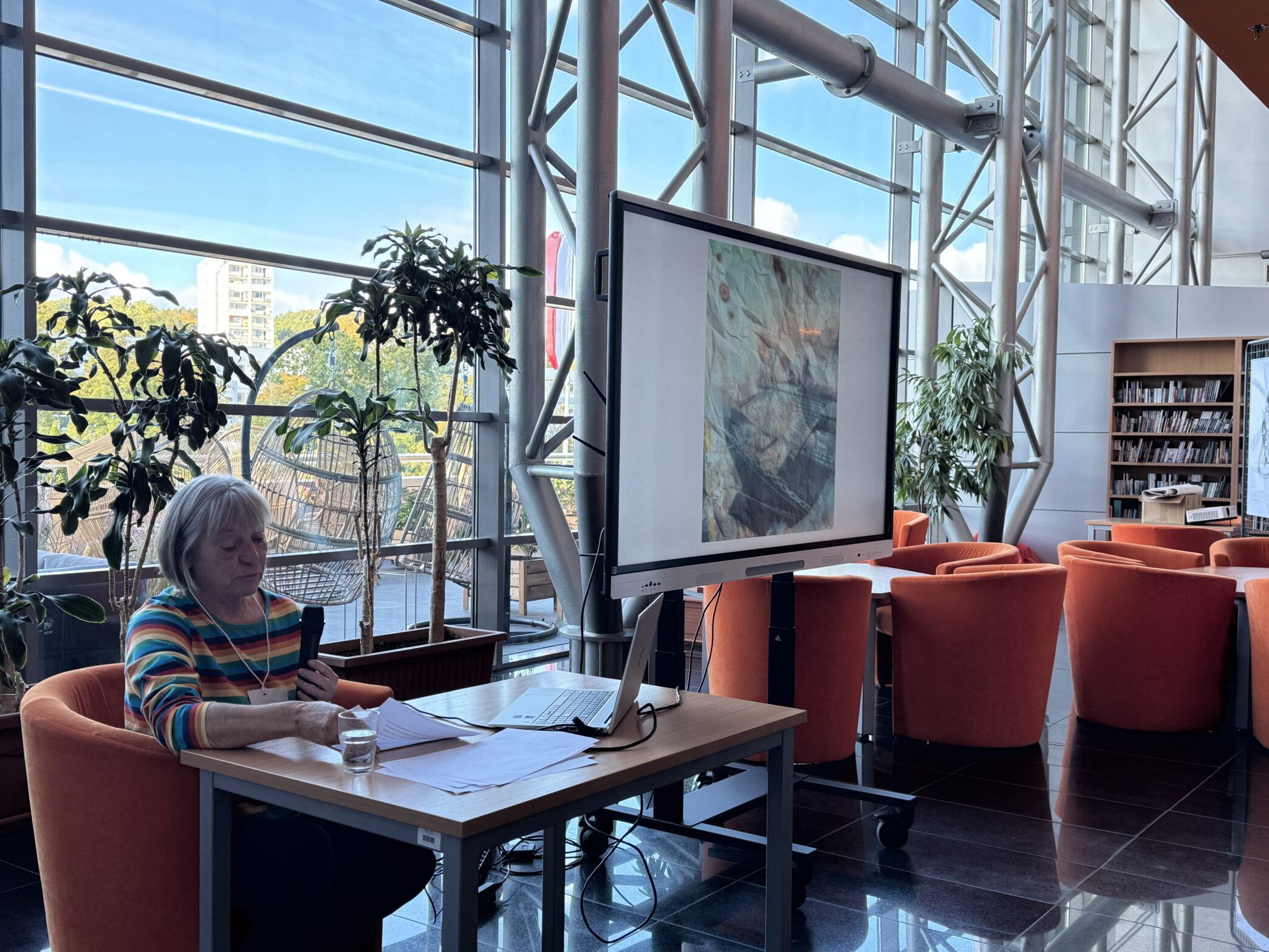
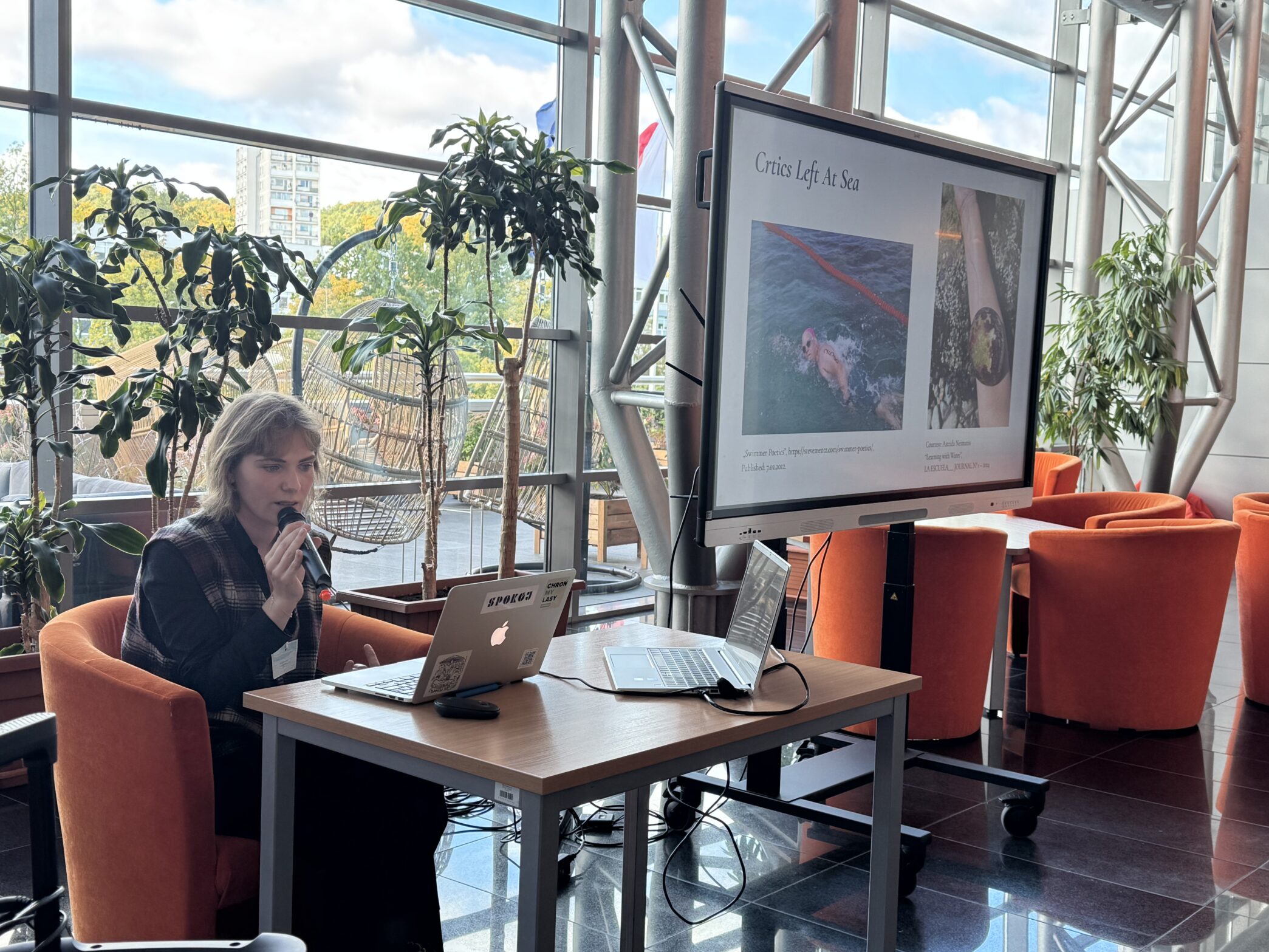
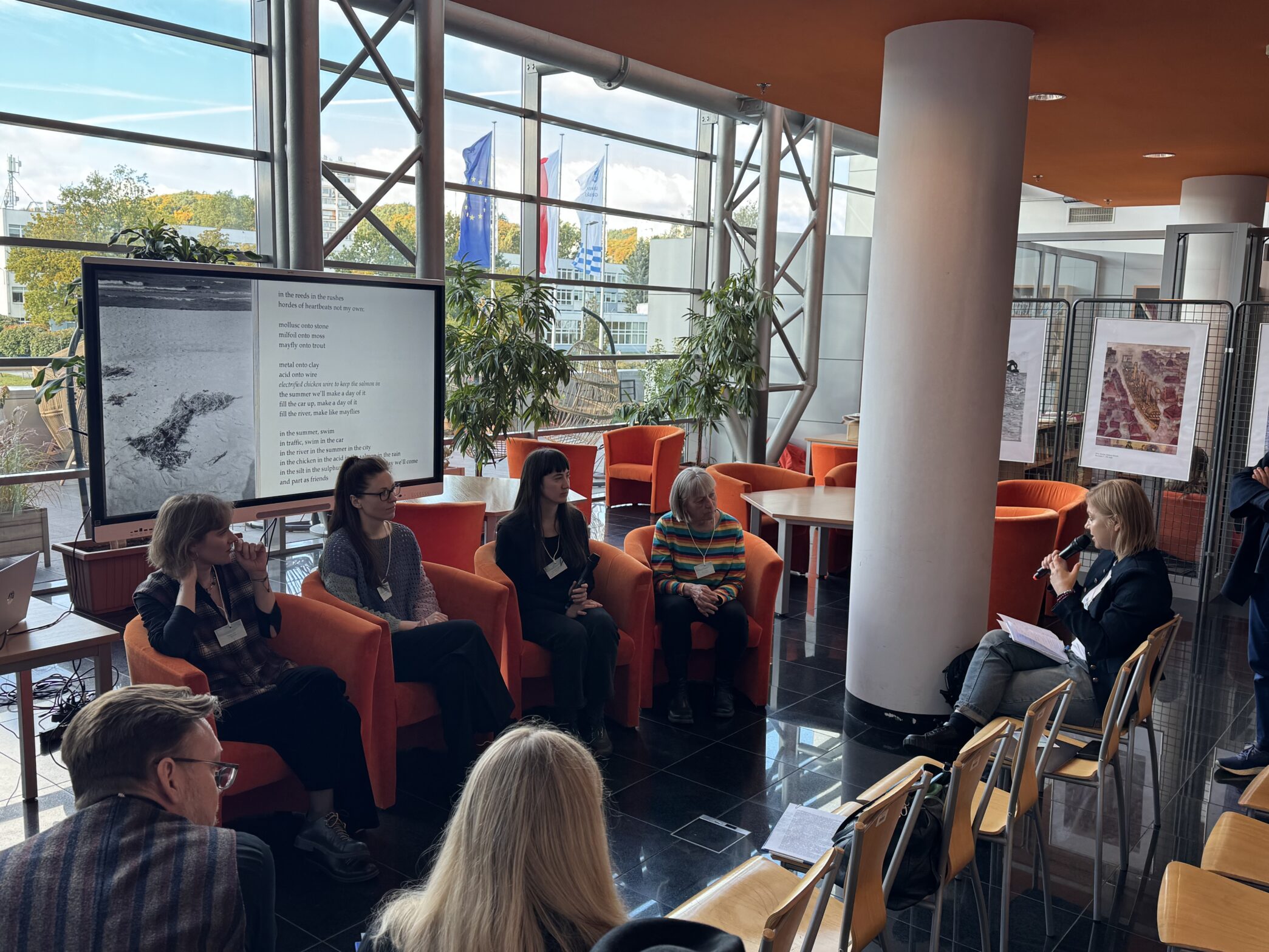
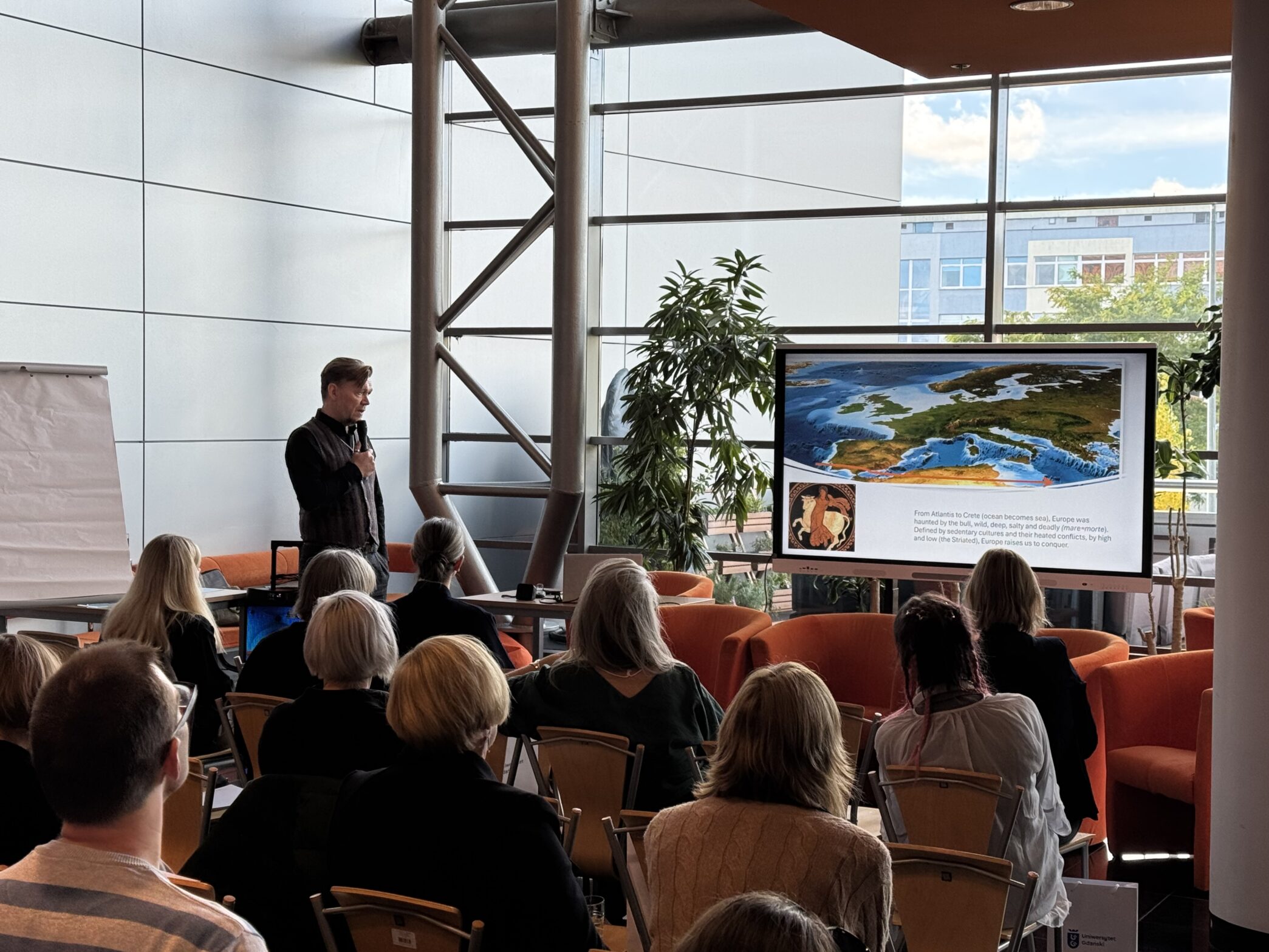
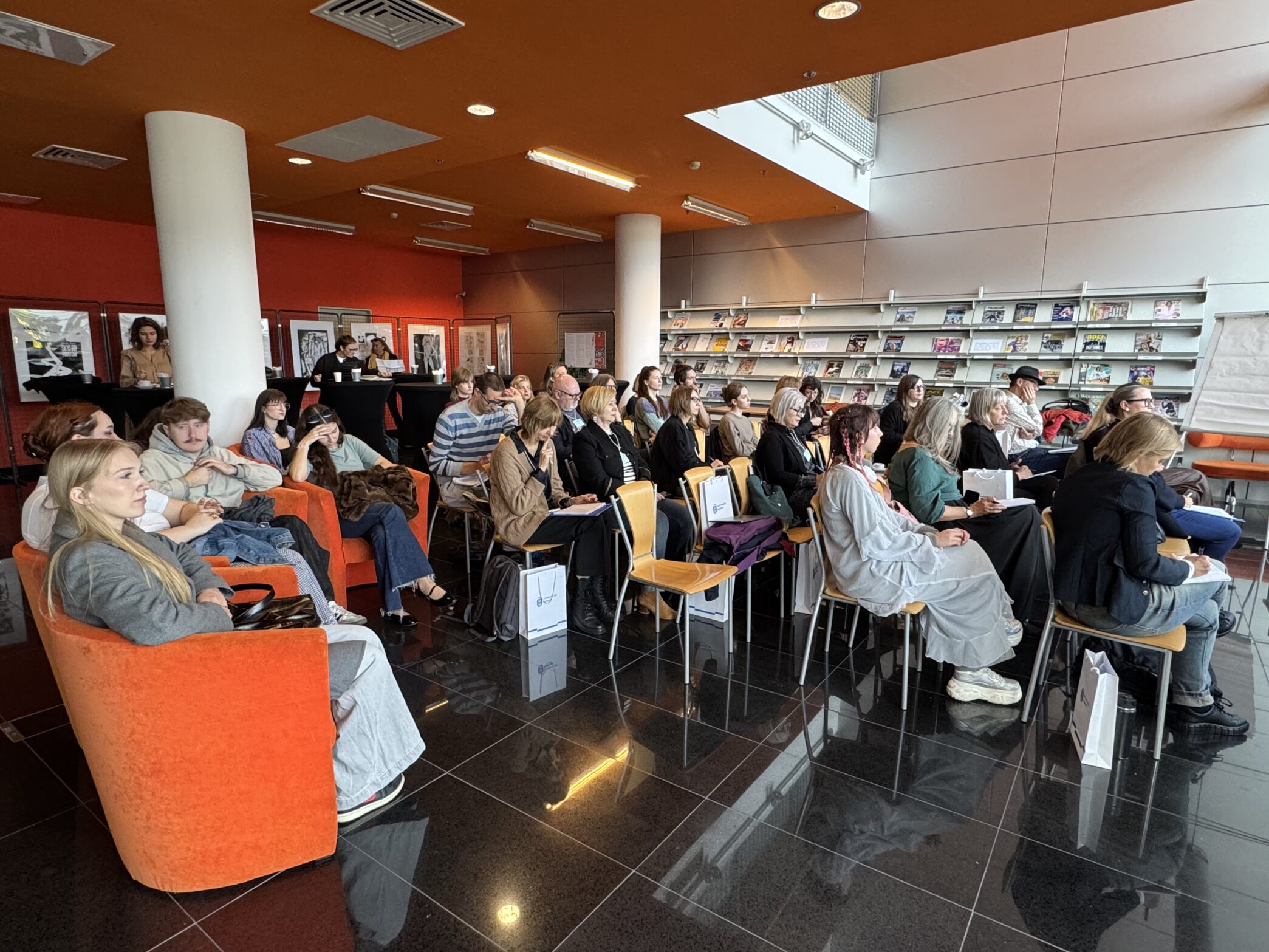
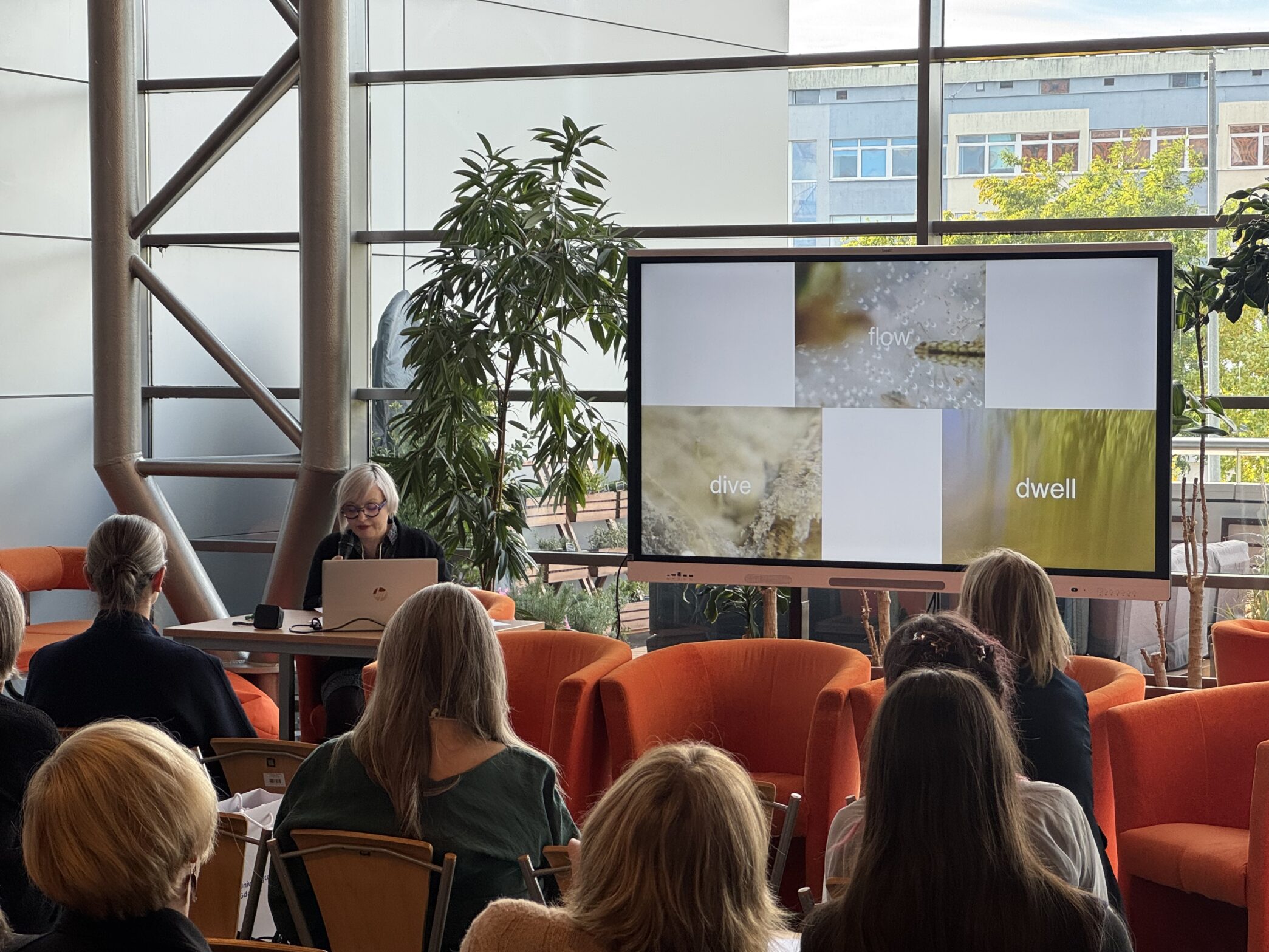
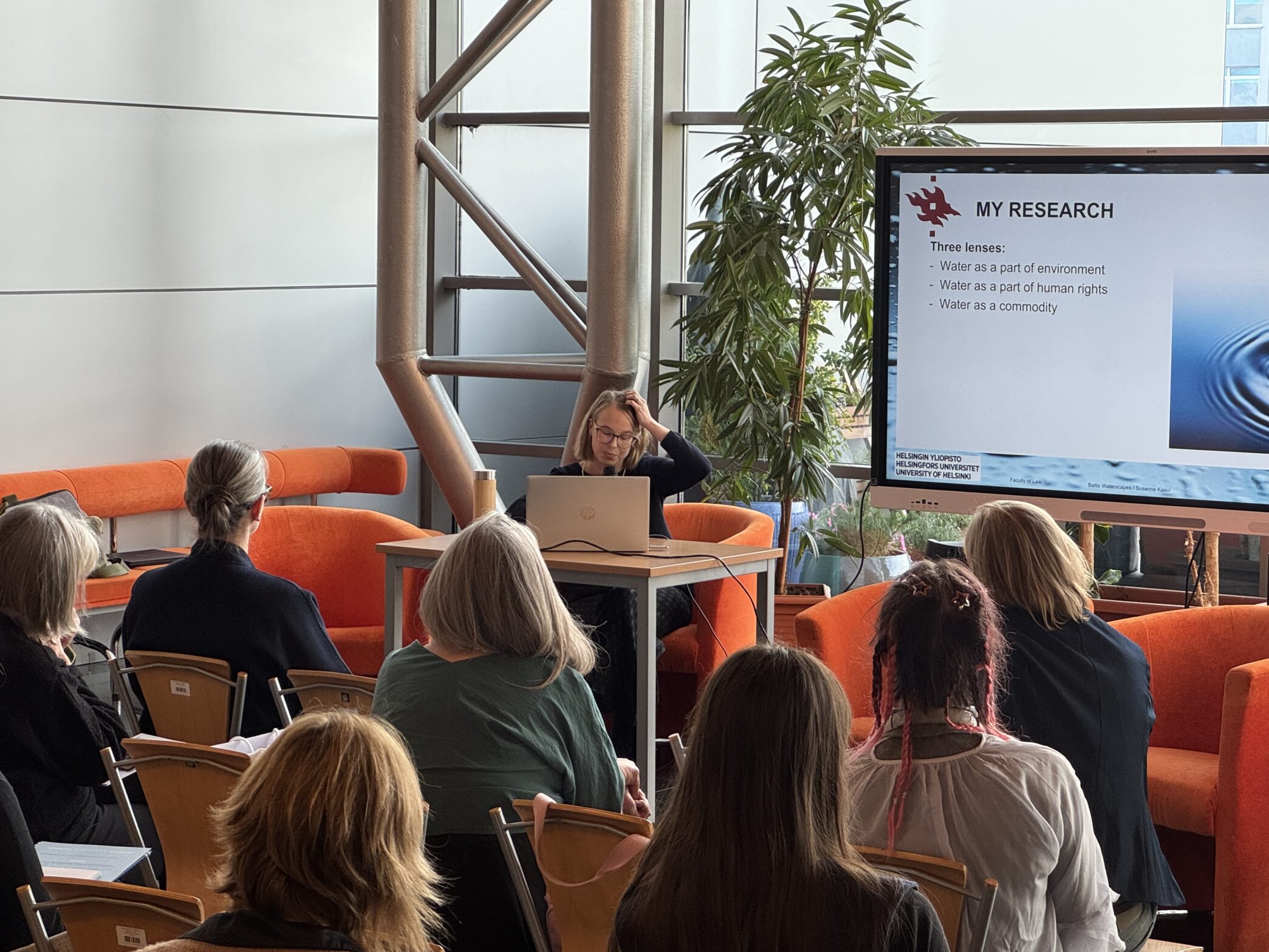
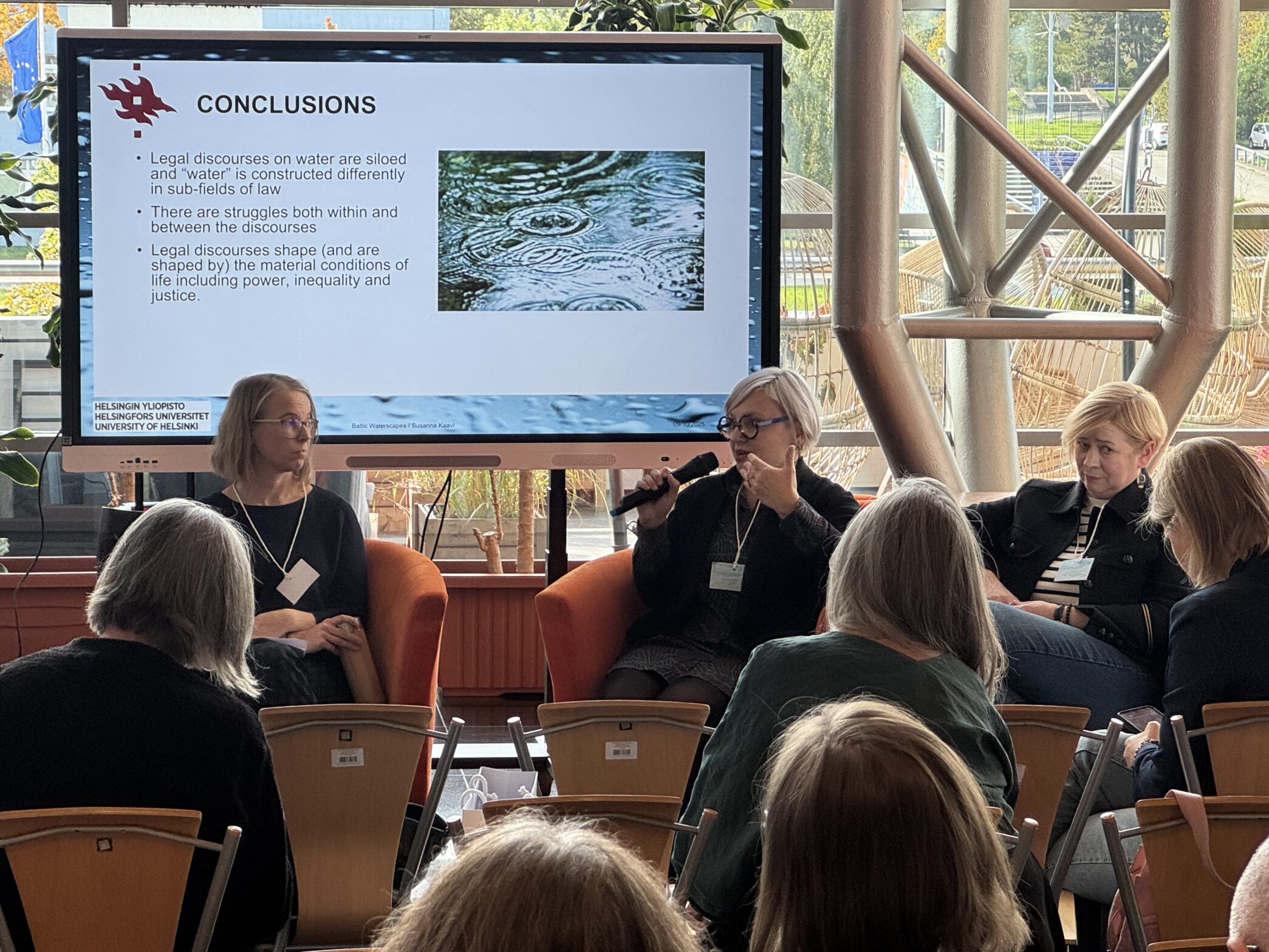
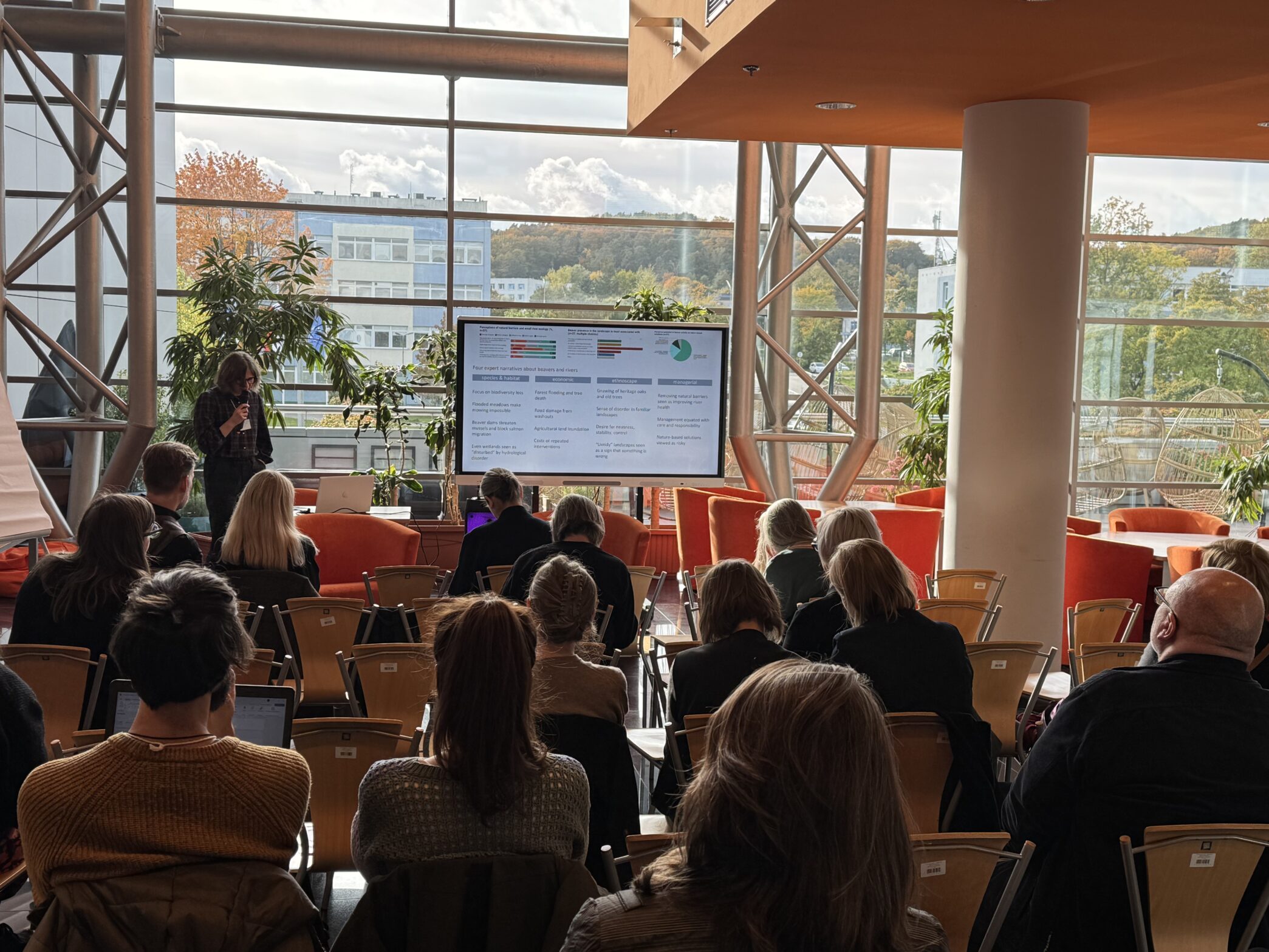
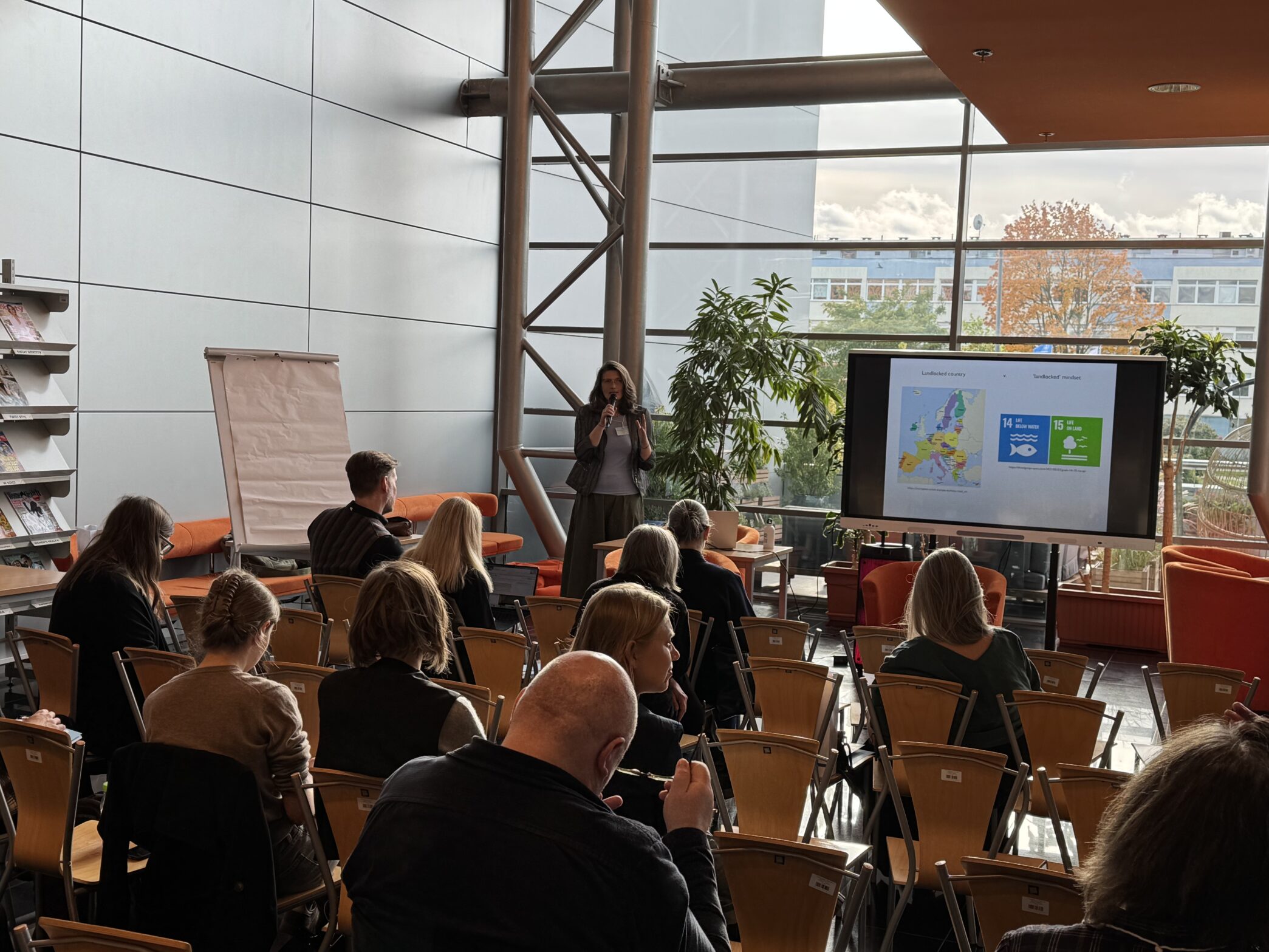
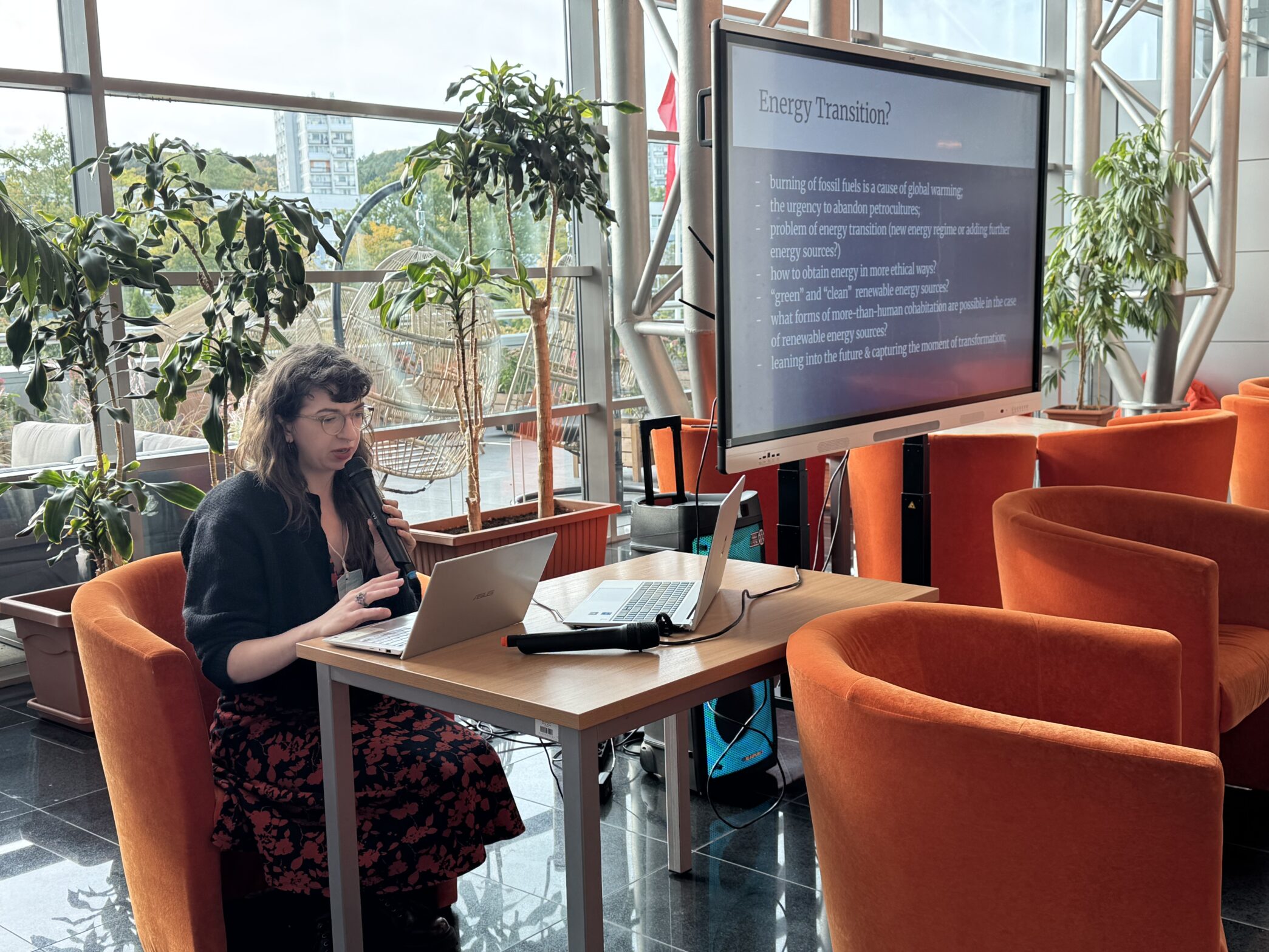
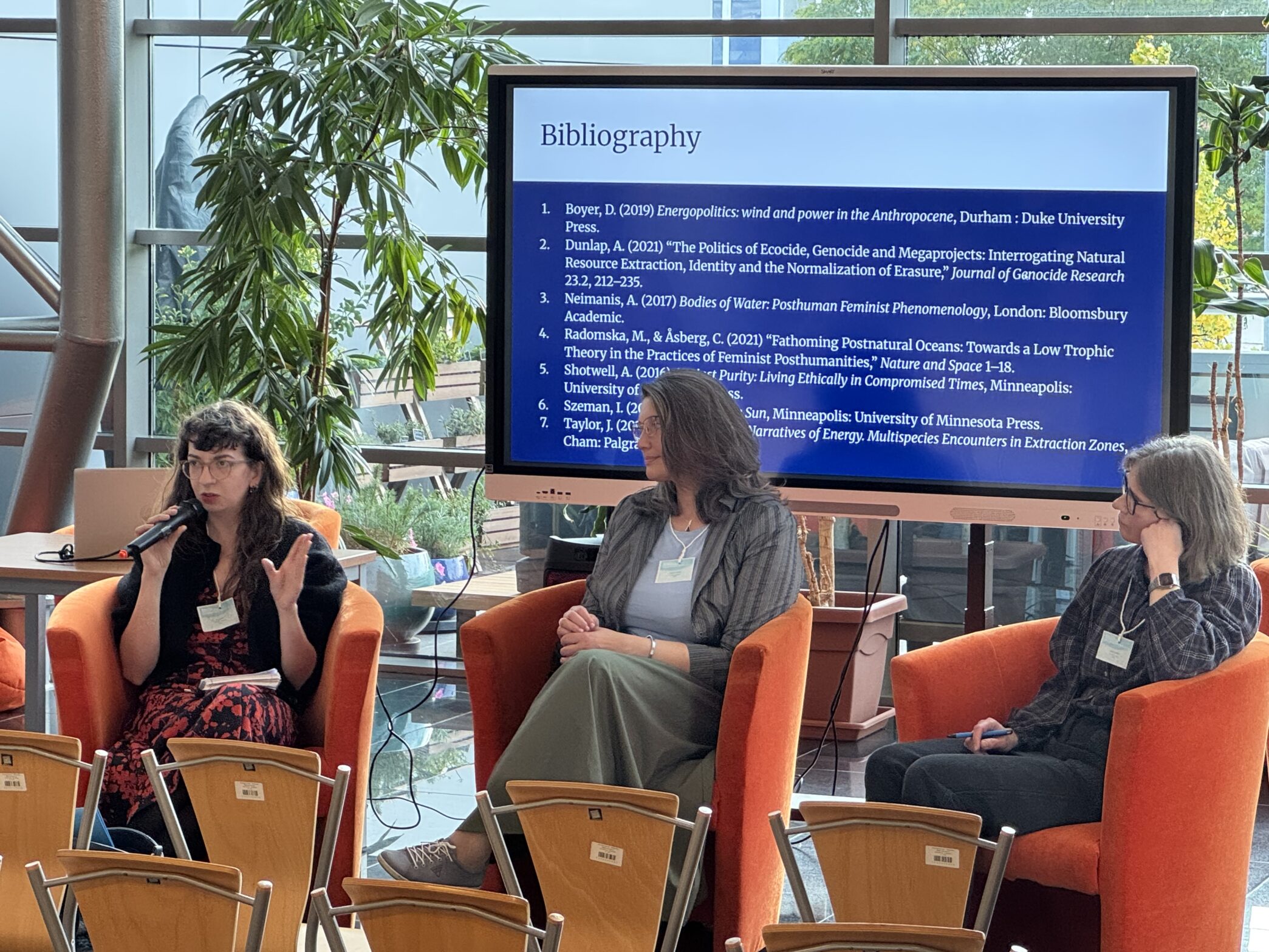
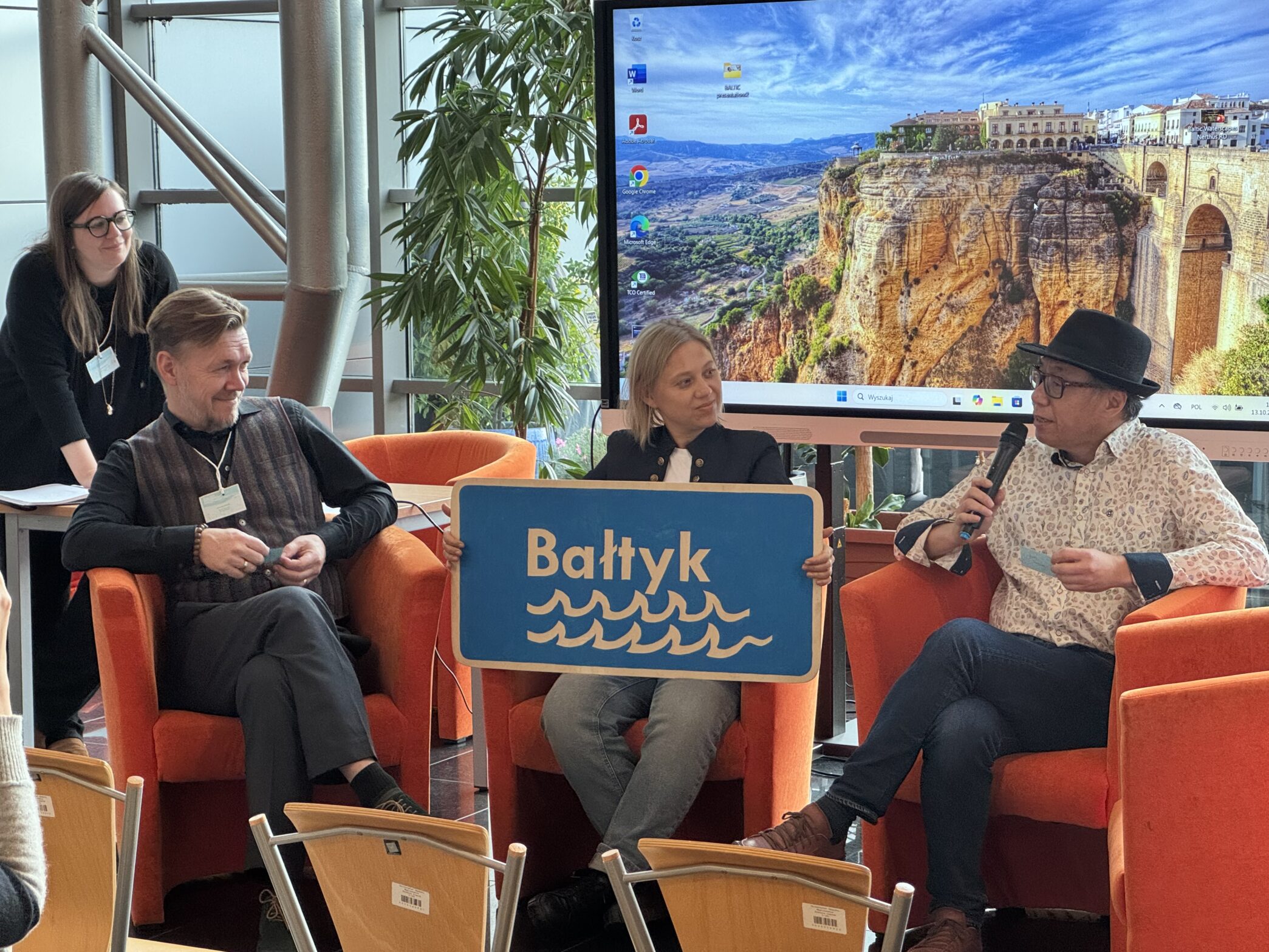
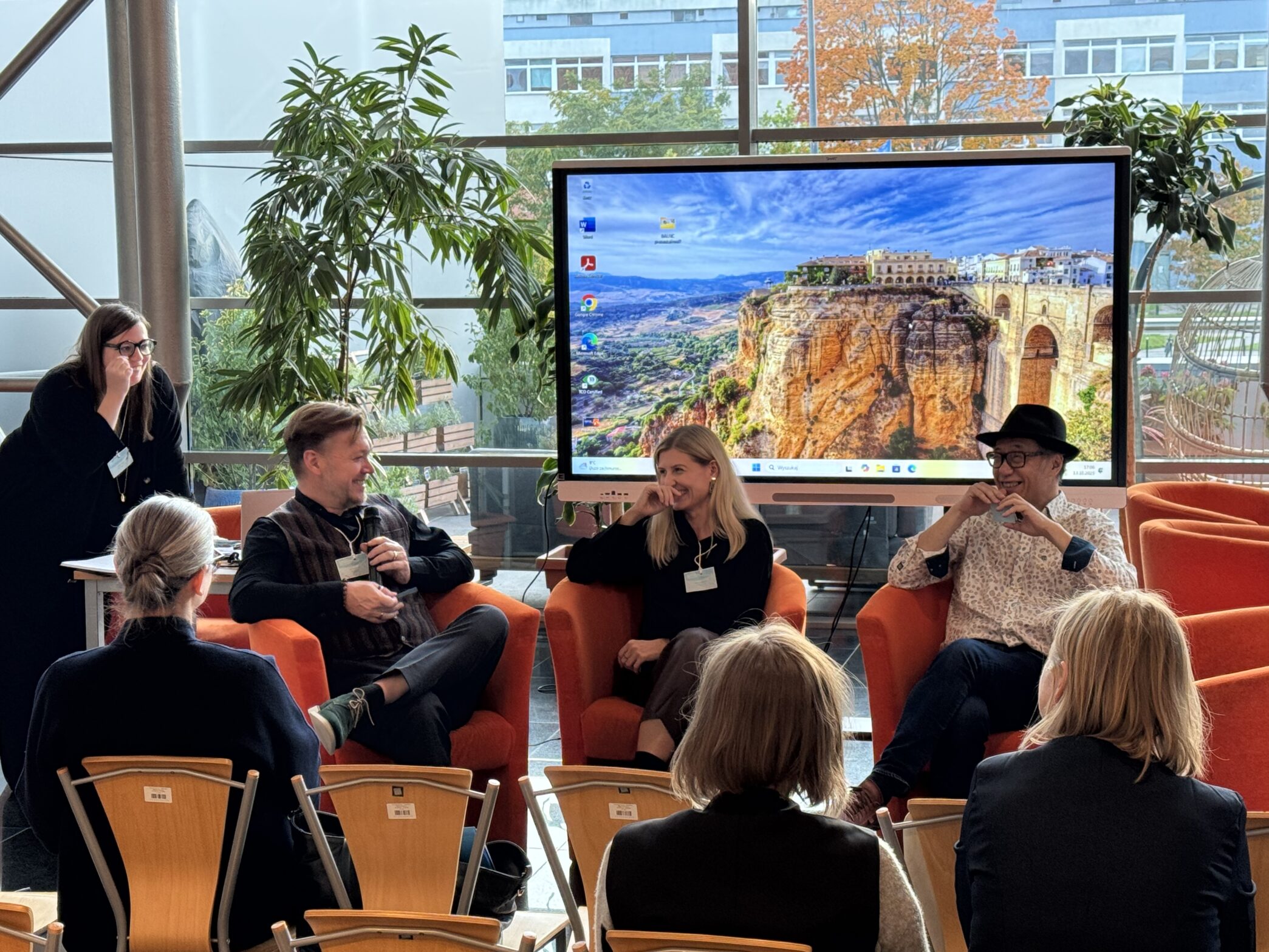
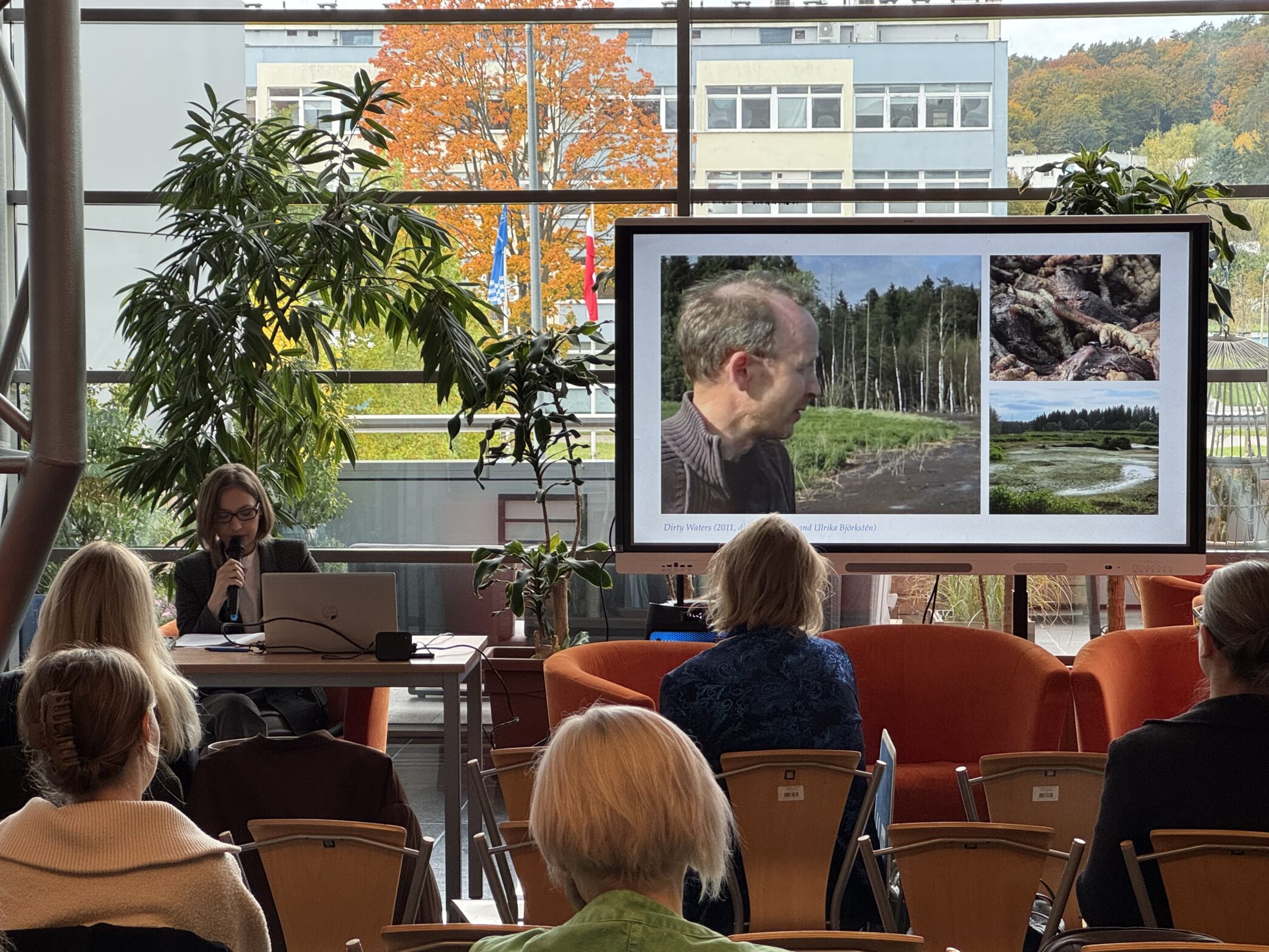
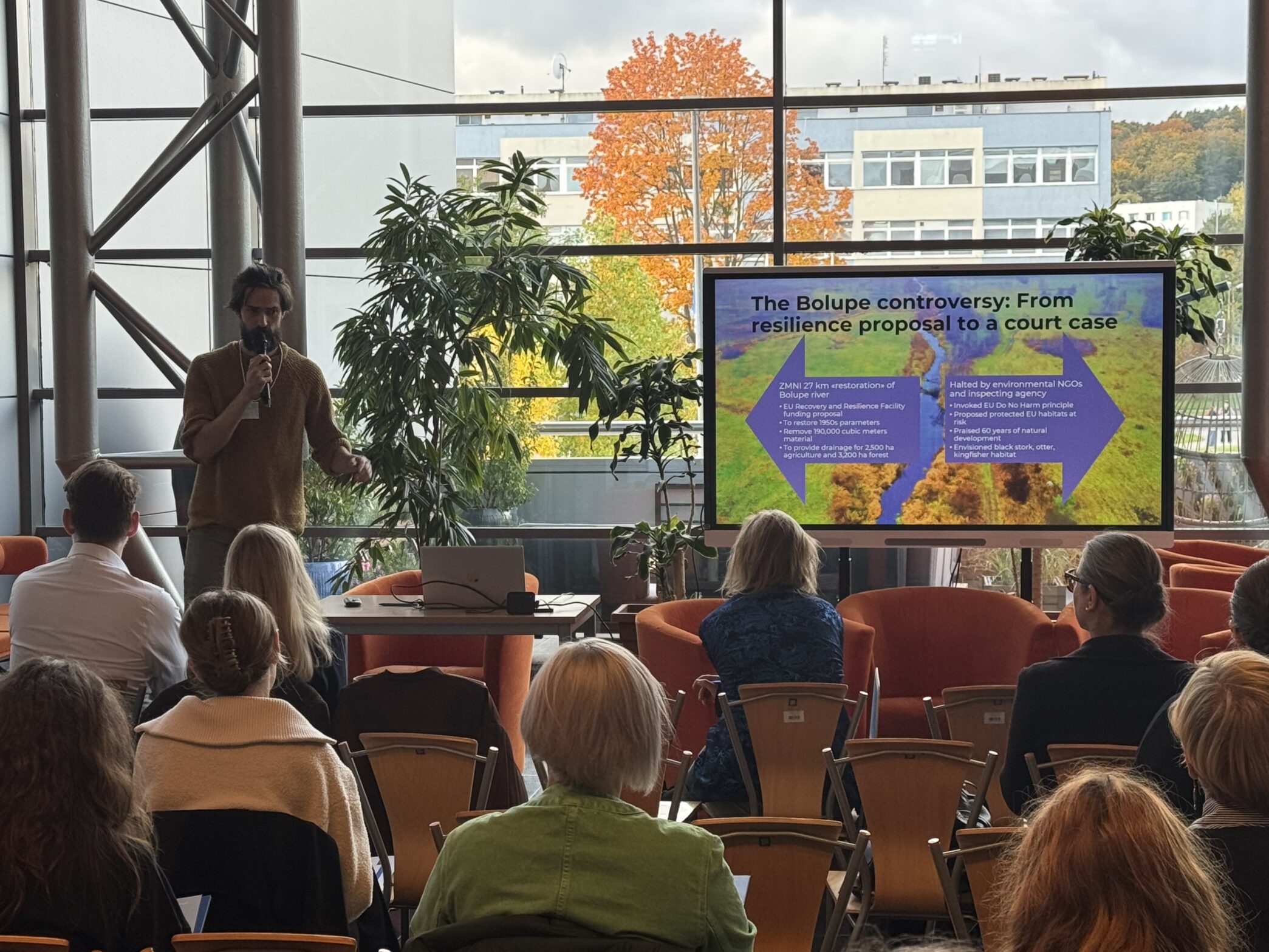
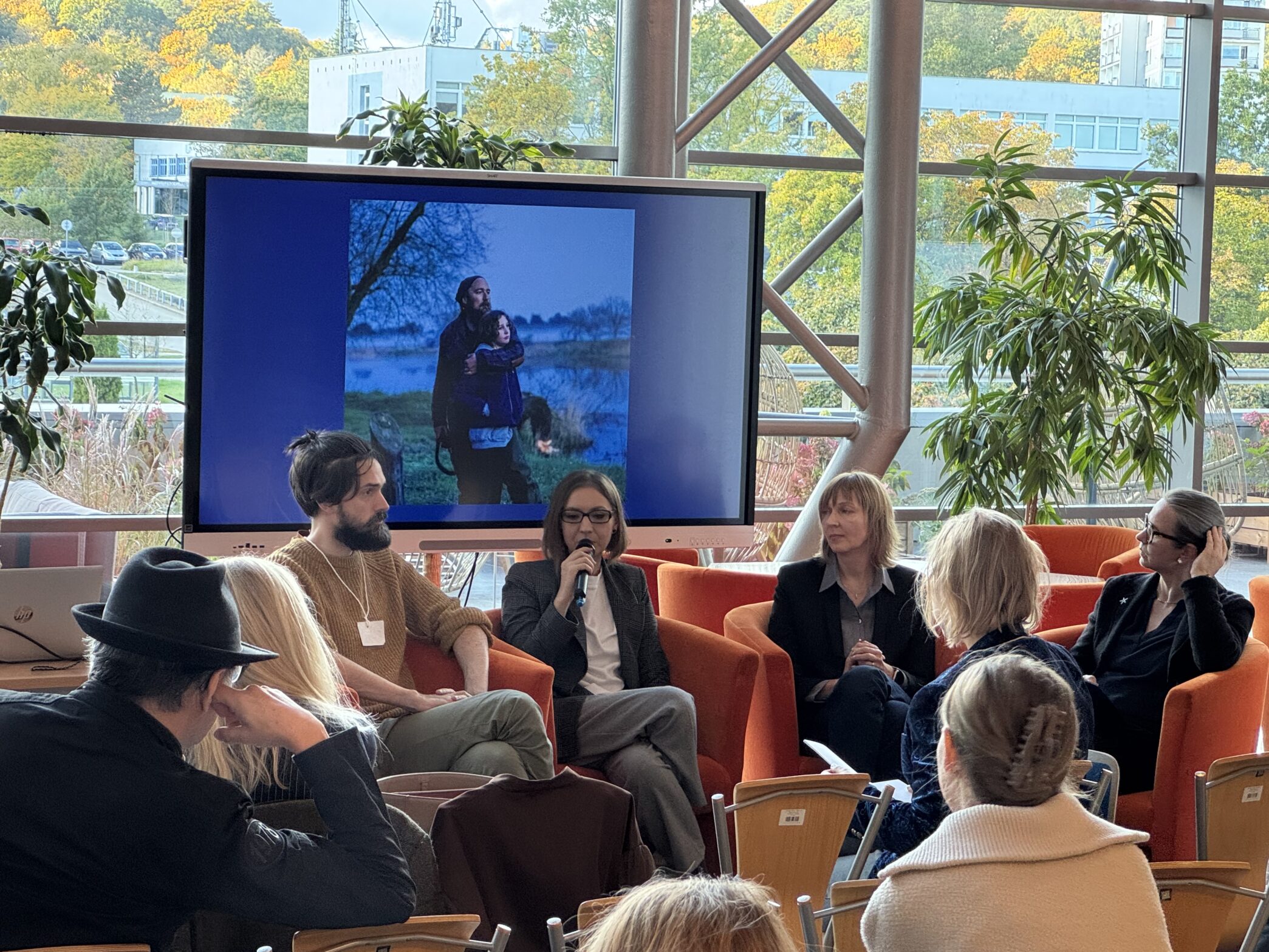
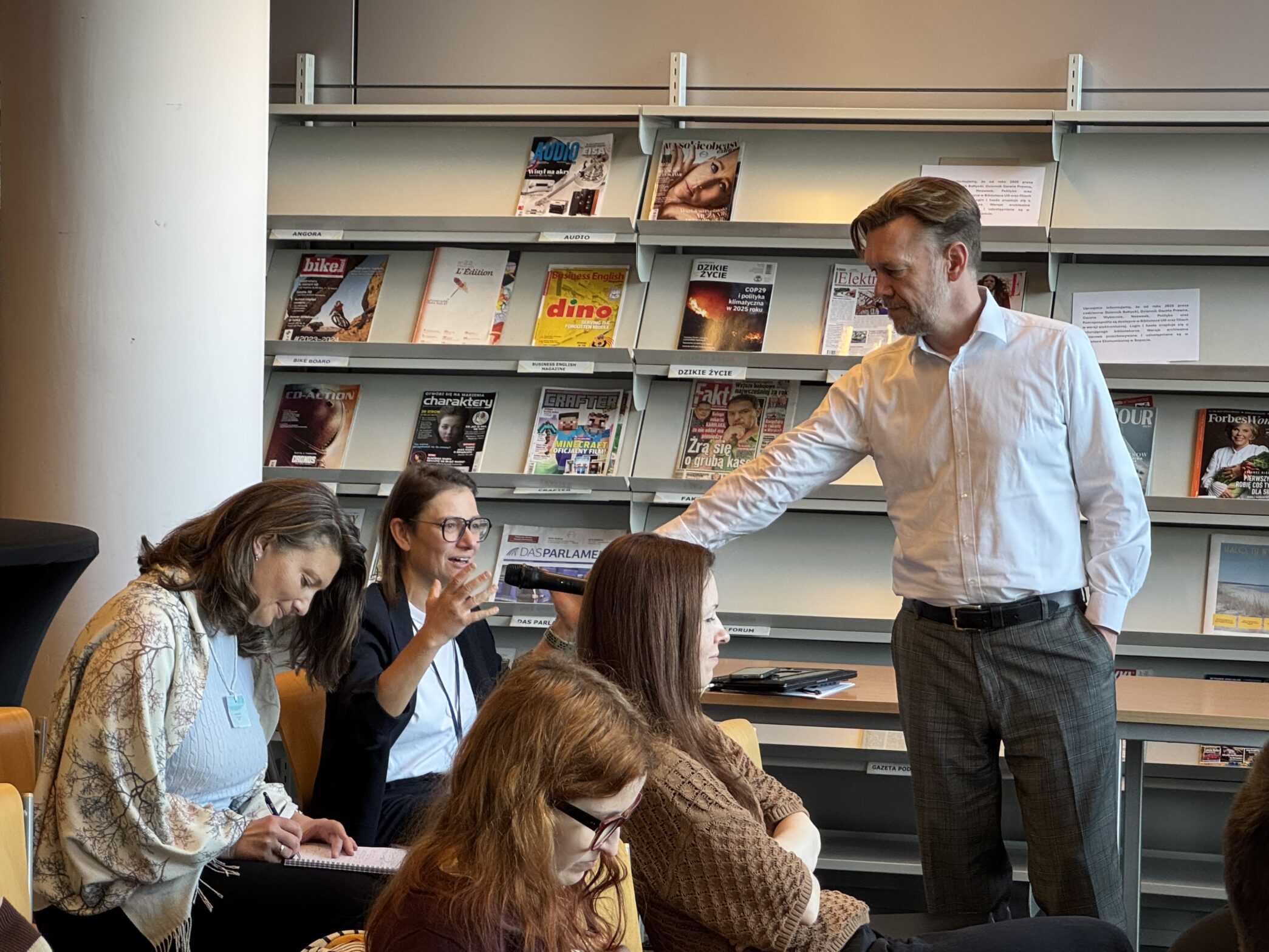
Over two days of lectures, performances, and discussions, participants explored water not only as a physical element, but as a living presence that connects, shapes, and unsettles human and more-than-human worlds. The Baltic Sea — fragile, brackish, and historically layered — became both the subject and the metaphor for these exchanges: a site of encounter between philosophy and art, ecology and politics, ethics and imagination.
 The conversations delved into how bodies of water carry stories of care and survival, how artistic practices can reimagine our relations with aquatic environments, and how legal, ethical, and educational frameworks might evolve when we begin to think “with water” rather than merely about it. Questions of resilience, mourning, and regeneration resonated throughout the sessions, reminding us that to understand the sea is also to listen to its silences, sediments, and histories.
The symposium fostered a deeply interdisciplinary dialogue, blurring the boundaries between science and the humanities, between the personal and the planetary. It invited participants to see water as a teacher, collaborator, and companion in rethinking our shared ecological futures.
Warm thanks to all contributors — speakers, artists, and participants — whose presence and ideas made this gathering an inspiring journey.
dr Michał Pruszak