

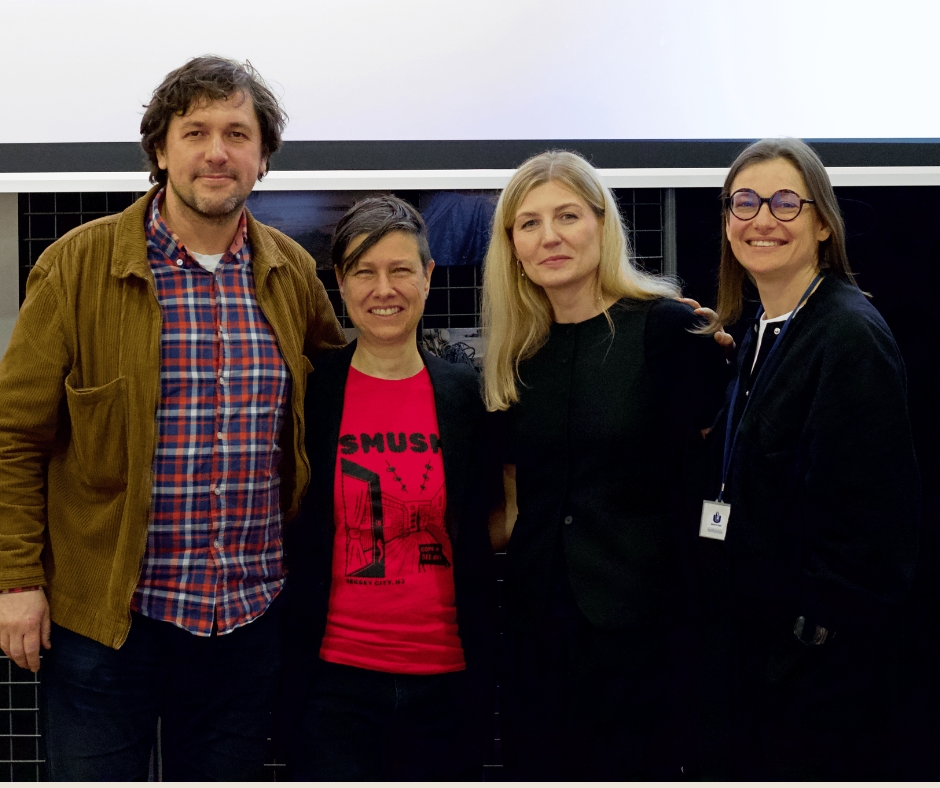
On April 28, 2026, the University of Gdańsk Library Gallery hosted a university-wide seminar titled “Ecologies of Dance – Soil, Weeds, and Trash,” featuring visiting artist and researcher Jill Sifah Sigman.
Main photo (from left): Tomasz Wiśniewski, Jill Sifah Sigman, Irena Chawrilska, Katarzyna Pastuszak
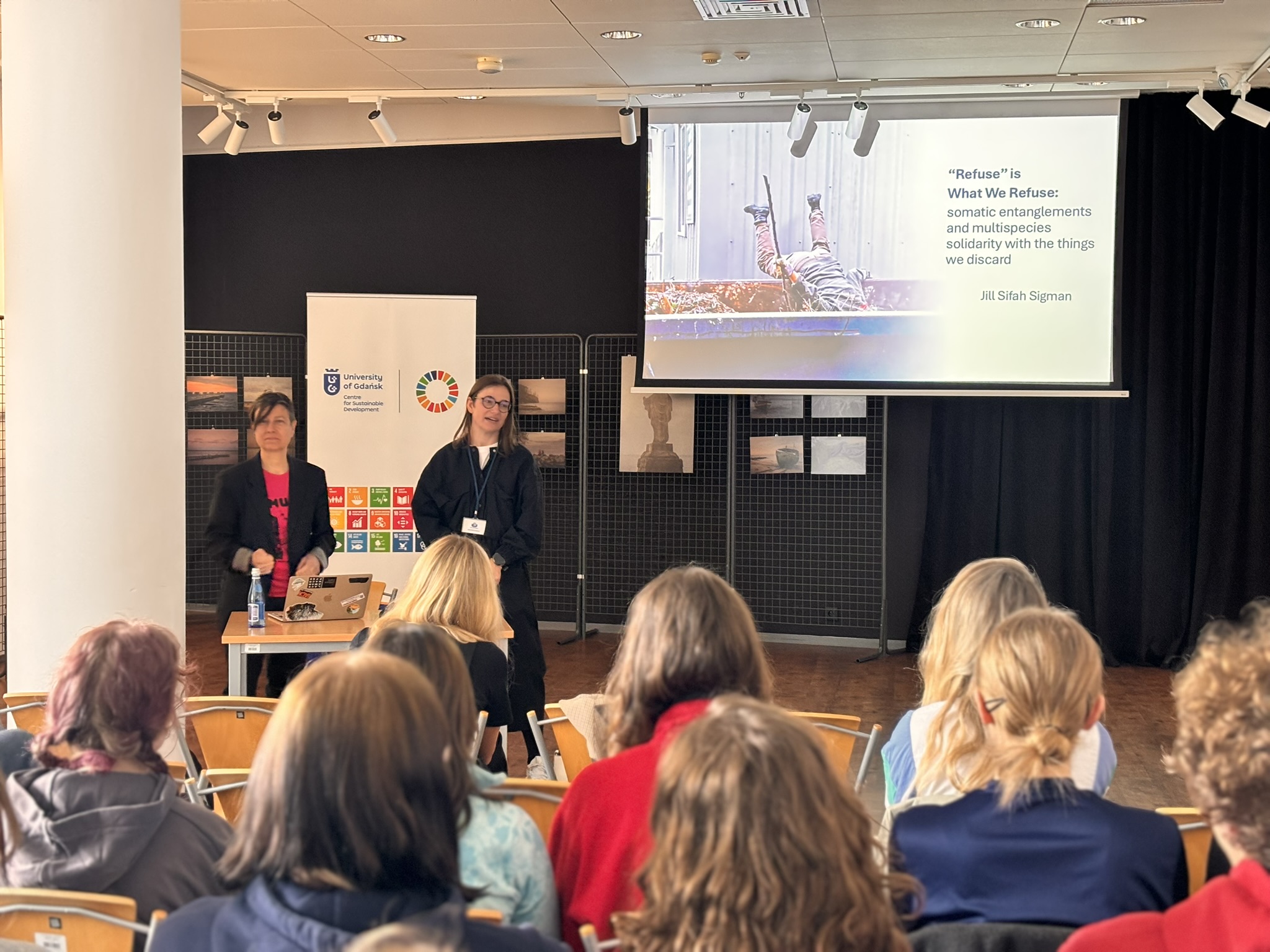
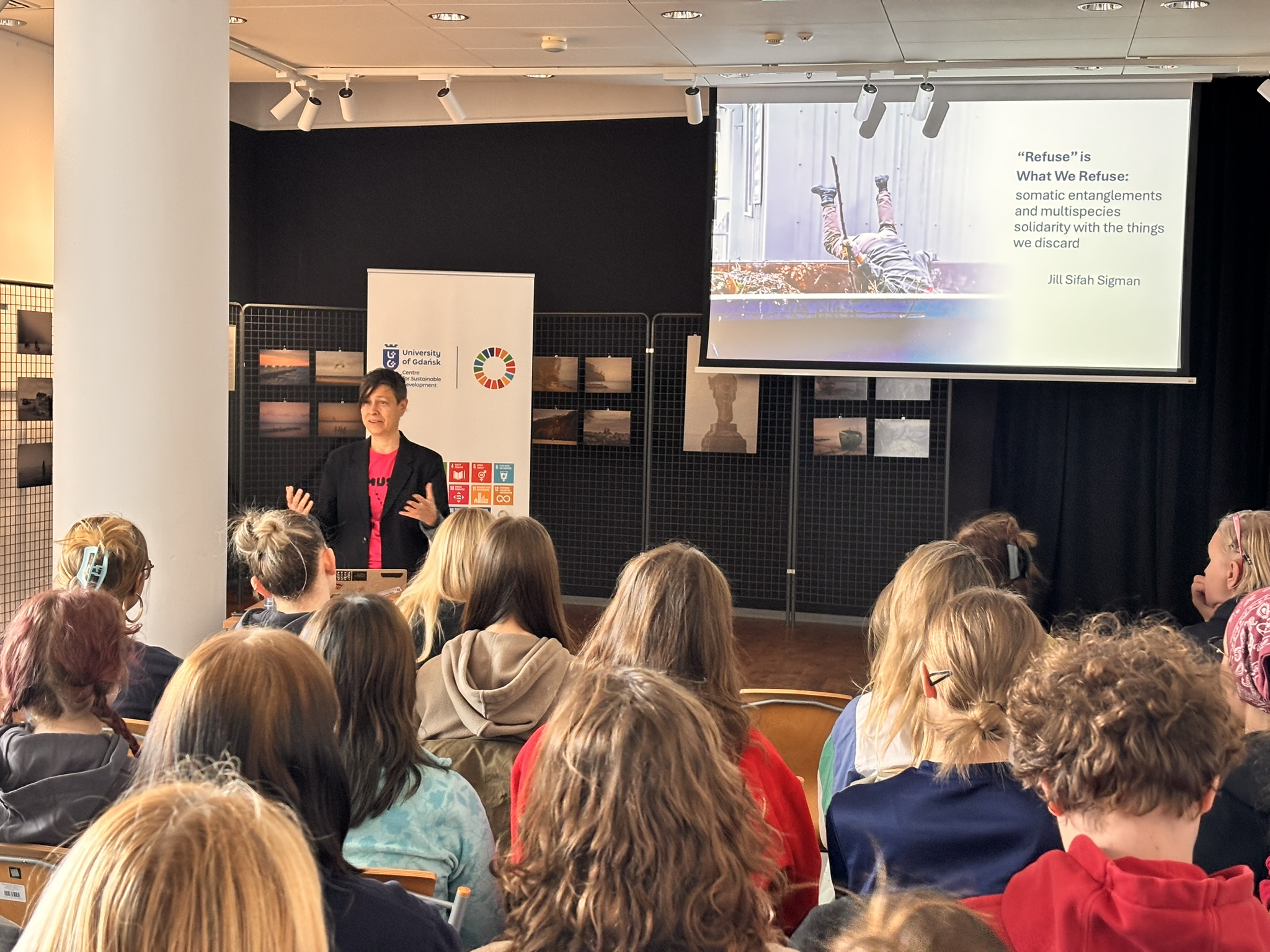
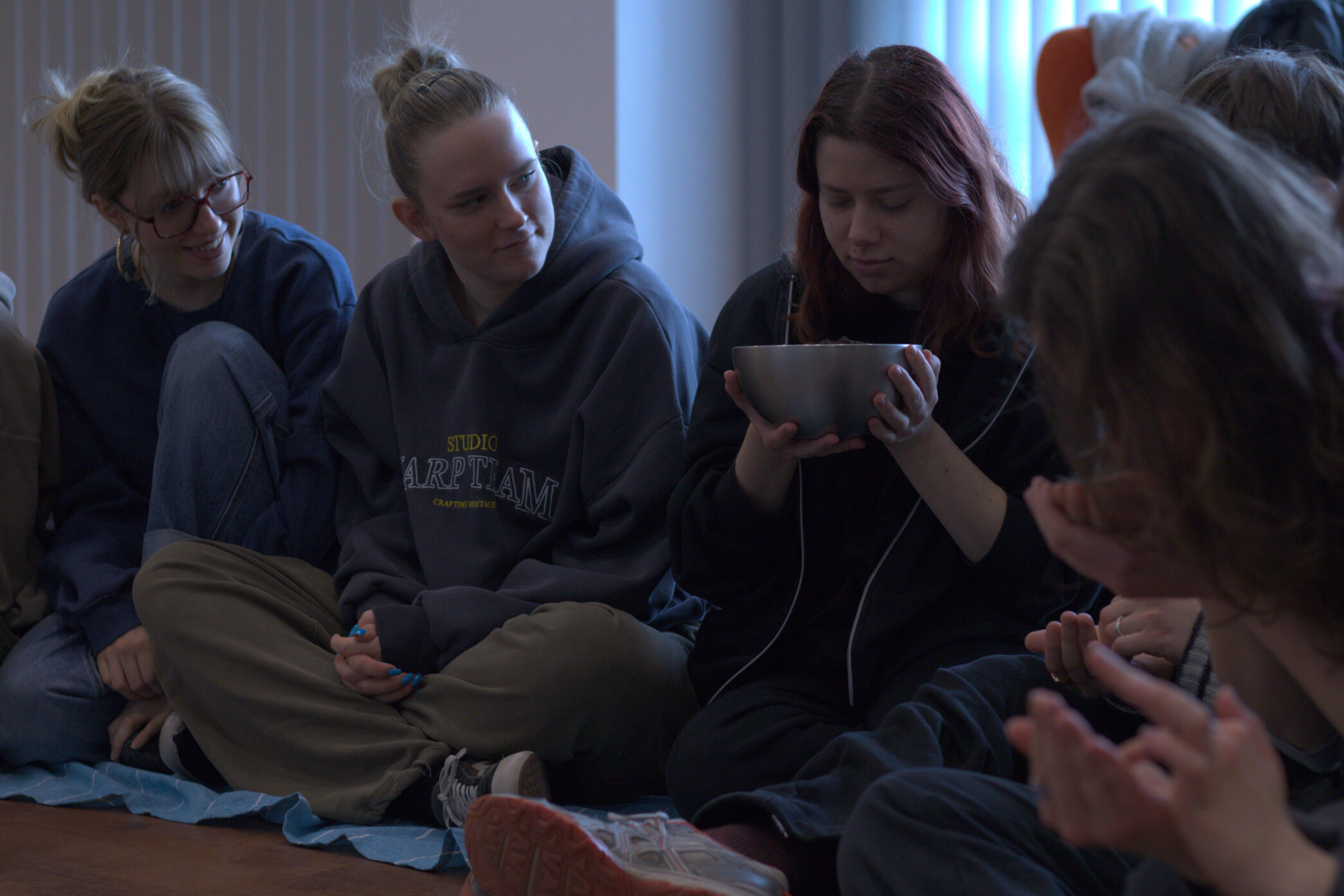
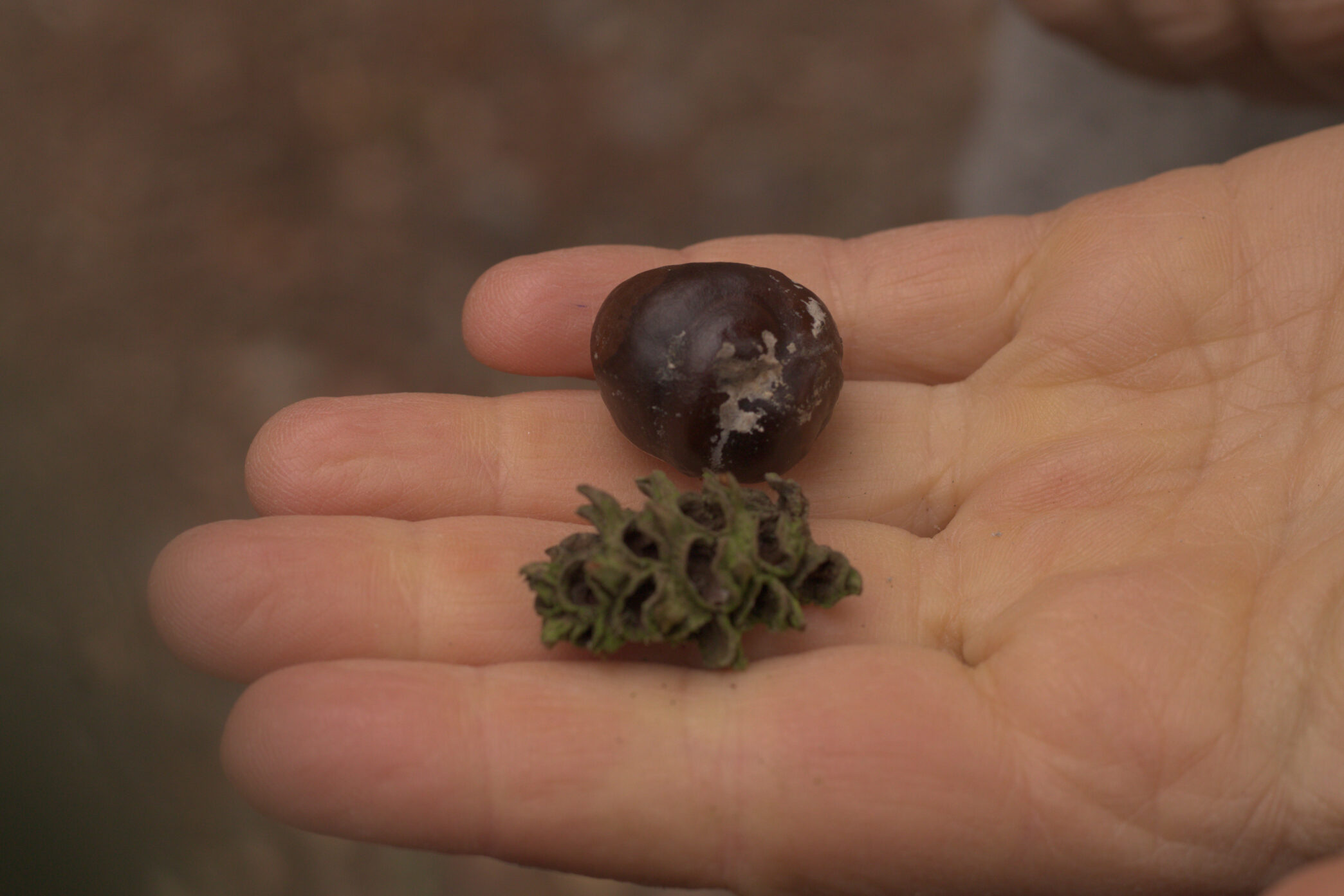
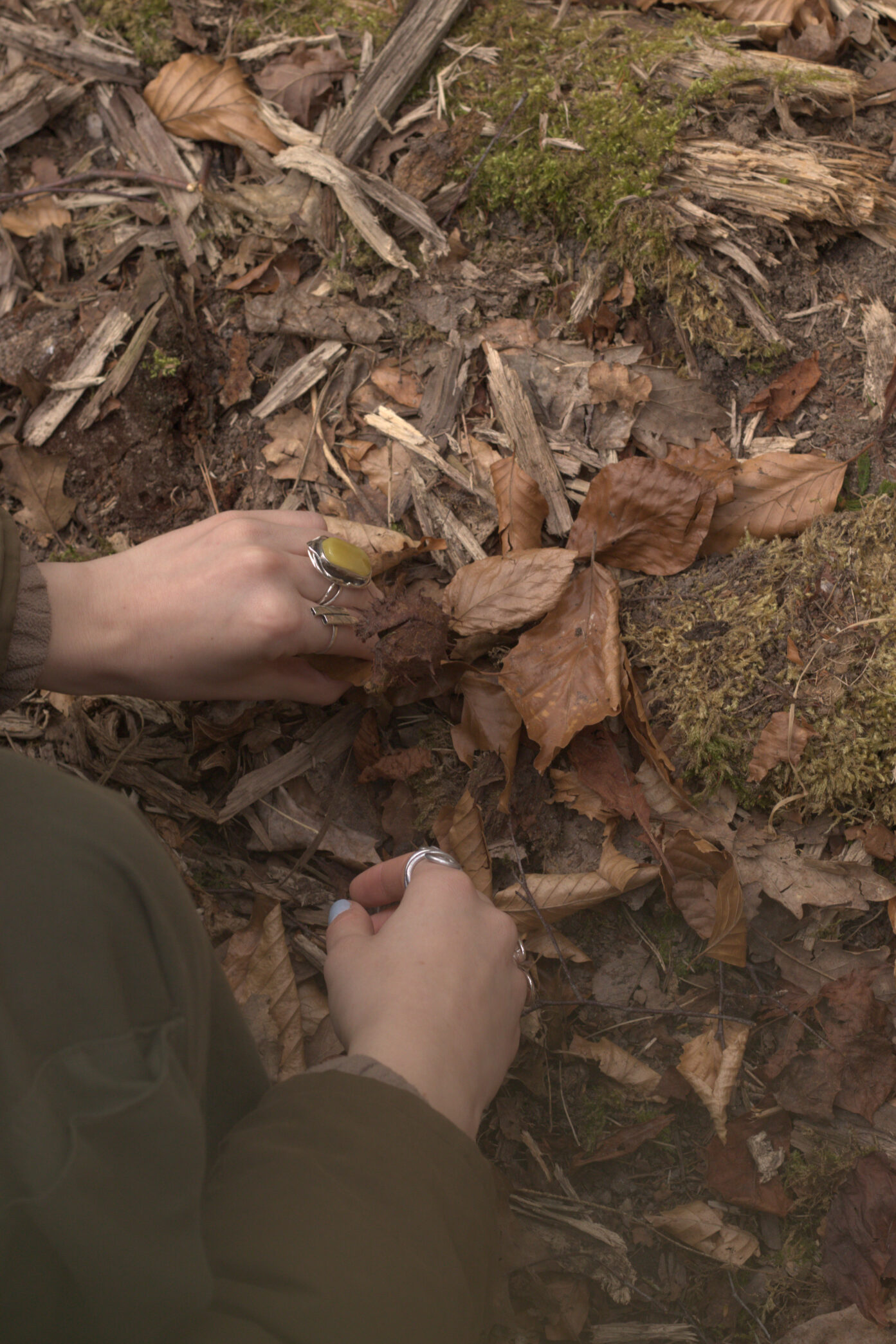
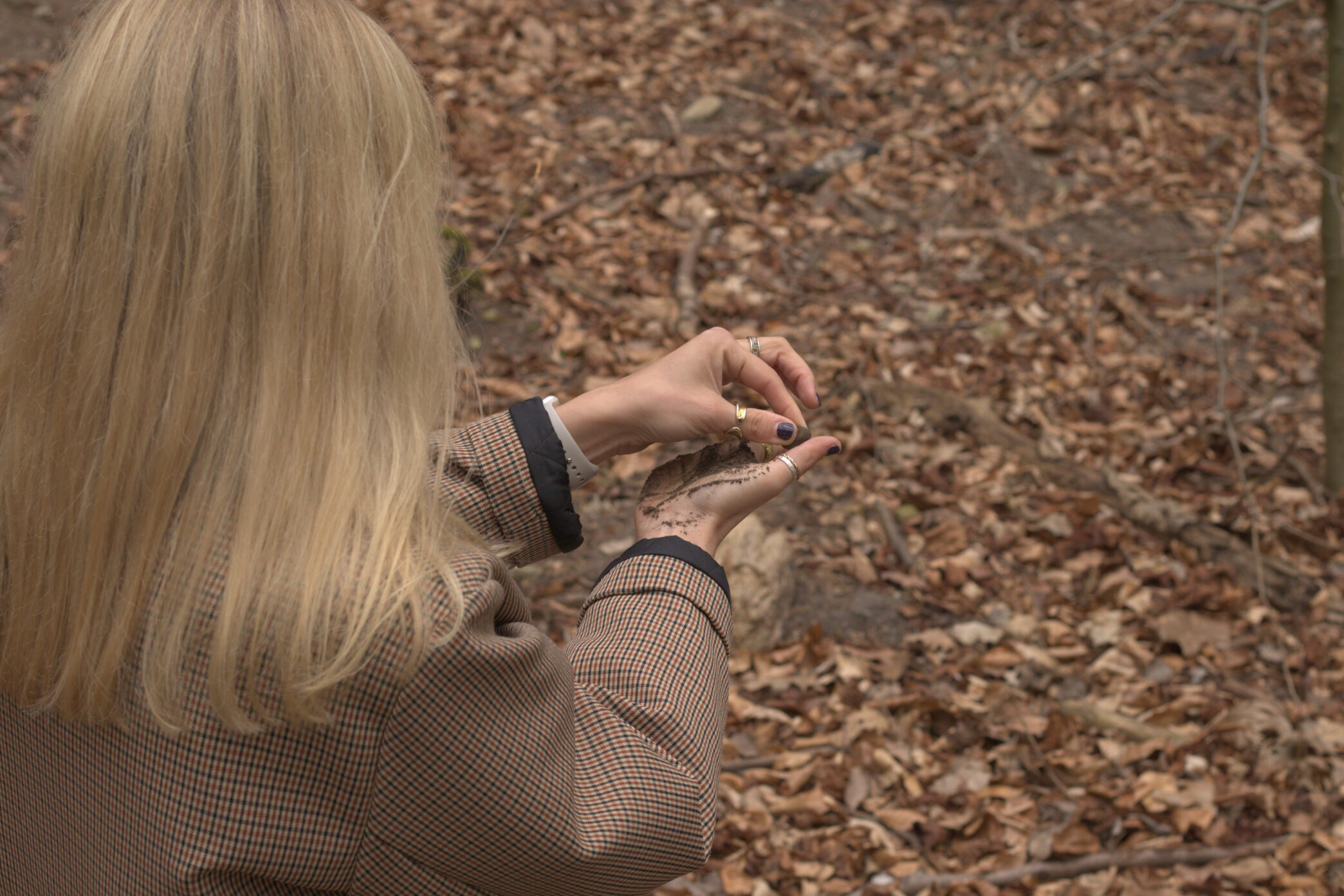
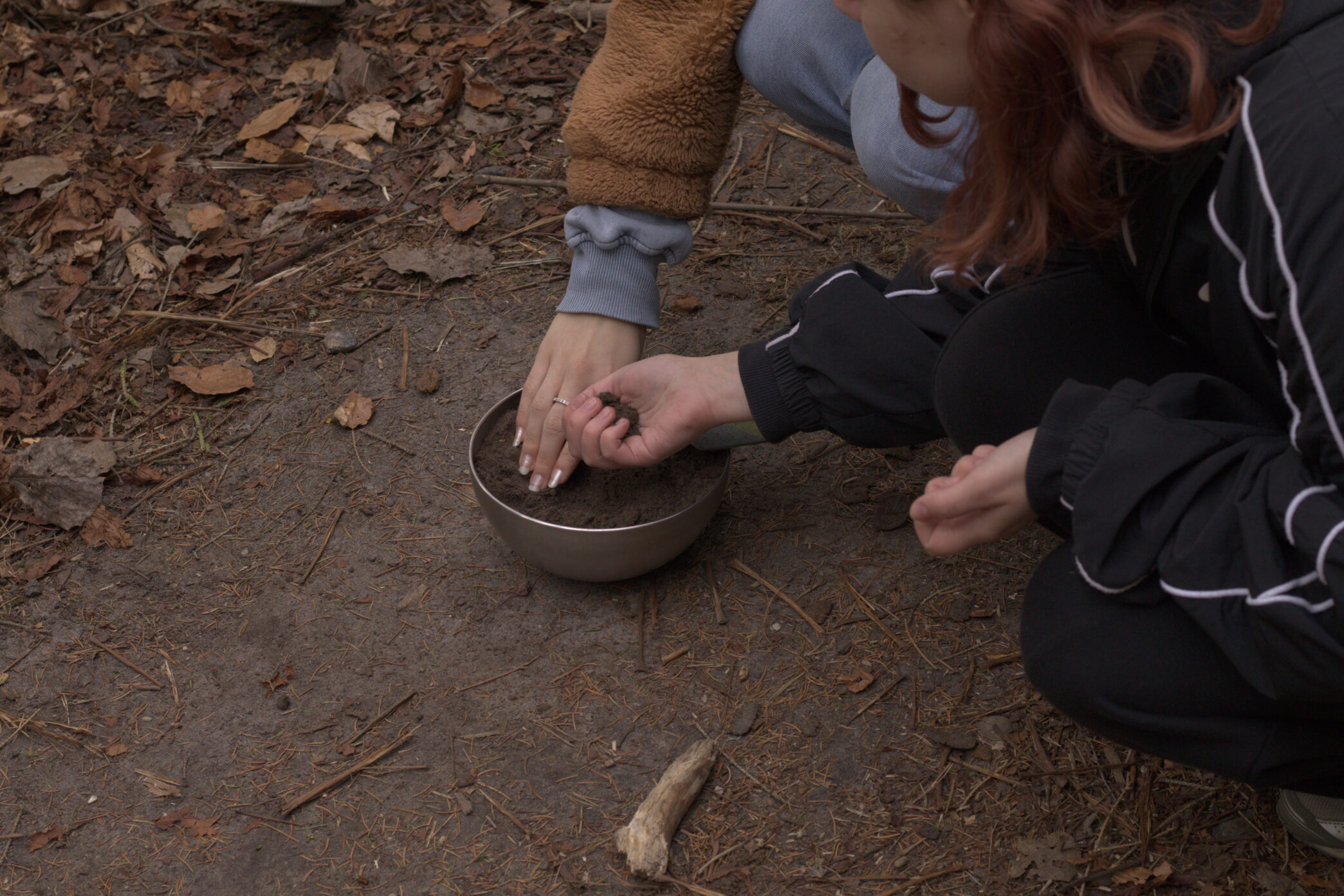
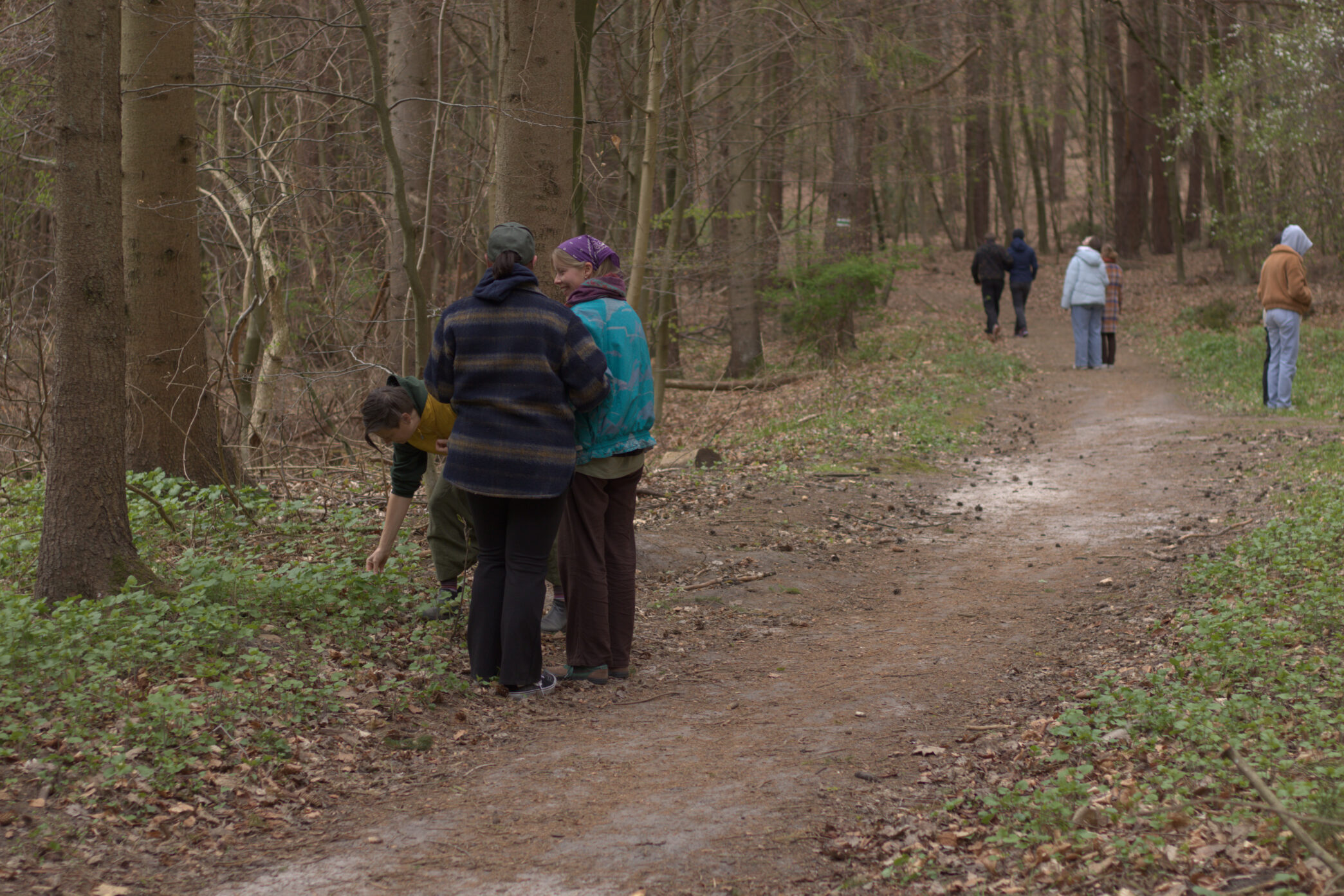
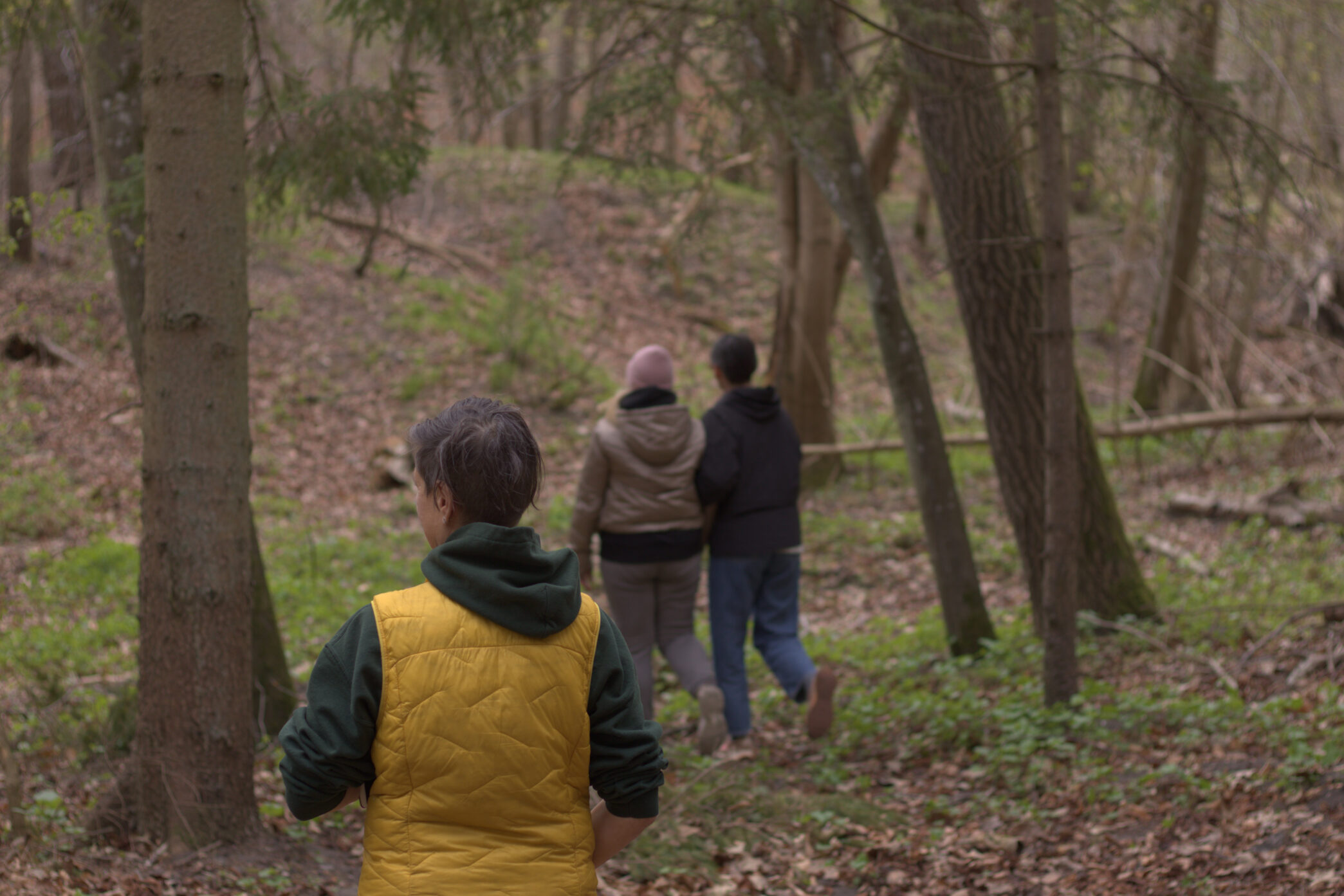
Photo: Natalia Chylińska, Szymon Gronowski
The event began with a lecture “Refuse is What We Refuse: somatic entanglements and multispecies solidarity with the things we discard,” during which Jill Sifah Sigman presented choreographic practice as a way of entering into somatic relationships with waste, soil, and “weeds,” treated not as refuse but as kin and co-creators of a shared world. Developing post-humanist and queer themes, she drew on concepts such as entanglement, kinship, and transcorporeality, situating her own projects—The Hut Project, Weedy Heart, and Go Between—within the context of ecological justice, critiques of petro-capitalism, and rewilding practices. Starting from specific site-specific actions (building structures from waste, working with “weeds,” performances with soil) and tools such as somatic empiricism, microsociety, and ritual, Sigman proposed understanding choreography as a laboratory for making kin with non-human ecologies and as a practice that can initiate processes of care, regeneration, and political testimony in the face of the climate crisis.
As part of the workshop accompanying the lecture, “Soil As Story — a workshop on listening to the earth,” students from the University of Gdańsk and artists from the Tri-City art scene worked together both at the University of Gdańsk Library Gallery and in Zajęcza Dolina within the Tri-City Landscape Park, in the immediate vicinity of the campus. Practices of somatic listening to the soil, movement with soil samples, writing, and conversation allowed participants to experience the soil as a living archive where traces of personal histories, local ecosystems, and broader climatic, political, and colonial processes intertwine. The site-specific nature of the work—the transition from the gallery space to the forest—heightened awareness of the body’s situatedness within the landscape and underscored the relational nature of knowledge that emerges from attentive, communal engagement with the earth.
The seminar “Ecologies of Dance—Soil, Weeds, and Trash” took place as part of the Between.Pomiędzy 2026 Festival. Jill Sifah Sigman’s workshop is part of the “Sharing Crafts” research project coordinated by Dr. Katarzyna Pastuszak within the framework of the Between.Pomiędzy Research Studio and the Between. Pomiędzy 2026. The event was co-organized by the Center for Sustainable Development as part of the More-than-Human Studies Lab program coordinated by Dr. Irena Chawrilska.