

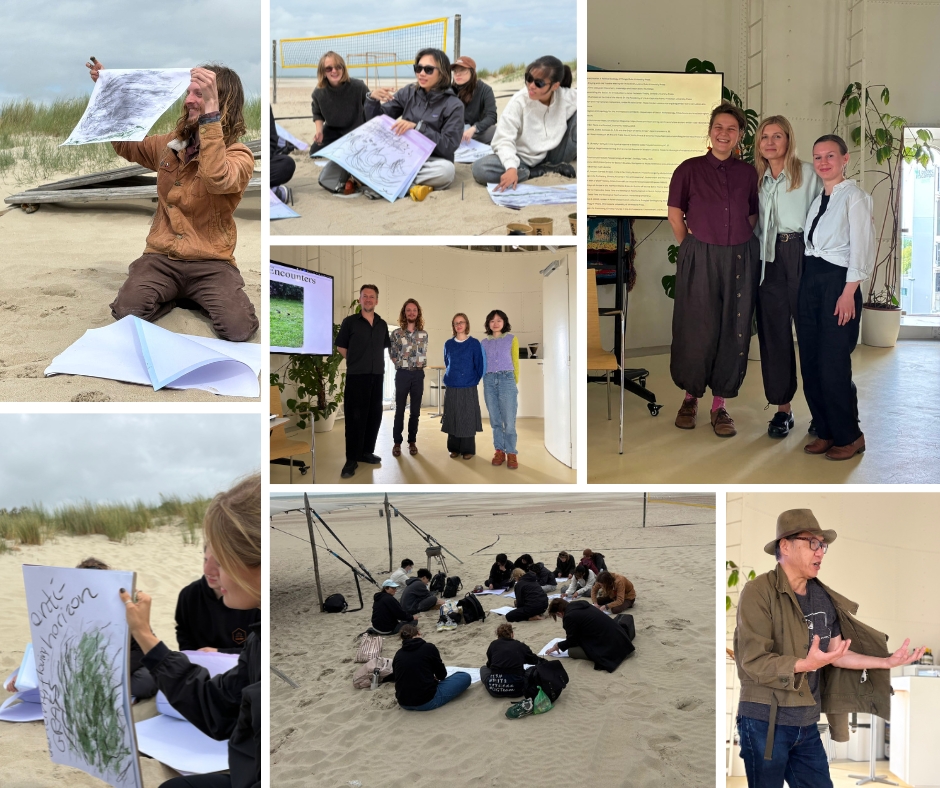
The first edition of the More-than-Human Studies Lab: Global Classroom 2026 took place in the first half of June, from June 1 to 14, 2026. The event was organized by Dr. Rick Dolphijn of Utrecht University, Dr. Irena Chawrilska of the University of Gdańsk, and Dr. Winnie Yee of The University of Hong Kong, in collaboration with RADIUS, Centre for Contemporary Art and Ecology in Delft. The program included a week of online sessions followed by a week of on-site research and artistic work in Utrecht, Rotterdam, and Zeeland.
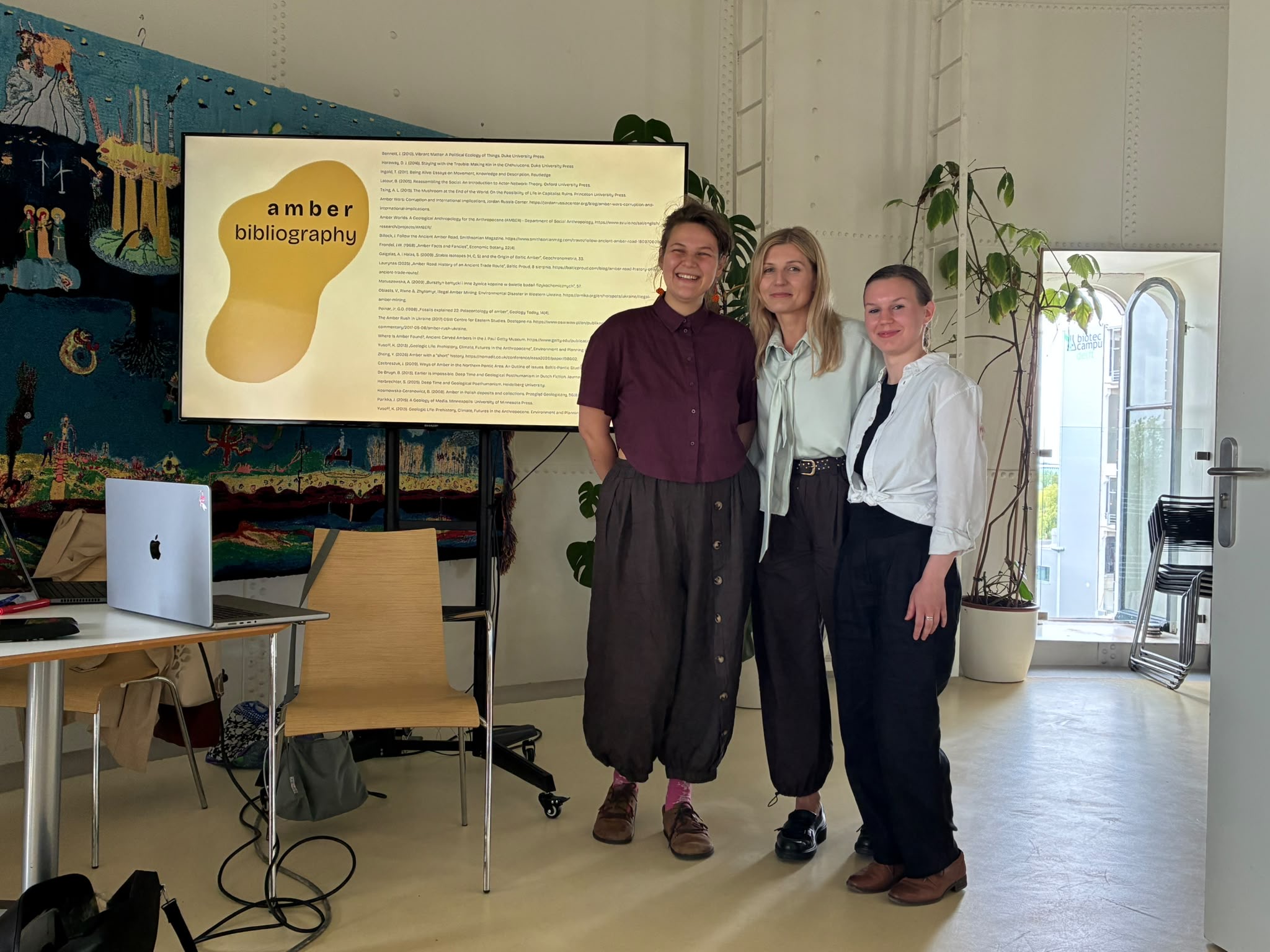
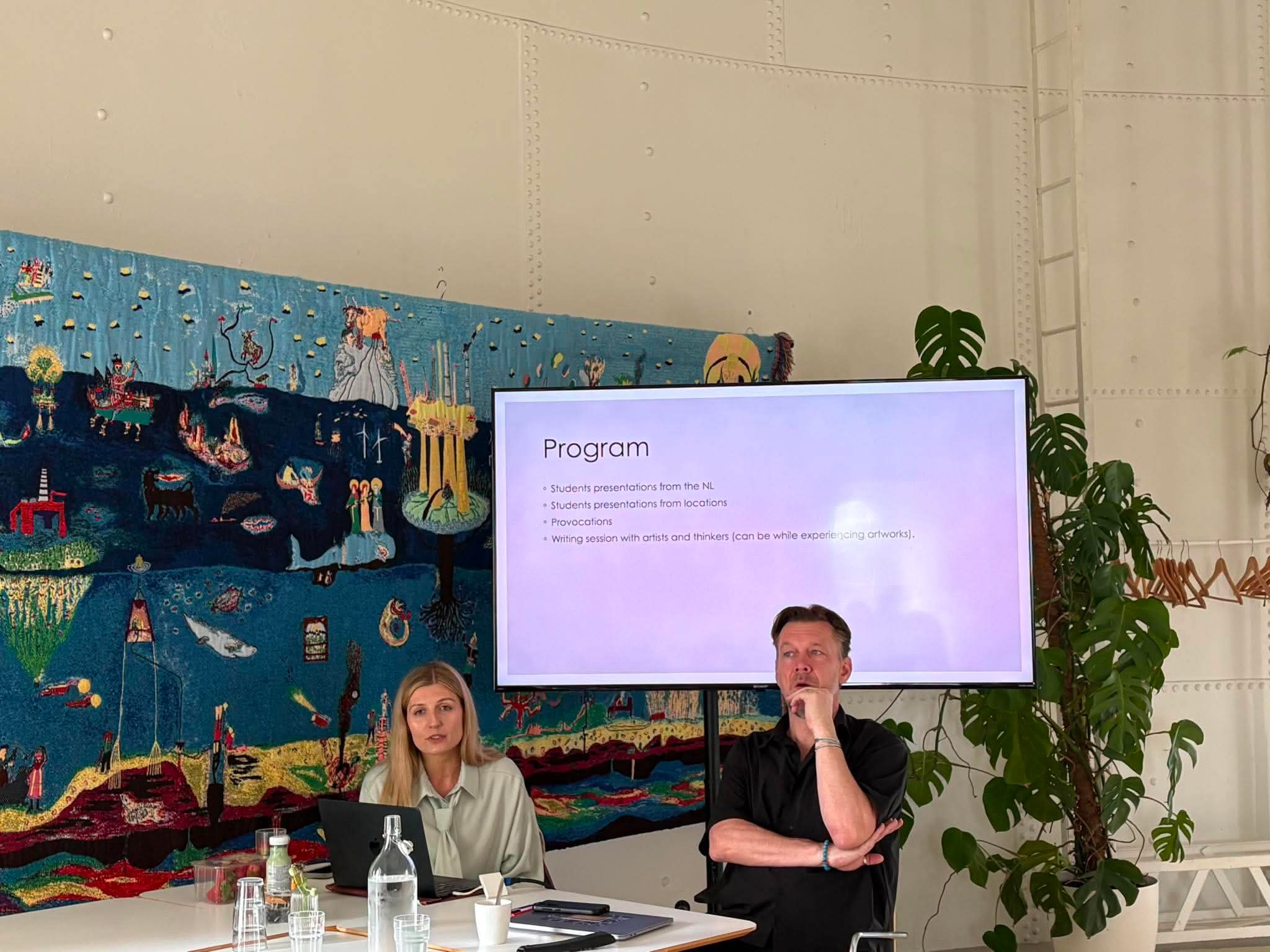
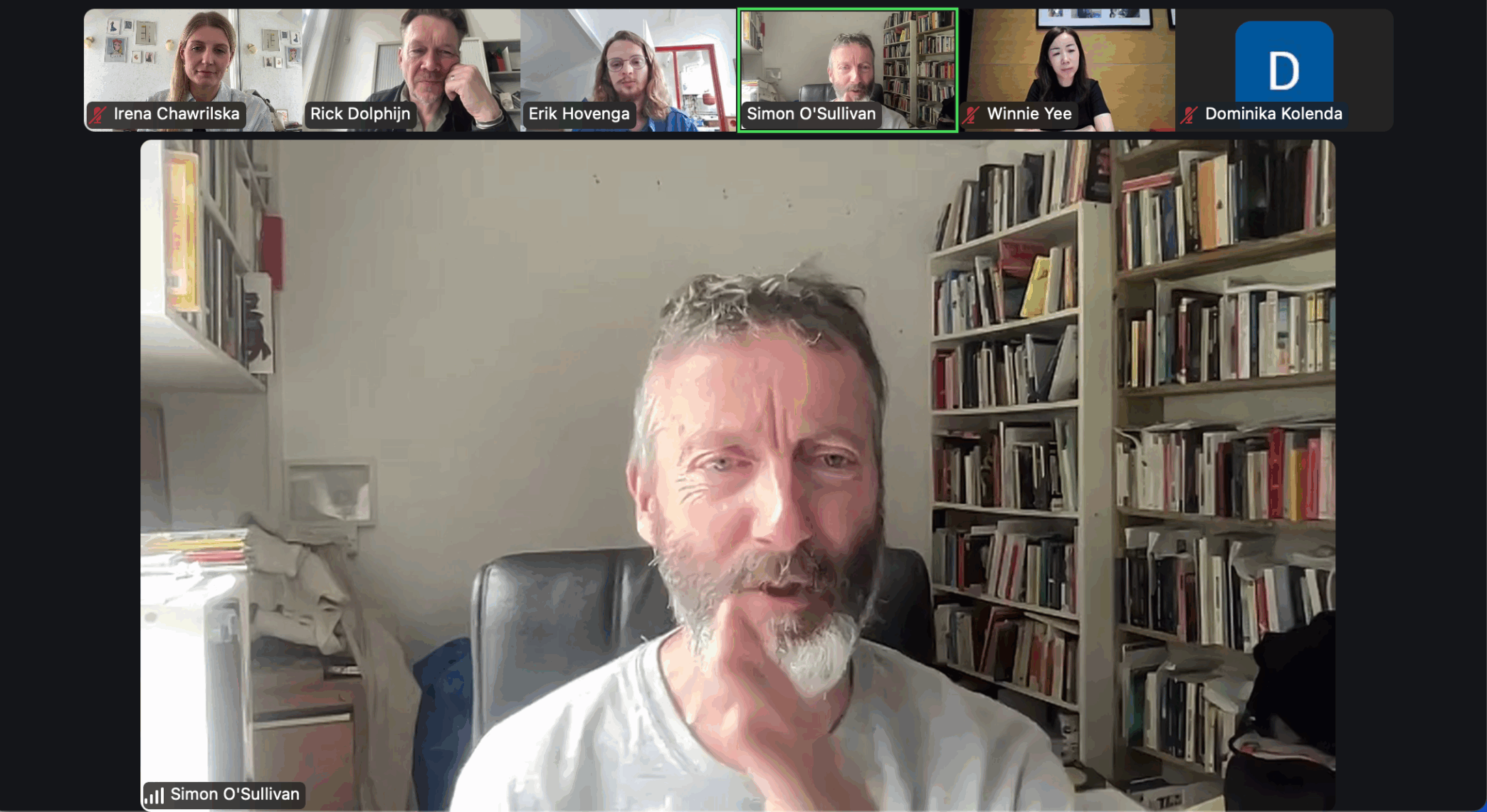
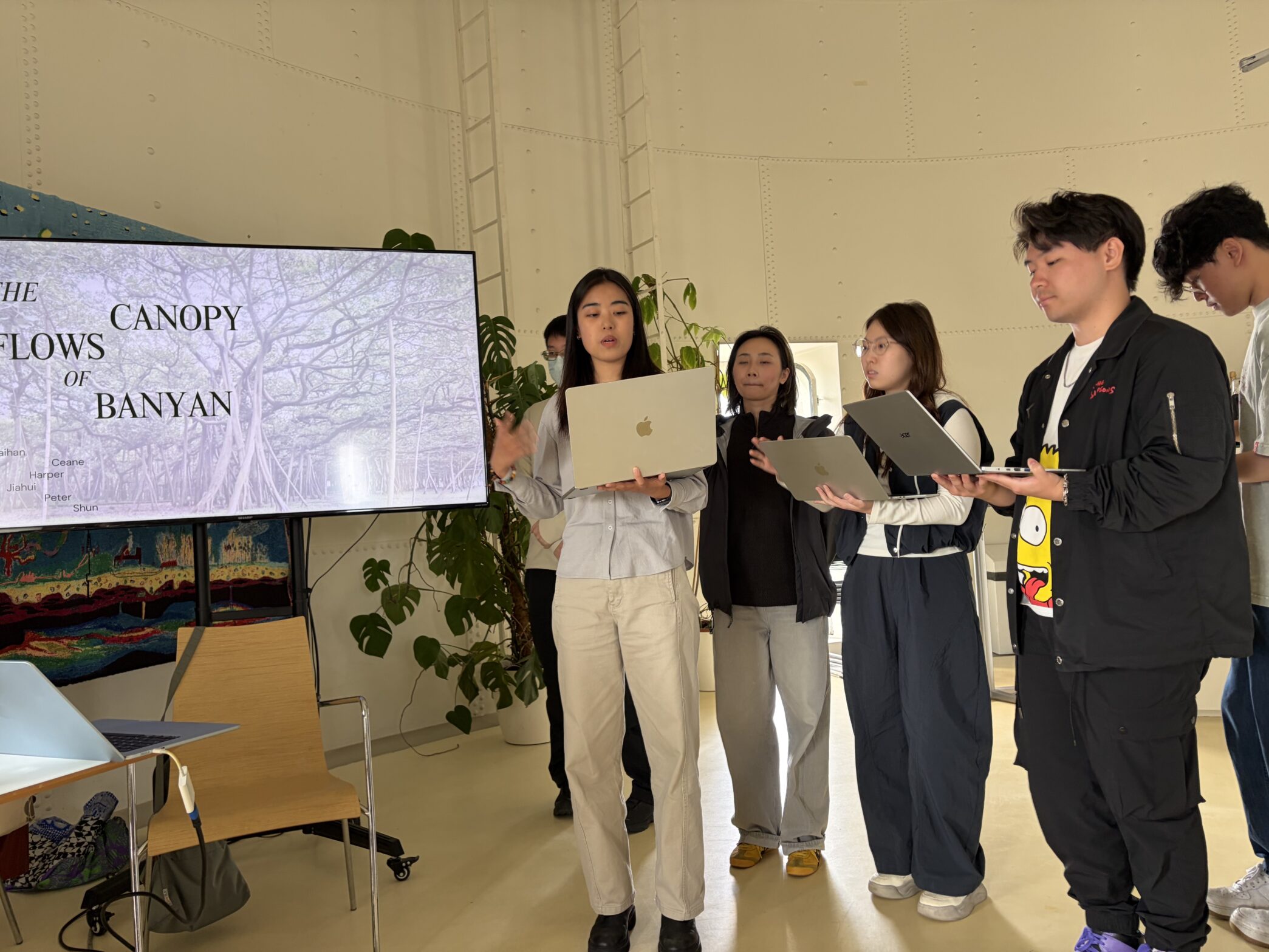
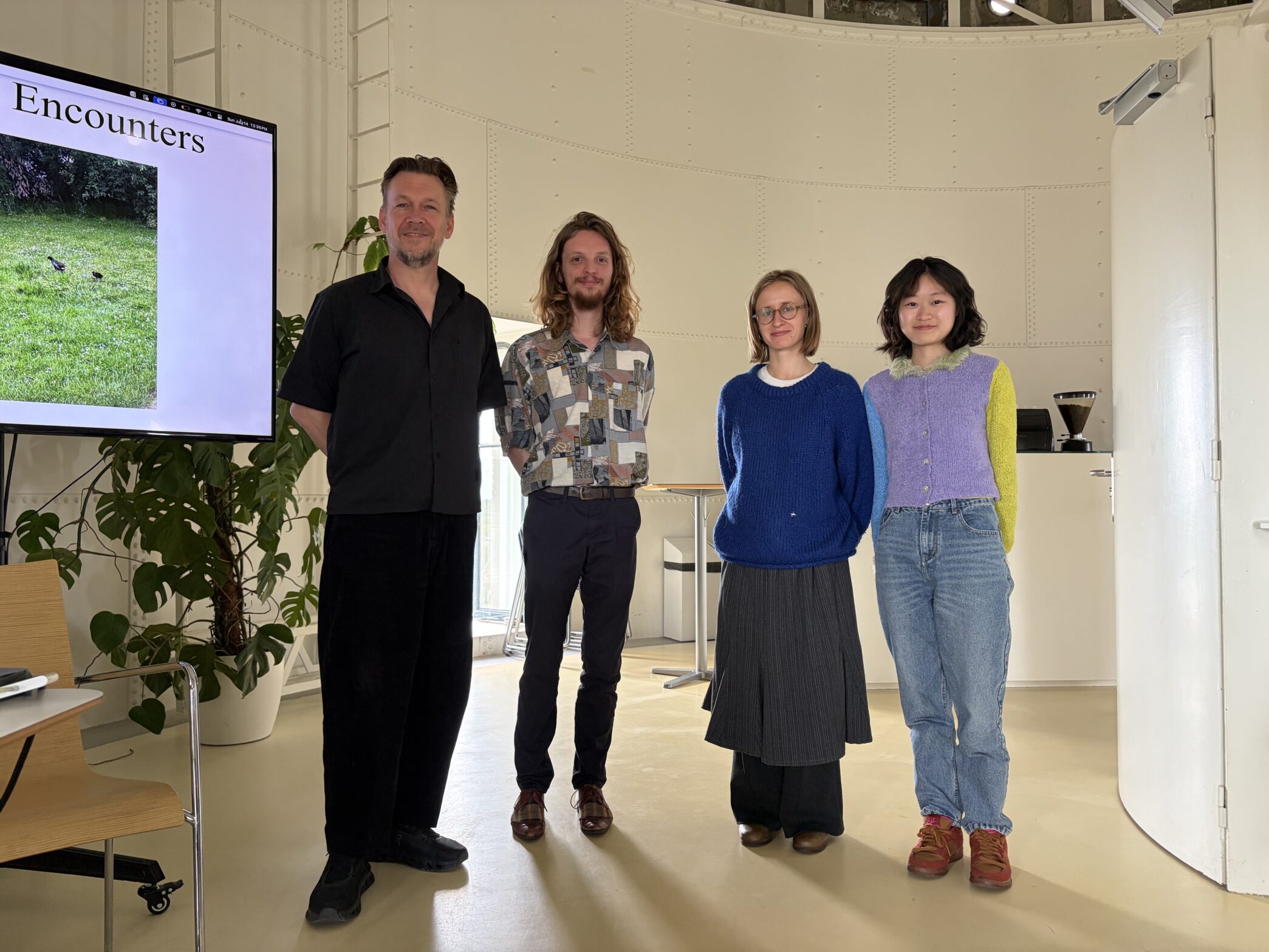
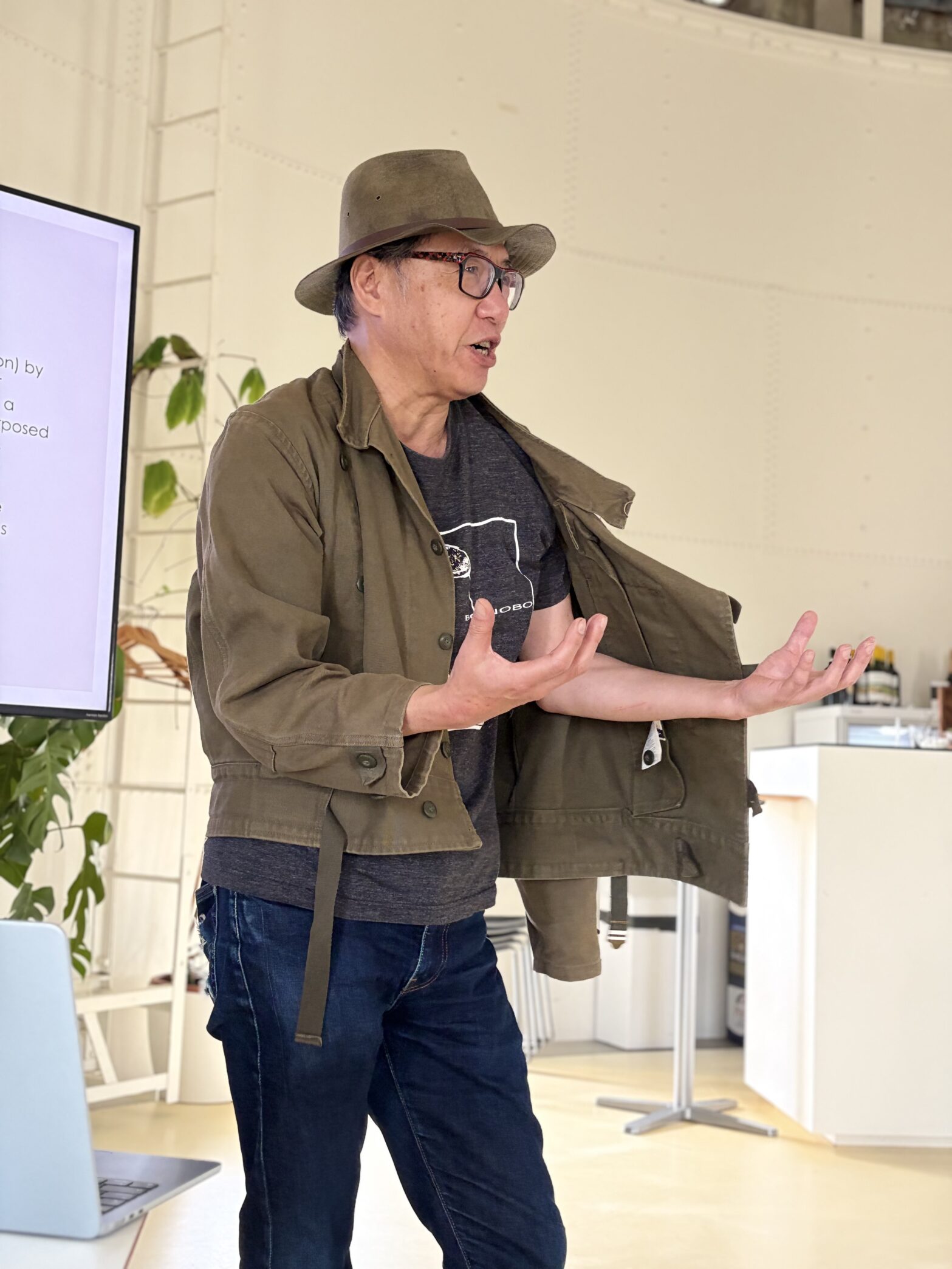
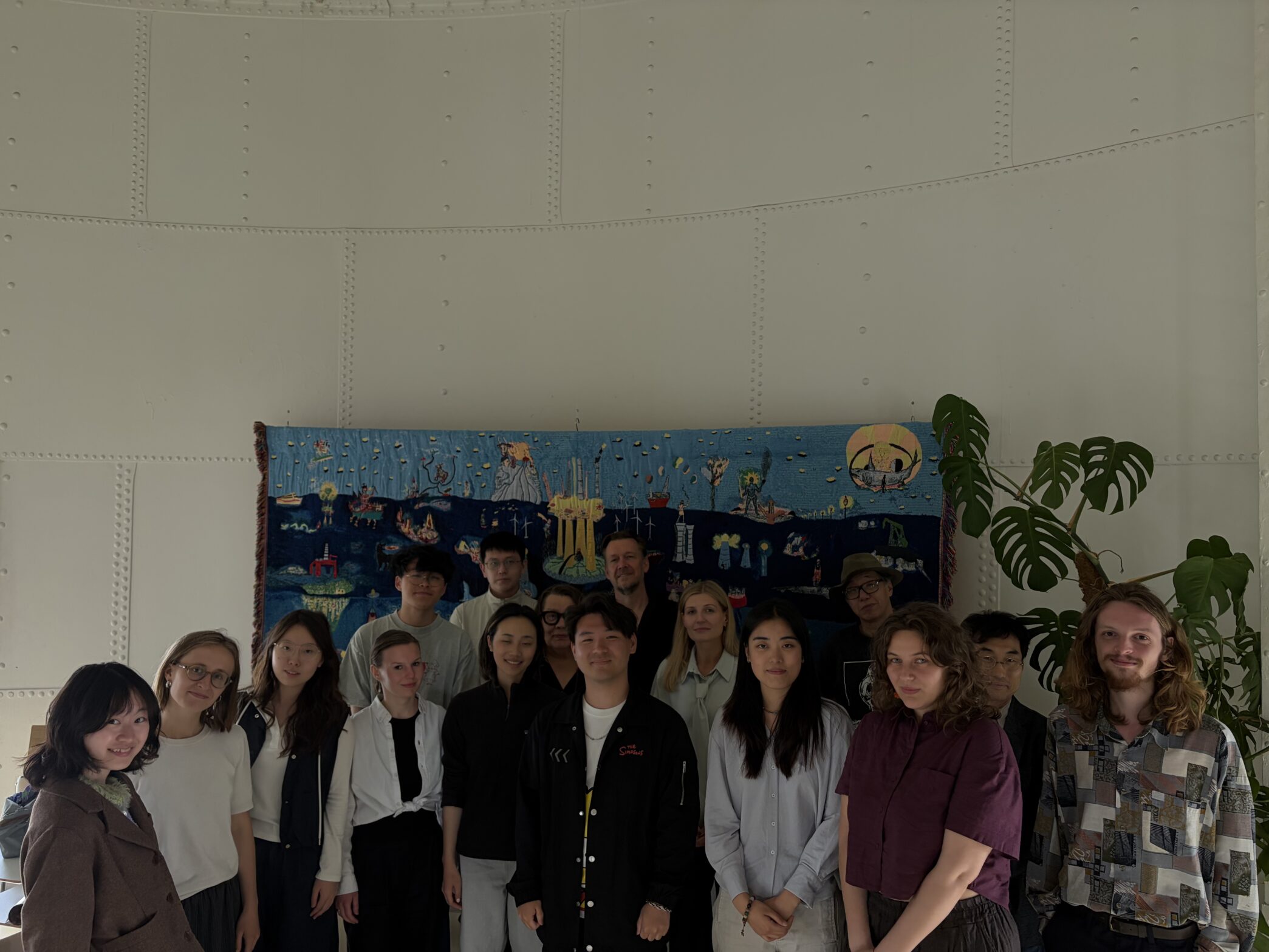
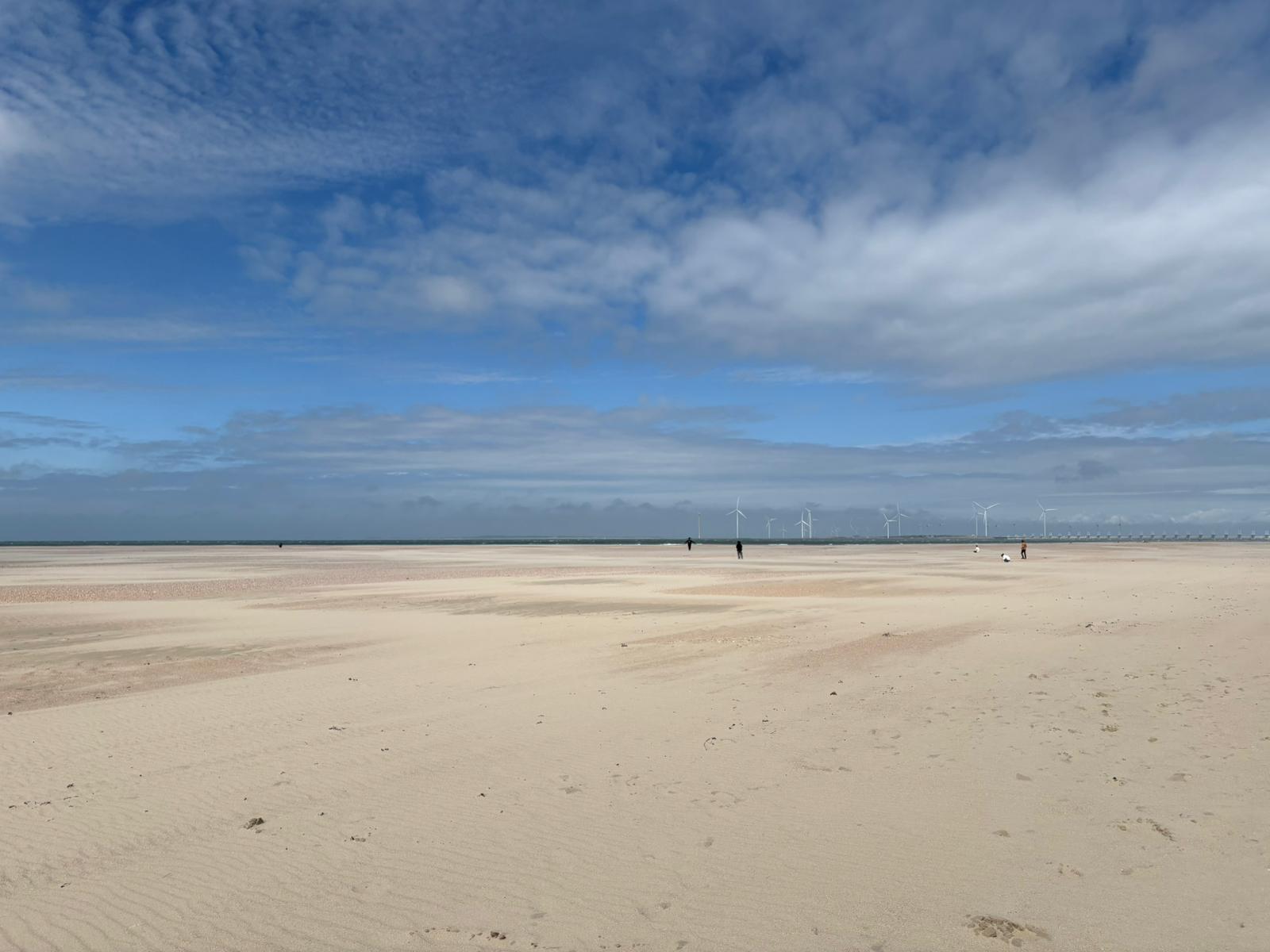
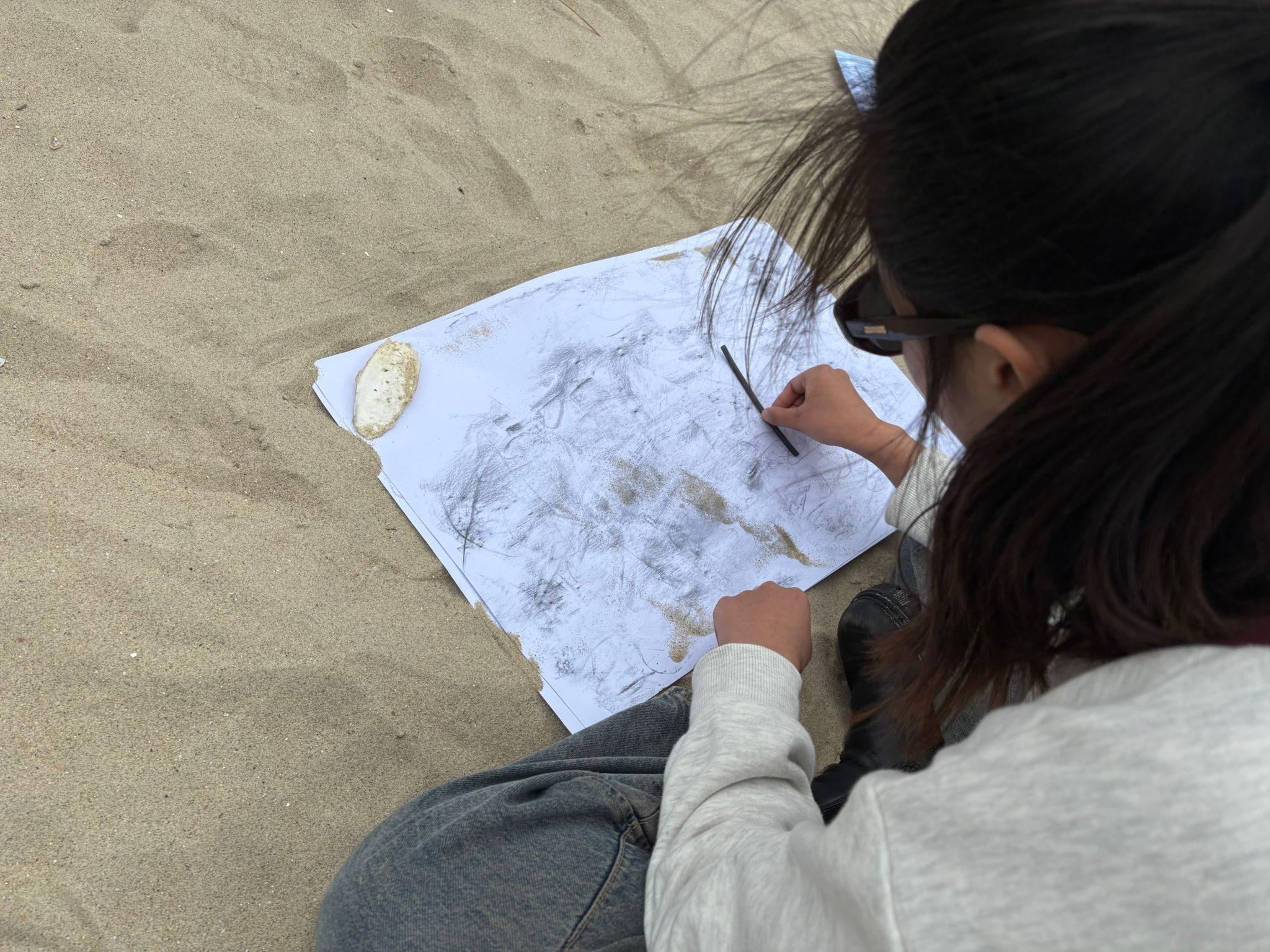
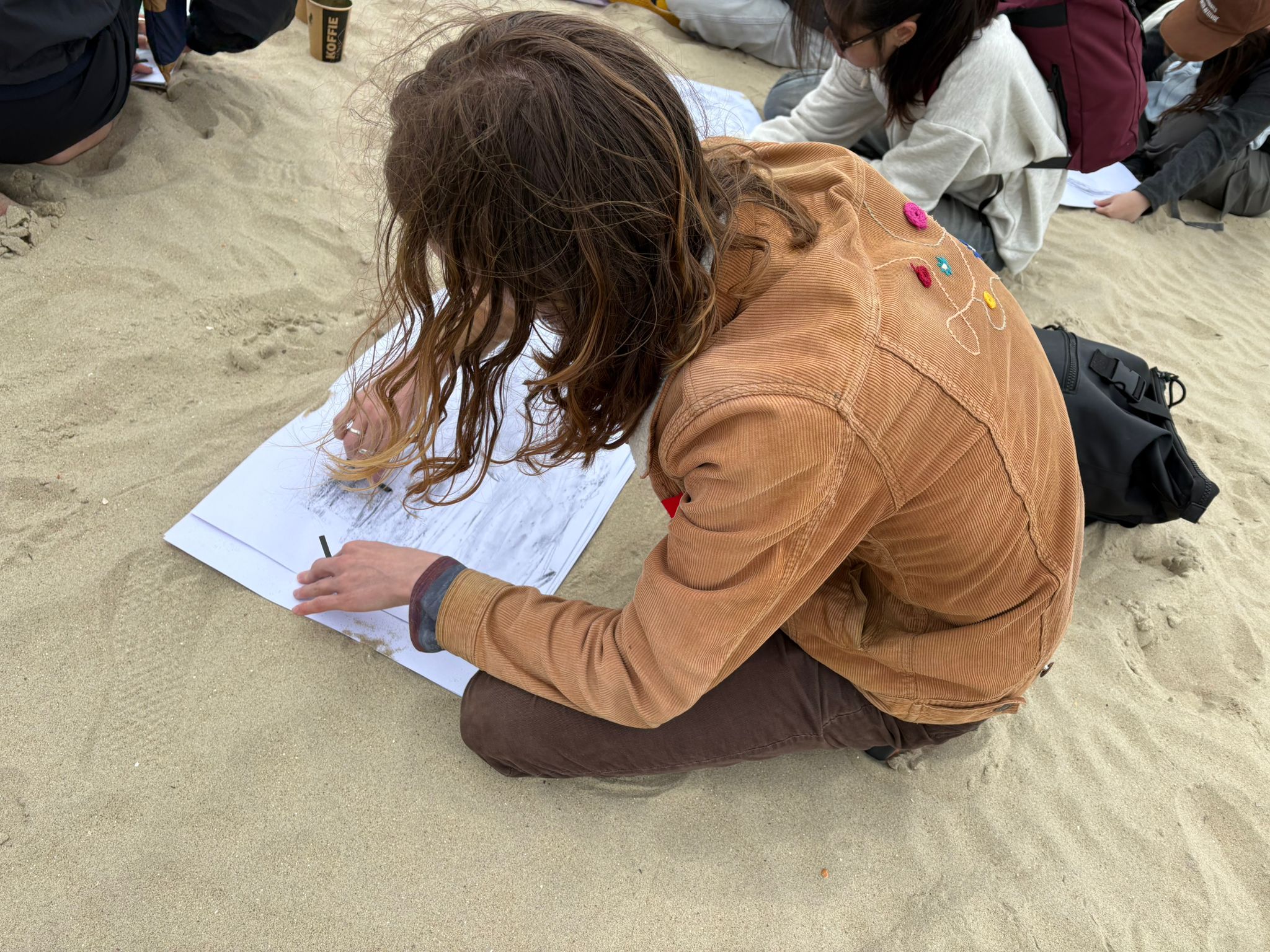
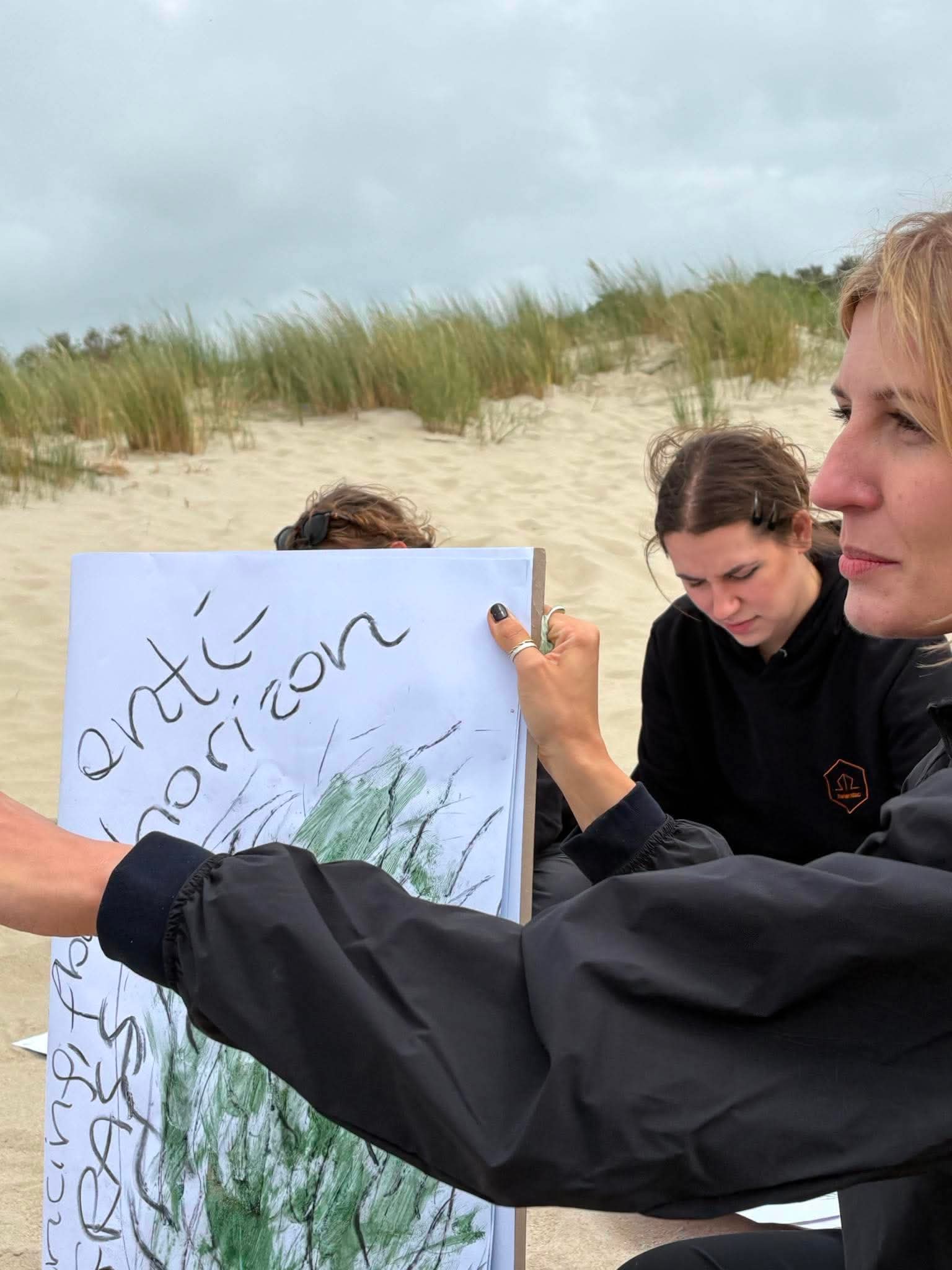
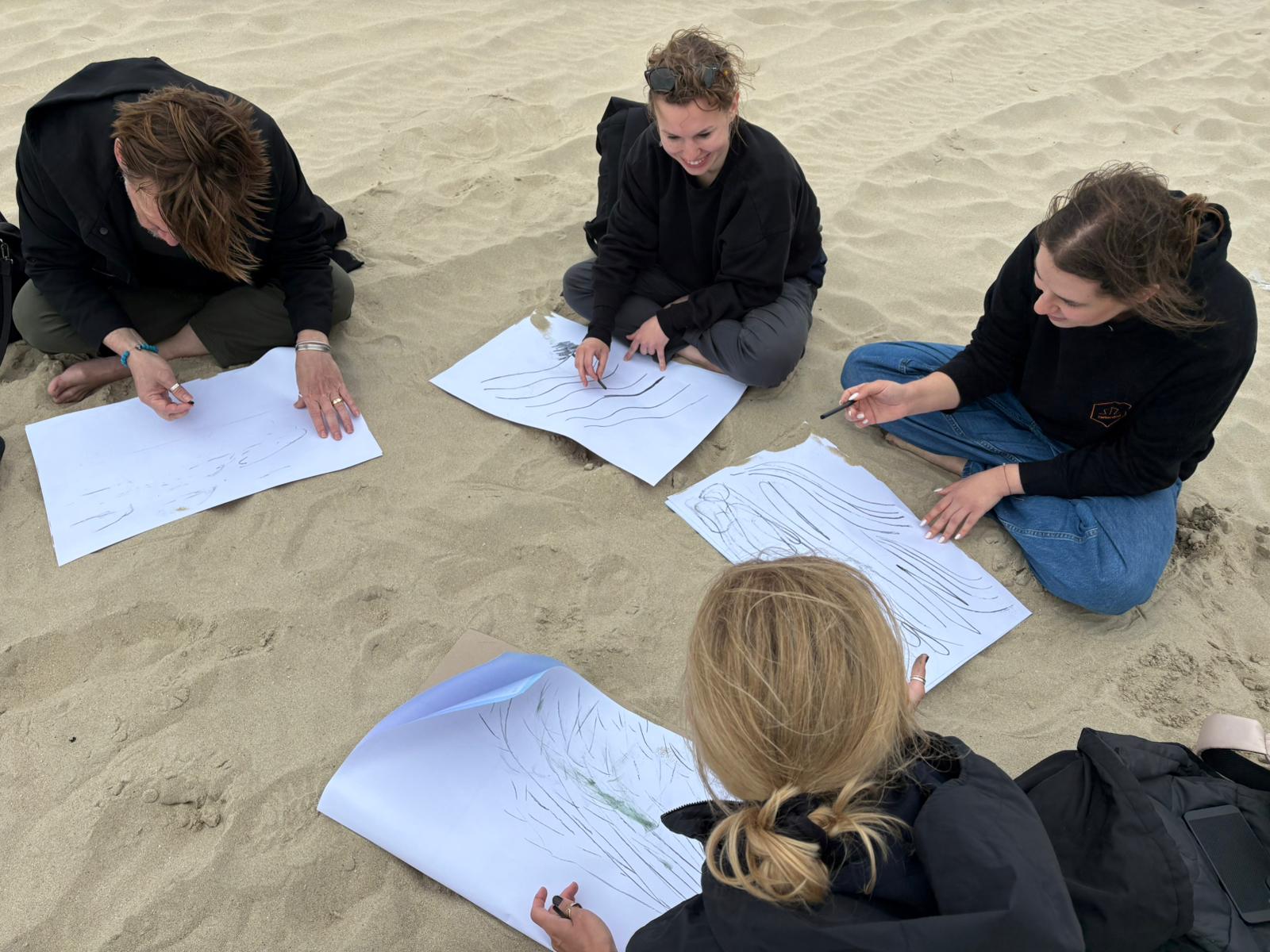
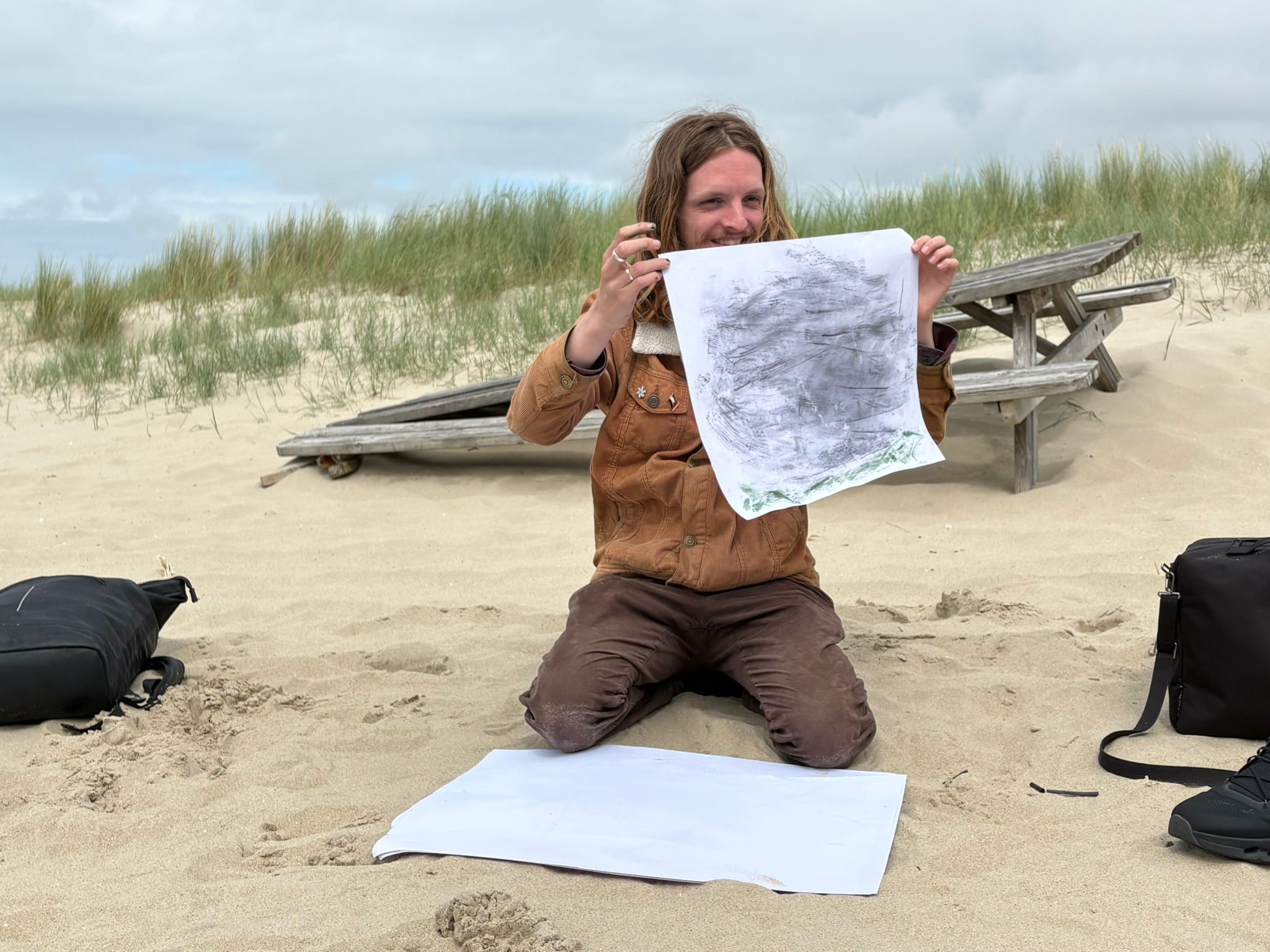
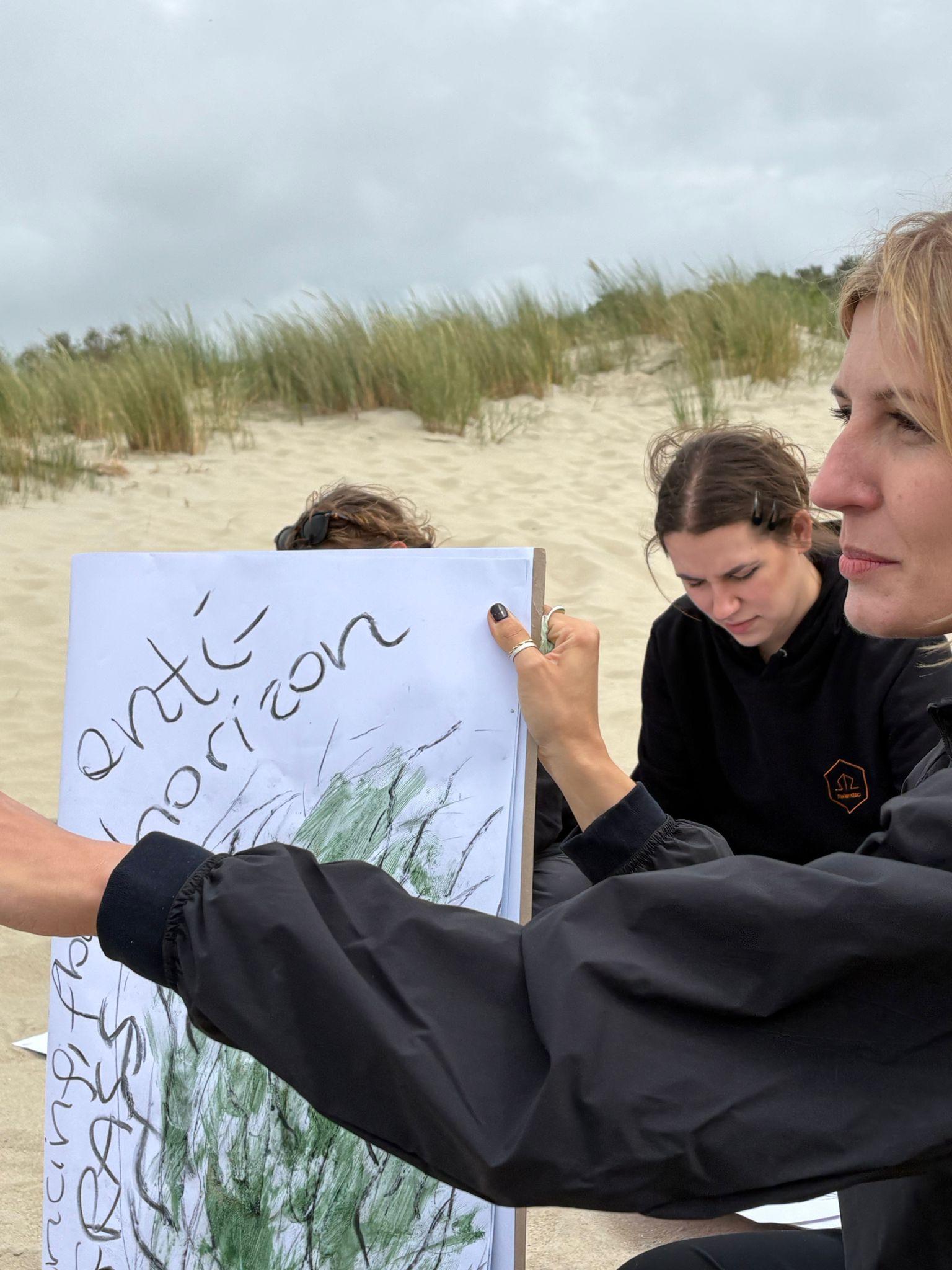
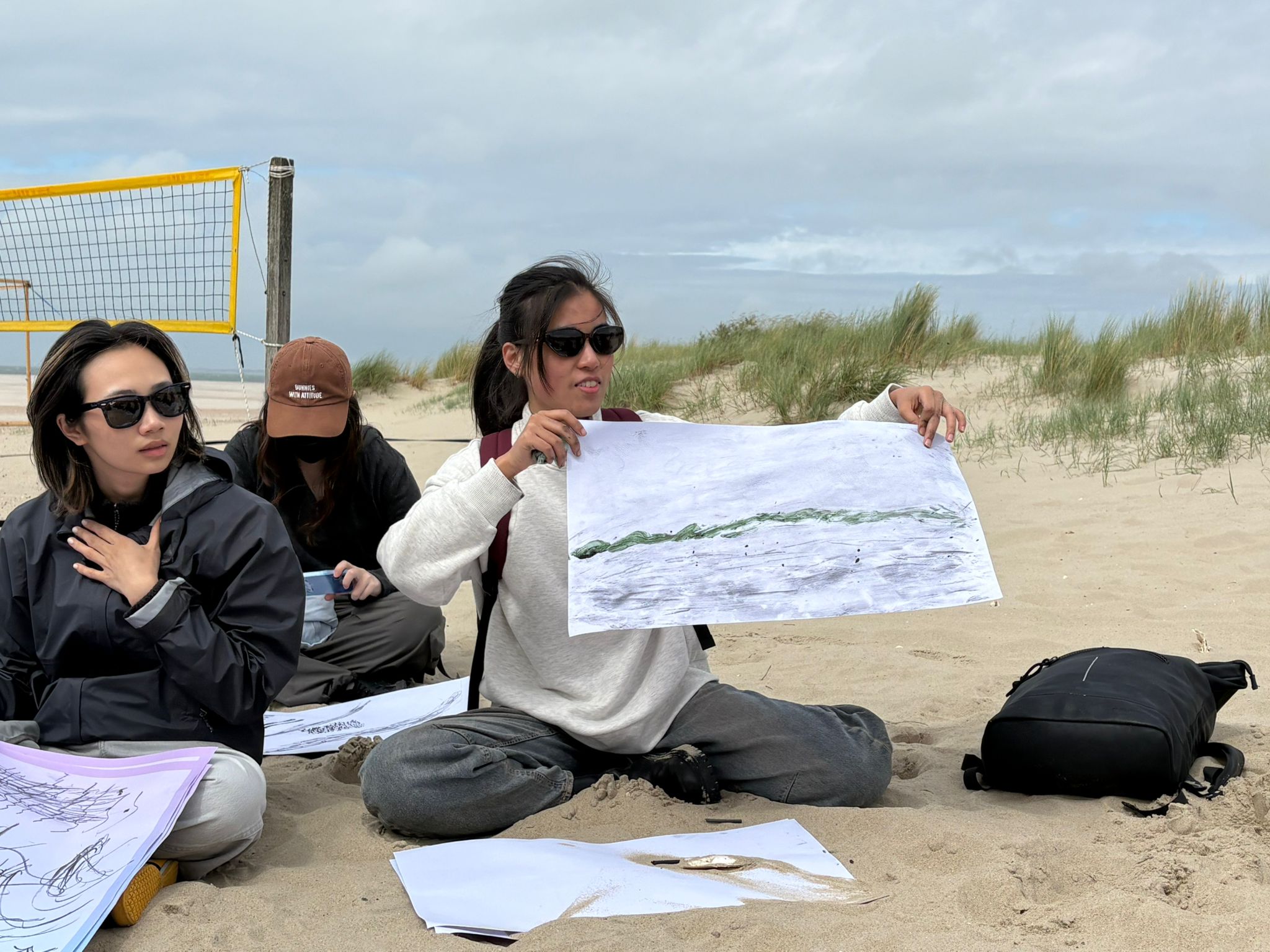
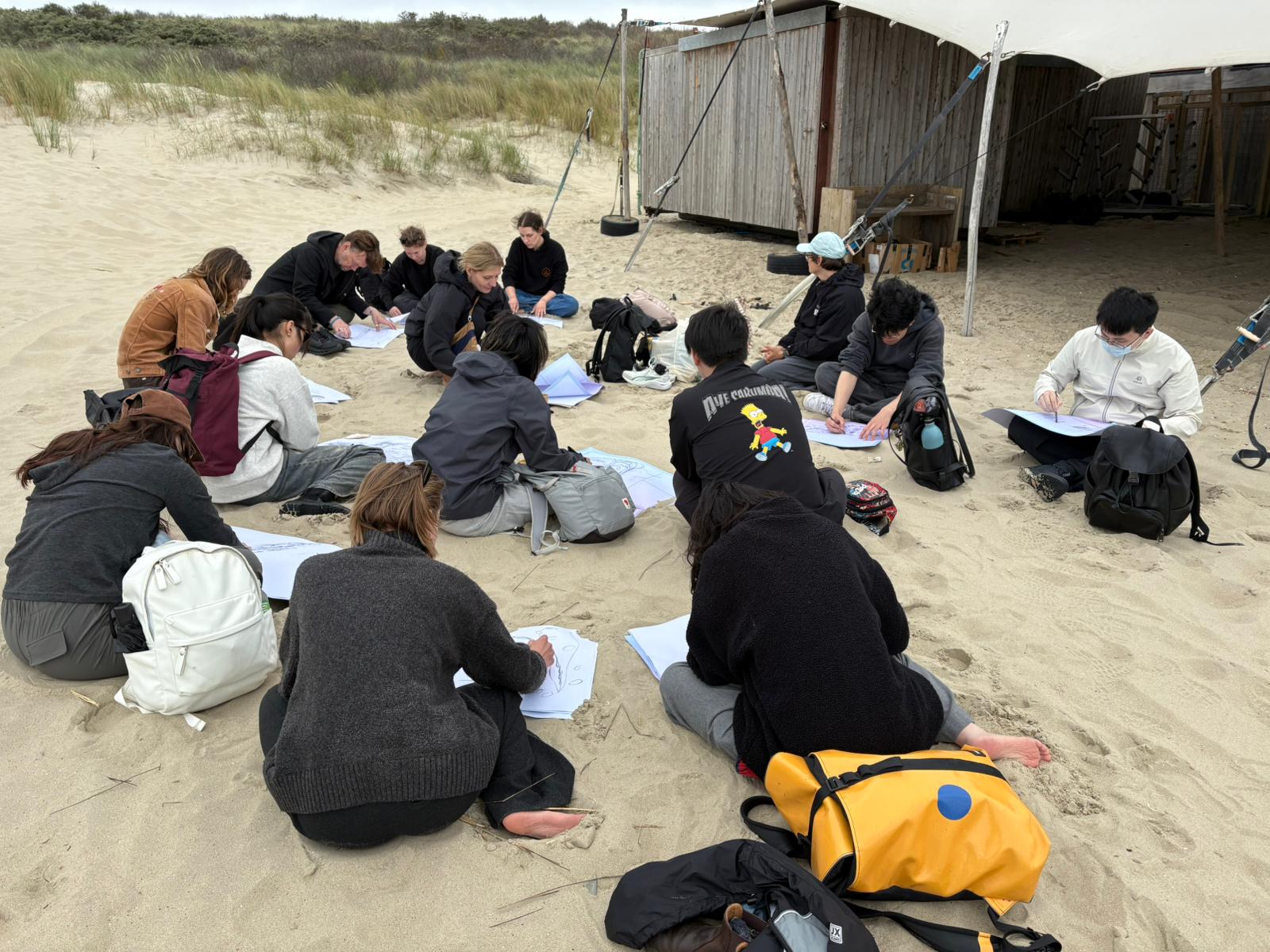
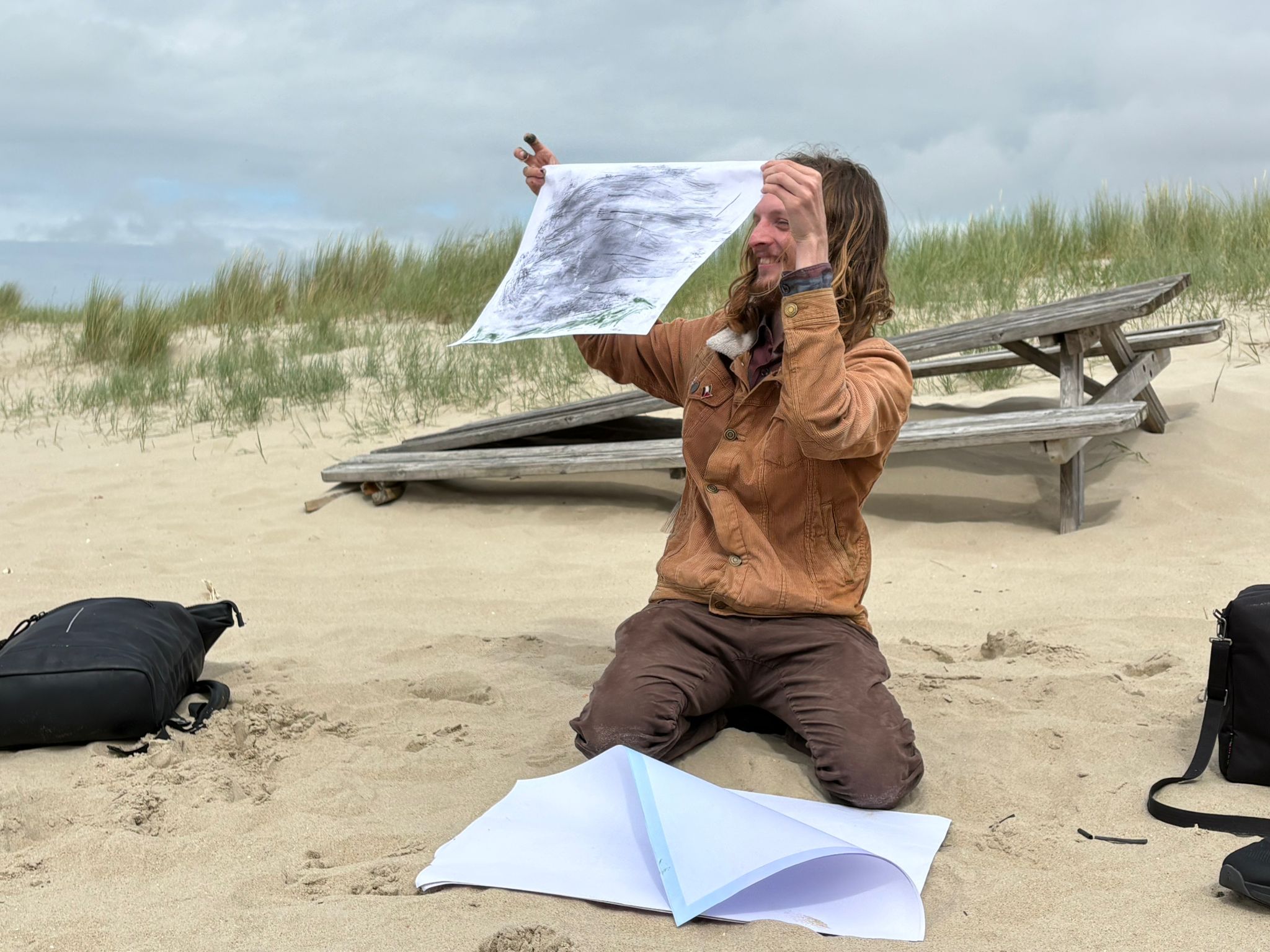
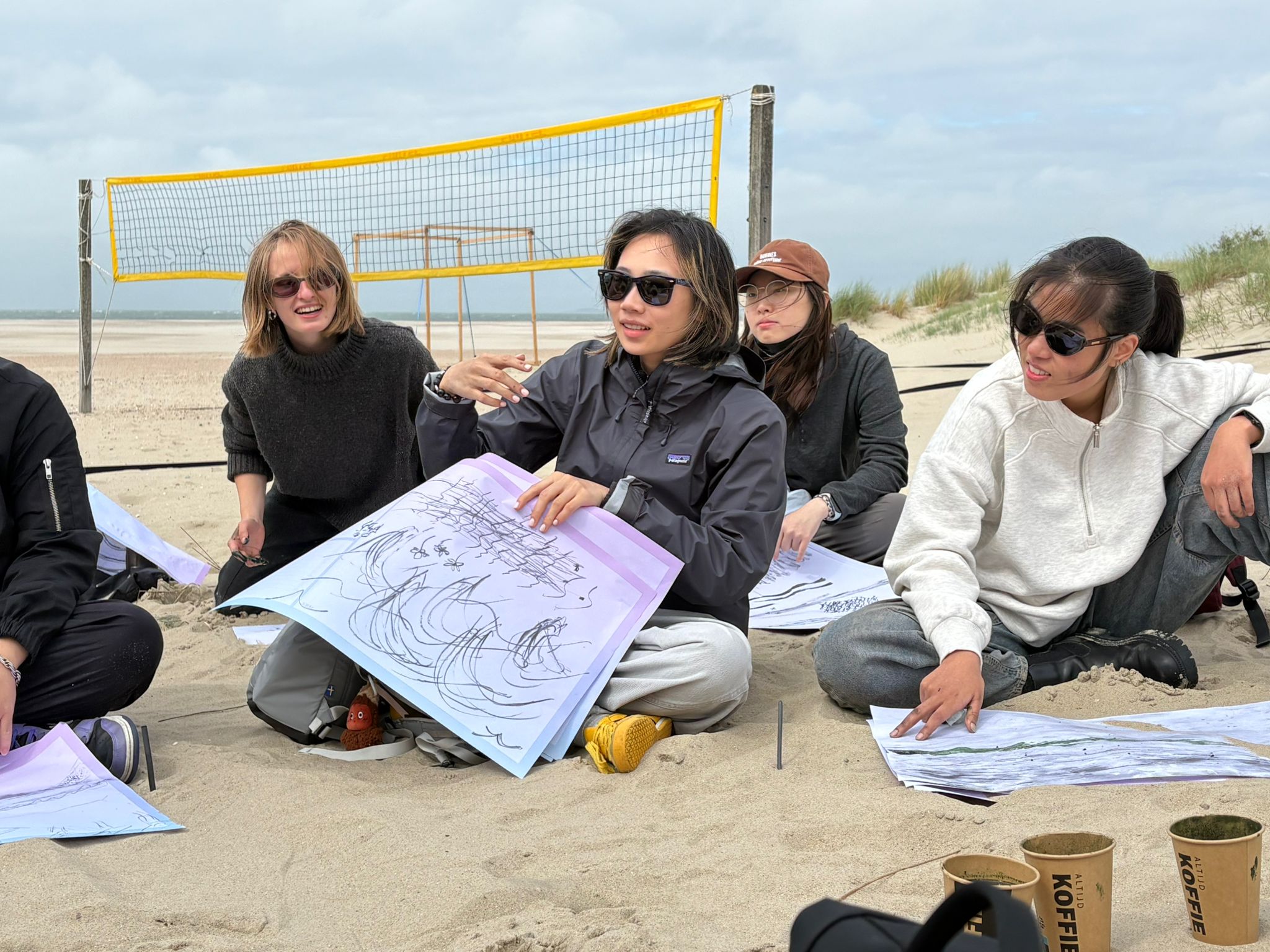
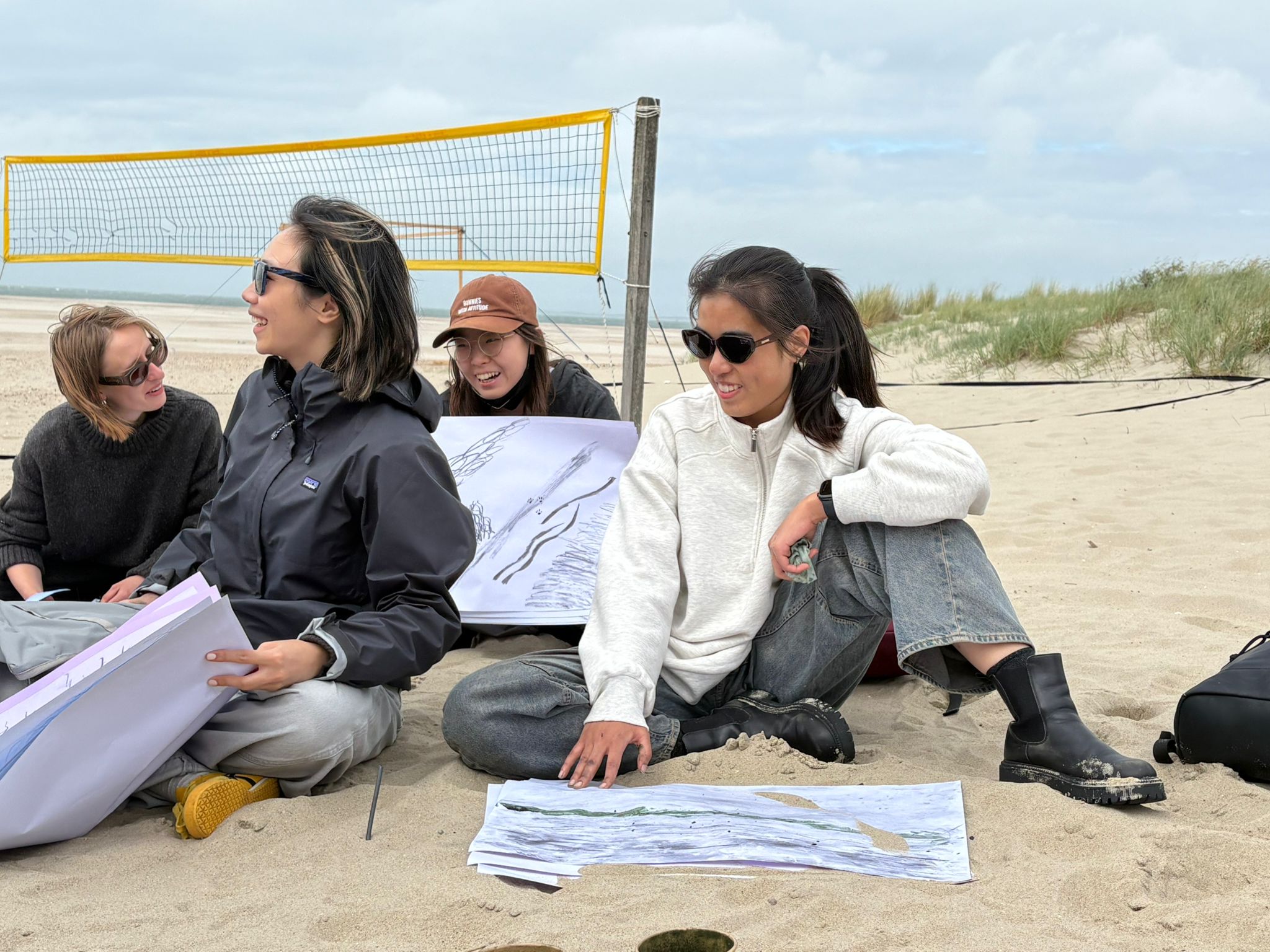
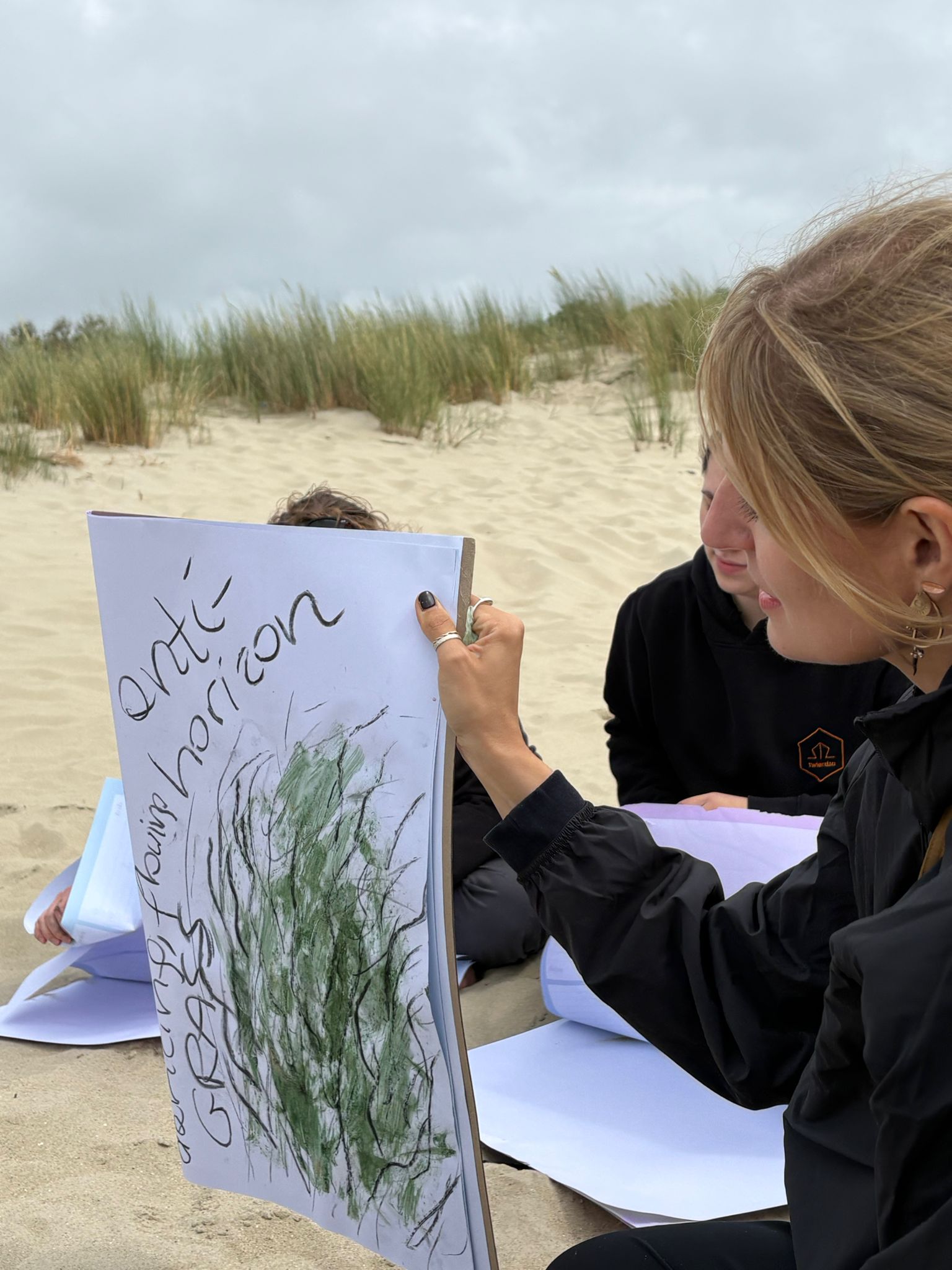
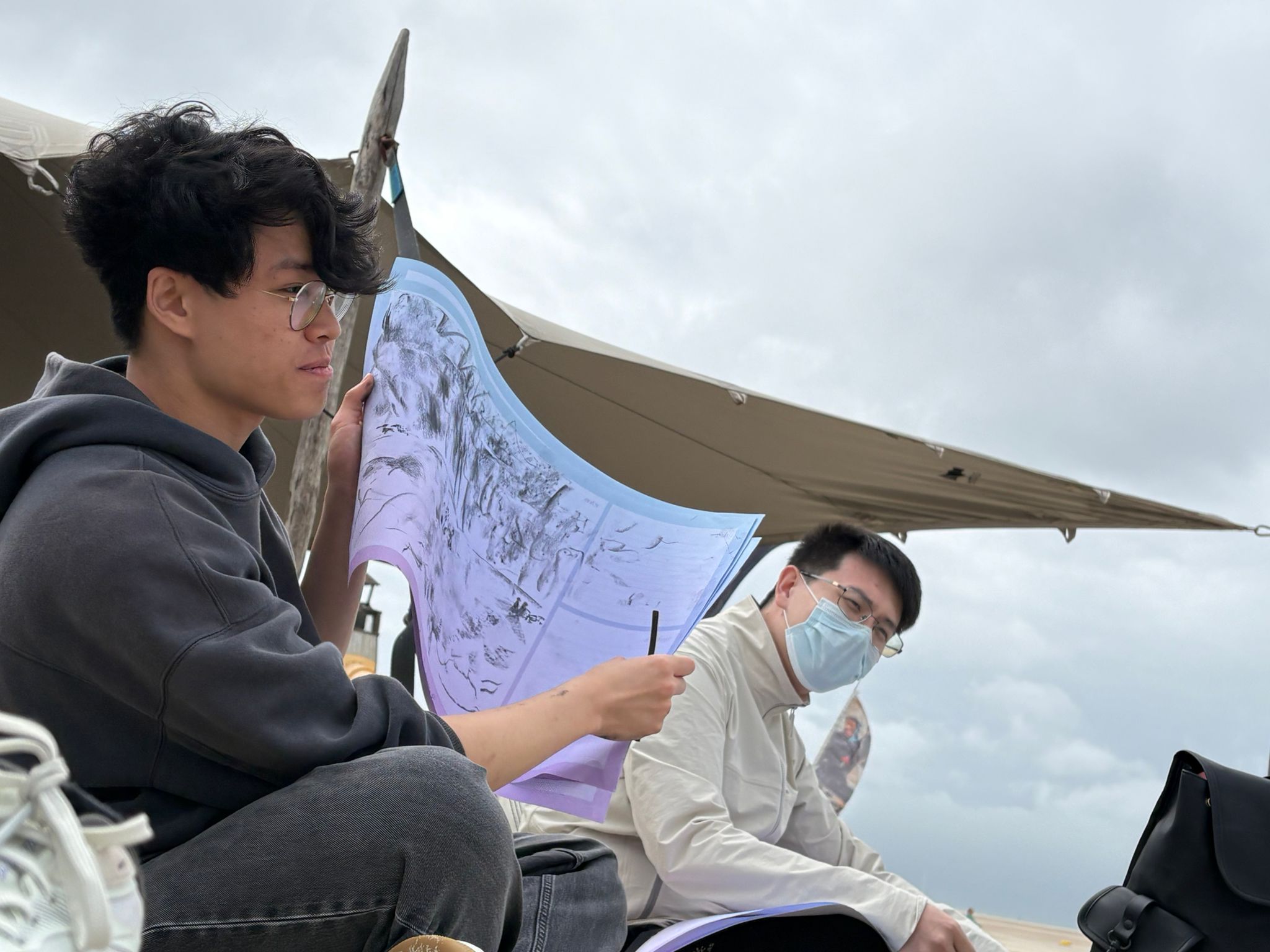
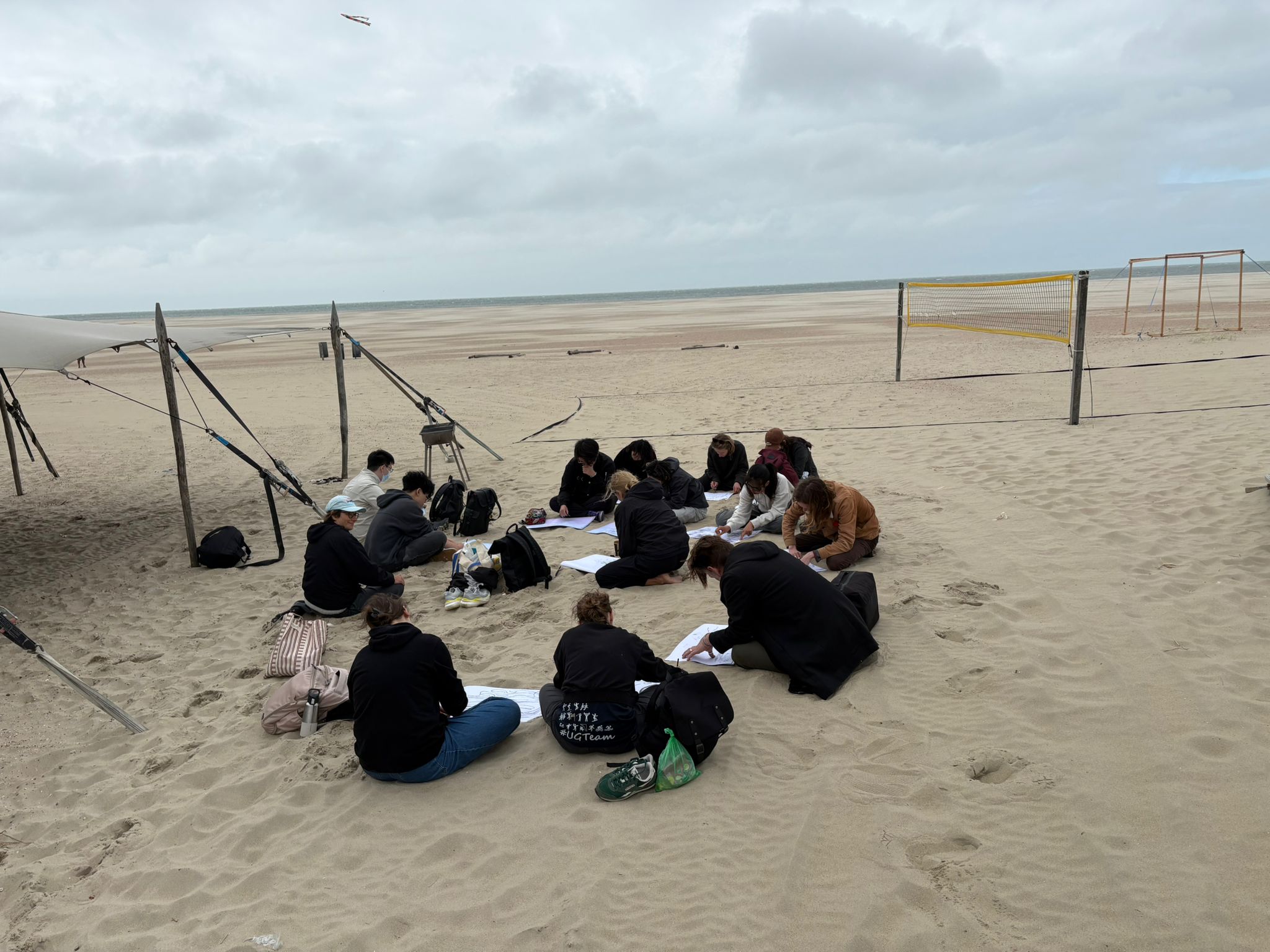
The event brought together advanced students from different universities into a shared environment with artists and thinkers, where all could critically and creatively explore deltas, waterscapes, and more-than-human relations at the intersection of philosophy, environmental humanities, and artistic practice. Through seminars, reading sessions, and collaborative exercises in the online week, followed by fieldwork, workshops, and situated encounters with Dutch delta landscapes in the offline week, participants experimented with new forms of sensing, writing, and collective research.
The online portion included, among others, a lecture titled “On Myth-Work, Fictioning, and the Non-Human,” led by Simon O’Sullivan; a seminar titled “Writing with More-than-Humans: Living Books / Liquid Landscapes,” featuring Rick Dolphijn and Irena Chawrilska; a workshop titled “Acutest Sky, A Whirlwind of Waters: Weathered Theatres, FictiCities, & the Contours of Deltas,” led by Kanta Kochhar-Lindgren and Gray Kochhar-Lindgren; a lecture titled “The Receptive Earth,” by Michael Marder; and a session titled “Noticing as a Method,” led by Dr. Winnie Yee.
The on-site portion featured intensive workshops: Welcome! More-than-human Entanglements a.k.a. Earthly Personae (Rick Dolphijn and Irena Chawrilska), Once Upon a Time in the Pearl of the Orient (Evelyn Wan), and Water, Land Subsidence and Entanglements of Urban Living and Sinking in the Netherlands (Jan Willem Liebrand). Participants also took part in a field trip to Zeeland, combined with the workshop “Thinking and Moving with Bodies of Water,” led by Katarzyna Pastuszak and Nat Chylińska. Of particular significance was the visit to the Nieuwe Instituut in Rotterdam, where participants viewed the exhibition “FUNGI: Anarchist Designers,” curated by Anna Tsing.
The more-than-human thinking, as this was introduced throughtout the sessions (through theory, through mapping the delta differently, through creative excursions), was accompanied by fieldwork, writing excercises and various assigments culminating in the opening of the exhibition “The Earth is Thinking All Along…,” presented at the RADIUS Centre for Contemporary Art and Ecology in Delft, and the accompanying symposium. The symposium brought together many involved artists, philosophers, and researchers developing ecological, aesthetic, and more-than-human perspectives. The symposium introduced the students to Prof. Alex Taek-Gwang Lee, Prof. Toshiya Ueno, Dr. Rick Dolphijn, Dr. Irena Chawrilska, Dr. Kristiina Koskentola, Xandra van der Eijk, Dr. Katarzyna Pastuszak, and Nat Chylińska who each presented a short “provocation” designed to stimulate thinking and open up new ways of understanding the relationship between humans, matter, and the environment. It offered students to present and engage the results of their research conducted before arriving in the Netherlands and during the residential week, with the artworks and the provocations. Students from the University of Gdańsk who took part in the program were Agata Gurgul, Dominika Kolenda, and Katarzyna Białołęcka.
As Dr. Irena Chawrilska emphasizes, practicing knowledge and learning about aquatic landscapes as networks of relationships within intercultural teams—in the context of three river deltas and through the exchange of ideas between experts and students—as well as engaging in collaborative thinking with artistic projects, provided a unique opportunity to become part of a planetary community of care understood in an ontological sense. Dr. Rick Dolphijn agrees: “We can teach them about new (more-than-human) forms of engagement, but students also have to become part of it. They have to see the industrialized and capitalized harbour of Rotterdam (the biggest in Europe) AND the (deceptive) peacefulness and transformations of the wilderness in Zeeland next to it. They can learn about the long history of flooding and the new dangers of the (relative) rise of the water, but they should also experience what it means to live 7 meters below sea.”
The results of the two-week workshop will be compiled and published in the form of a liquid book. It will be the fourteenth volume in the series, titled Liquid Landscapes: The More-Than-Human Lives of Deltas, edited by Rick Dolphijn, Irena Chawrilska, and Winnie Yee.