

The main theme of the Baltic Nuclear Energy Forum 2026 was the importance of nuclear energy in building a safe, stable, and resilient society. During the event, experts, government officials, and industry representatives discussed how modern nuclear technologies, responsible financing mechanisms, and international cooperation can support the development of the European energy system. As part of the event, a BNEF Roundtable titled “Information and Education Centers in Nuclear Power Plant Regions” was held on March 18. The partners of the Roundtable were Polskie Elektrownie Jądrowe Sp. z o.o. and the University of Gdańsk Center for Sustainable Development.
Poland is beginning the process of building its first nuclear power plant. One of the initiatives accompanying this process will be the design of a modern information and education center to support communication about the nuclear energy program. This is a “high-risk” area: the message can easily be reduced to mere public relations or, conversely, dominated by overly technical language that makes the content difficult to understand for audiences outside the expert community. Various models of such centers exist in Europe: from classic visitor centers at operating power plants, through urban centers, to hybrid solutions combining exhibitions, school programs, elements of stakeholder dialogue, and digital communication.
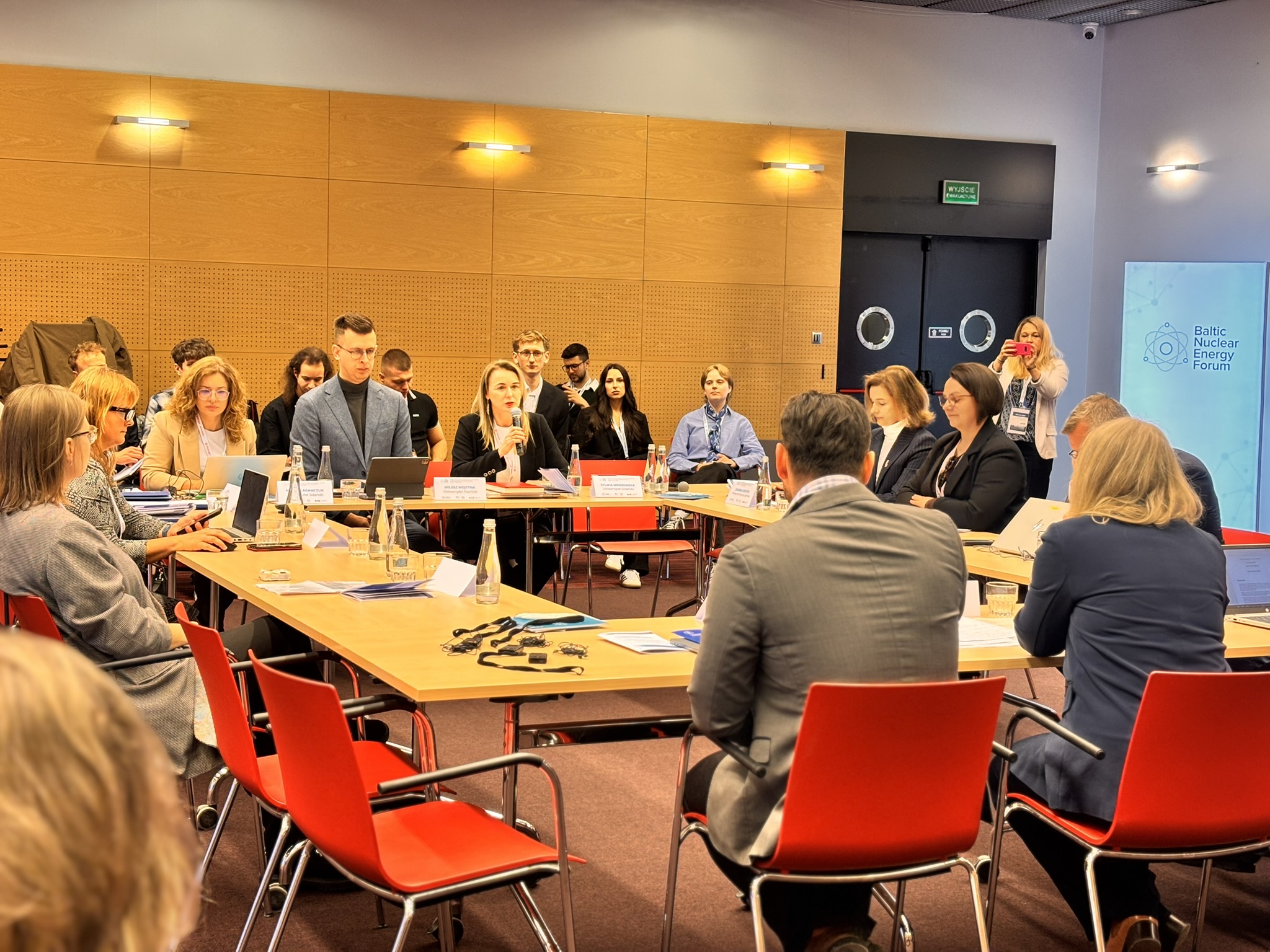
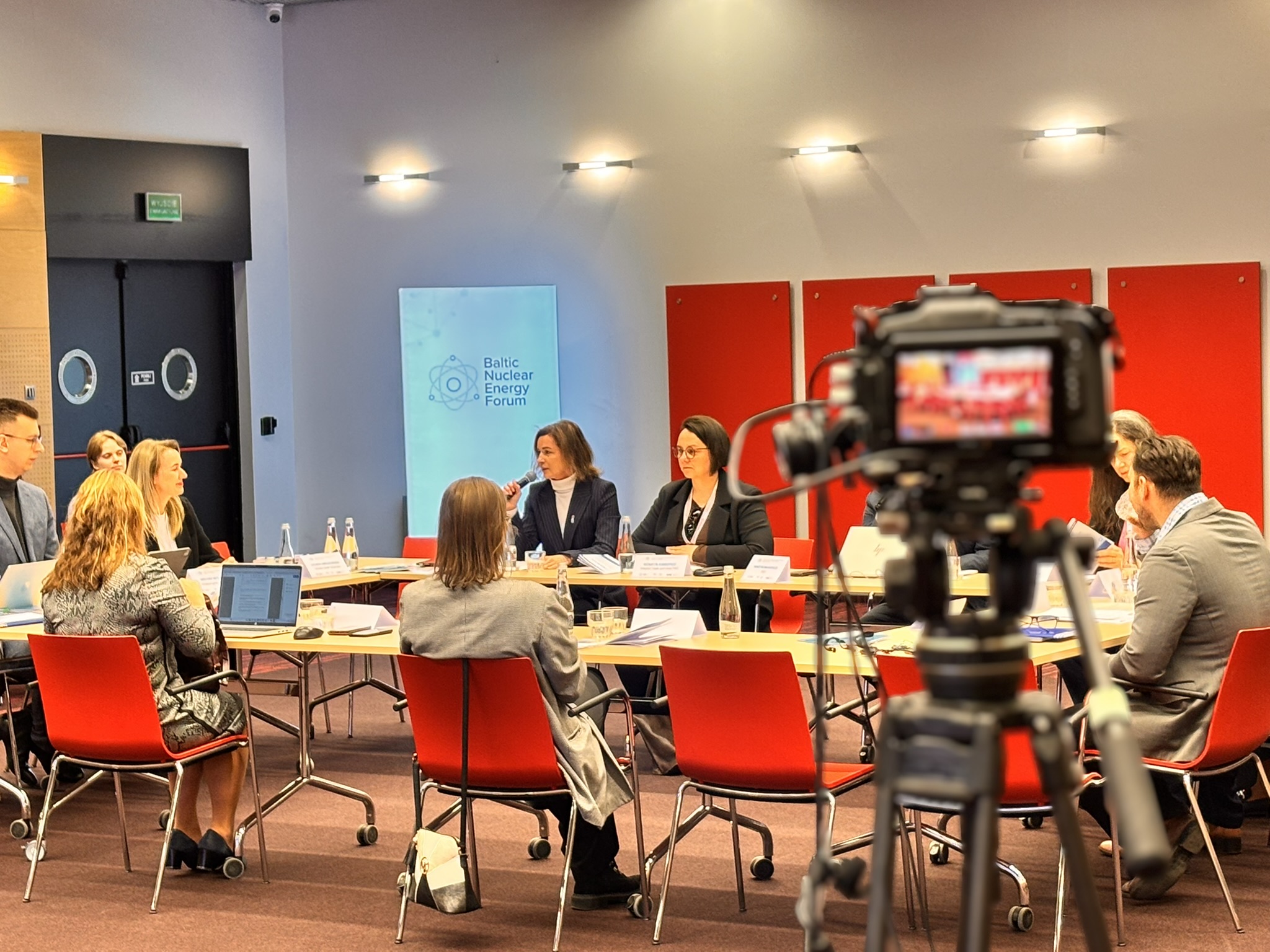
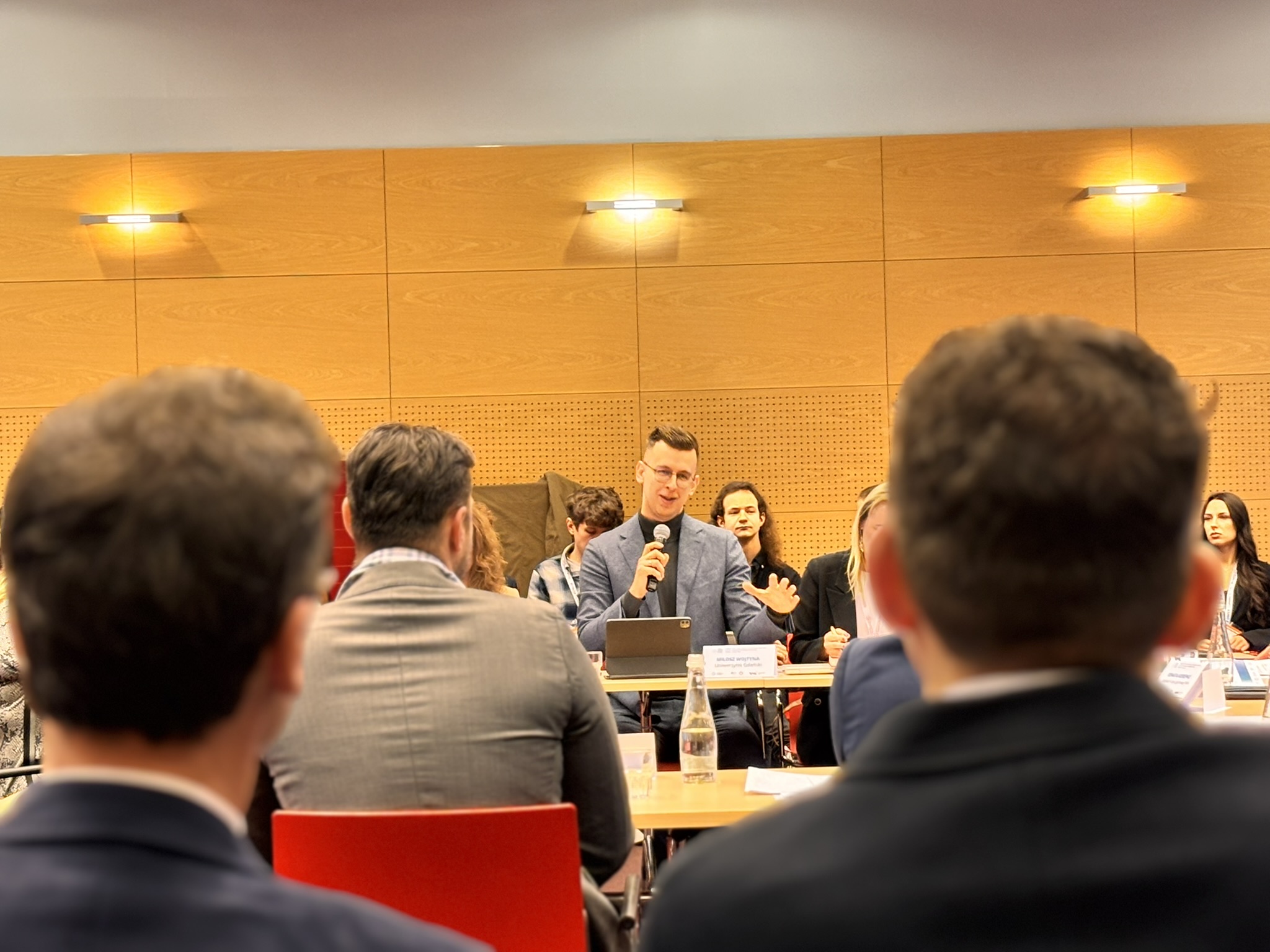
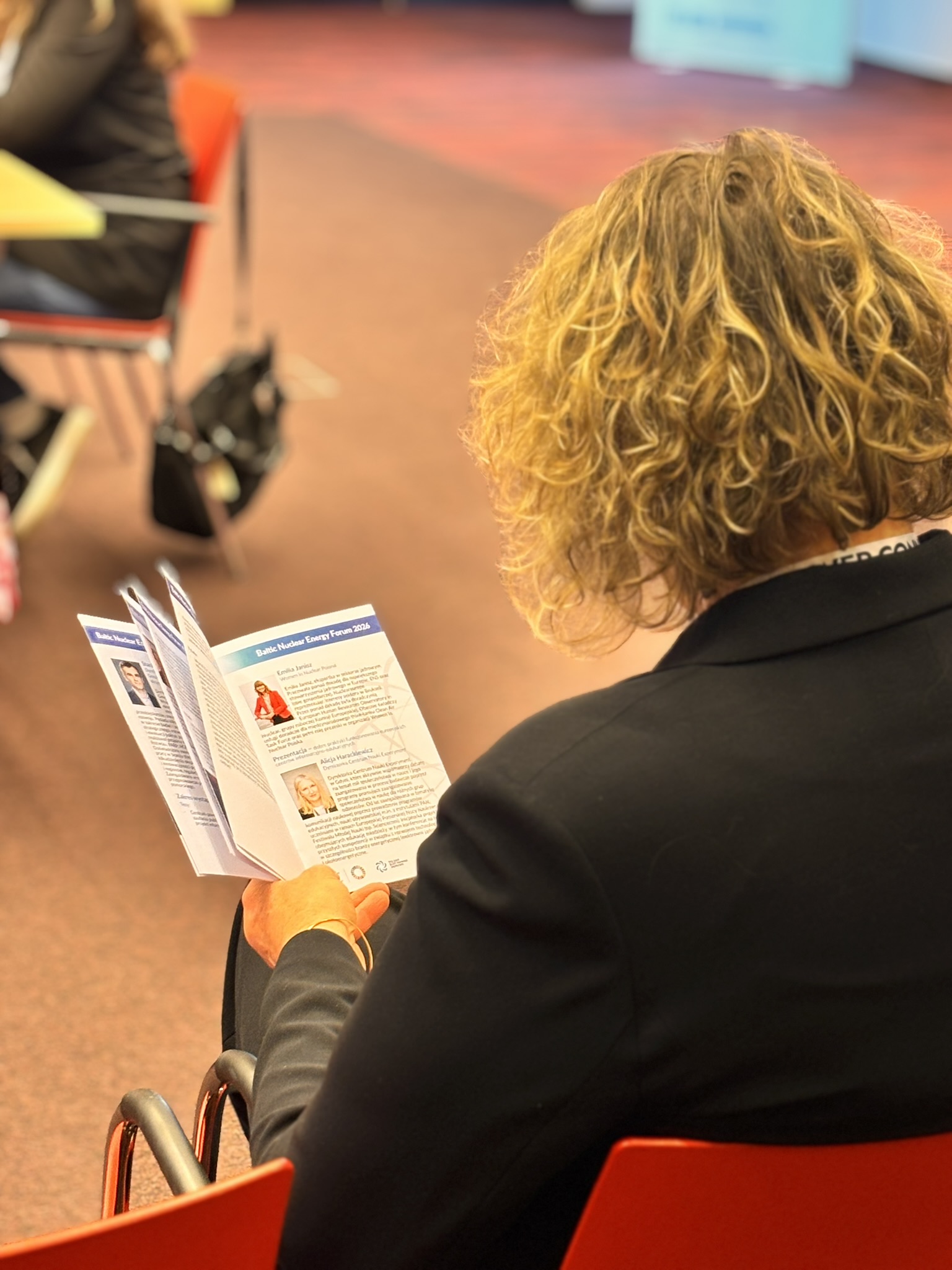
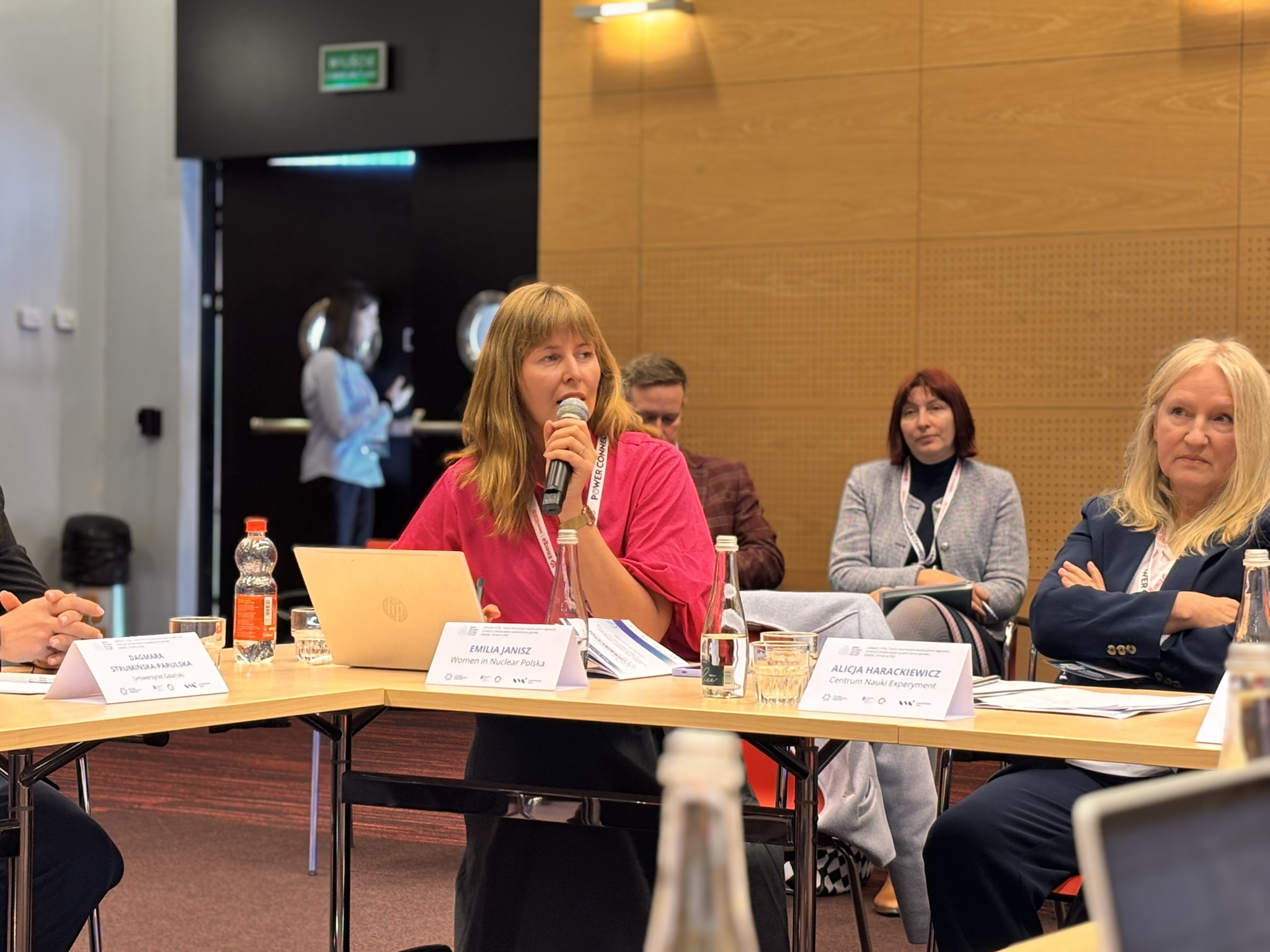
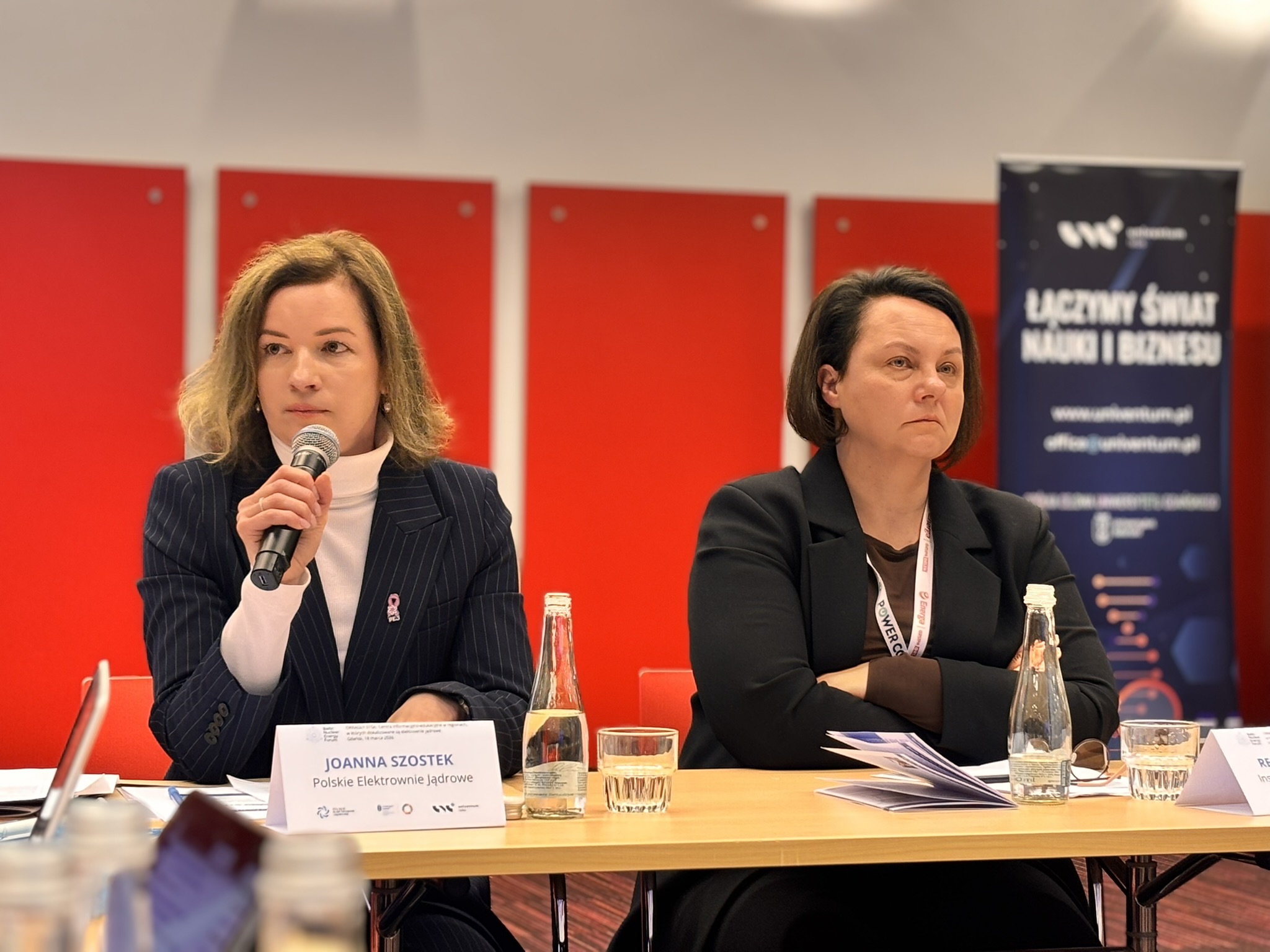
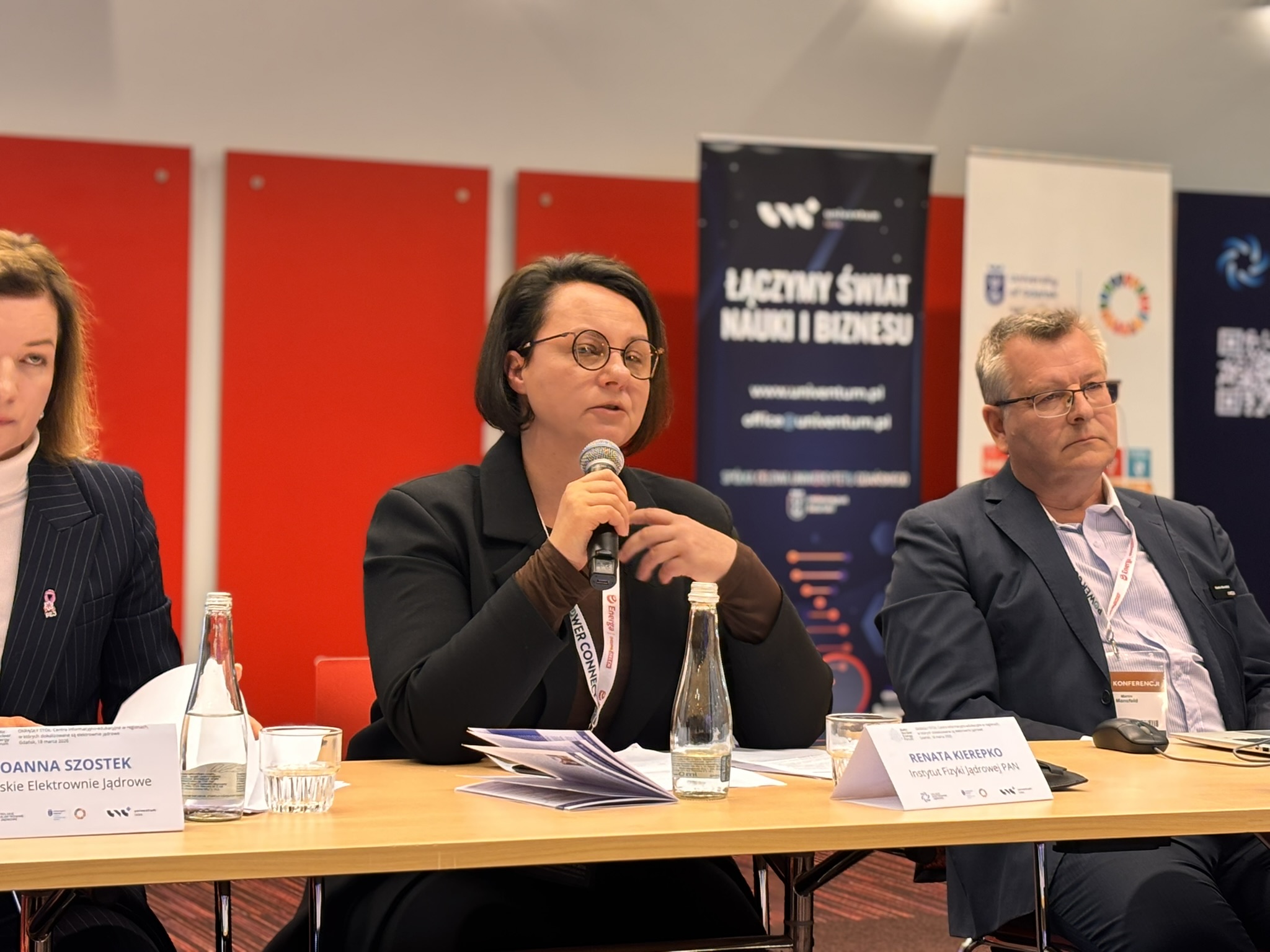
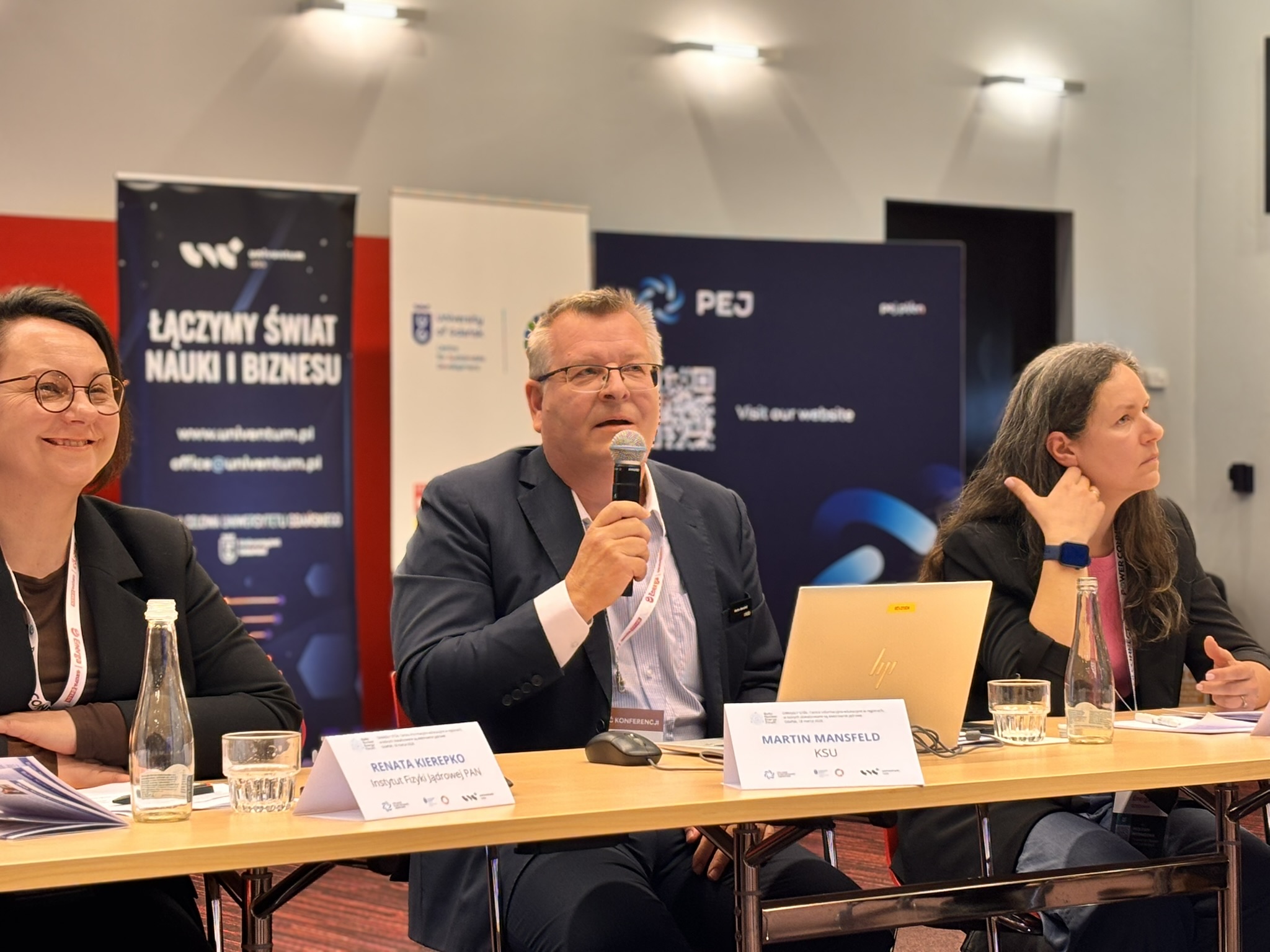
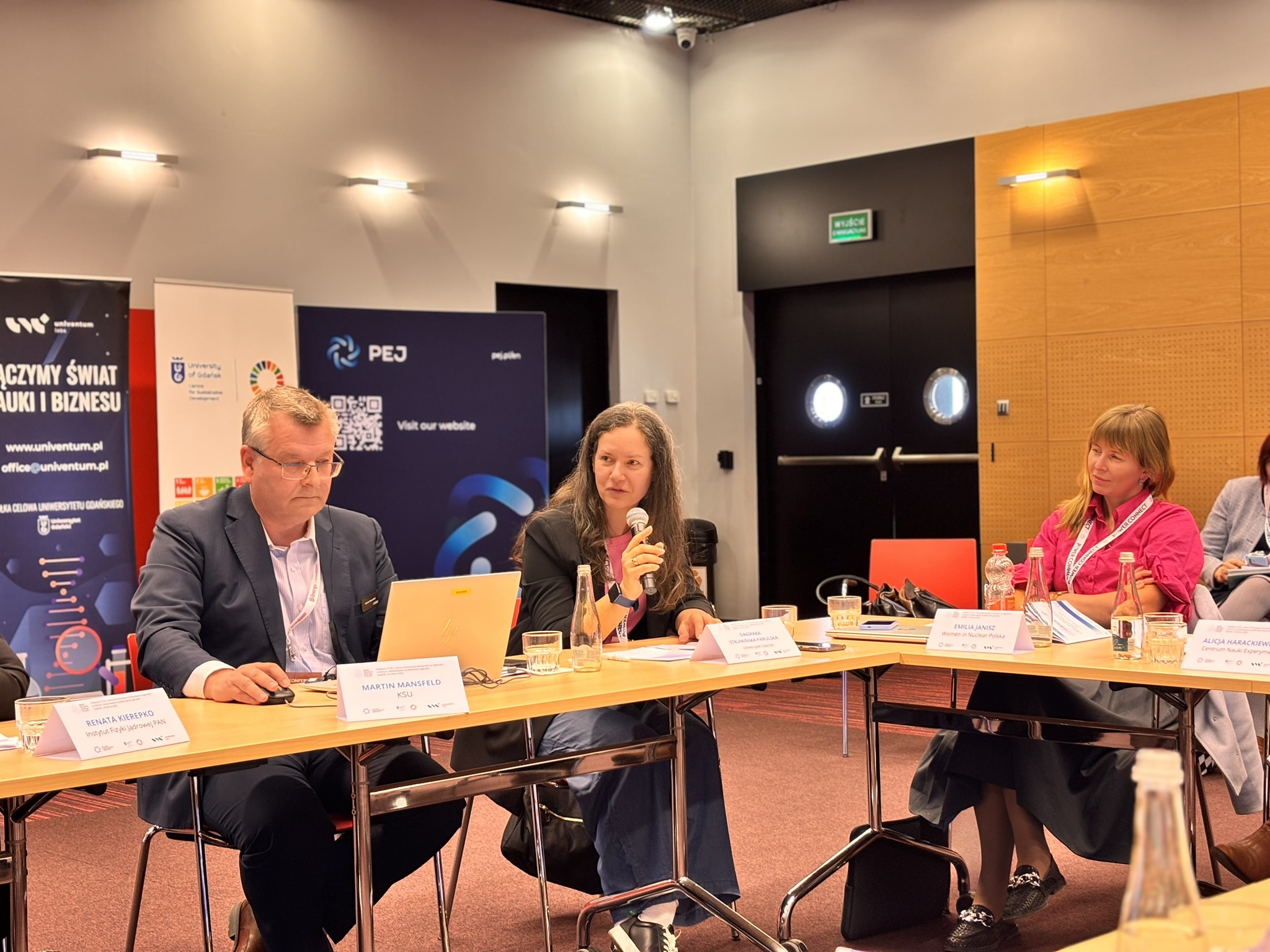
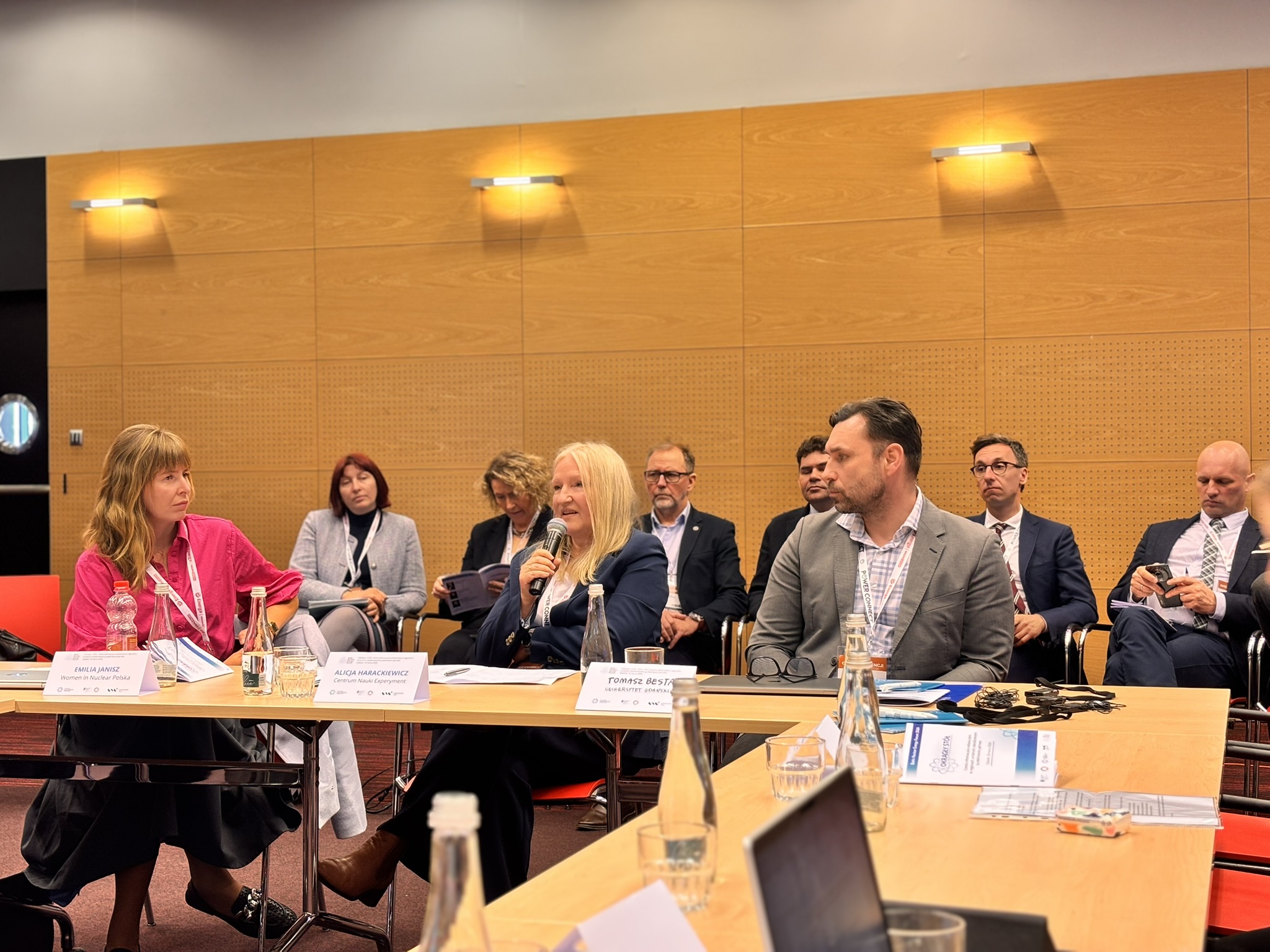
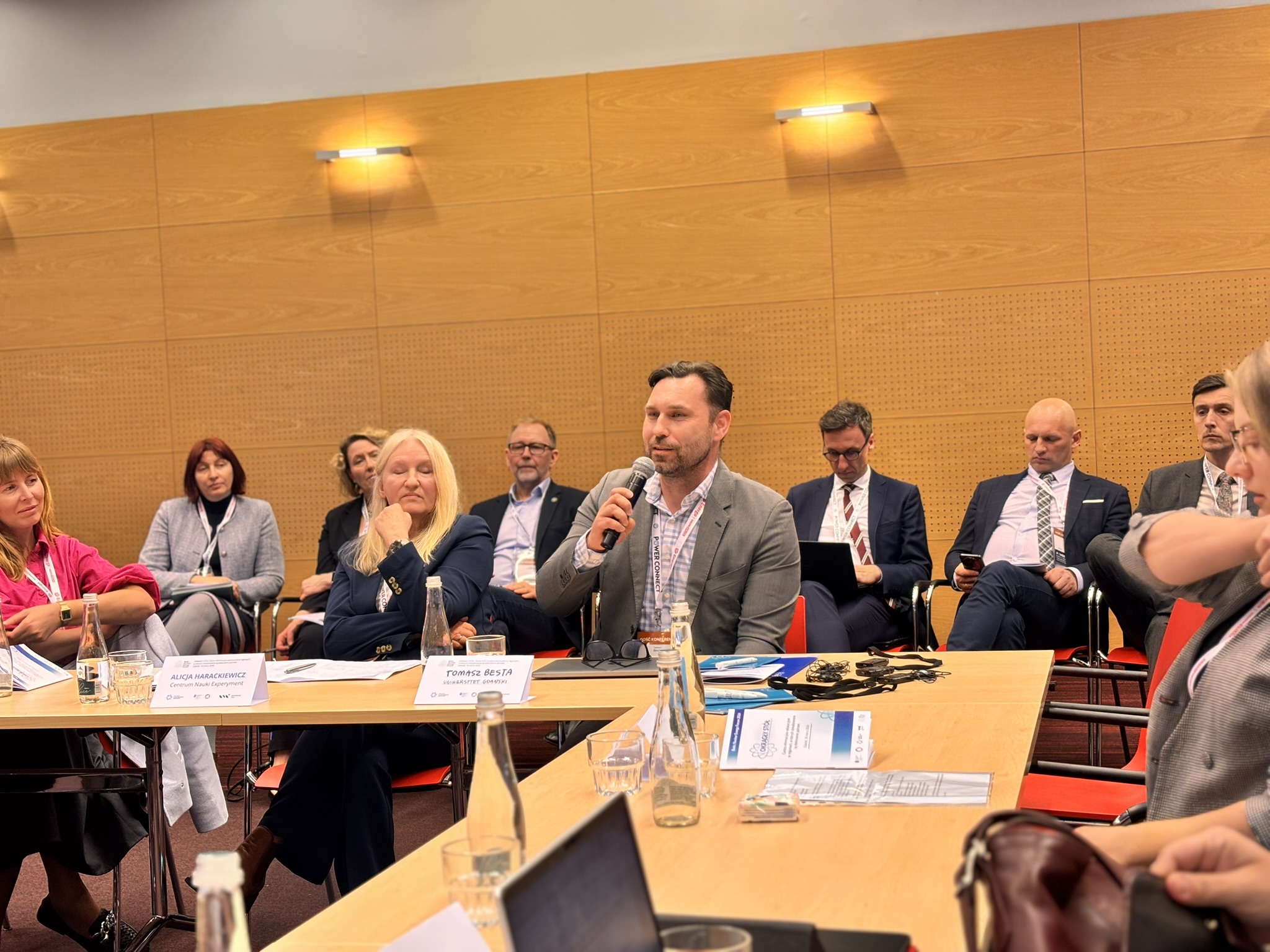
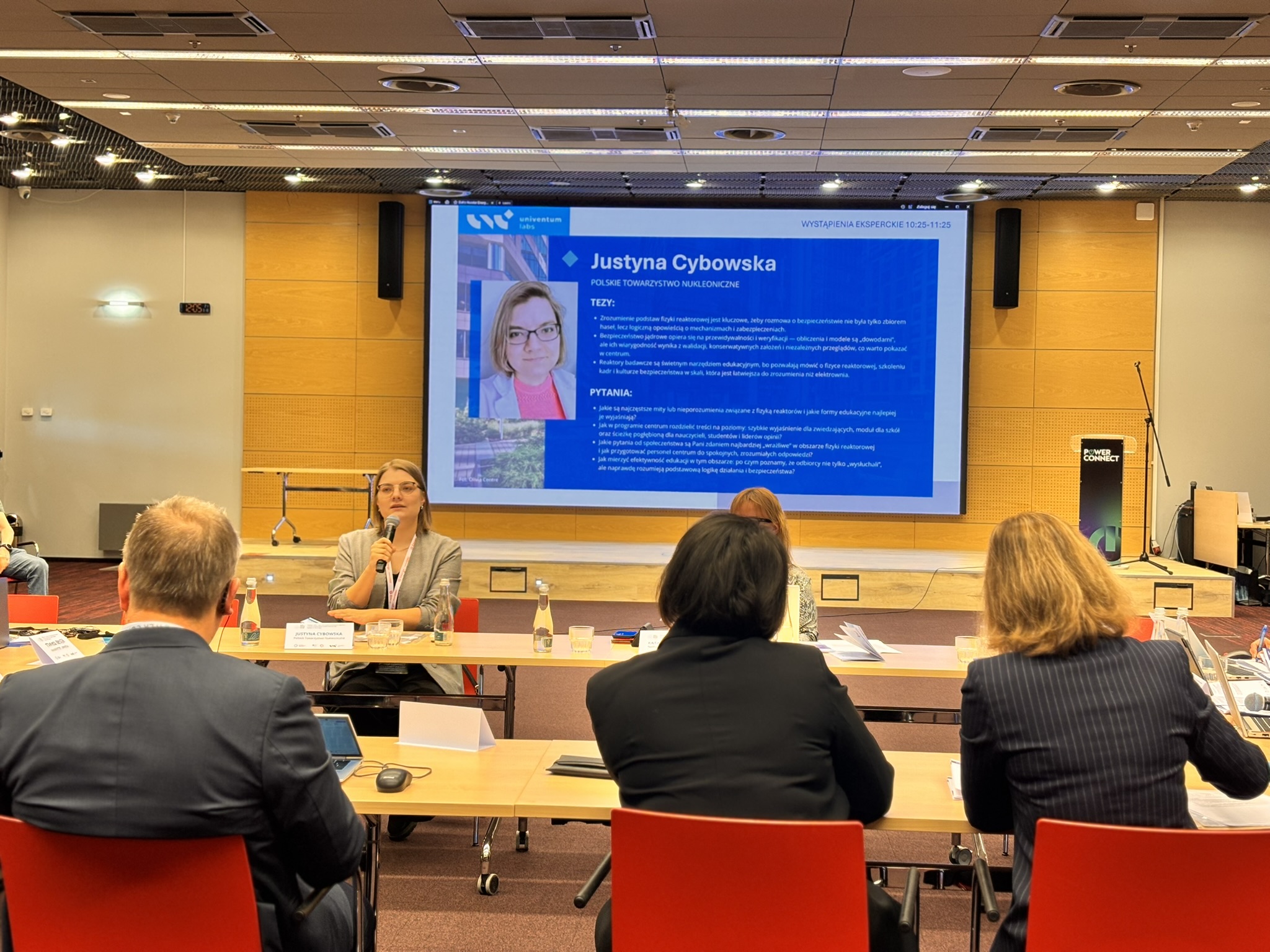
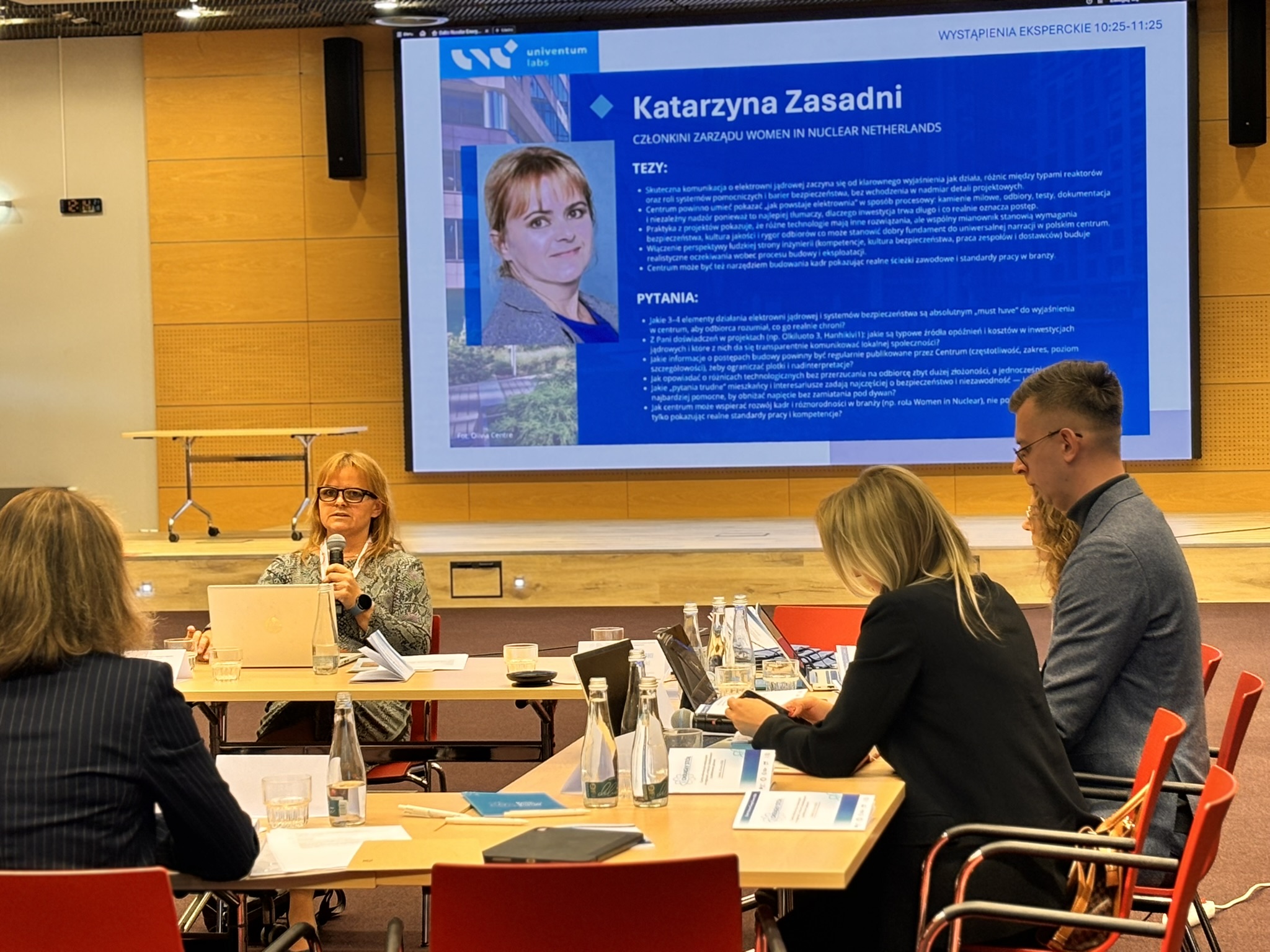
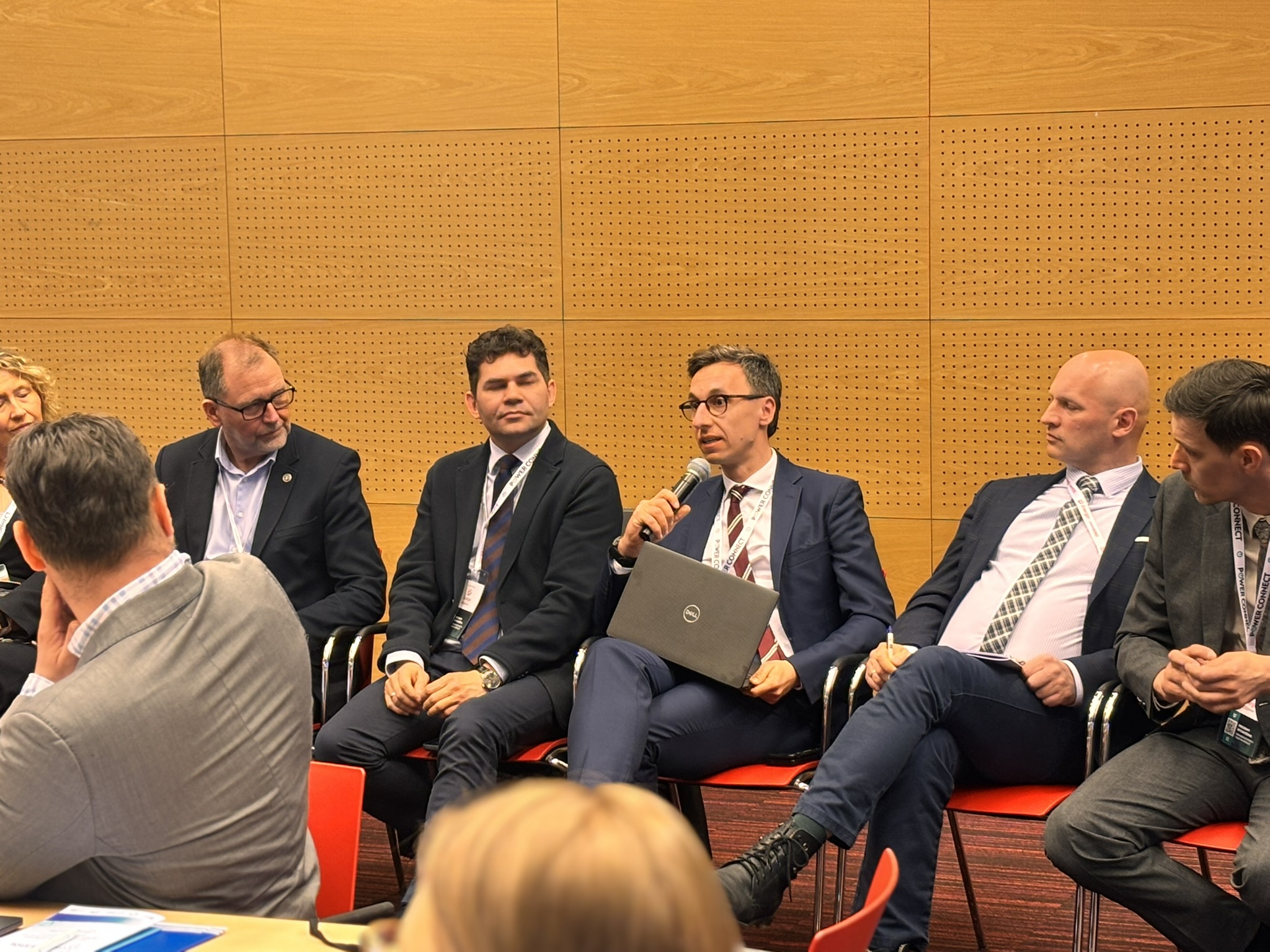
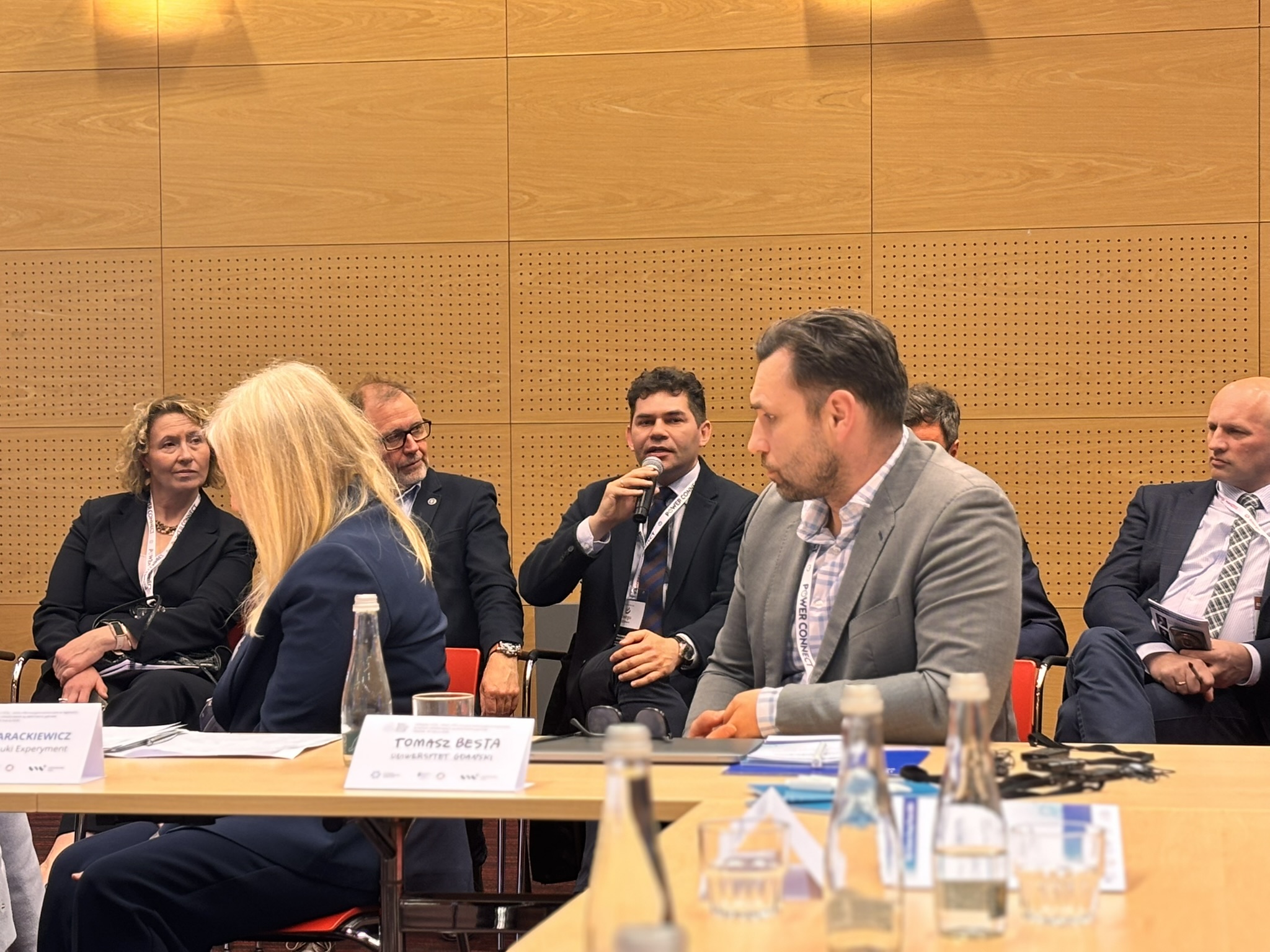
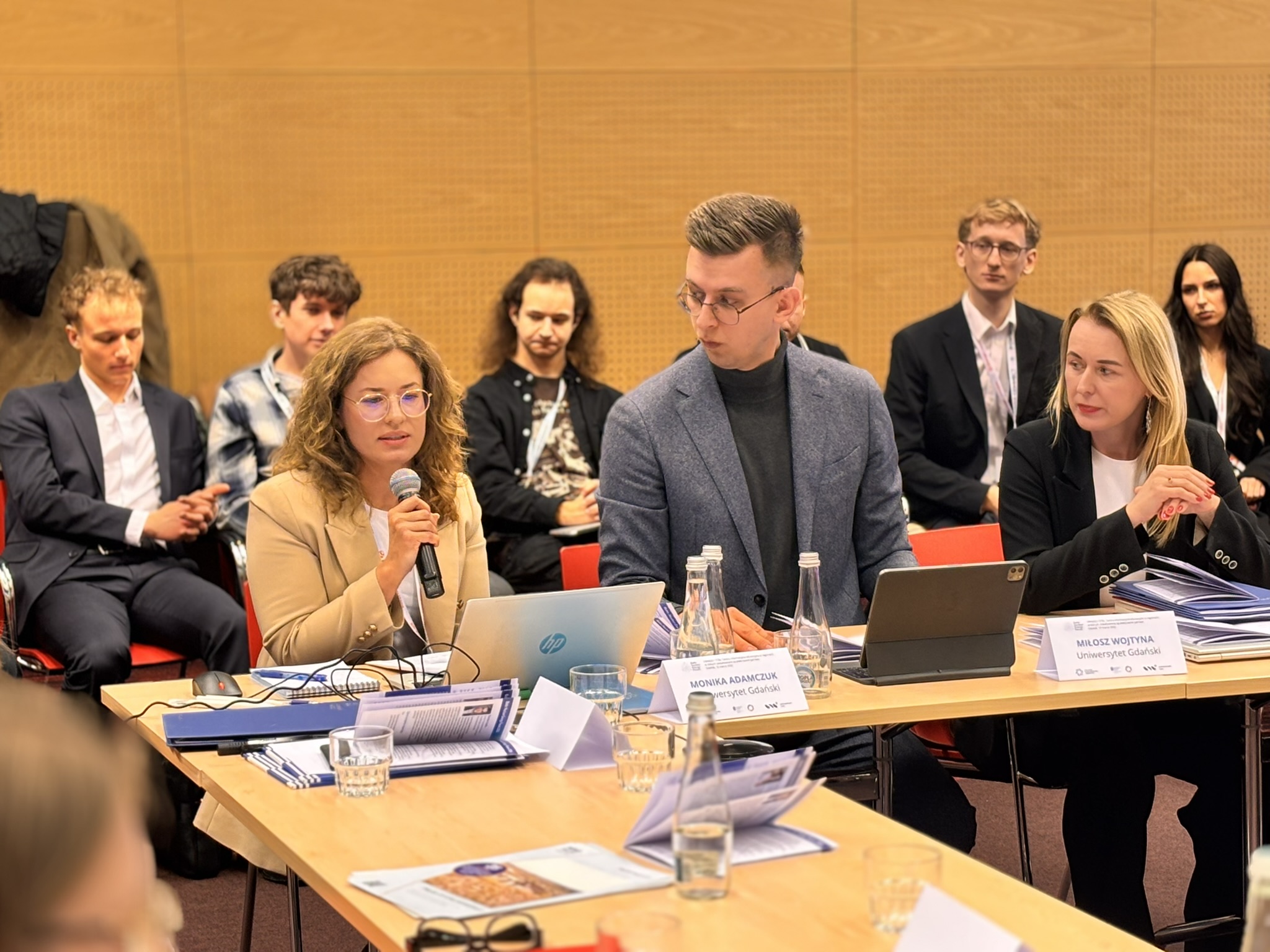
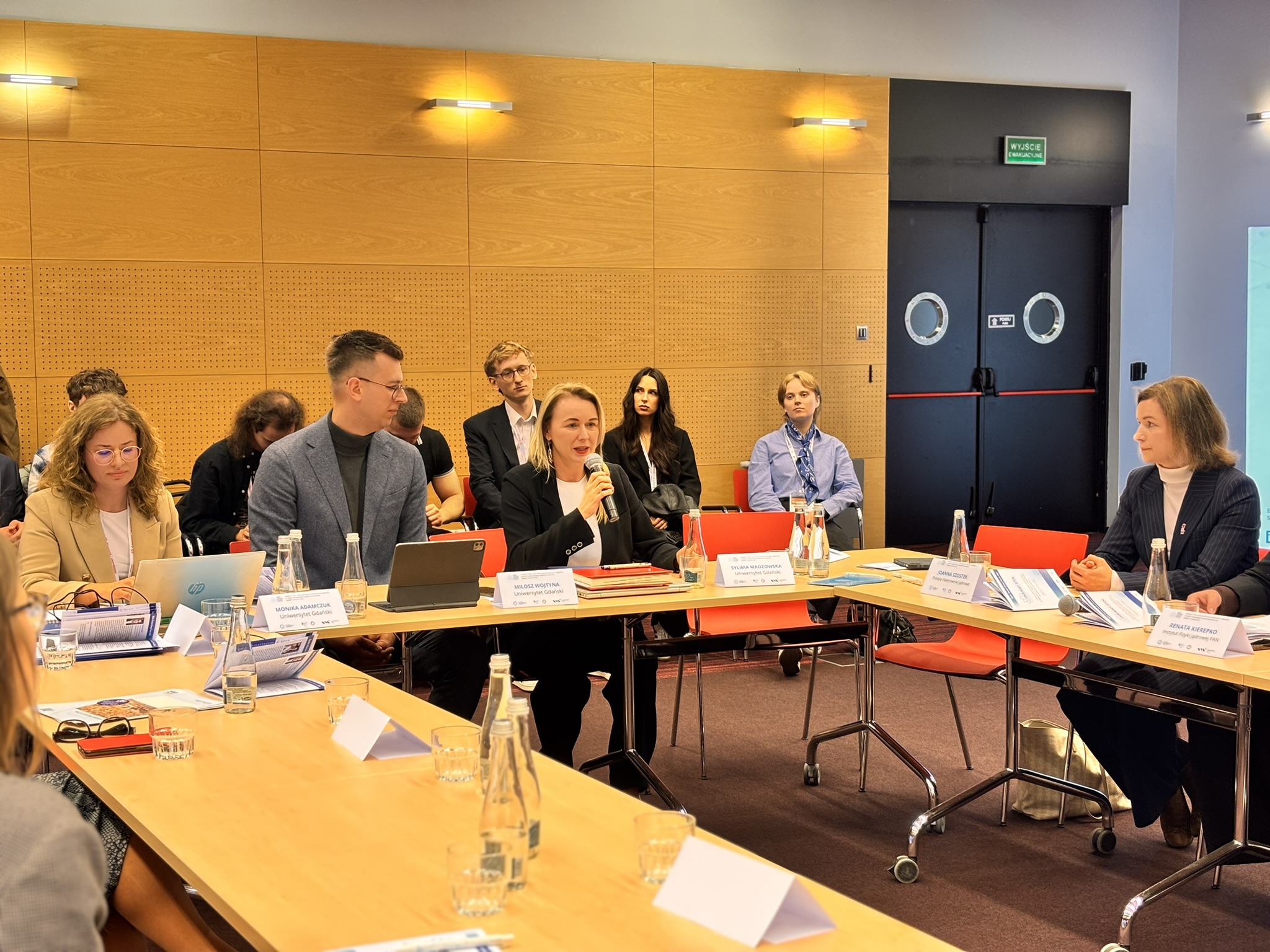
During the roundtable discussion titled “Information and Education Centers in Nuclear Power Plant Regions,” experts involved in the operations of such centers at European nuclear power plants exchanged experiences regarding effective methods of education and the dissemination of reliable information. The discussion covered both solutions that work in practice and initiatives that fail to meet expectations.
The meeting was opened by Dr. Sylwia Mrozowska, Professor at the University of Gdańsk, Director of the University of Gdańsk Center for Sustainable Development, and President of the university’s special-purpose company Univentum Labs sp. z o.o.
The following experts were invited to participate in the discussion:
- Joanna Szostek, Director of the Communications and Stakeholder Relations Division, Polish Nuclear Power Plants
- Dr. hab. Renata Kierepko, Institute of Nuclear Physics, Polish Academy of Sciences
- Martin Mansfeld, KSU
- dr hab. Dagmara Strumińska-Parulska, Prof. at the University of Gdańsk, Head of the Department of Toxicology and Radiation Protection, University of Gdańsk
- Emilia Janisz, Women in Nuclear Poland
- Alicja Harackiewicz, Director of the Experyment Science Center
- Dr. hab. Tomasz Besta, Professor at the University of Gdańsk, Head of the Environmental Psychology and Intergroup Relations Laboratory, University of Gdańsk
- Dr. Justyna Cybowska, Polish Nuclear Society
- Katarzyna Zasadni, Women in Nuclear Netherlands
The discussion was moderated by Dr. Miłosz Wojtyna from the Department of English Literature at the University of Gdańsk. The summary was prepared by Monika Adamczuk from the Center for Sustainable Development at the University of Gdańsk. Szymon Gronowski, an employee of the Center for Research on the History of Nuclear Energy (CZRUG), also participated in the event. Representatives of local governments and the business community, as well as students, listened to the debate.
The meeting will result in a report containing recommendations regarding the model, mission, functional structure, and educational and communication strategy for information and education centers based on scientific research and the experiences of countries where nuclear power plants operate.
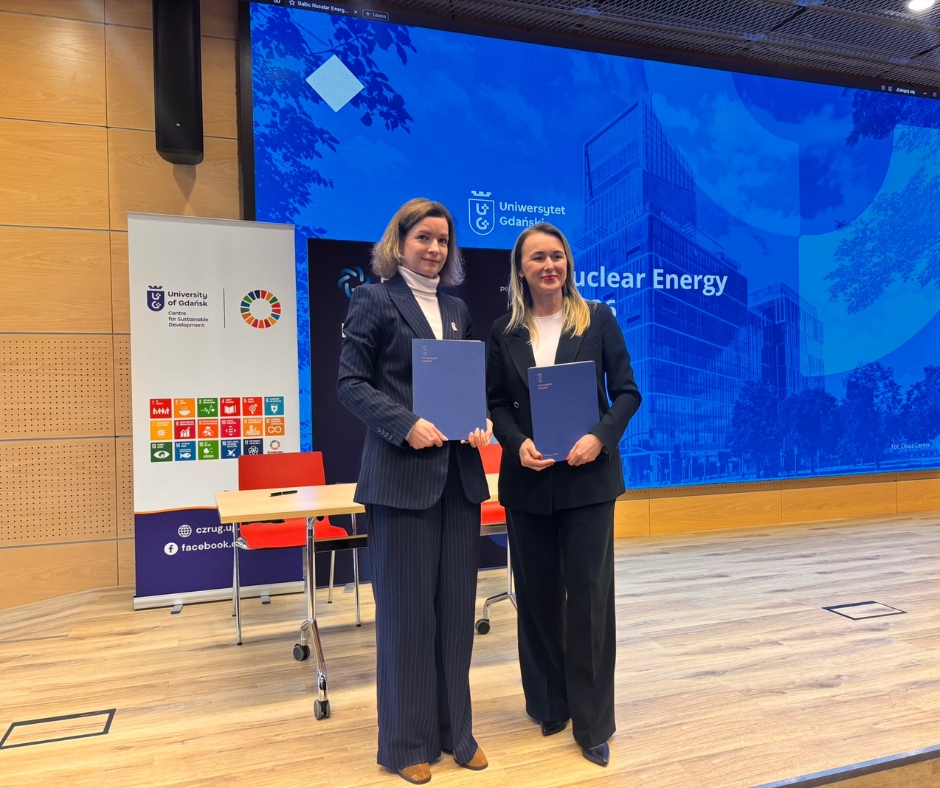
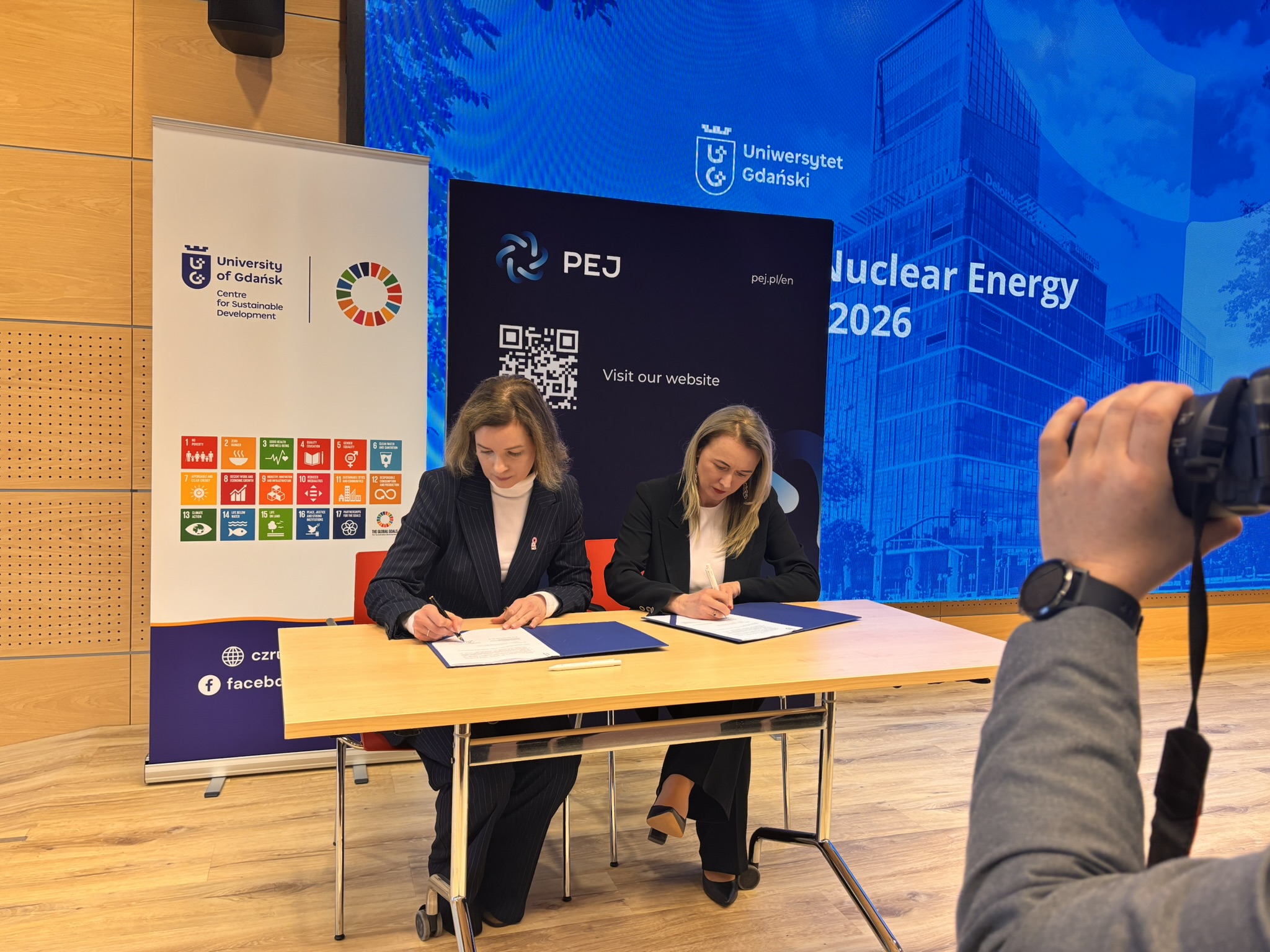
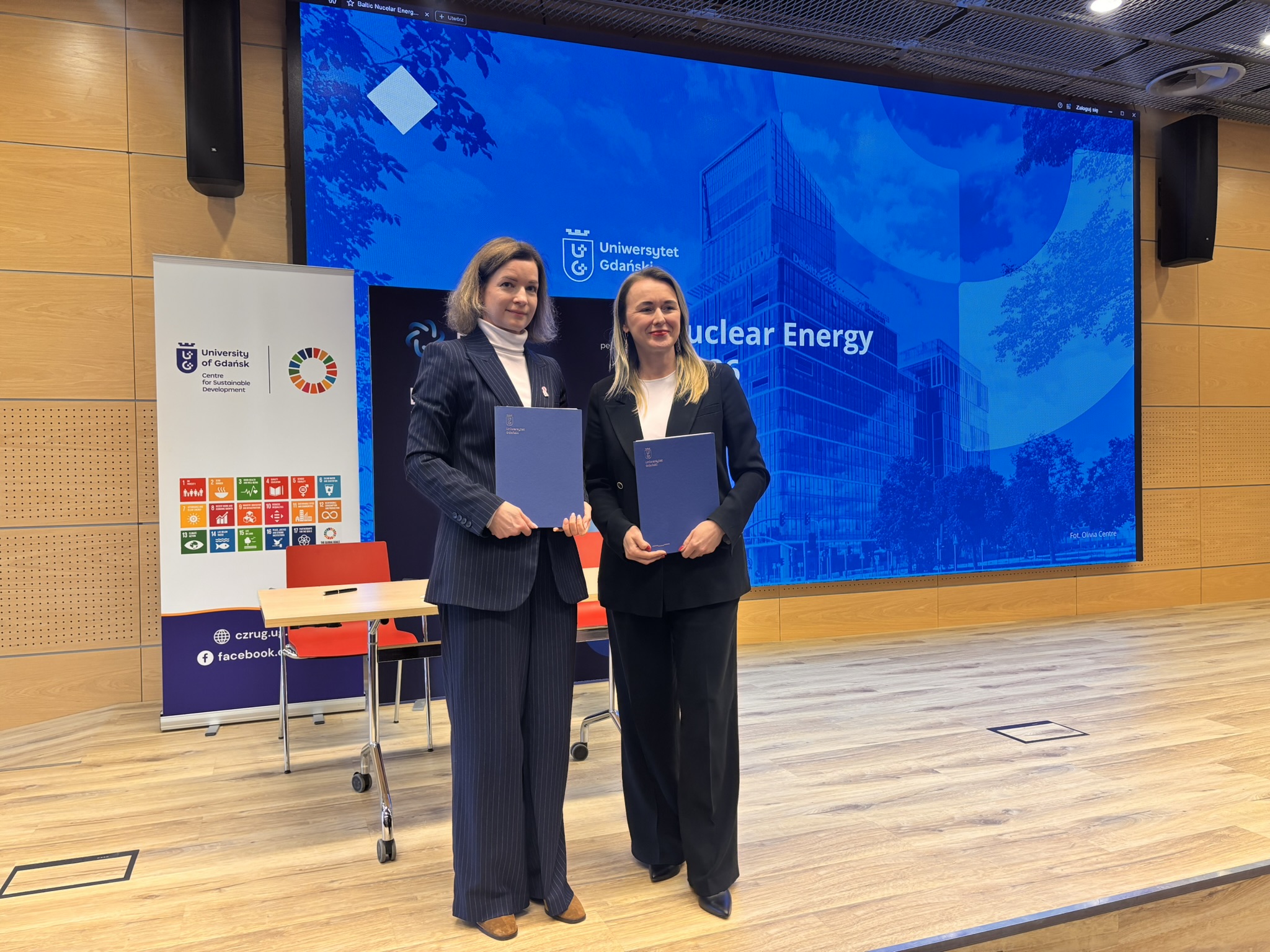
The event culminated in the ceremonial signing of a letter of intent to establish cooperation between Polish Nuclear Power Plants and the Center for Sustainable Development at the University of Gdańsk. This is an important step toward joint initiatives for education, social dialogue, and the promotion of sustainable development in the Pomerania region, particularly in the vicinity of the planned nuclear power plant.
Video: Jakub Zboiński, Paweł Cuper
Another outcome of the Baltic Nuclear Energy Forum 2026 was the publication of the BNEF iNSIGHT 2026 report, which serves as a summary of the third edition of the conference. “The publication provides a multifaceted view of the future of the nuclear sector. In the report, you will find analyses by experts who, under the slogan ‘Energy for a Resilient Society,’ debated the role of nuclear power as a pillar of energy sovereignty and economic stability for Poland and Europe,” the authors announce.
Link to download the BNEF report: BNEF iNSIGHT 2026 – Baltic Nuclear Energy Forum