

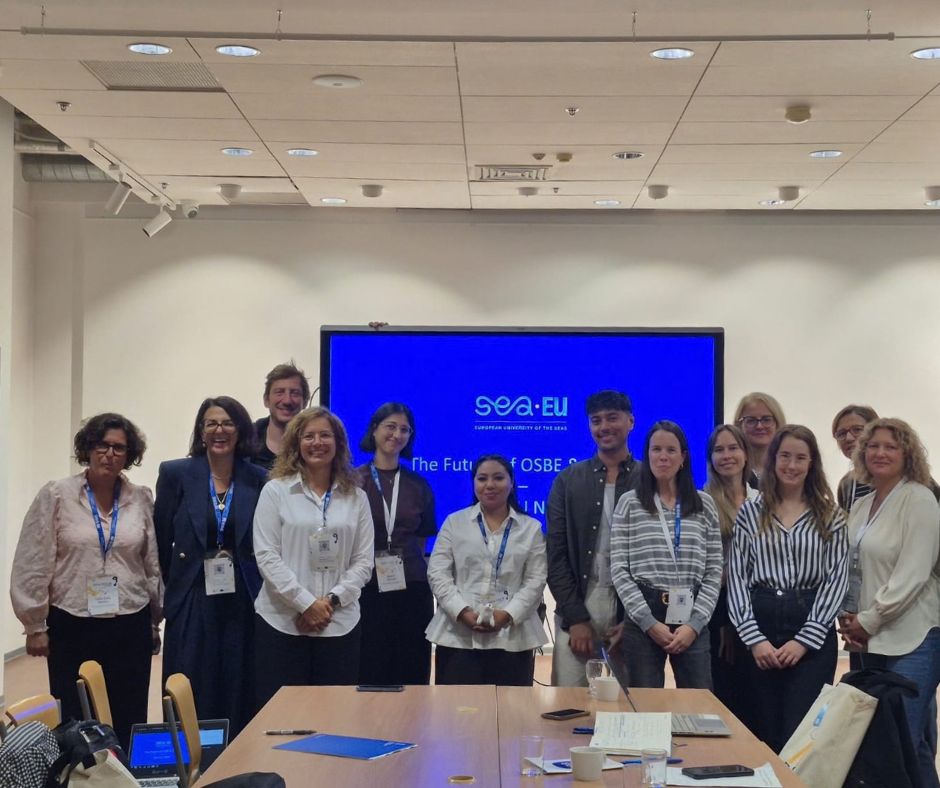
From 15 to 17 September 2026, the University of Gdańsk hosted Staff Week, dedicated to the work of two observatories operating within the European University of the Seas (SEA-EU) alliance: the Observatory for Sustainable Blue Economy (OSBE) and the Observatory of Migration and Human Rights (OMHR).
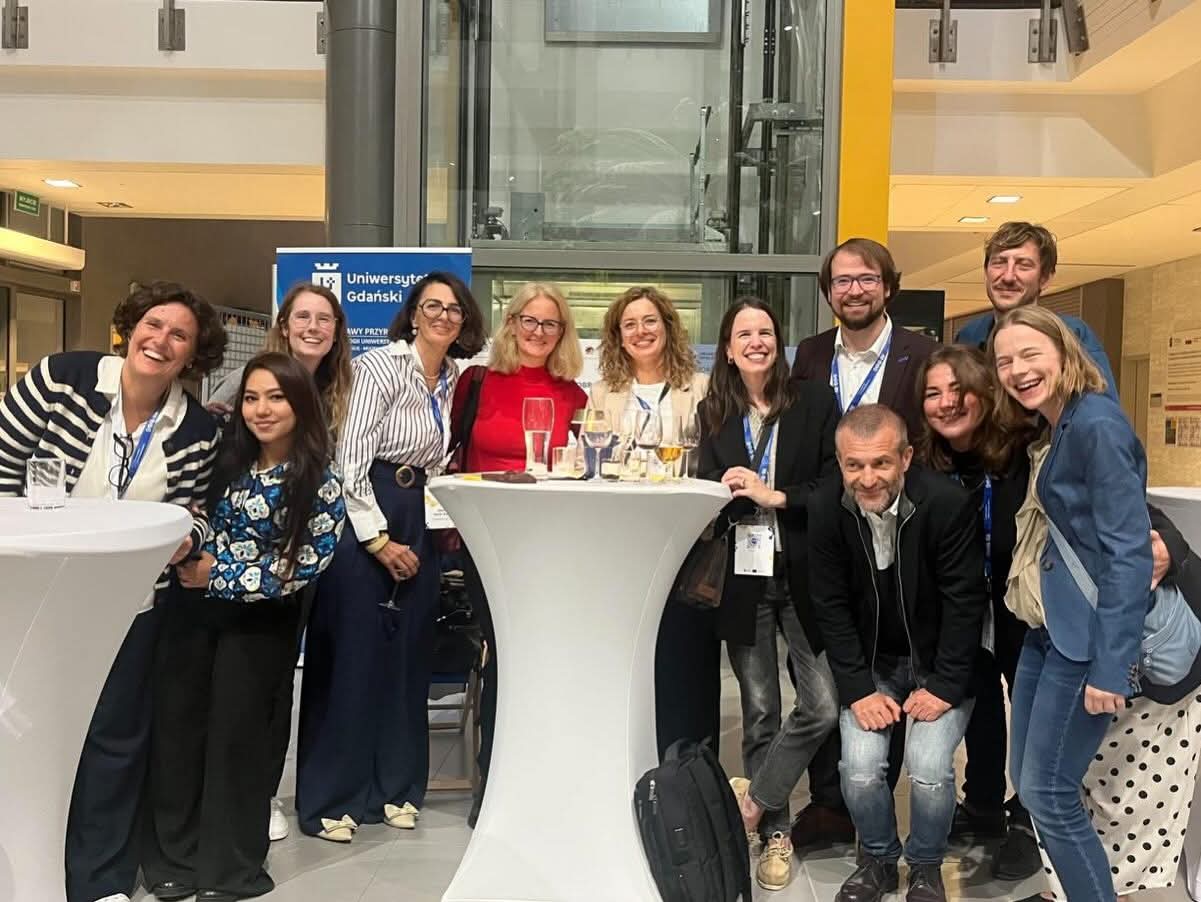
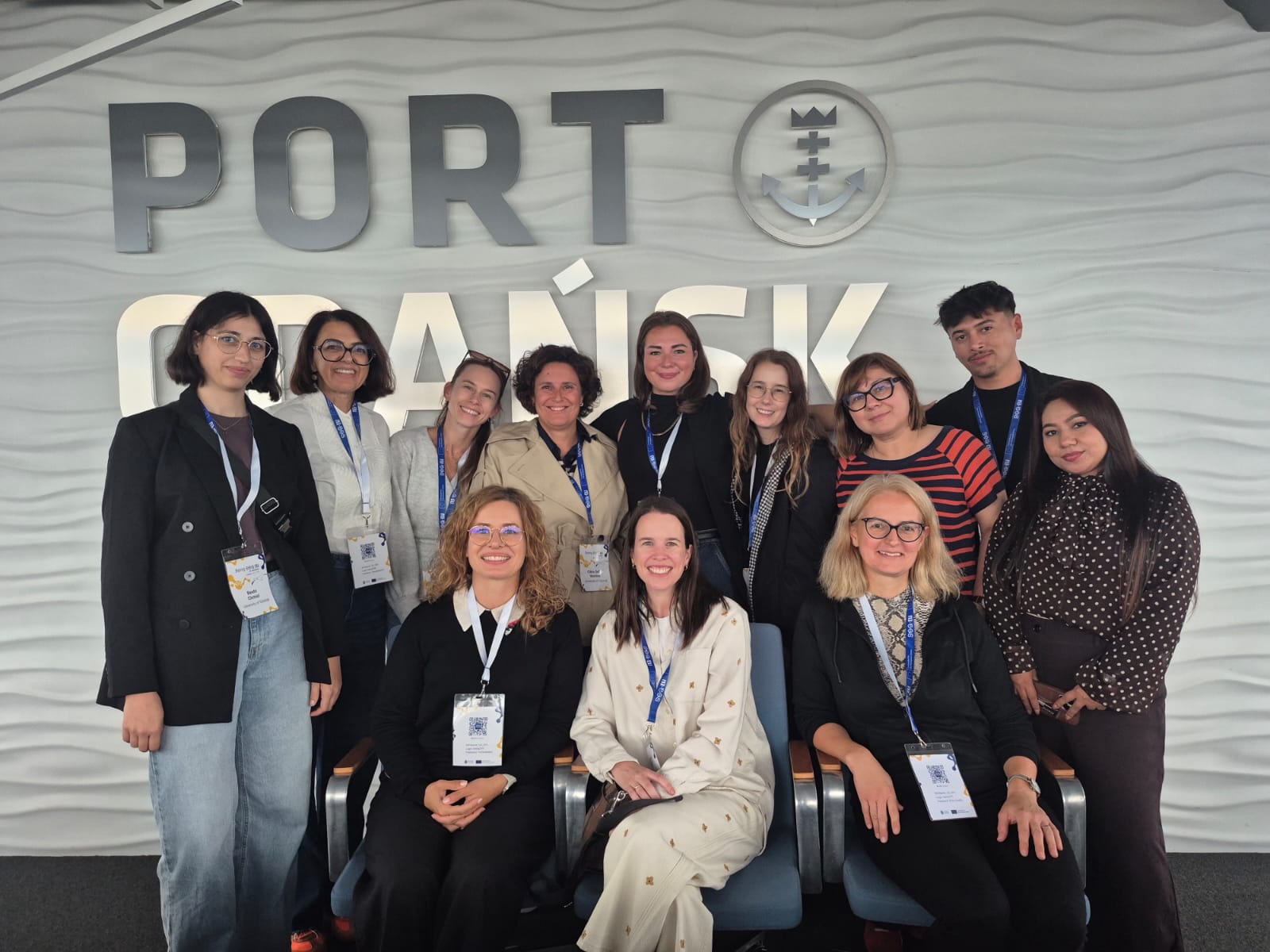
Staff Week was organised as a side event to the third and final edition of the Being SEA-EU conference, which was hosted in 2026 by the University of Gdańsk – the Polish partner of the SEA-EU alliance. This year’s conference was dedicated, amongst other things, to presenting the ecosystem of cooperation, innovation and results developed over the seven years of the SEA-EU’s operation, as well as to discussing the next stage in the alliance’s development.
The three-day Staff Week brought together representatives from partner universities involved in the activities of both observatories. Its aim was to summarise the cooperation to date, exchange experiences and discuss the future of the OSBE and OMHR, particularly in the context of the next phase of the project – SEA-EU NEXT.
The first day was devoted to the achievements of both observatories and the experiences gained during the implementation of SEA-EU 2.0. Presentations were given by the observatories’ coordinators: Dr Ángeles Jiménez García-Carriazo from the University of Cádiz (UCA), Director of the SEA-EU Observatory of Migration and Human Rights (OMHR), and Slađana Pavlinović Mršić from the University of Split (UNIST), coordinator of the Observatory for Sustainable Blue Economy (OSBE). Both universities, like the University of Gdańsk, are partner institutions of the SEA-EU alliance.
The programme also featured presentations by experts from the University of Gdańsk: Dr Beata Chmiel, representing the University of Gdańsk at the OSBE, and Dr hab. Elżbieta Czapka, prof. UG, representing the University of Gdańsk at the OMHR. The meeting was also attended by Hanna Łądkowska and Barbara Dmochowska from the Faculty of Oceanography and Geography at the University of Gdańsk, who had previously been involved in OSBE activities, as well as Dr hab. Anna Dziadkiewicz, prof. UG., Vice-Dean for Internationalisation and Development at the Faculty of Management, who is involved, amongst other things, in work on a SWOT analysis of the coastal region.
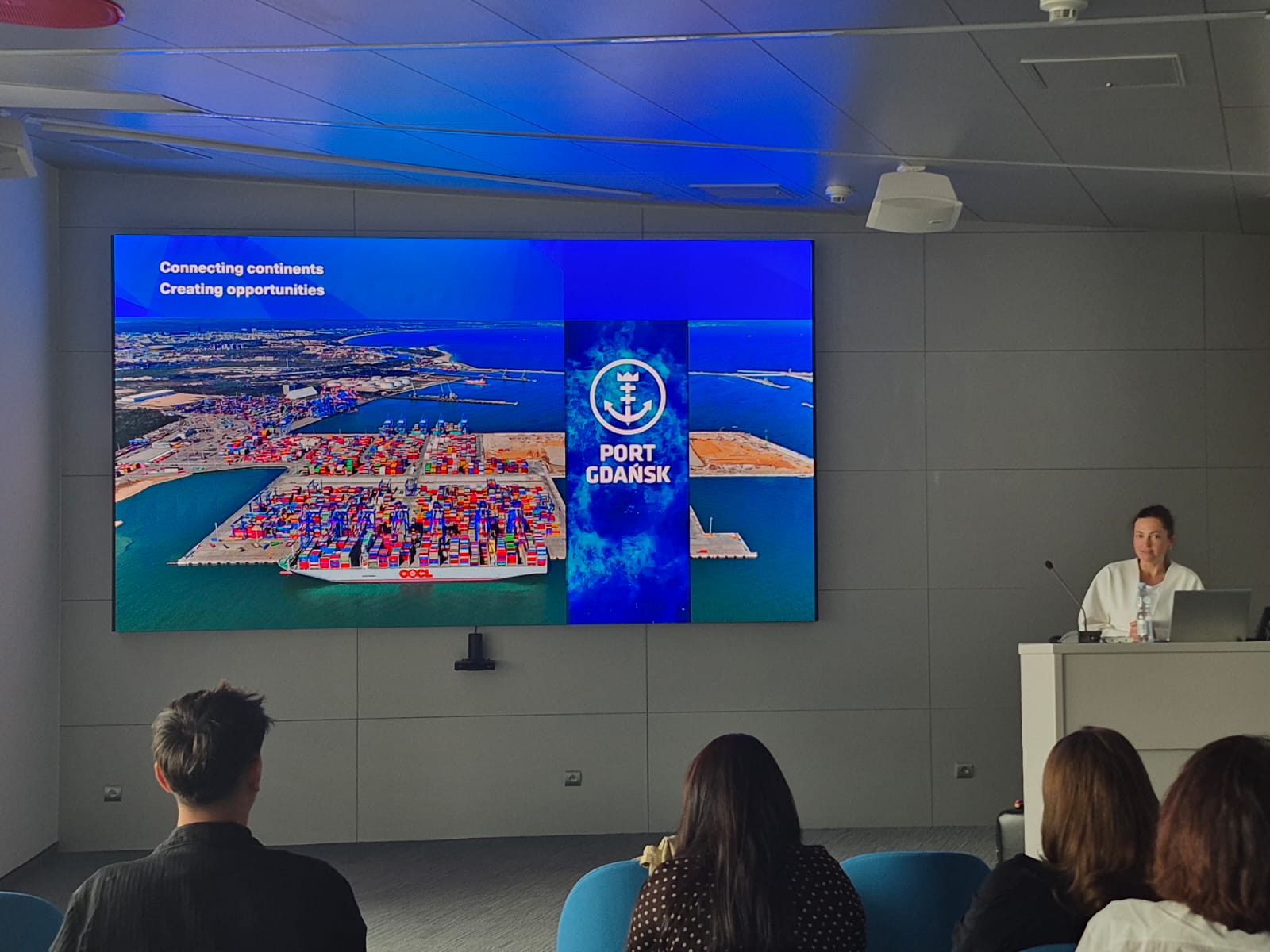
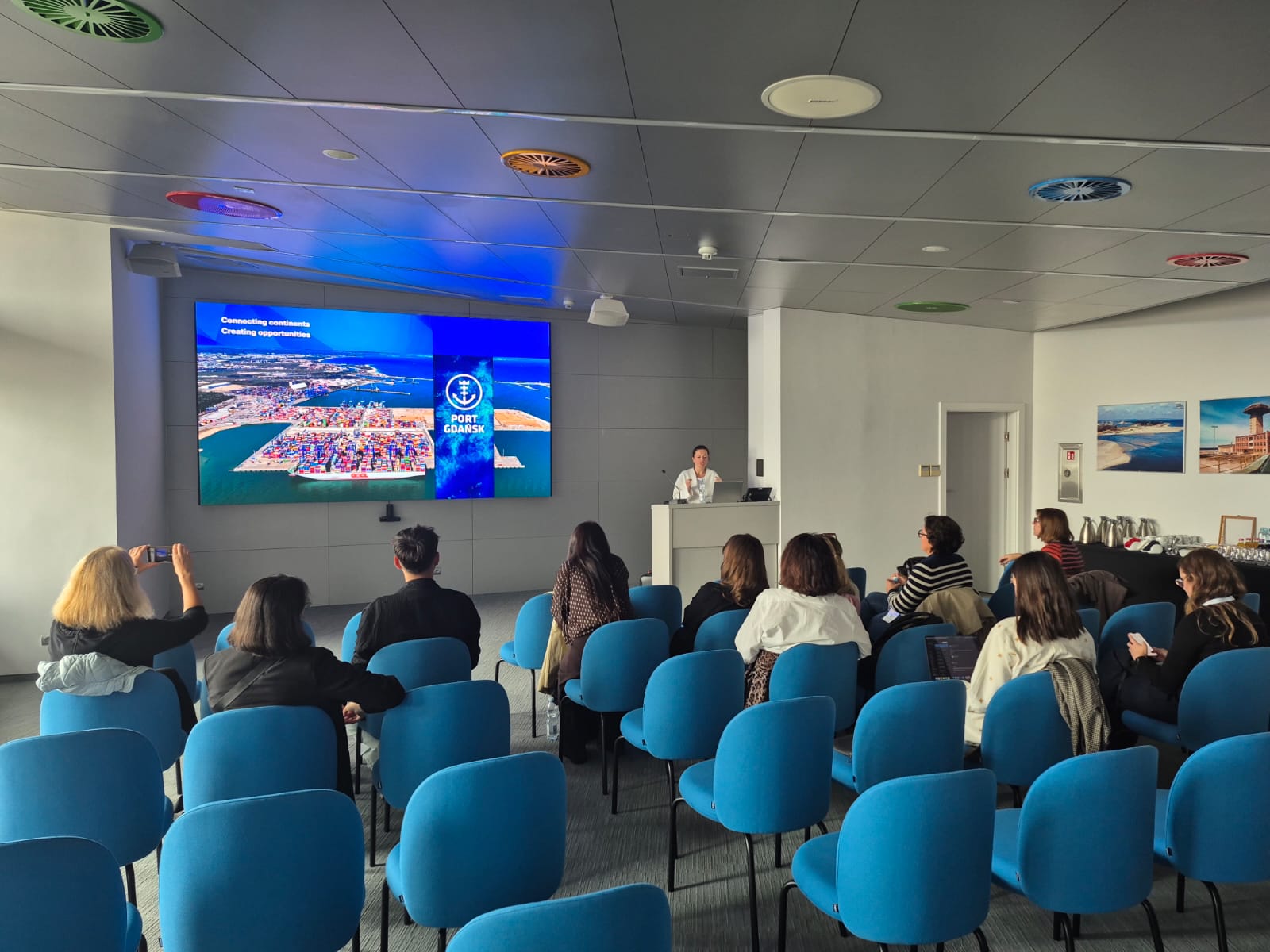
The second day of Staff Week focused on current initiatives and cooperation with the socio-economic environment. Participants also took part in sessions at the Being SEA-EU conference. A key item on the agenda was a study visit to the Port of Gdańsk, which provided an opportunity to gain a better understanding of the operations of one of the key players in the regional blue economy and served as a forum for discussions on university cooperation with representatives of the maritime and port sectors.
The final day took the form of a workshop and was devoted primarily to the future of both observatories. Participants worked on proposals for actions that could form the basis of the OSBE and OMHR action plans for the duration of the SEA-EU NEXT project.
In the case of OSBE, one of the main priorities is to forge stronger links between the observatory and regional blue economy ecosystems, to develop a network of stakeholders, and to collaborate with existing regional innovation hubs and Living Labs. Discussions also centred on the further development of webinars and thematic meetings, as well as identifying challenges common to coastal regions that could lead to new research, projects and initiatives carried out in collaboration with the socio-economic environment.
The OMHR proposed, amongst other things, developing cooperation with local stakeholders through meetings, visits and round-table discussions organised by individual universities, as well as further scientific and publishing collaboration, guest lectures and the preparation of joint project proposals. The proposals also included a summer school or training programme for Master’s and PhD students, as well as a public information bulletin (BIP) dedicated to migration and human rights.
Another key outcome of the meeting was the recognition of the potential for synergy between the OSBE and the OMHR. Despite their different thematic areas, both observatories face similar challenges related to building sustainable cooperation networks, engaging stakeholders and developing international cooperation. Participants gave a positive assessment of the joint Staff Week format and highlighted the possibility of organising further joint events and Staff Weeks in the future, whilst maintaining the distinct thematic focus of both observatories.
In conclusion, both teams formulated recommendations regarding the continued operation and development of the observatories within SEA-EU NEXT, including the resources necessary to develop cooperation with stakeholders, facilitate expert mobility, and implement joint research, educational and publication initiatives. The proposals developed in Gdańsk are intended to serve as a starting point for further work on the action plans of both observatories for the next phase of SEA-EU cooperation. In the case of the OSBE, these activities also form part of the planned operational integration of the observatories into regional ecosystems and the creation of structured mechanisms for cooperation with stakeholders.
The SEA-EU Observatories Staff Week was organised and coordinated by Monika Adamczuk from the University of Gdańsk’s Centre for Sustainable Development, the SEA-EU Task 5.2 coordinator at the University of Gdańsk, who was also responsible for chairing the three-day meeting and moderating the discussions and working sessions.