

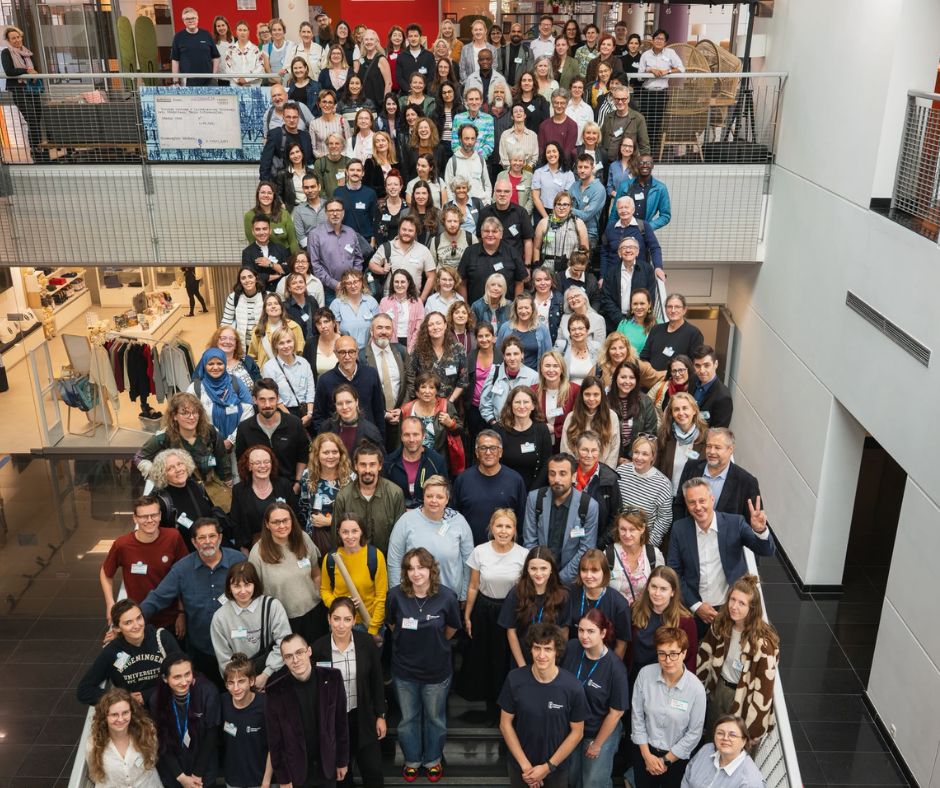
From 7 to 10 July 2026, the University of Gdańsk hosted the 11th International Living Knowledge Conference (LK11) on ‘Research and Solidarity’. Gdańsk – the birthplace of the Solidarity movement – lent a symbolic dimension to the conference, which focused on the social role of science.
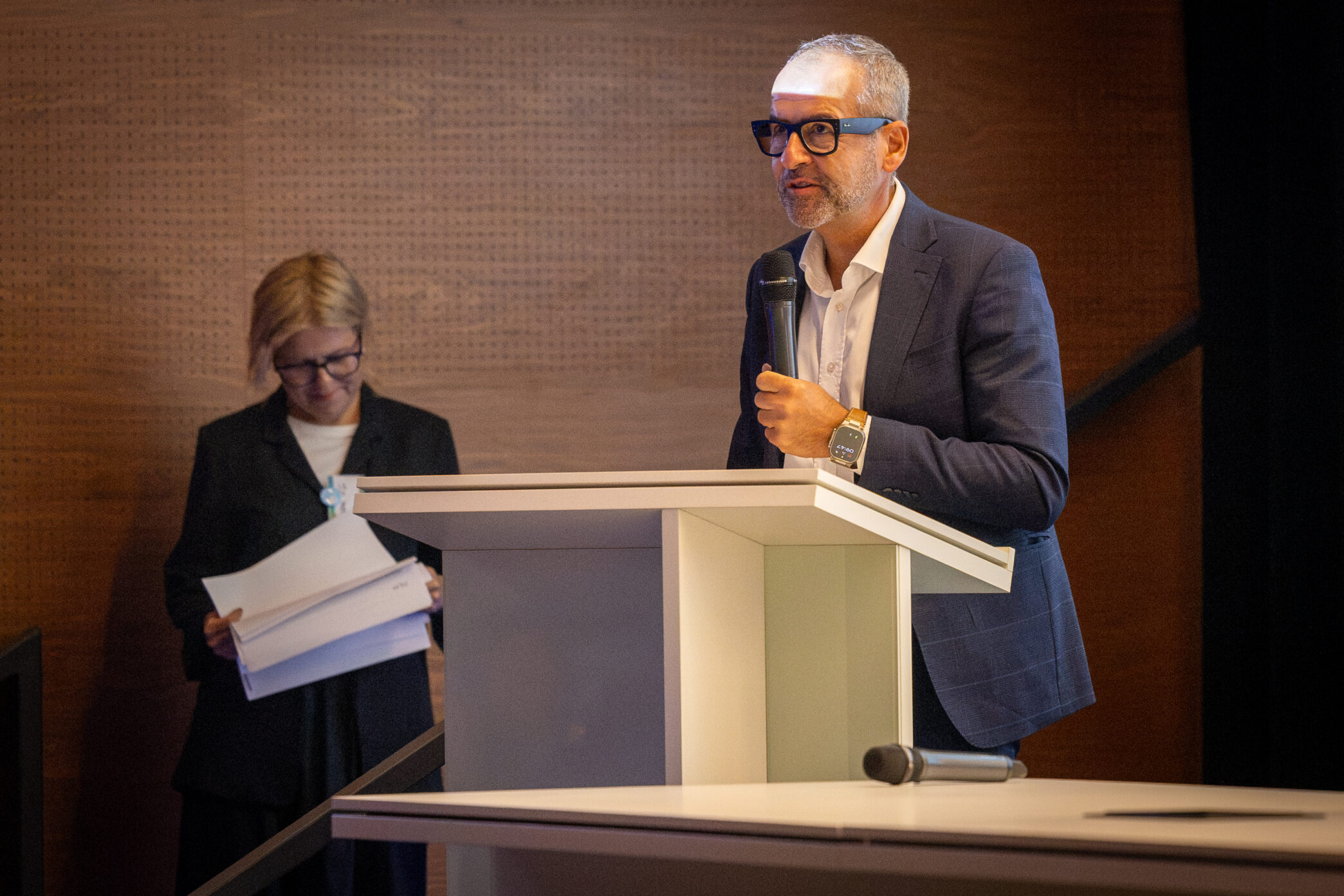
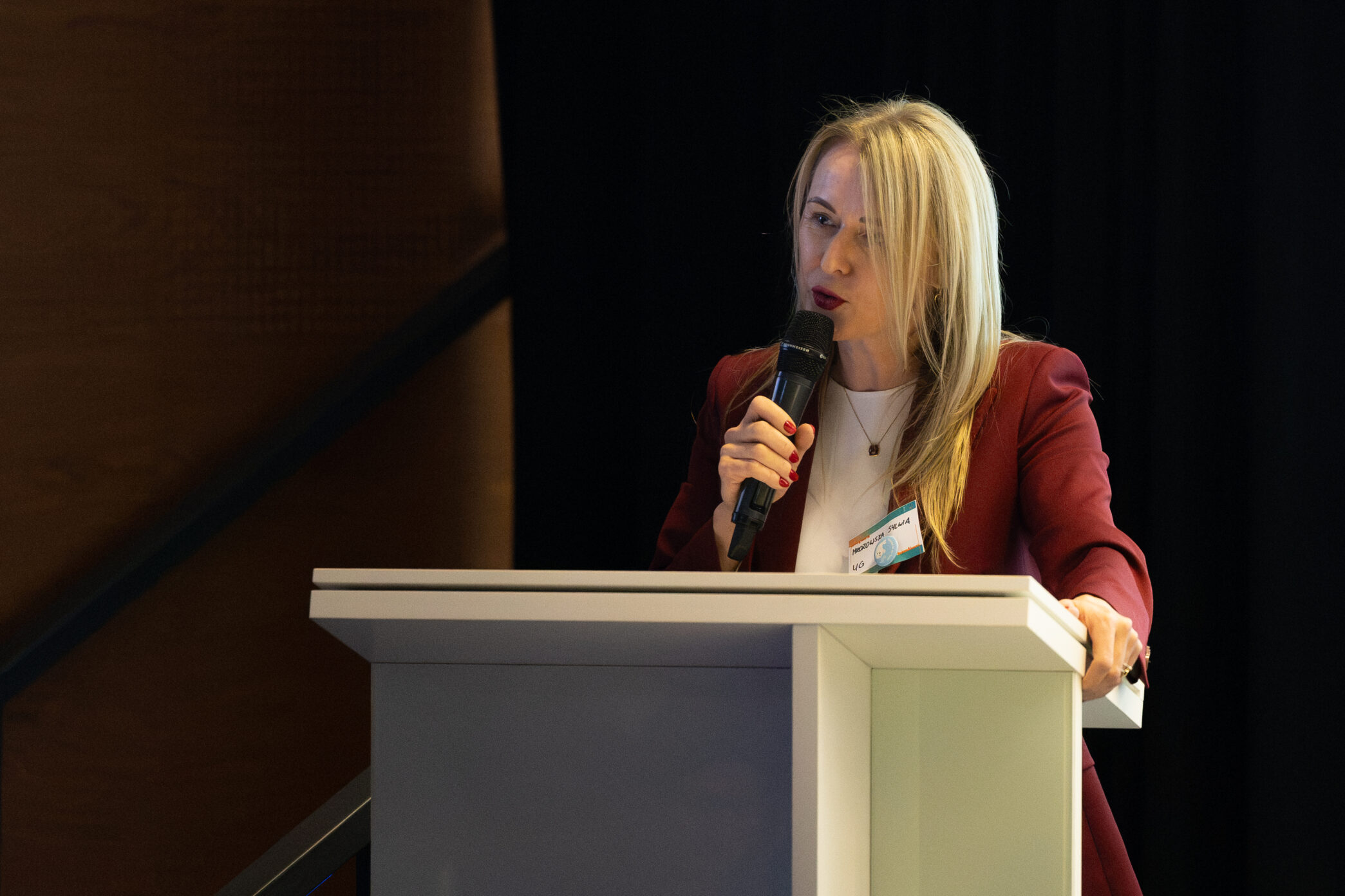
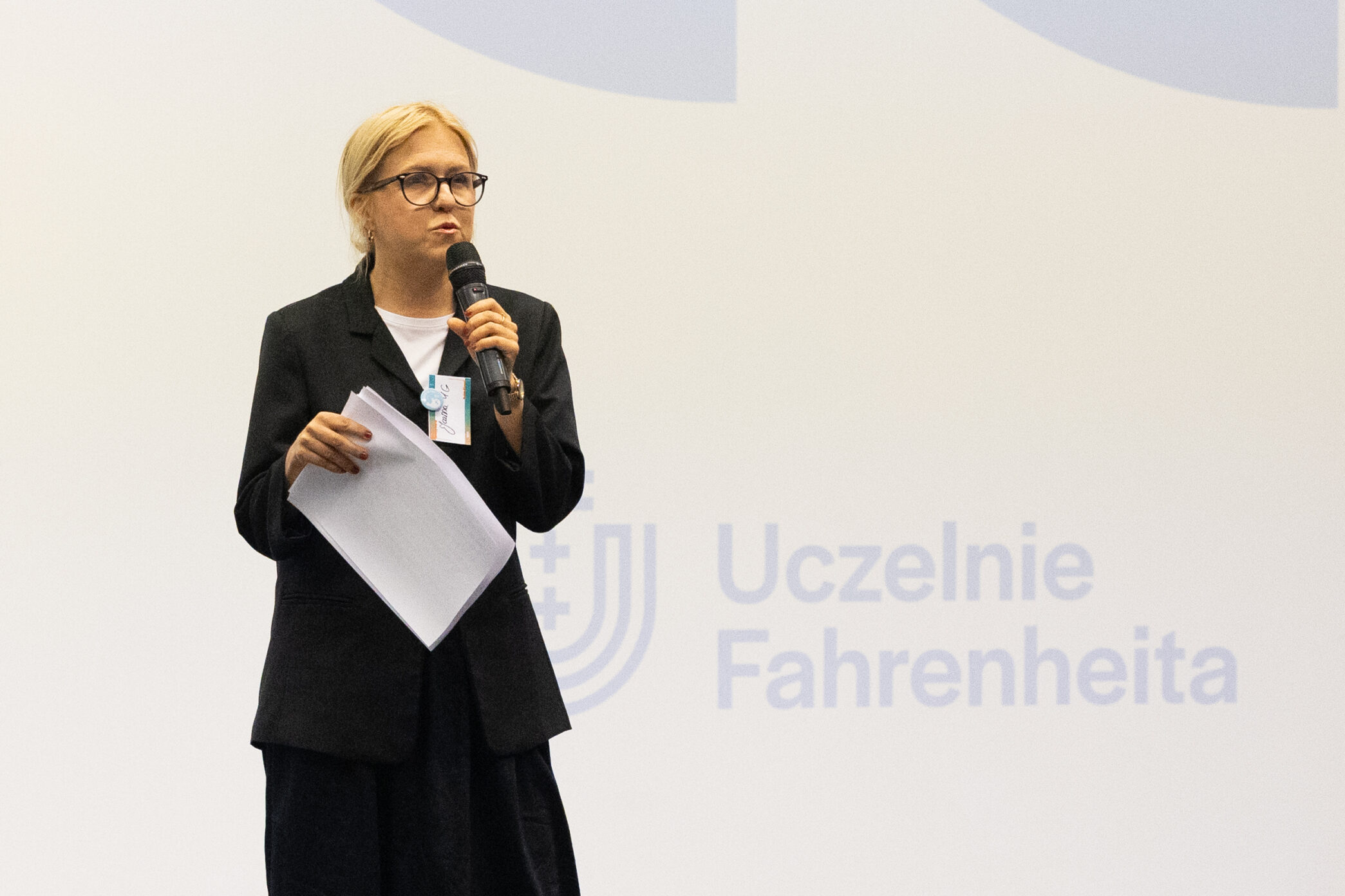
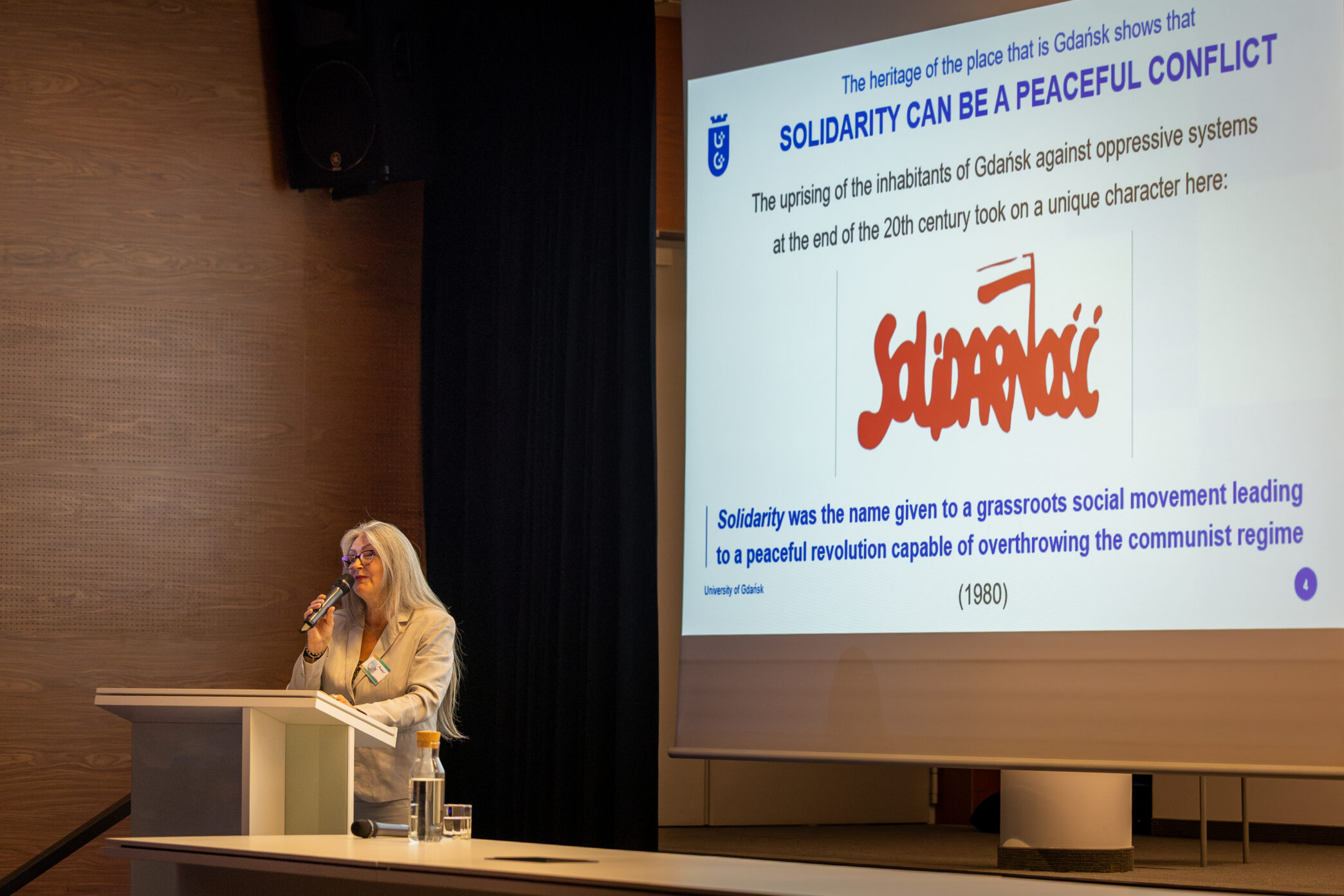
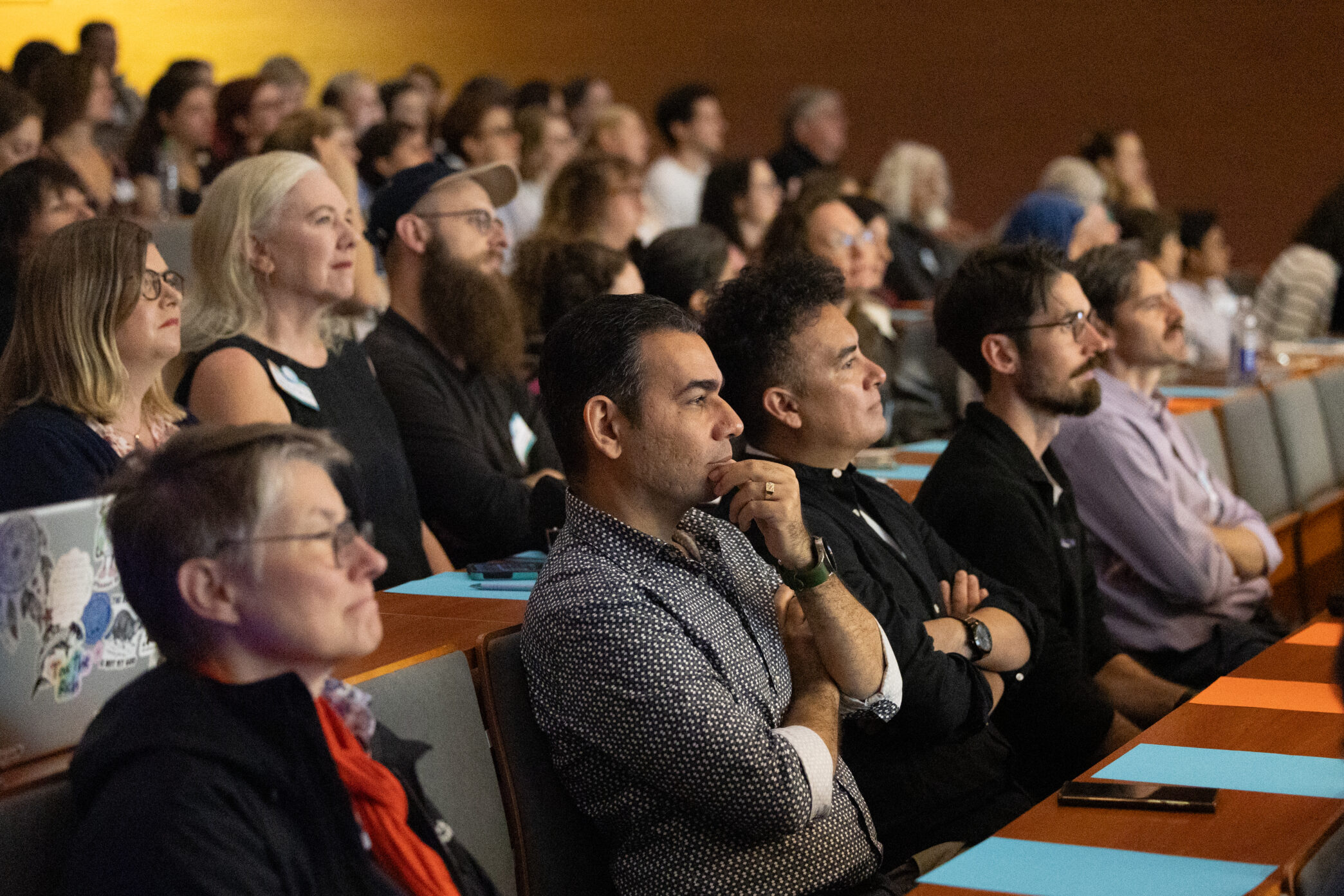
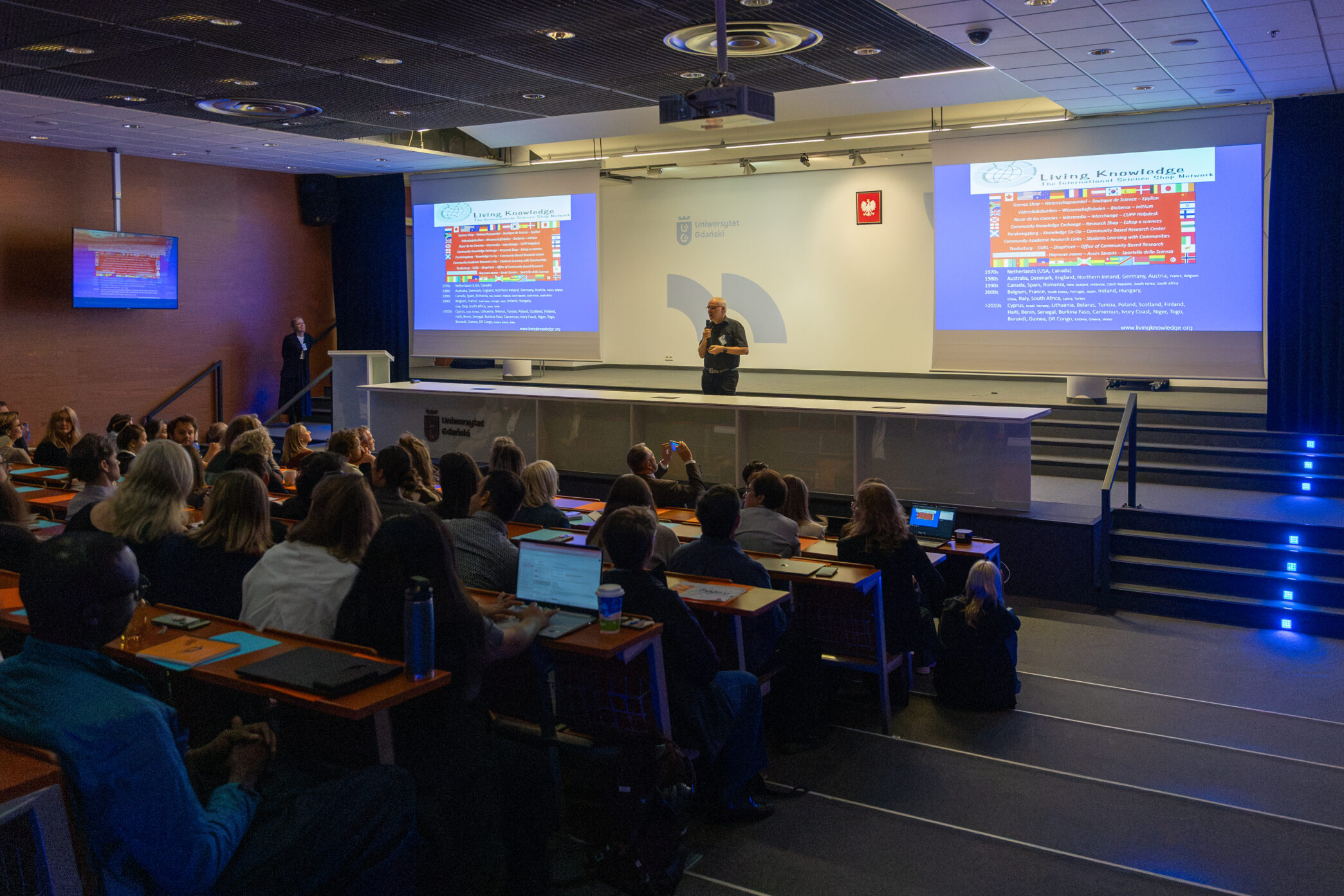
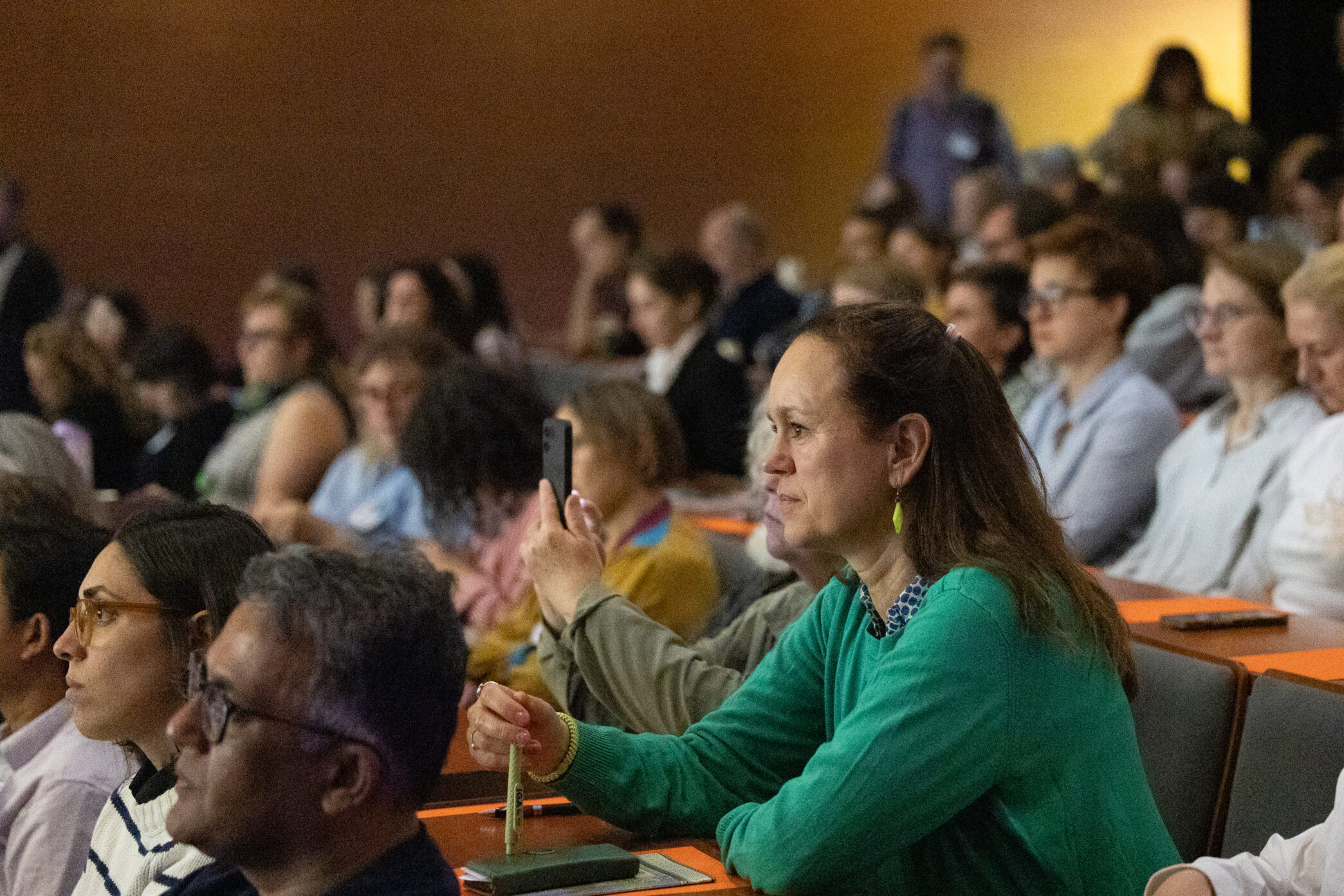
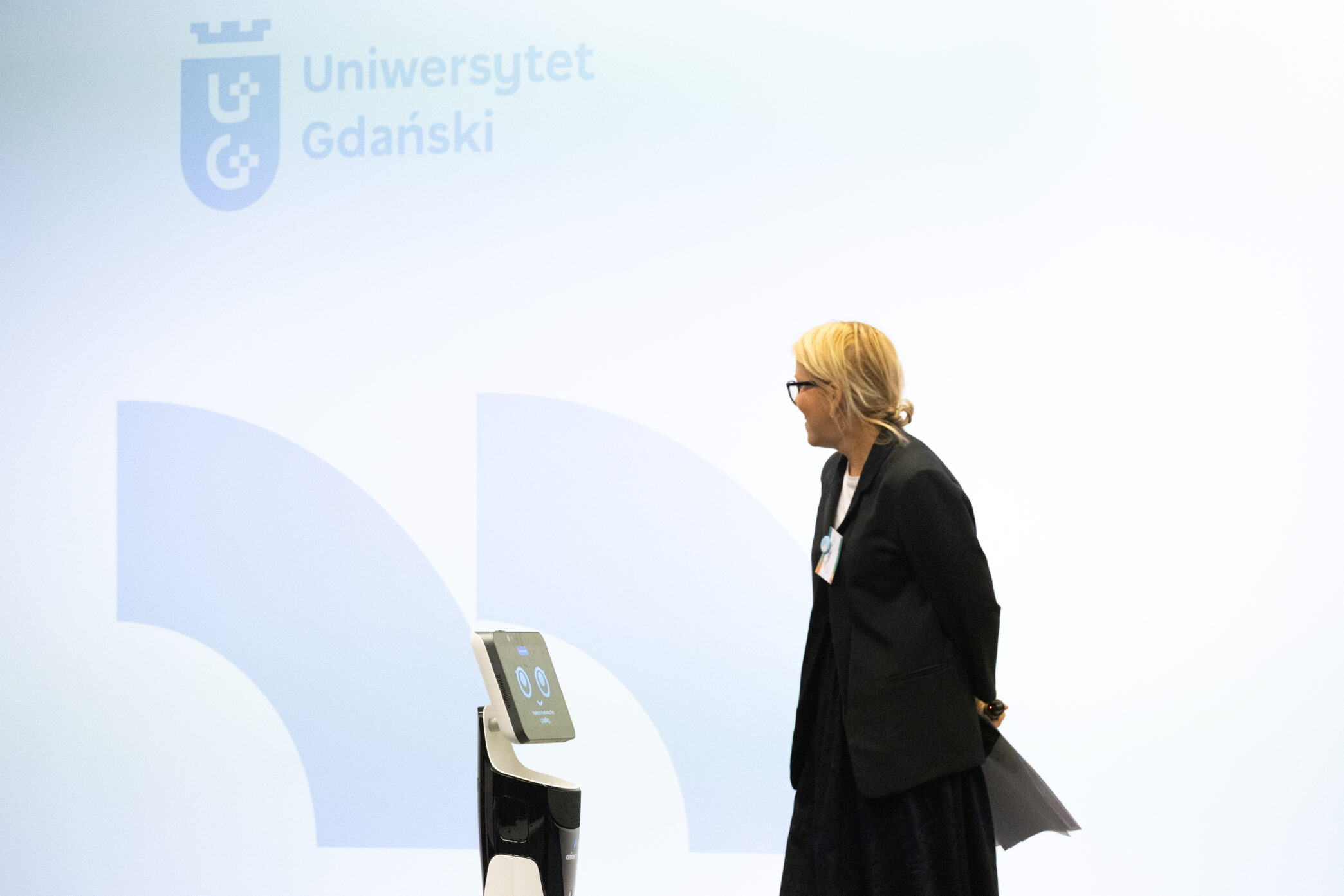
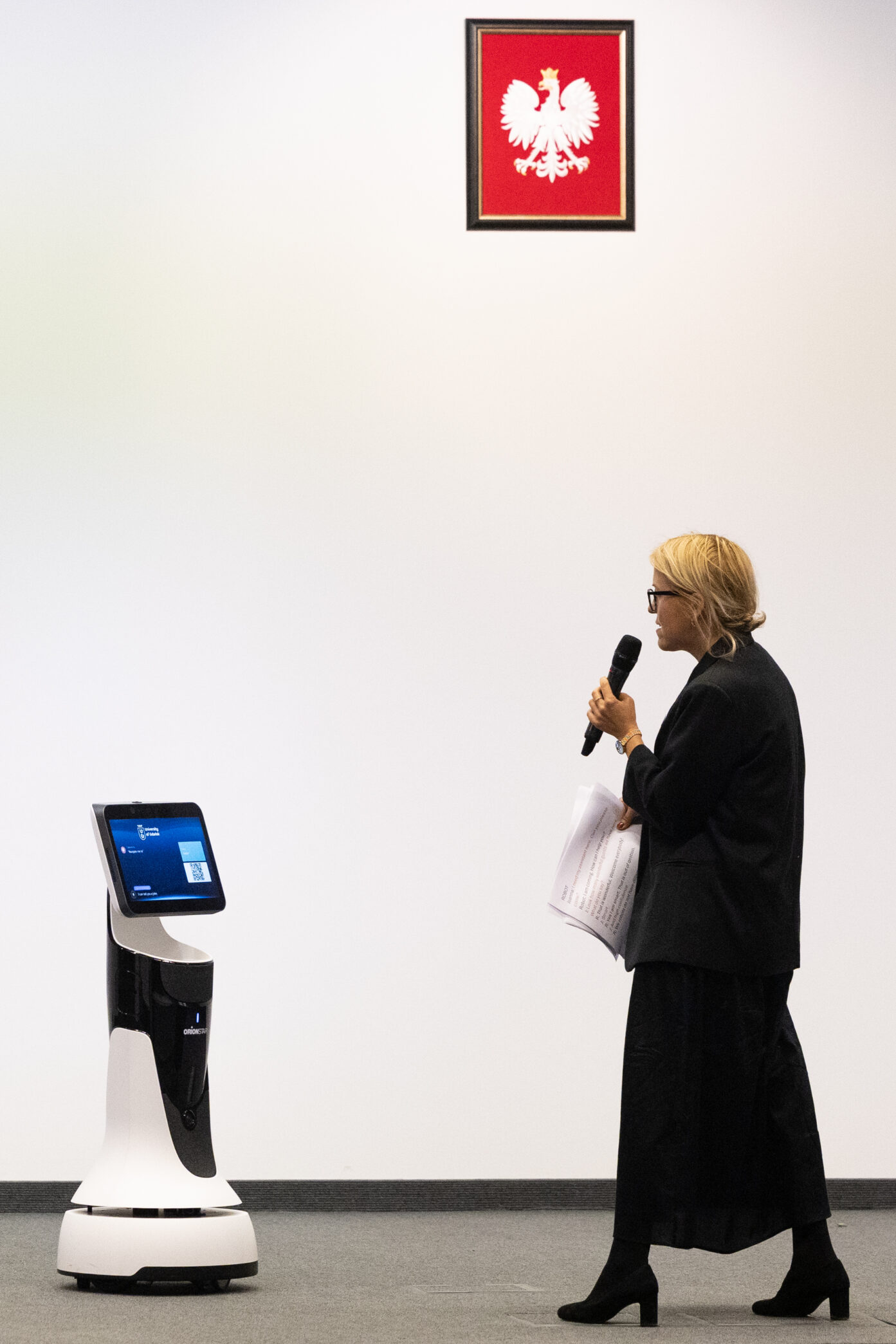
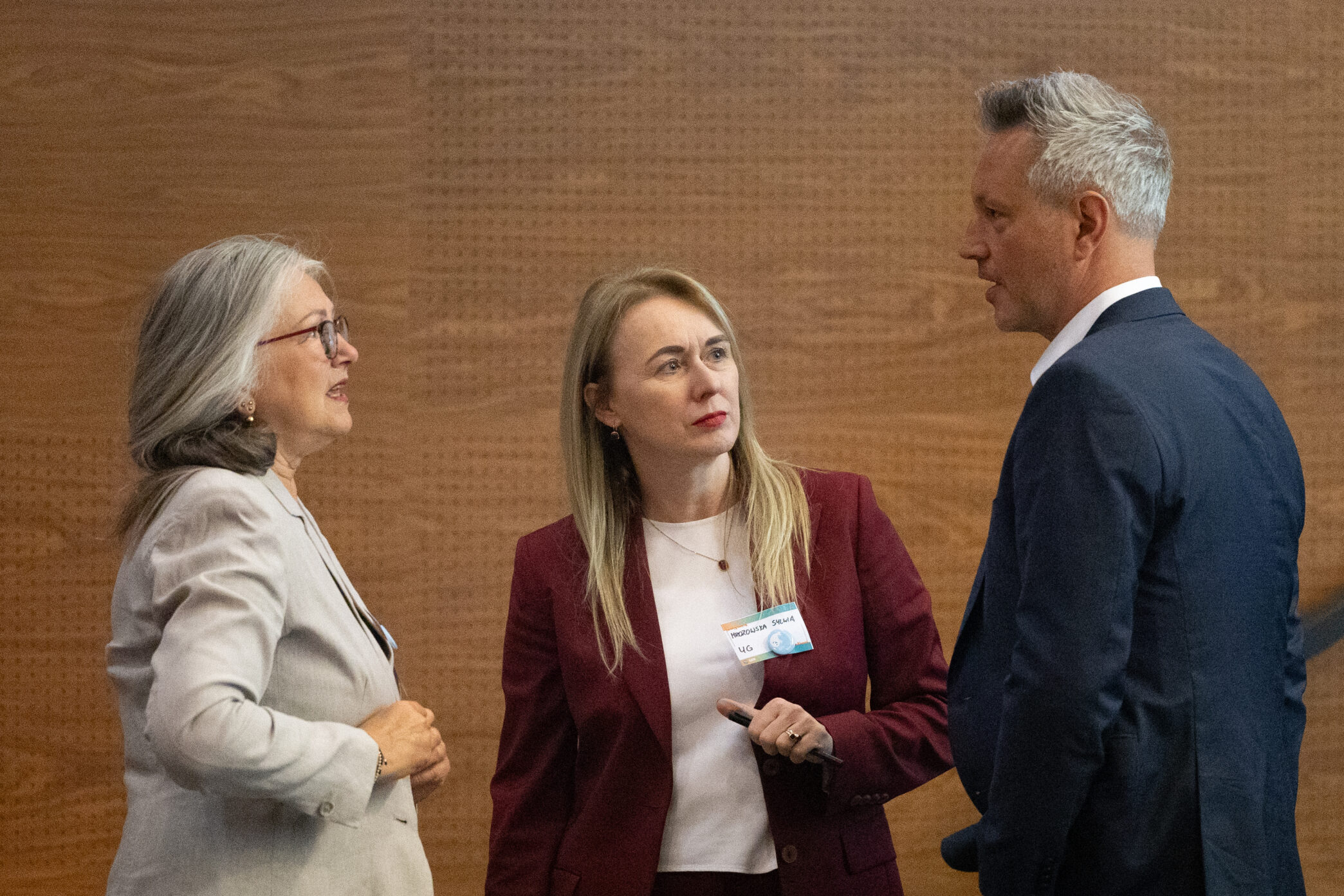
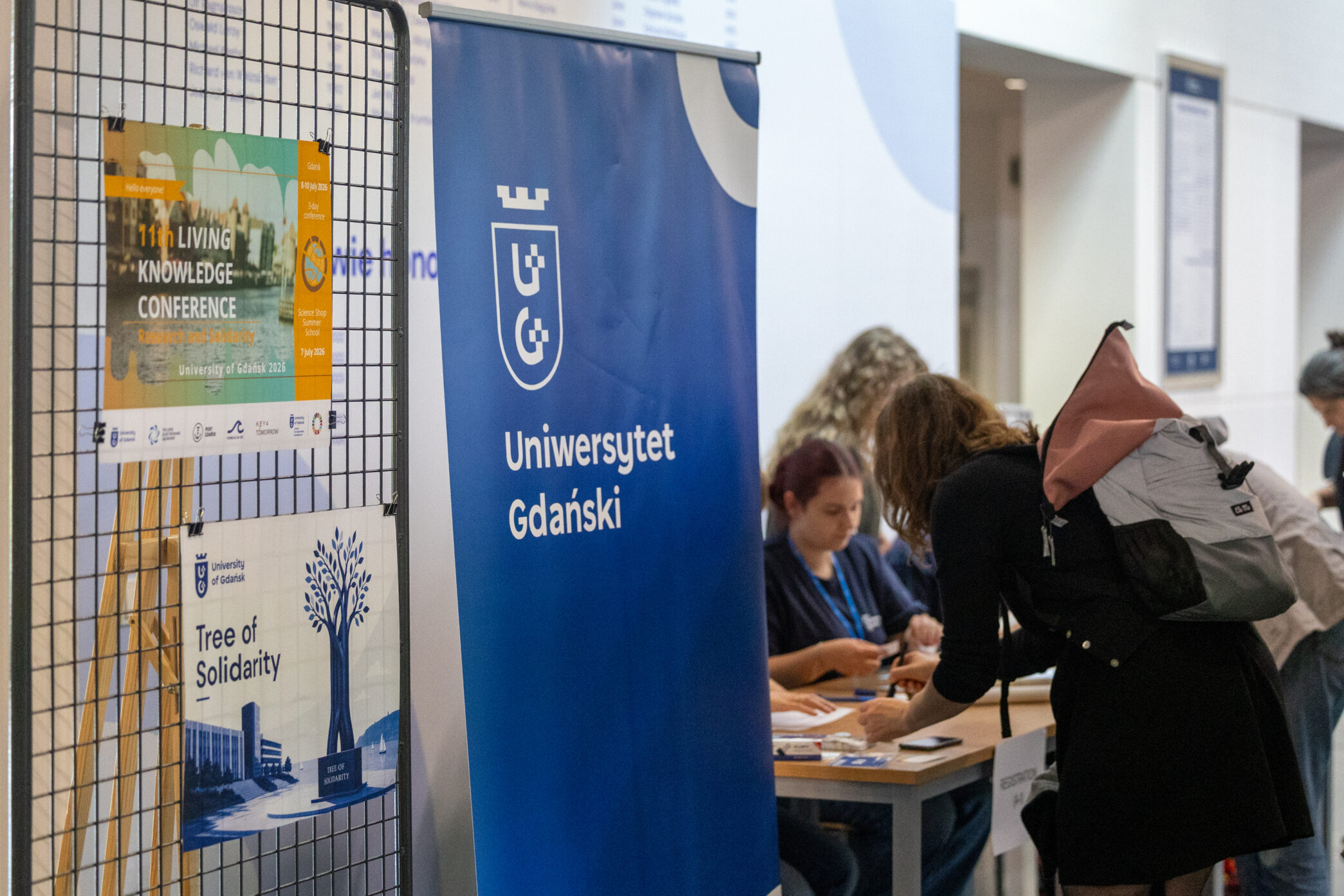
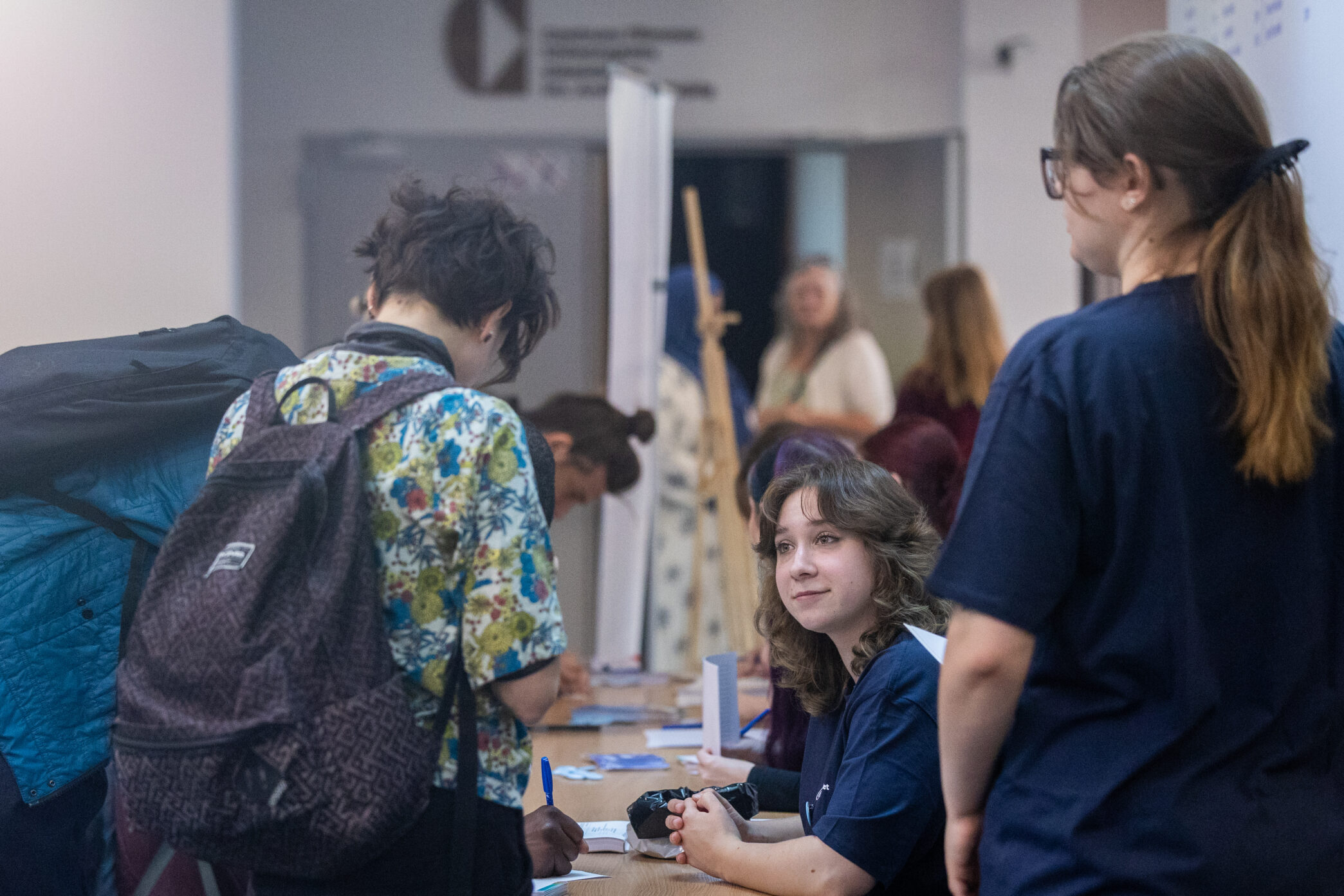
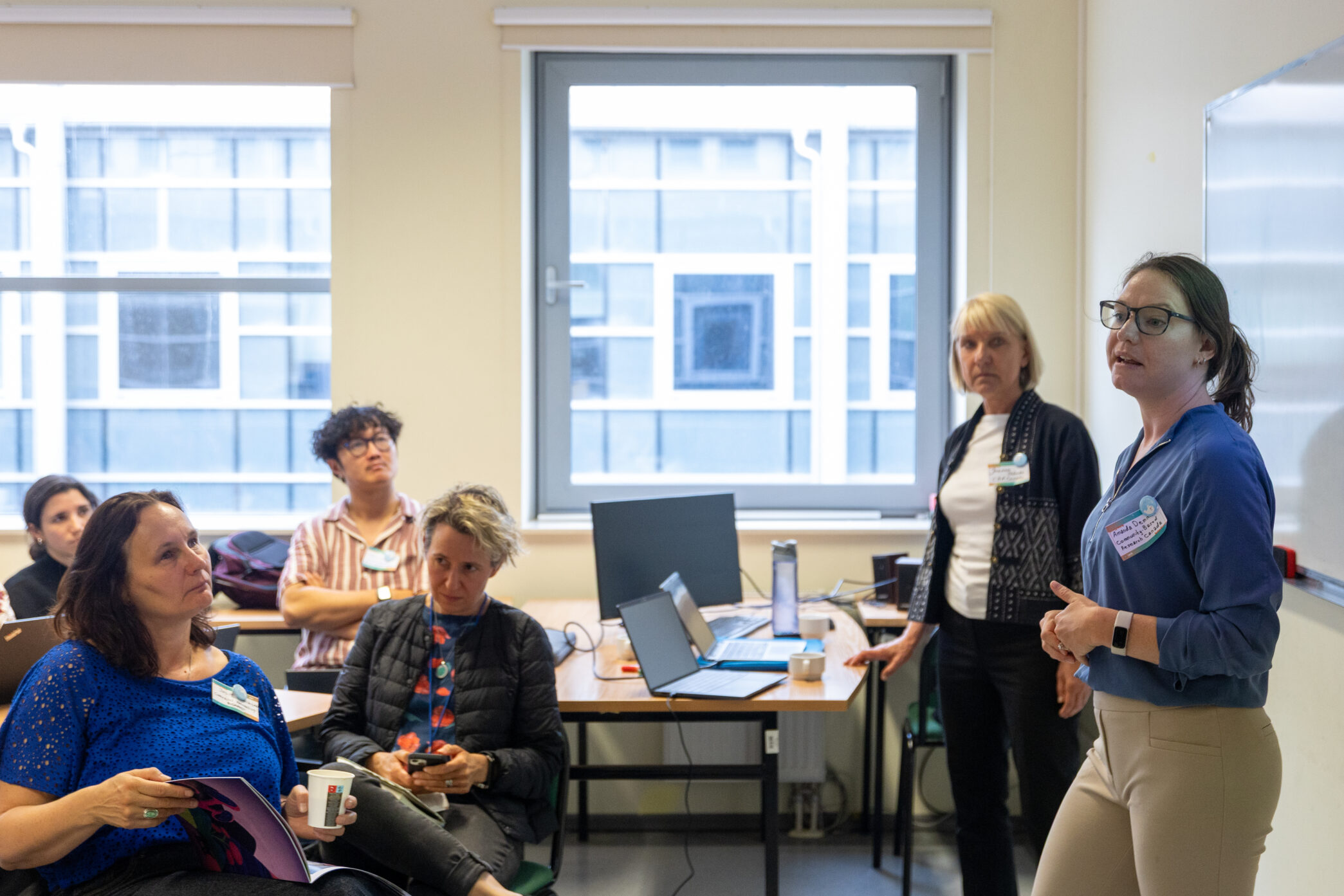
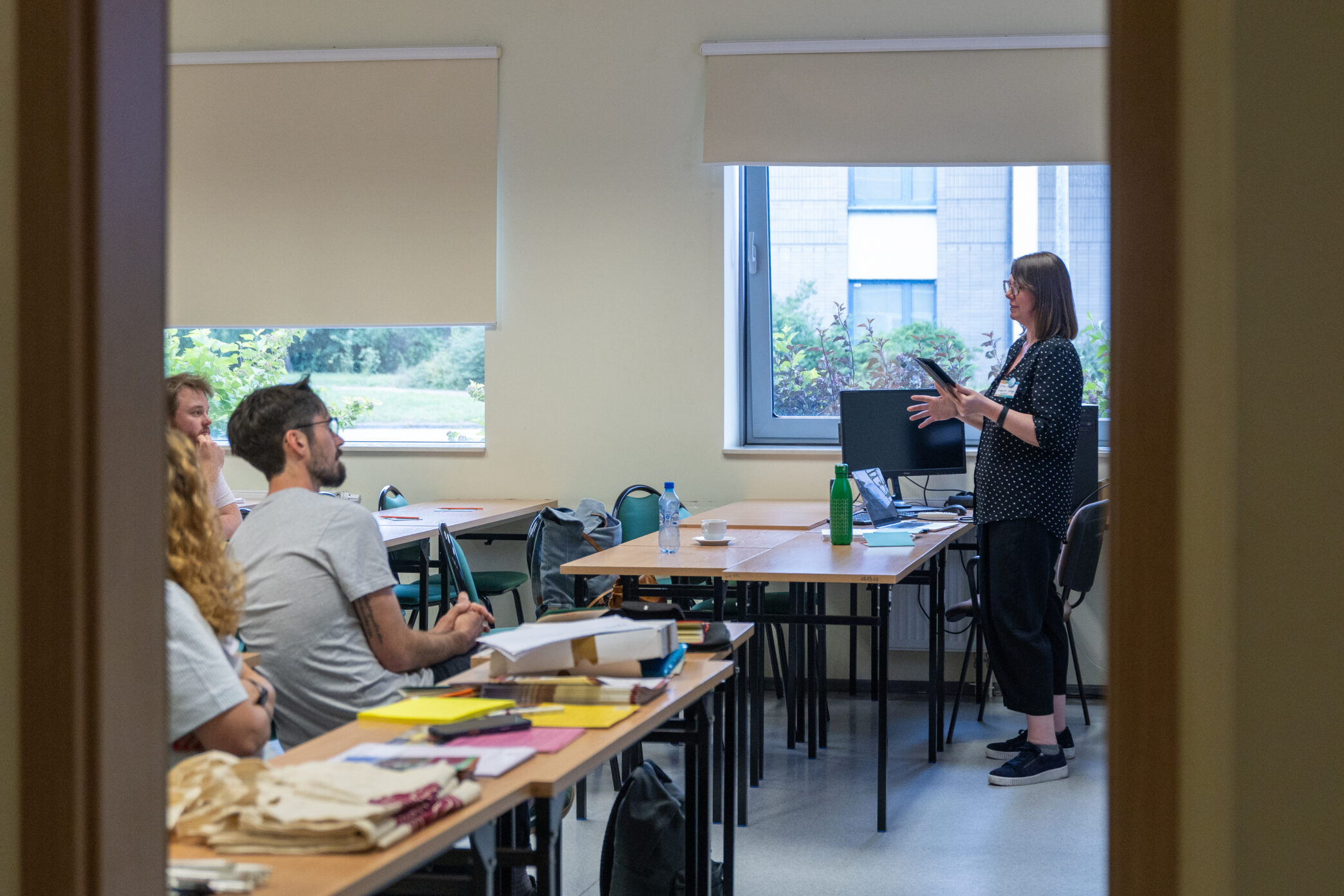
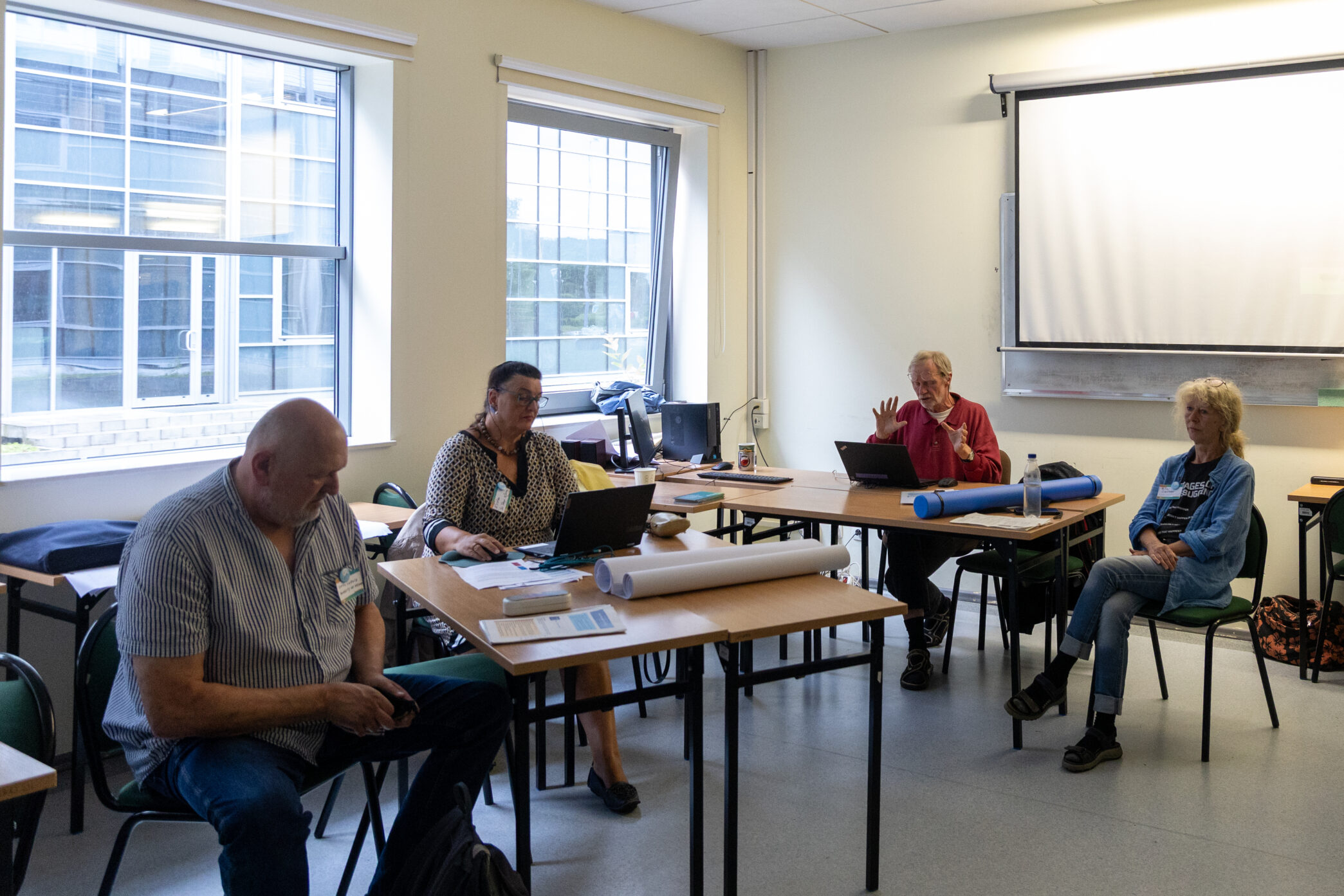
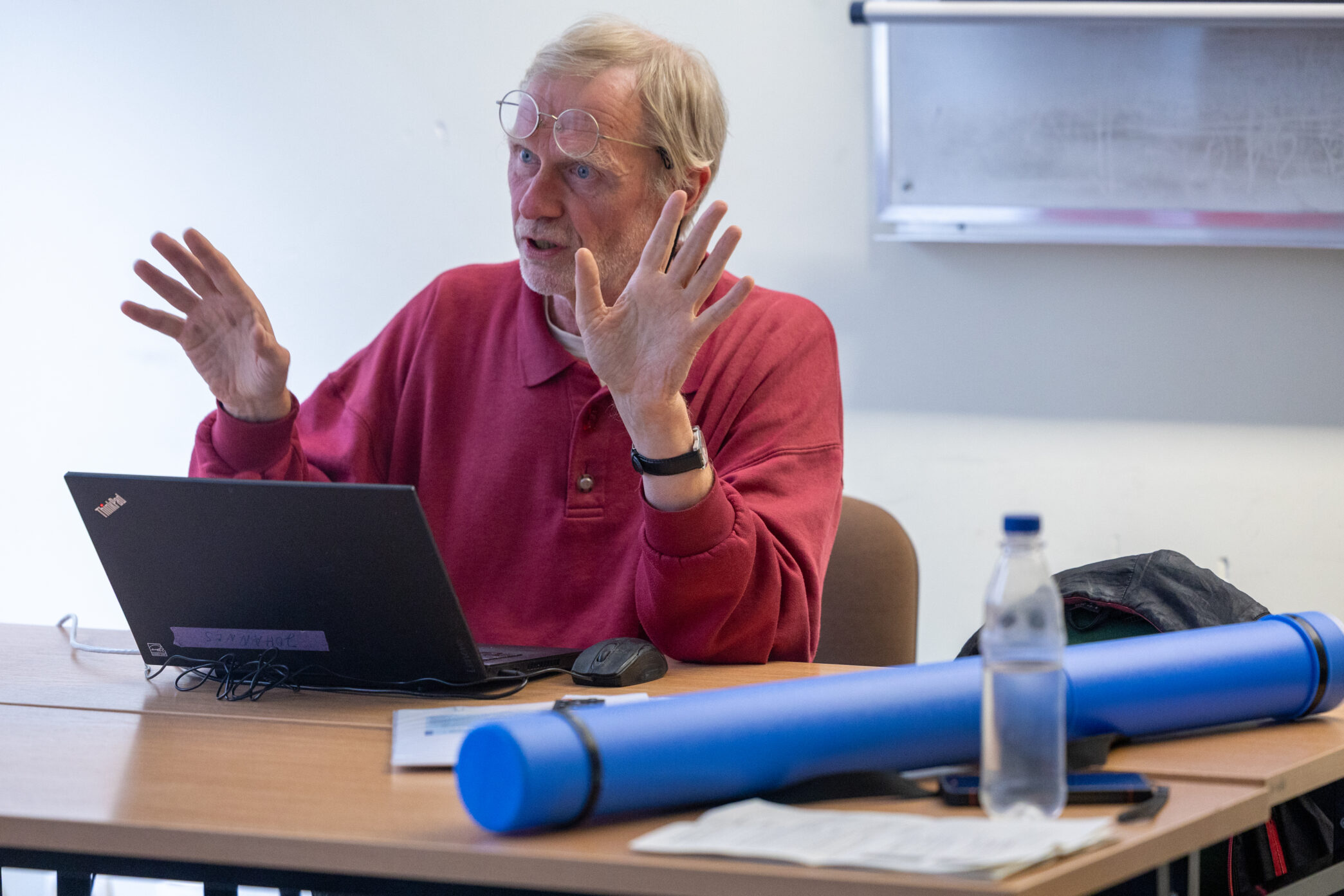
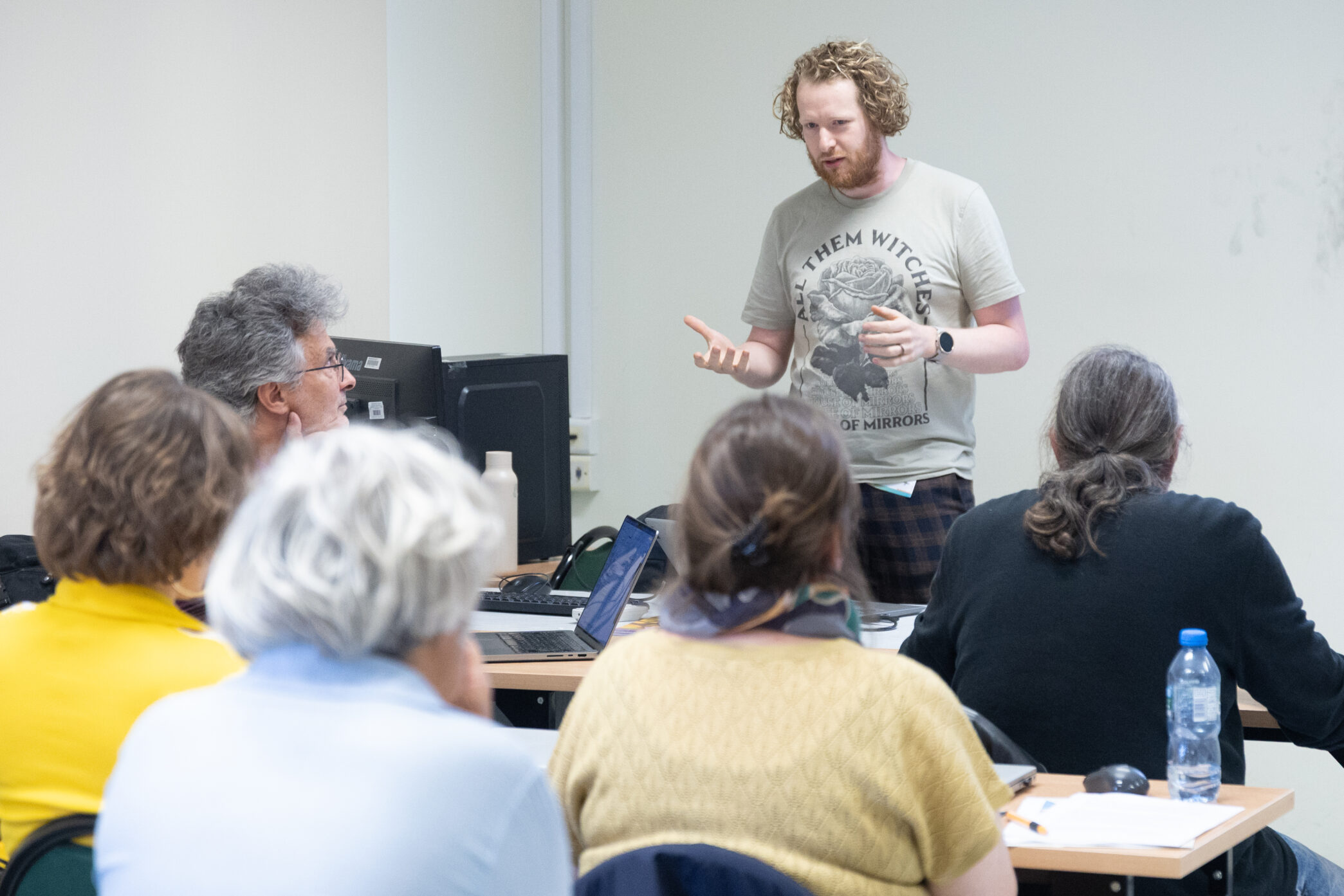
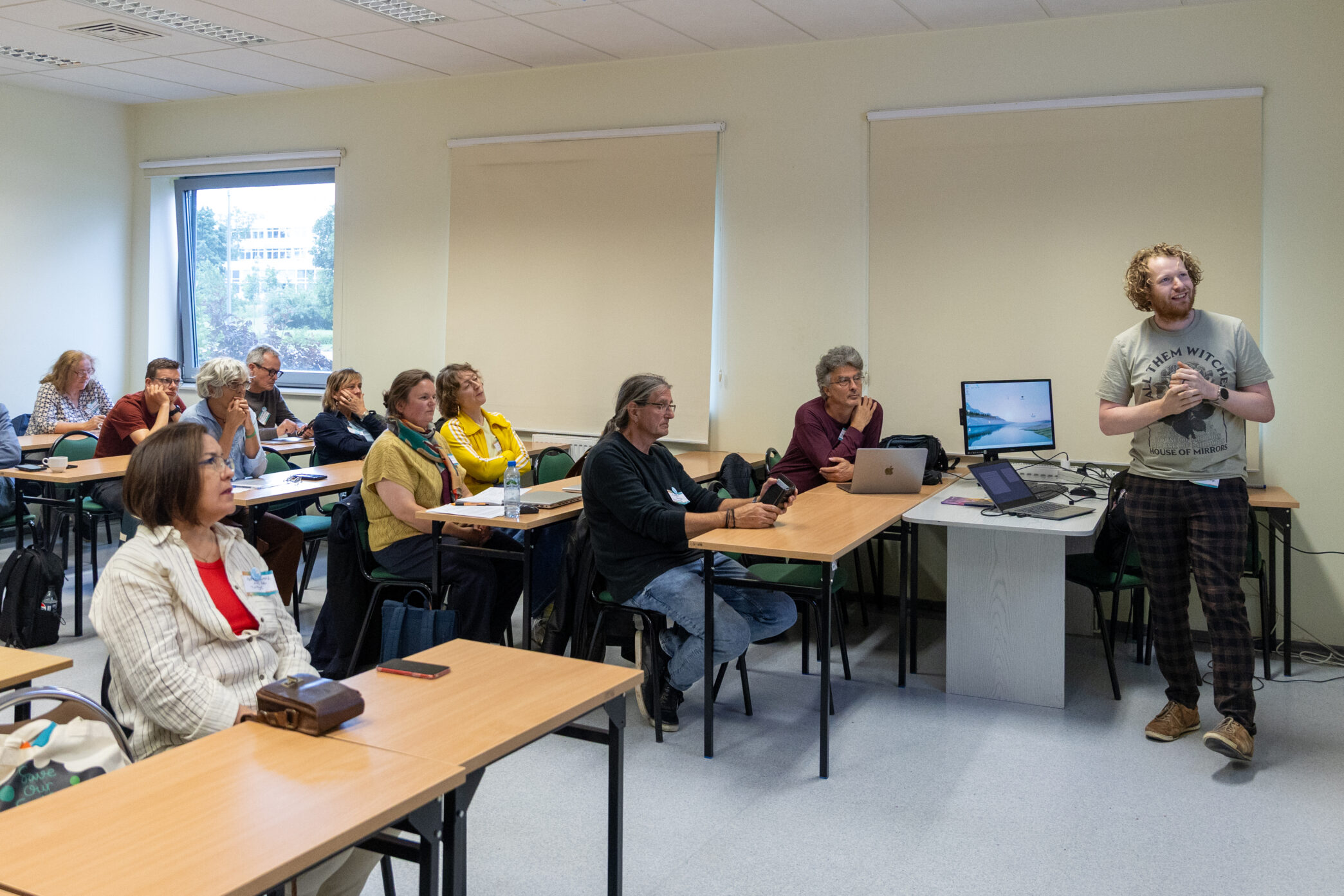
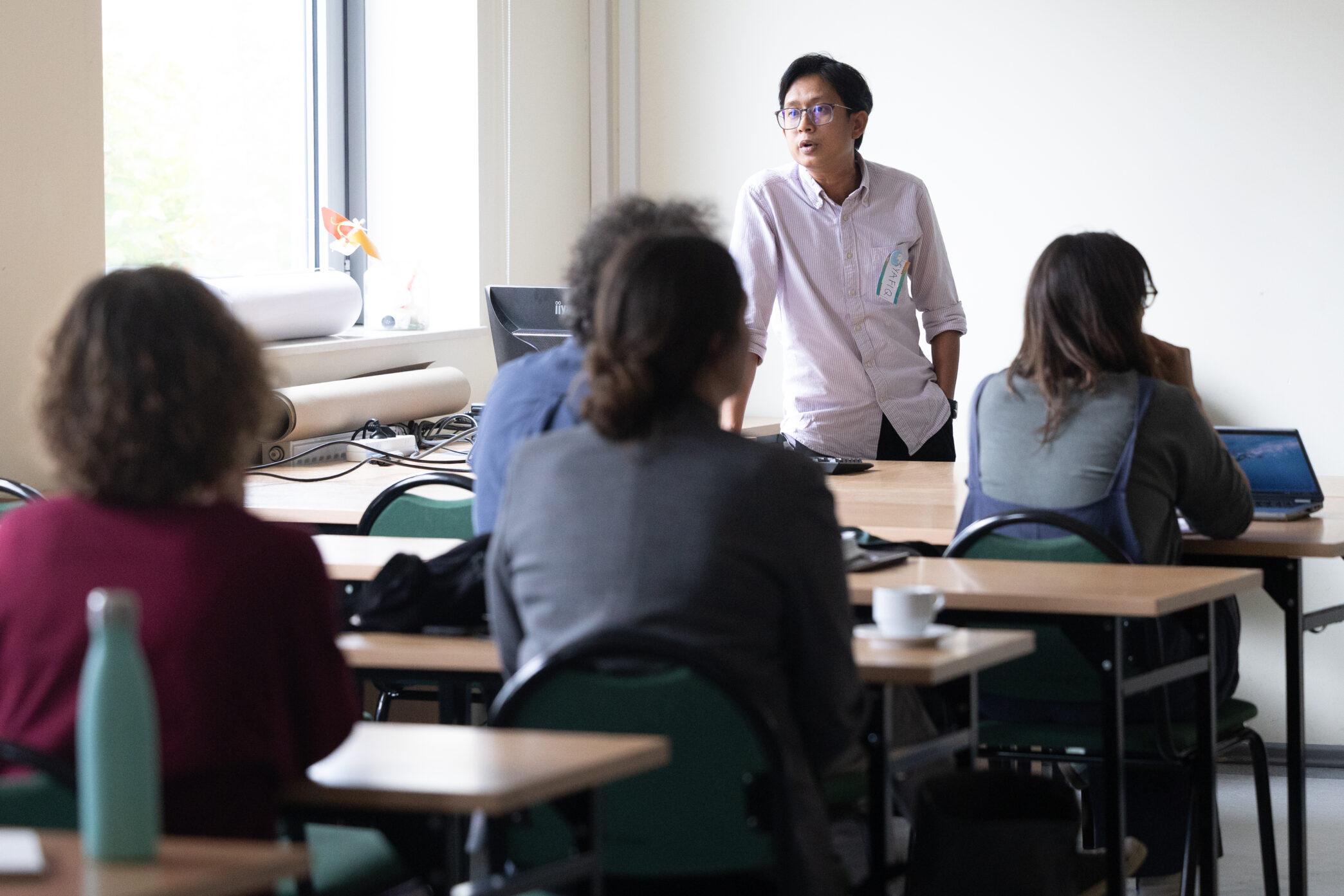
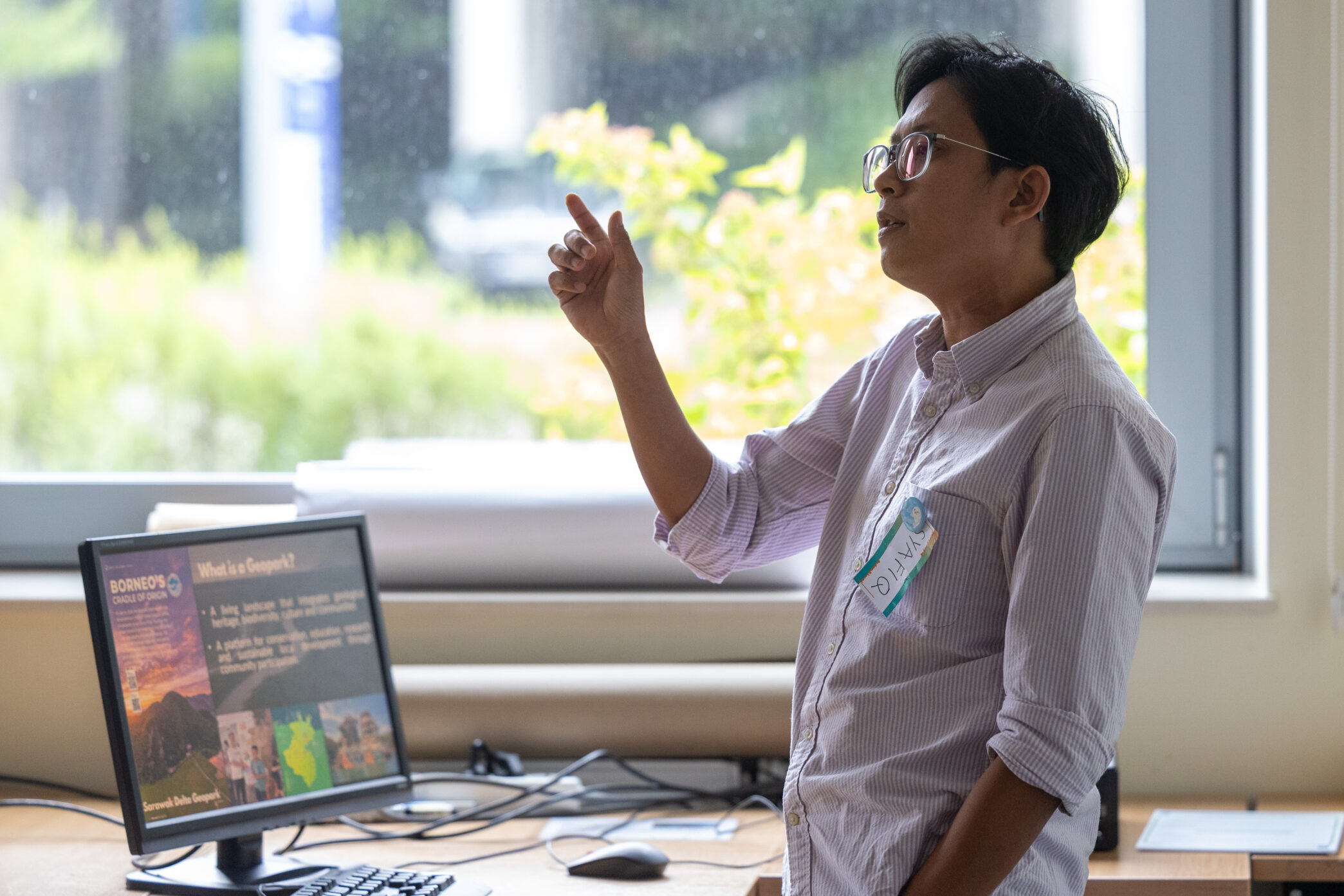
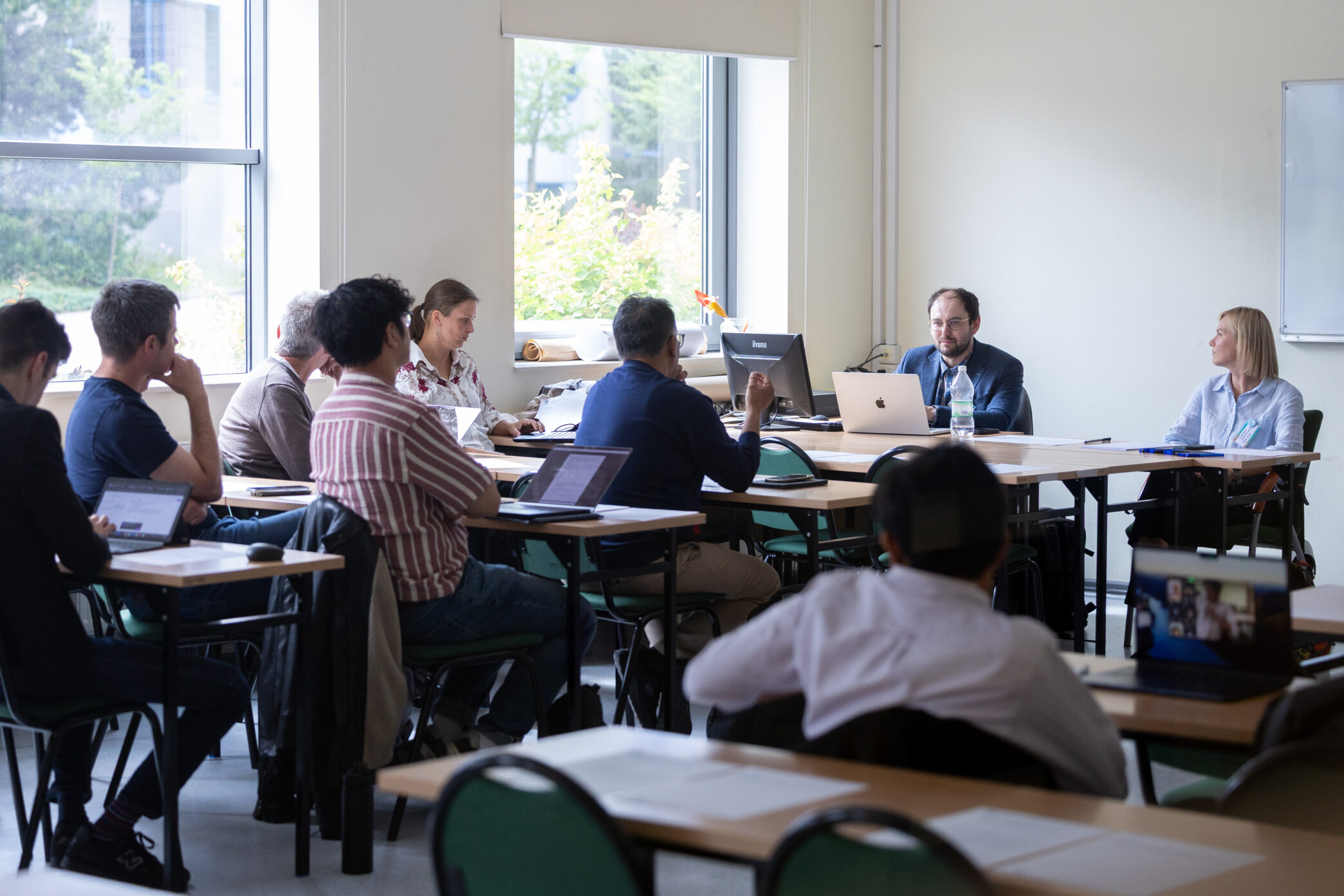
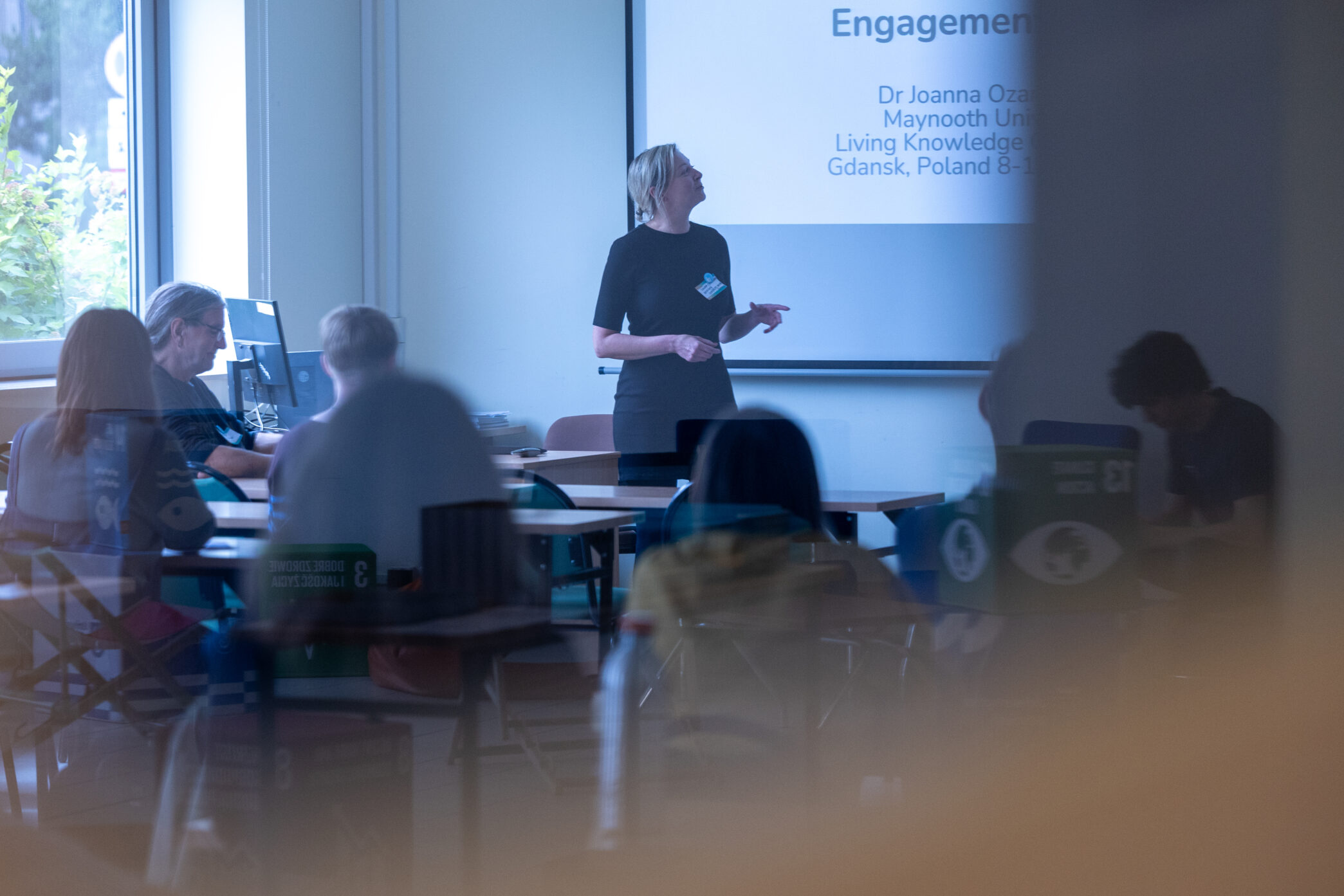
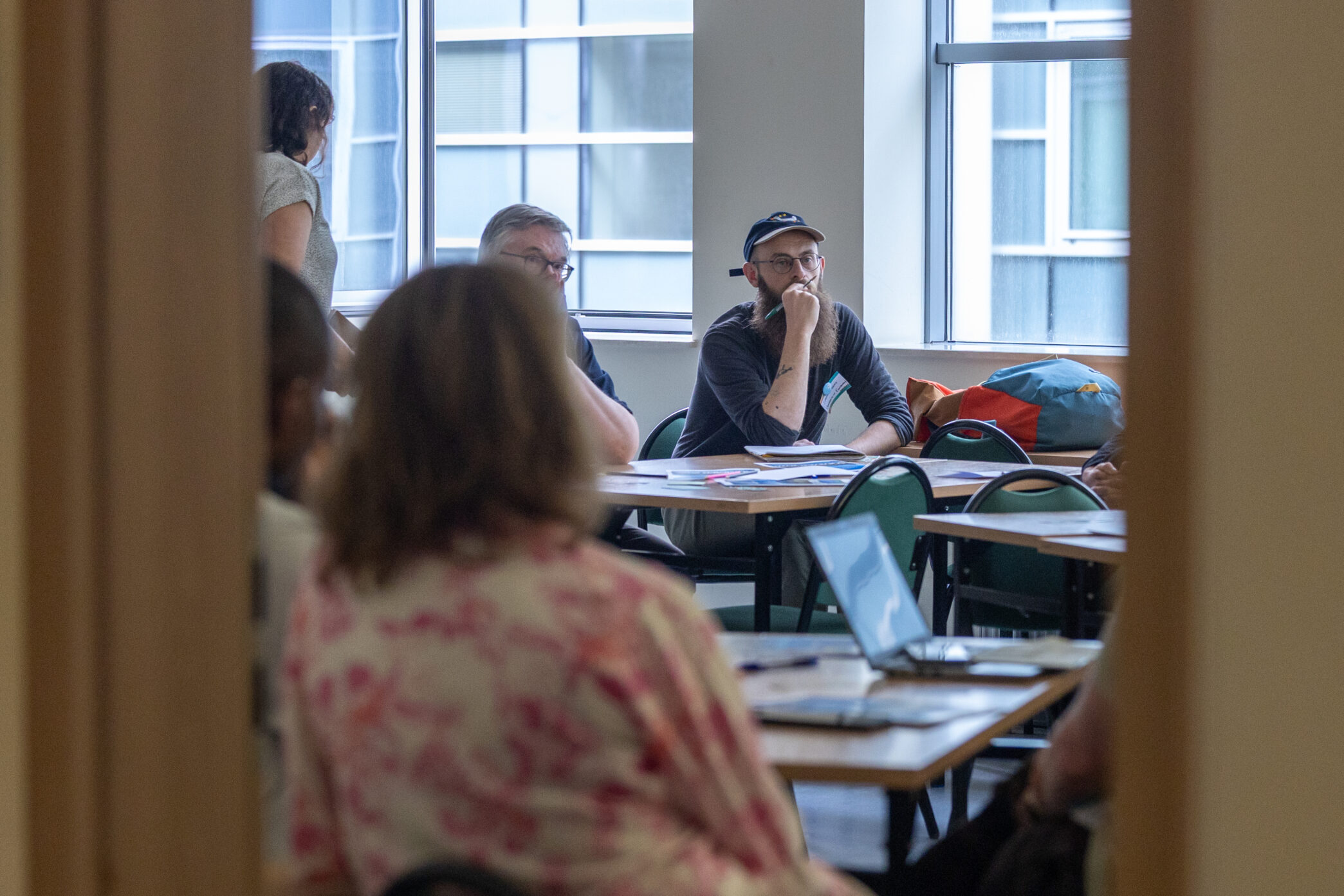
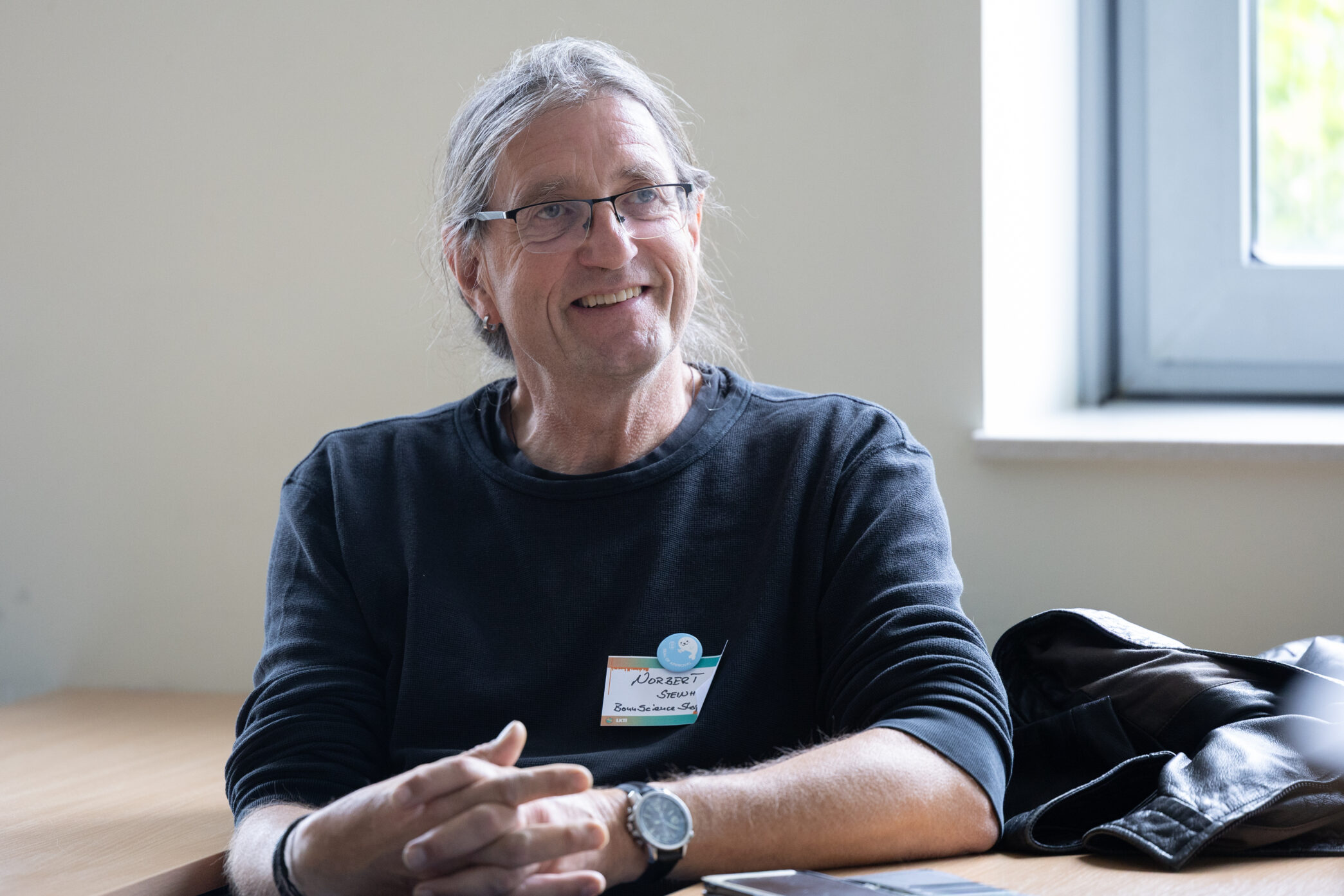
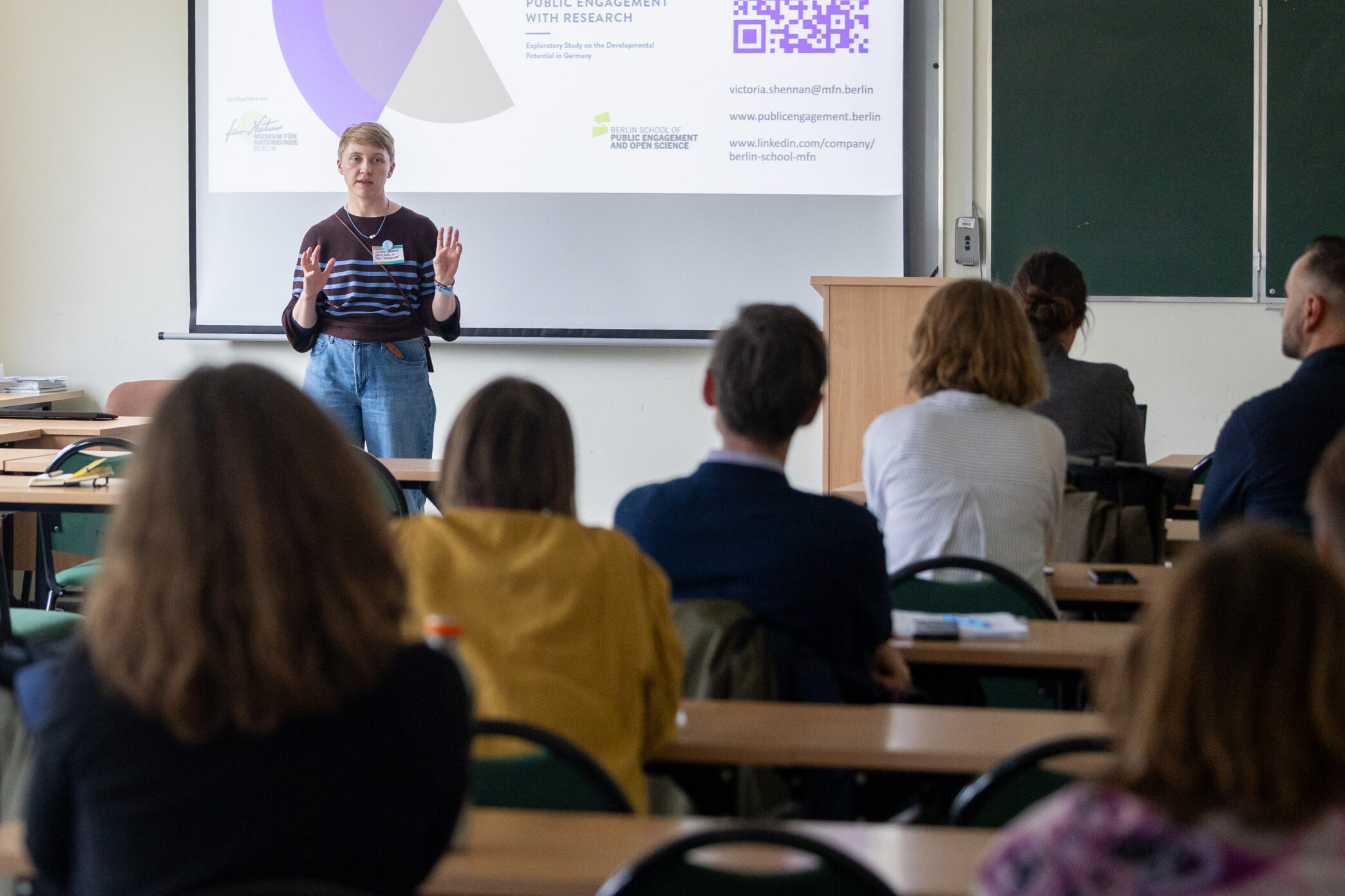
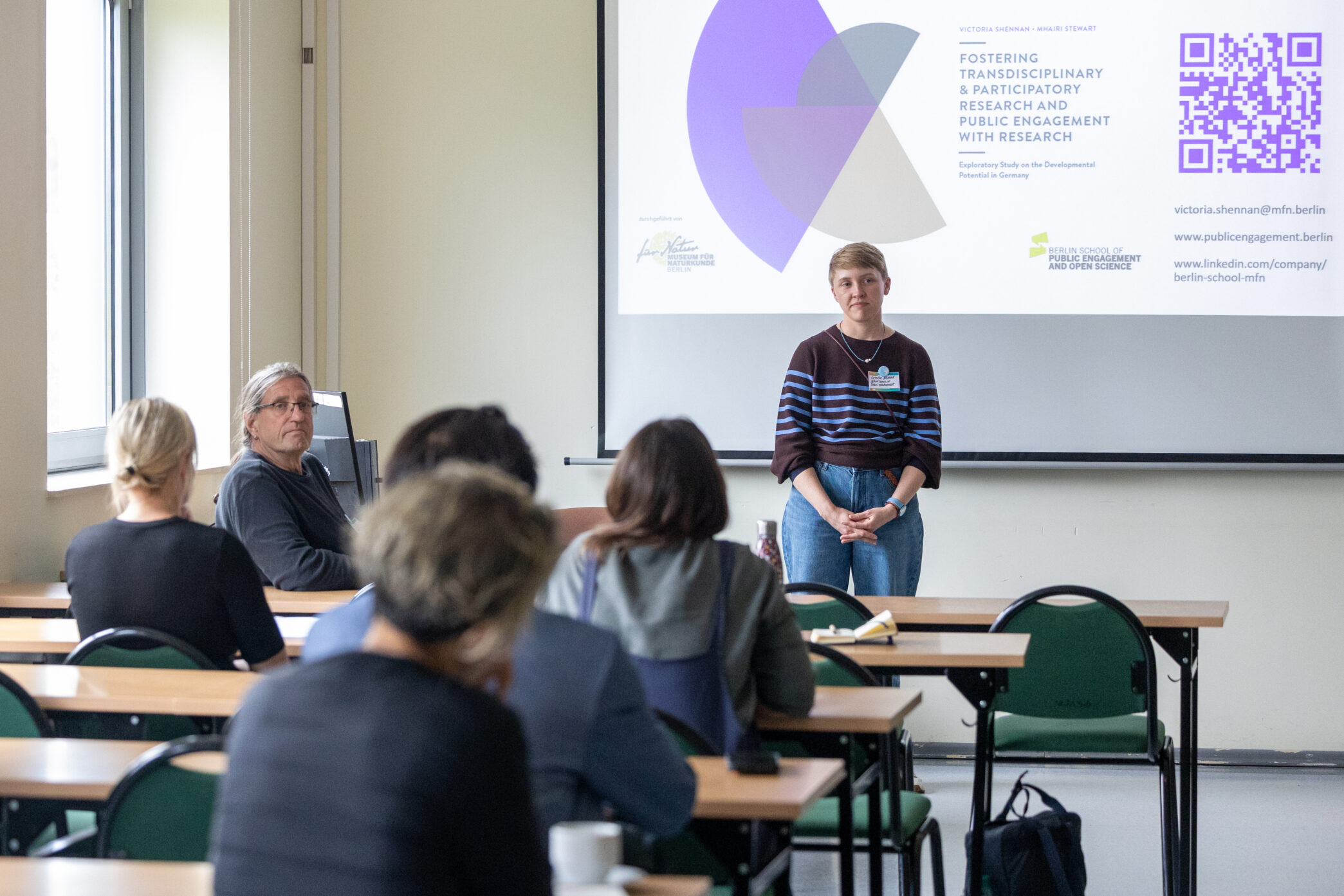
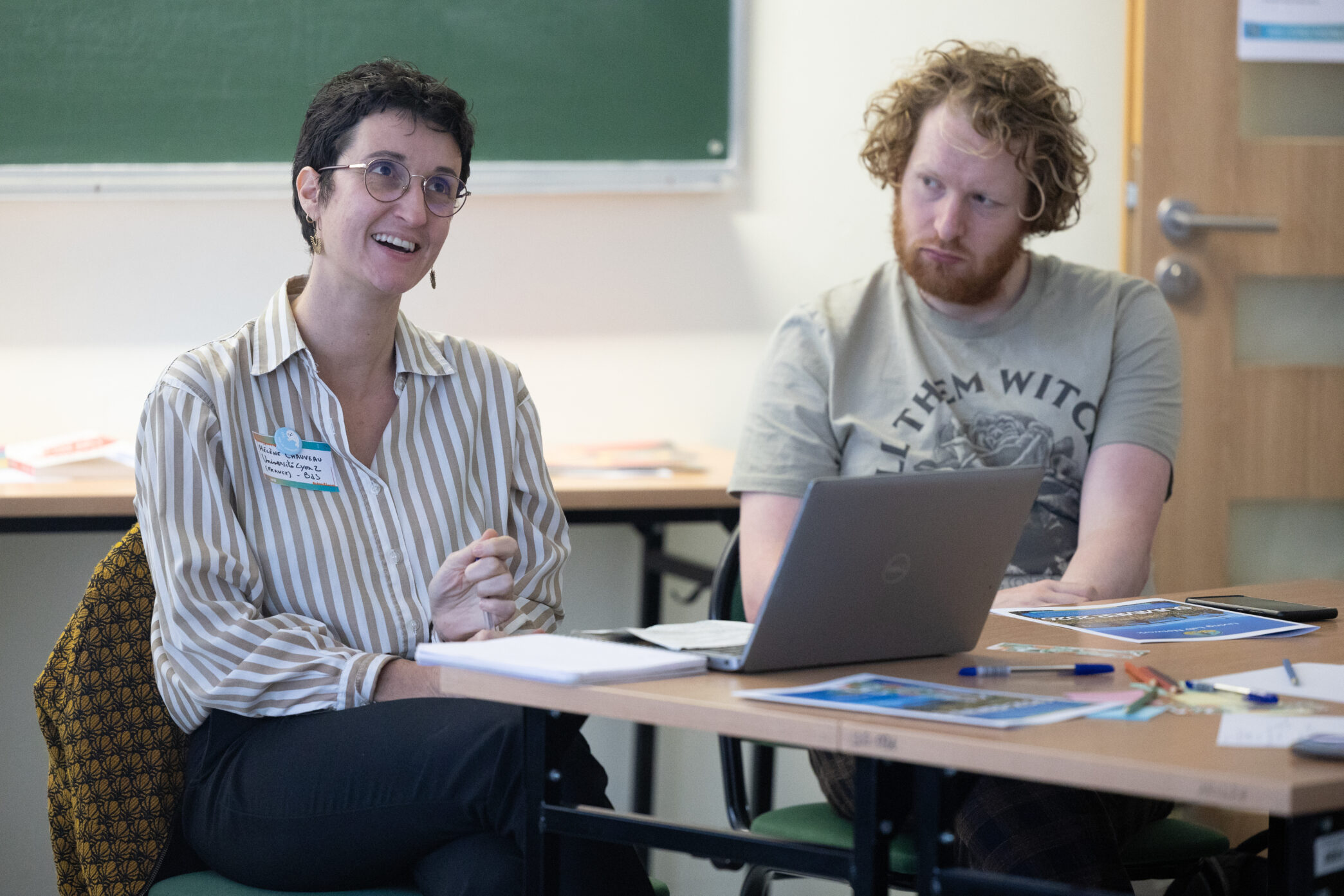
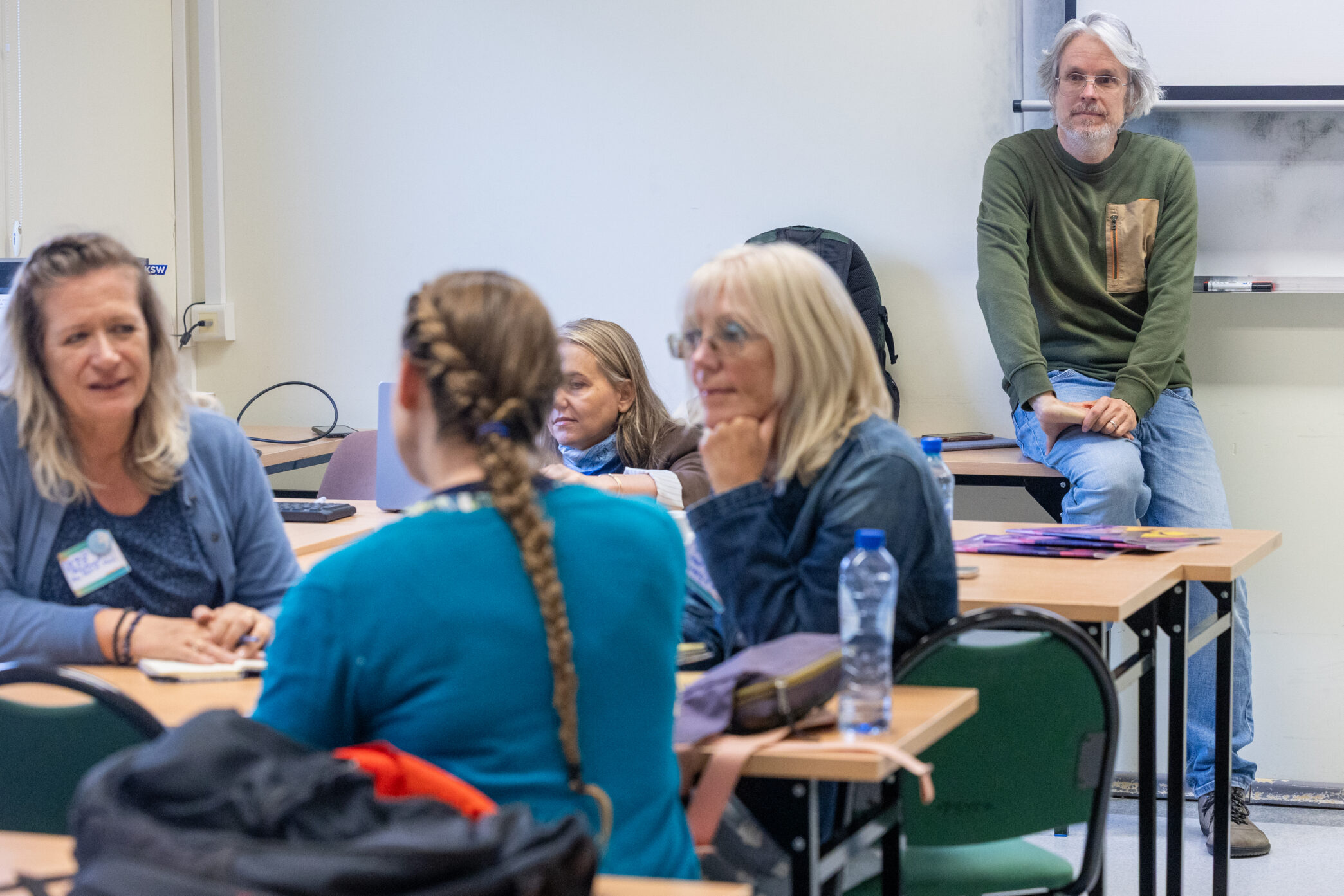
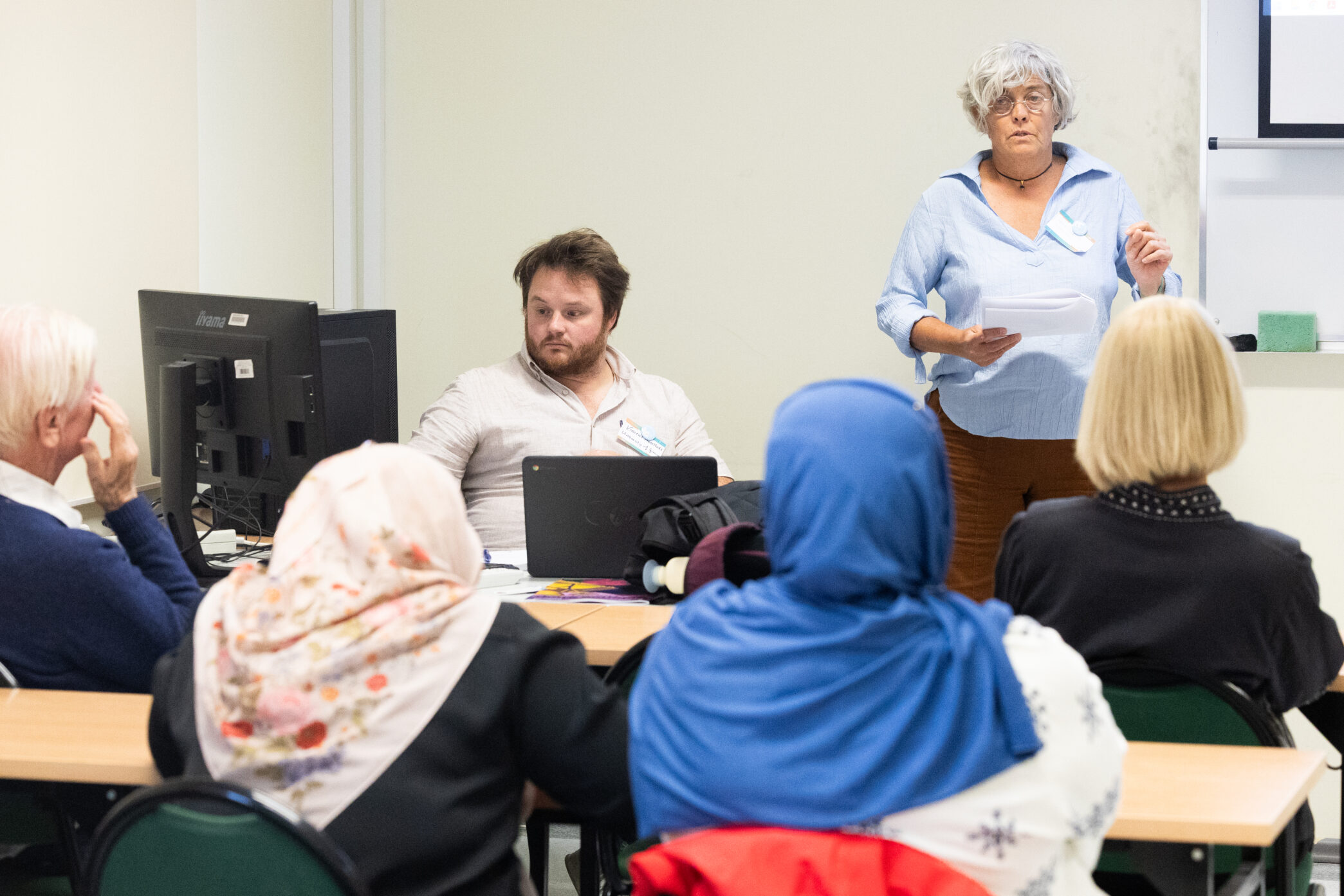
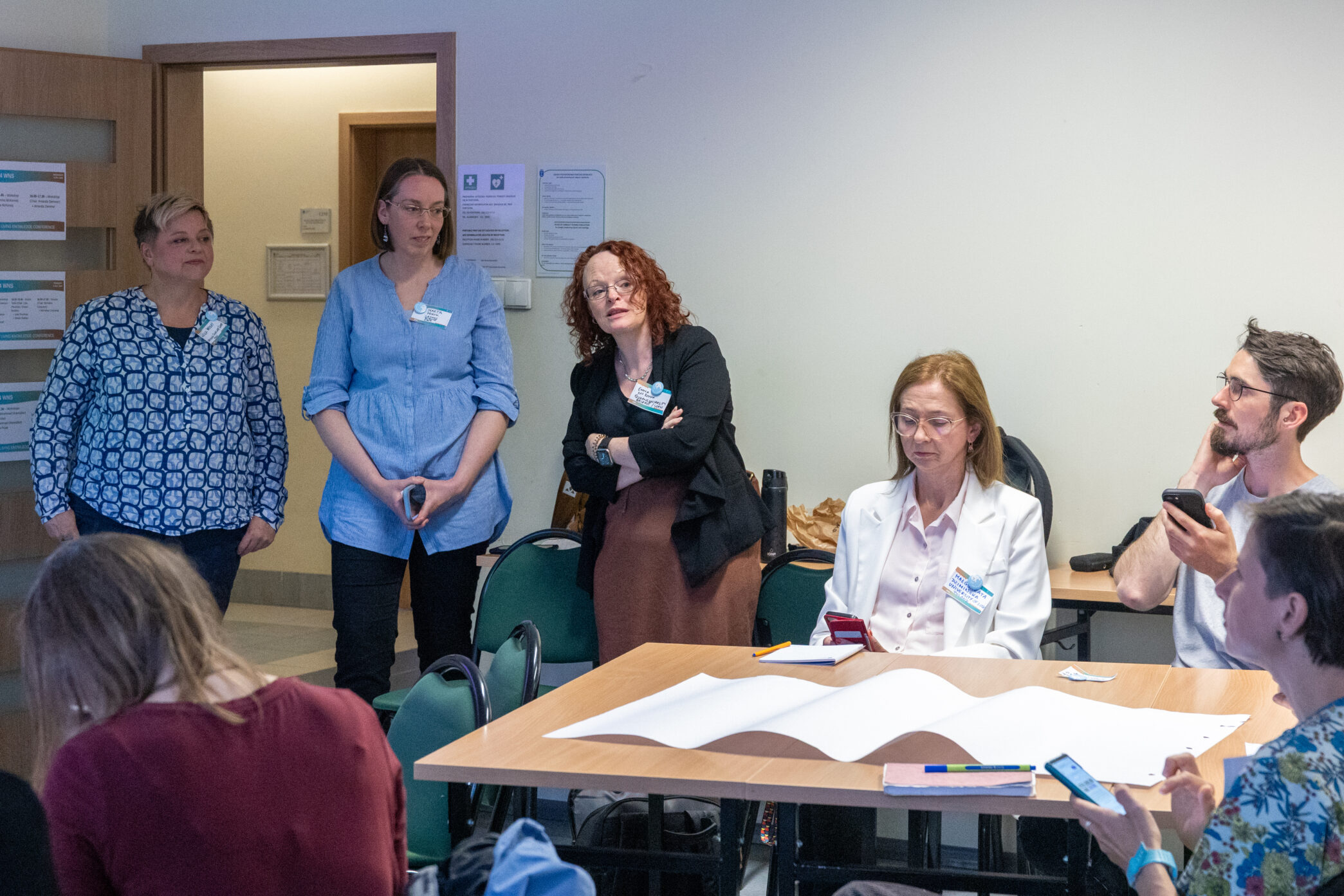
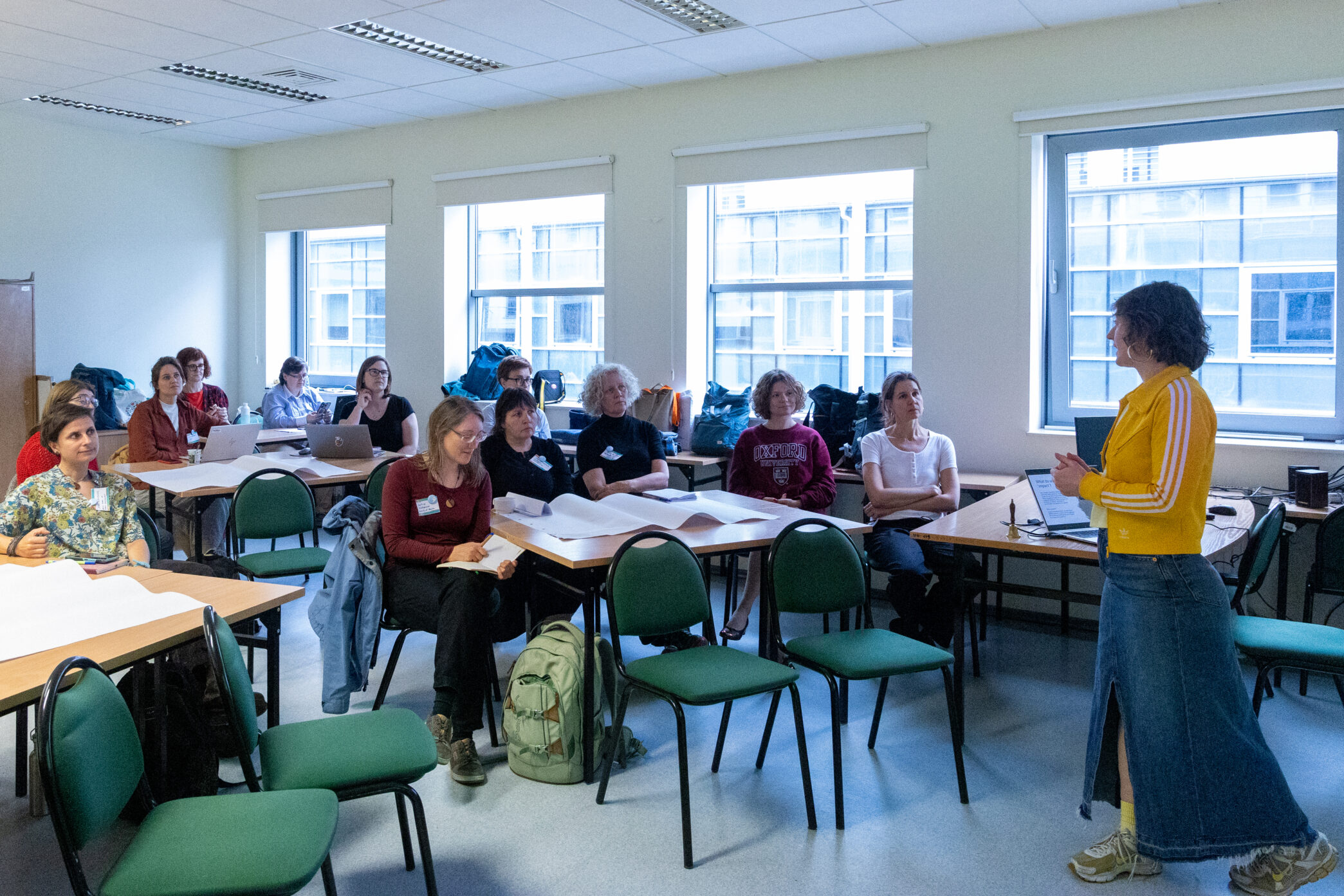
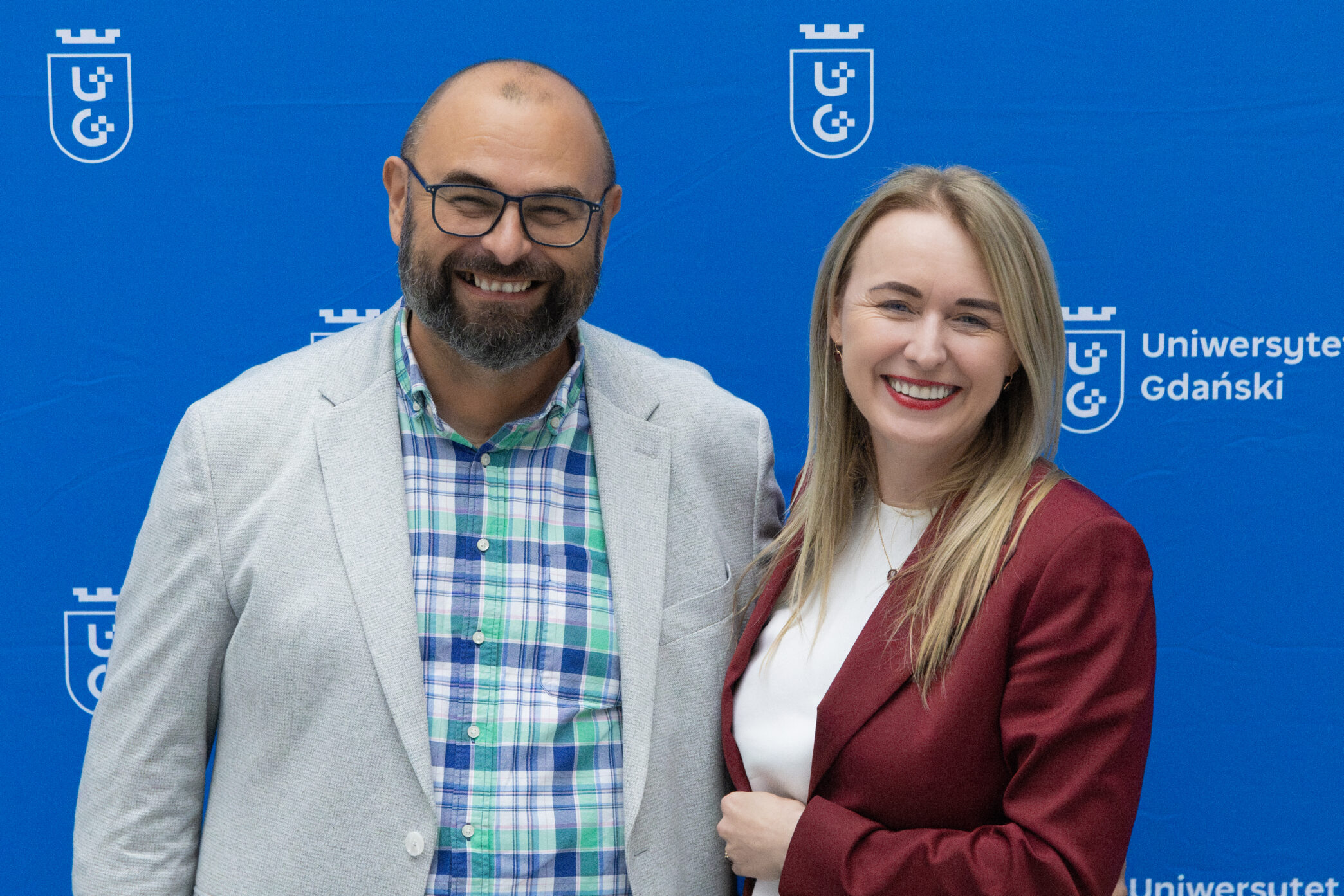
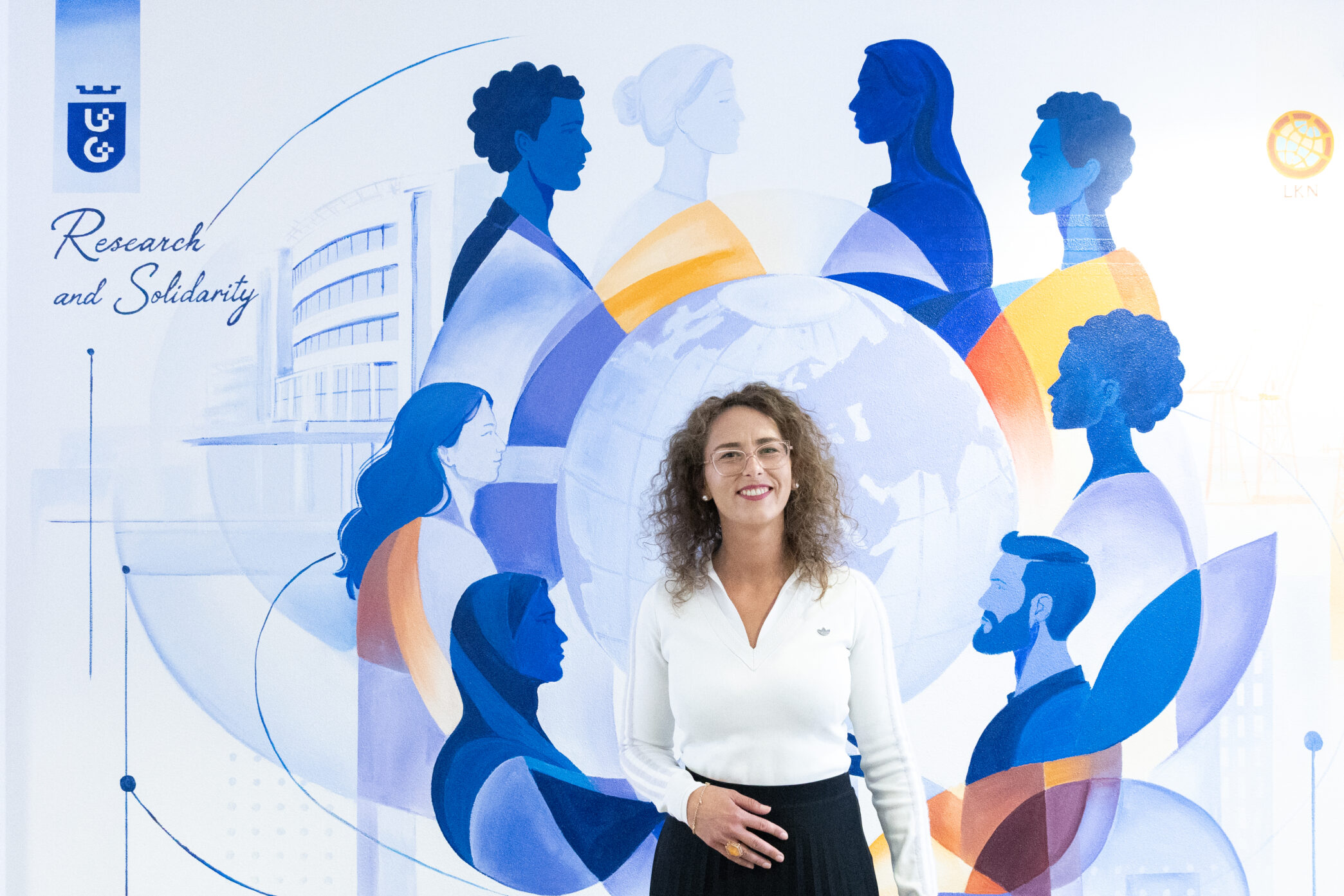
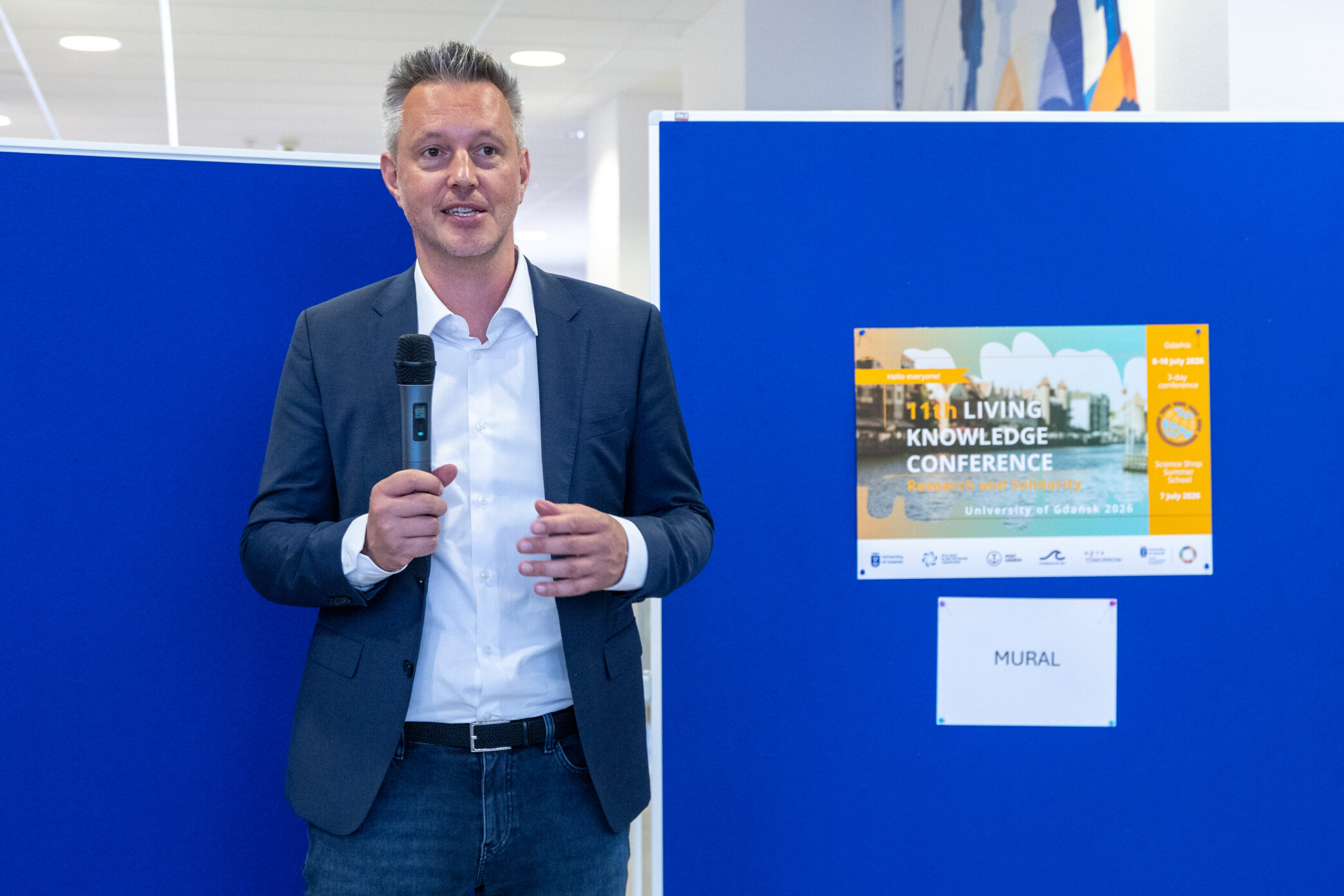
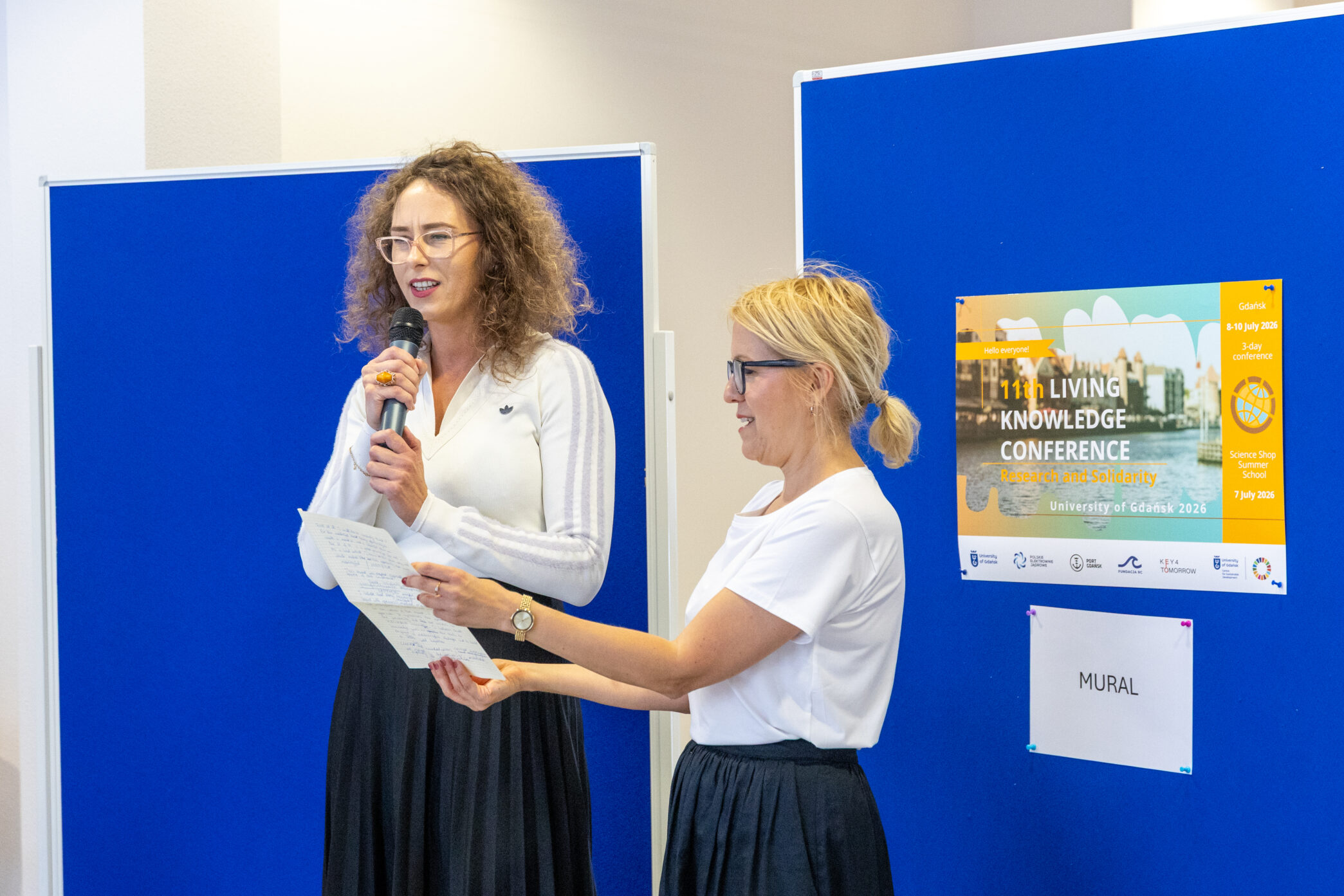
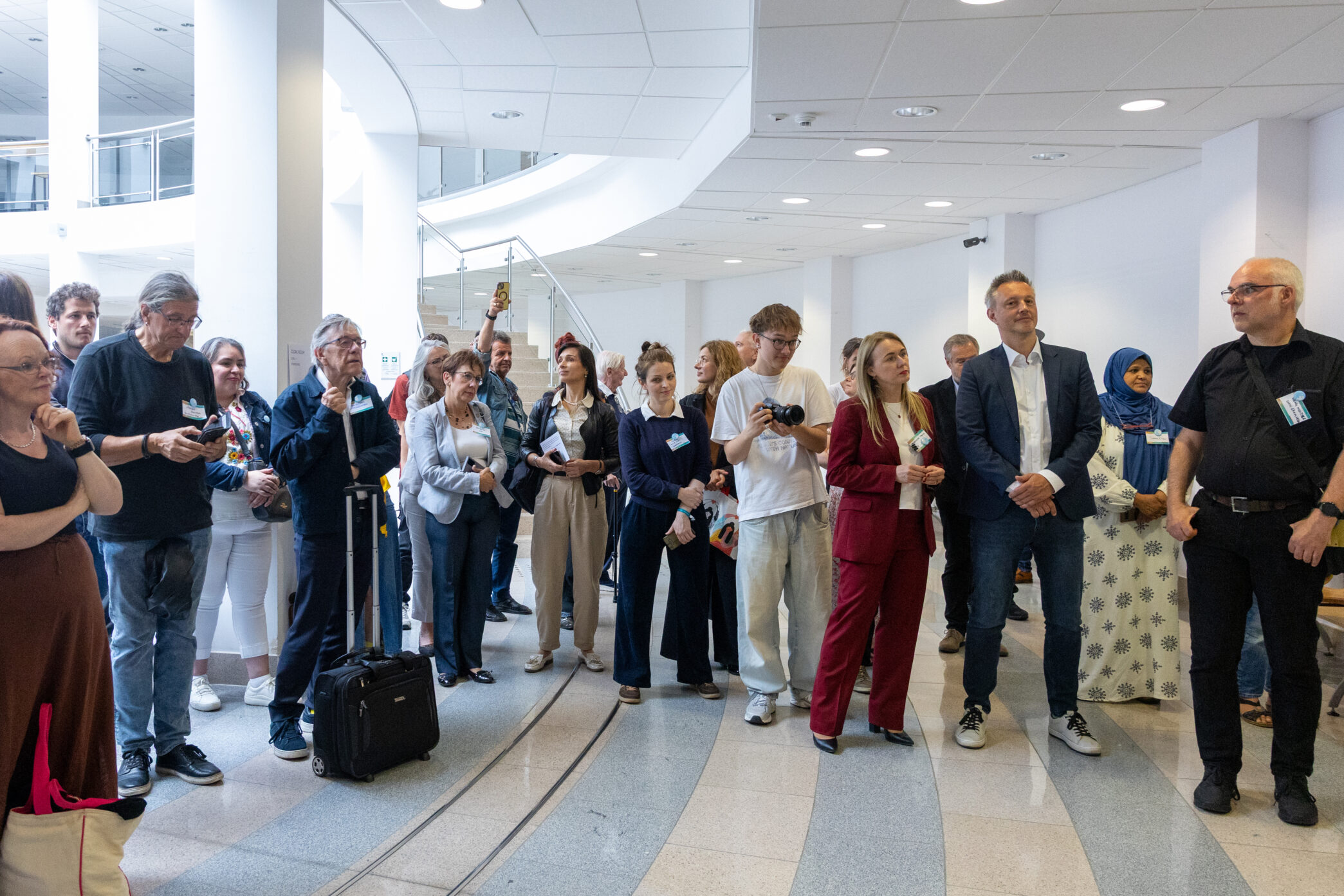
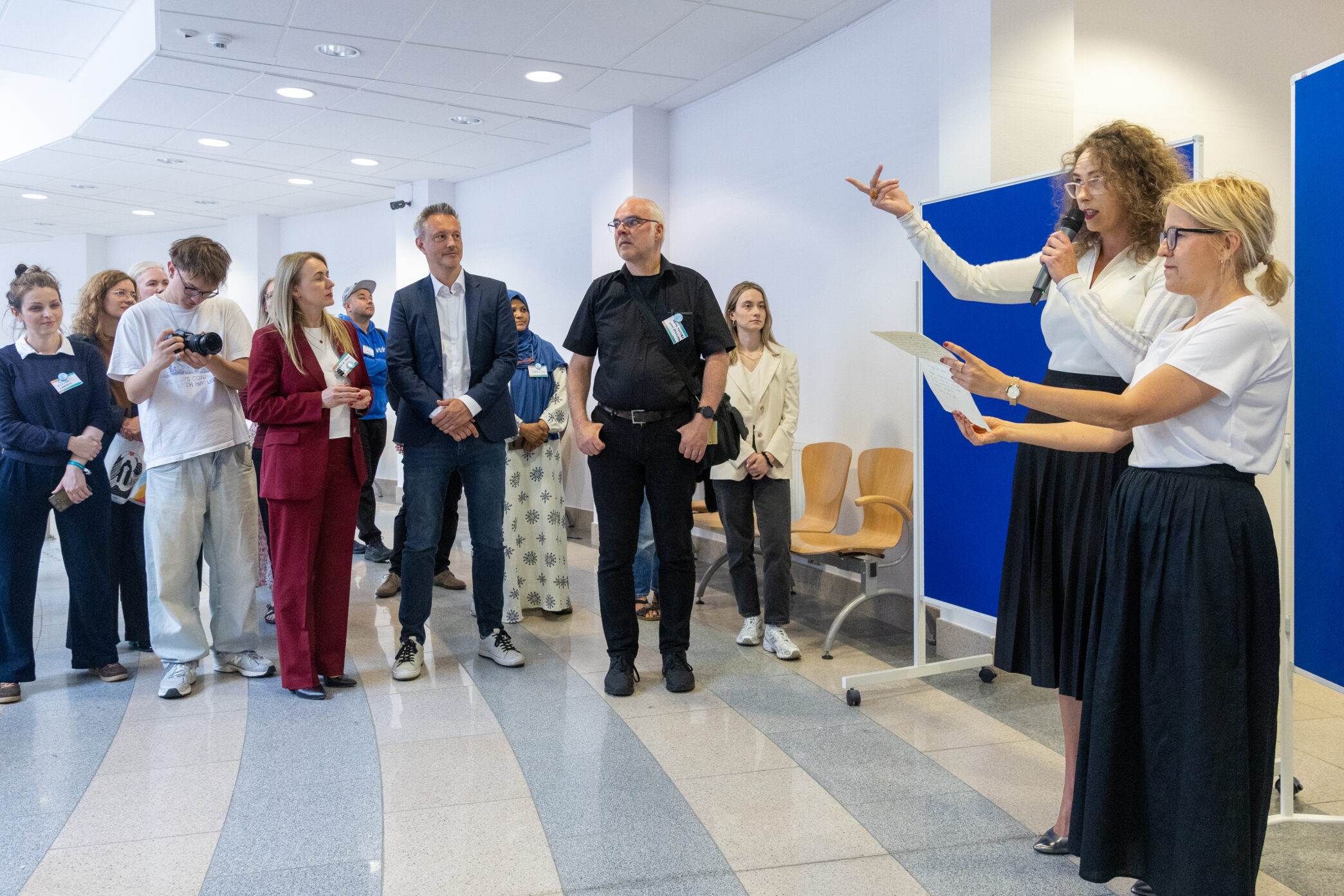
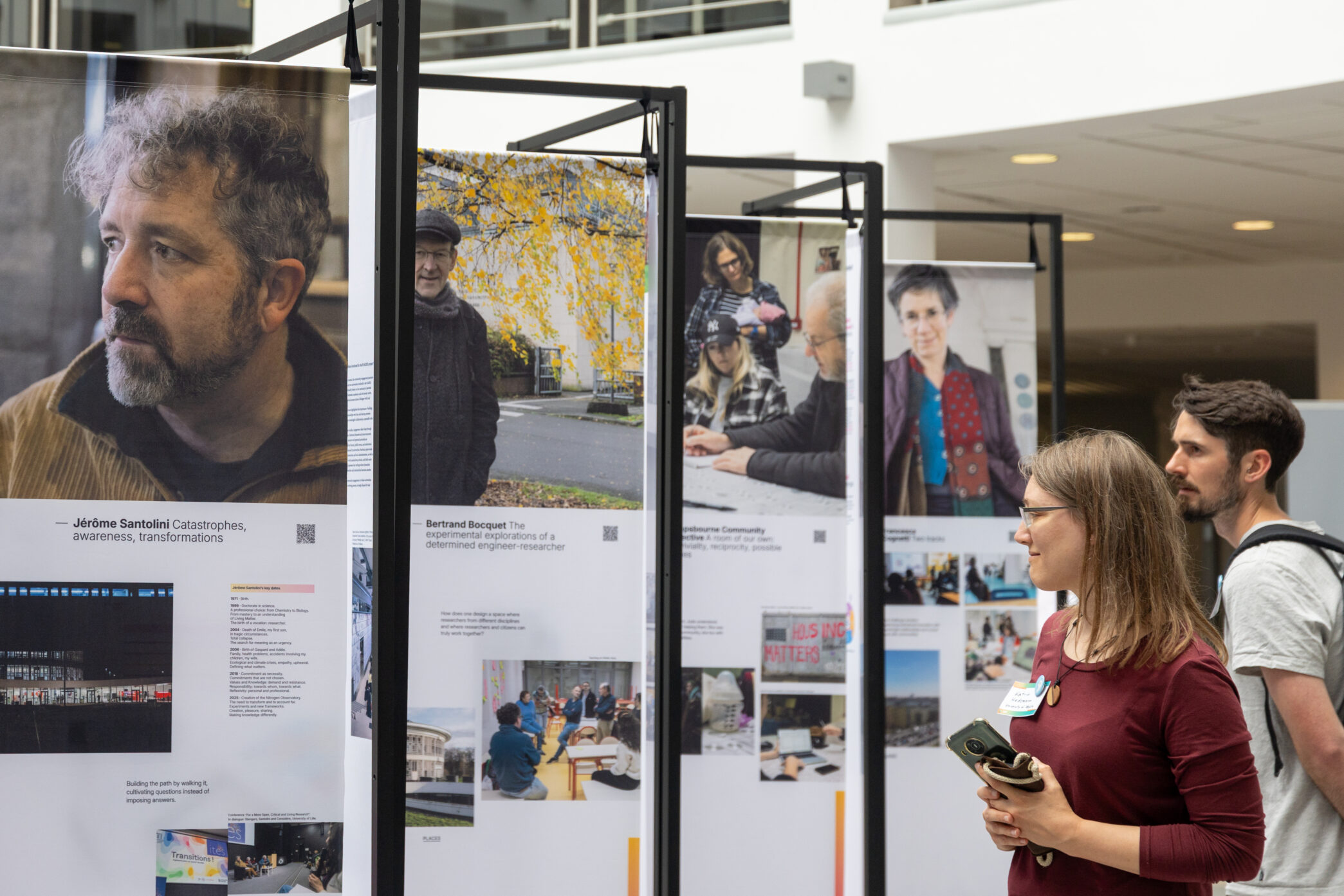
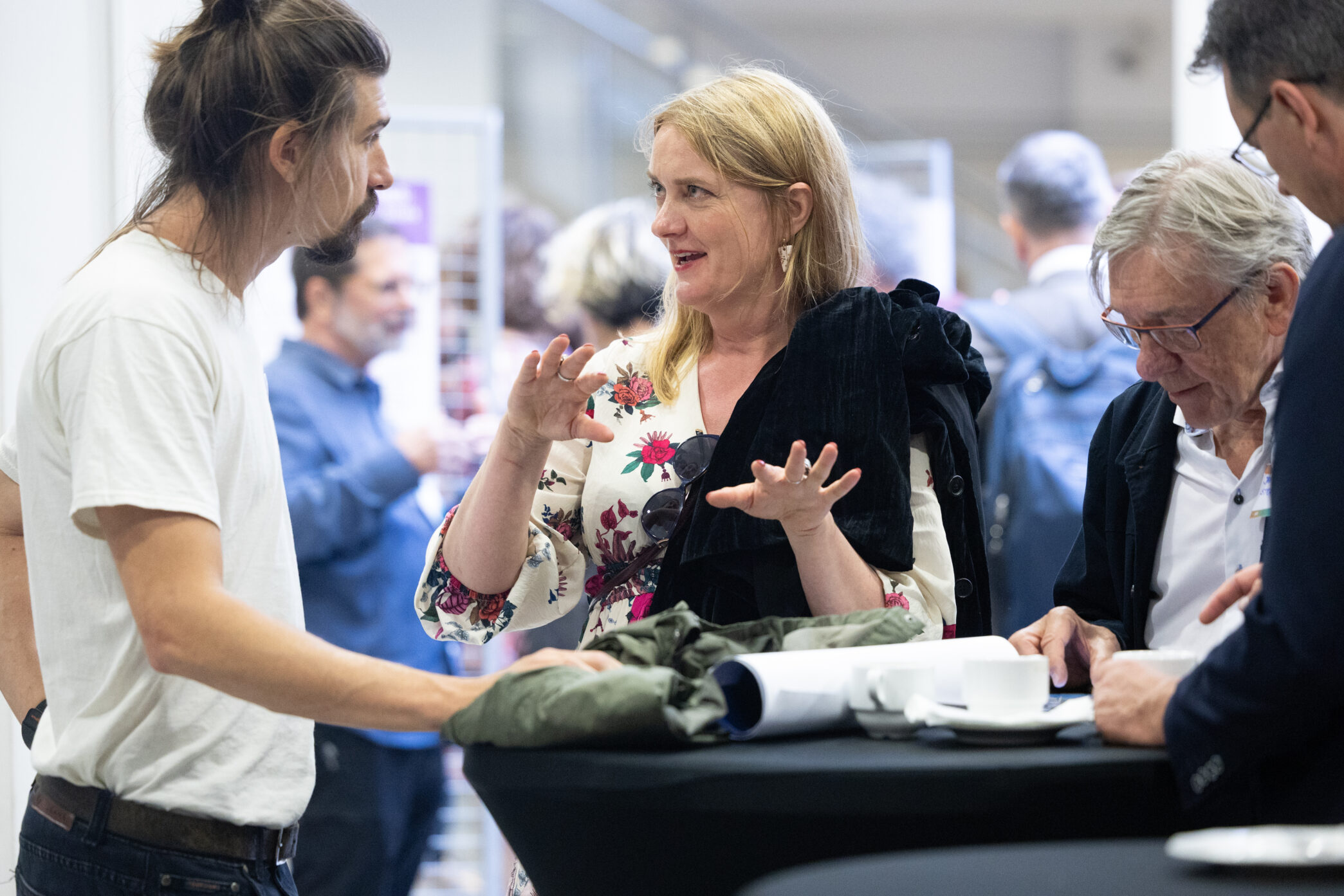
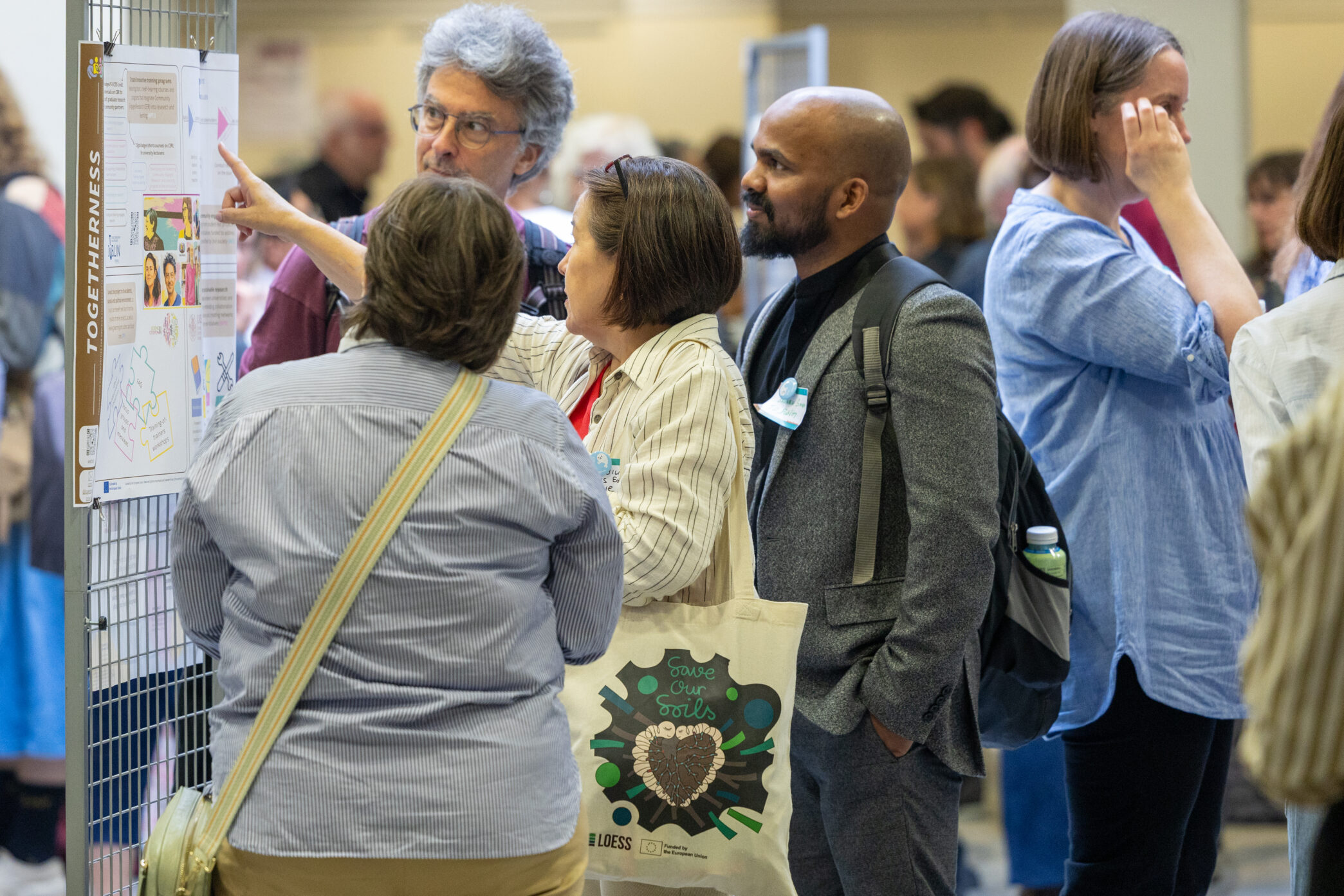
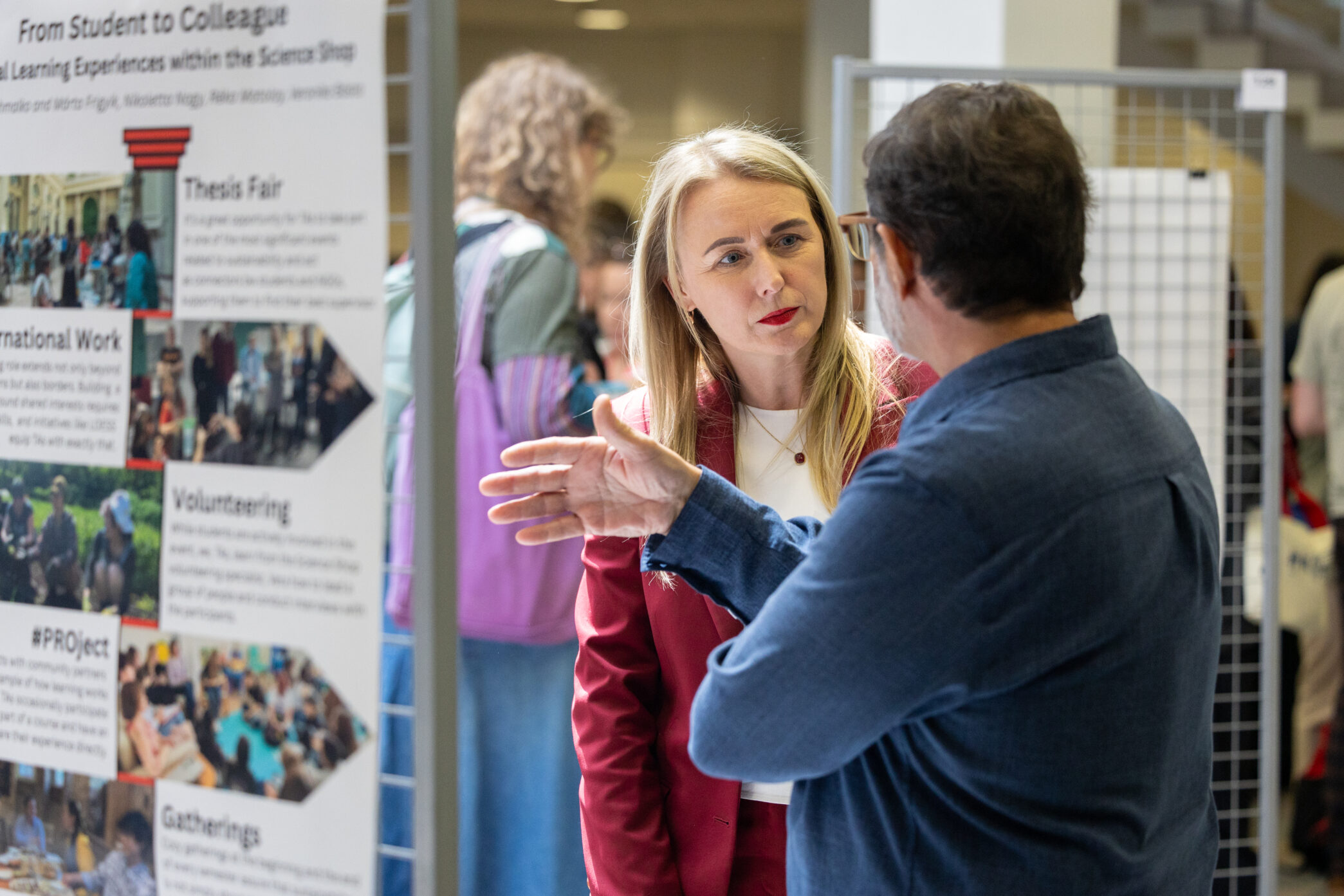
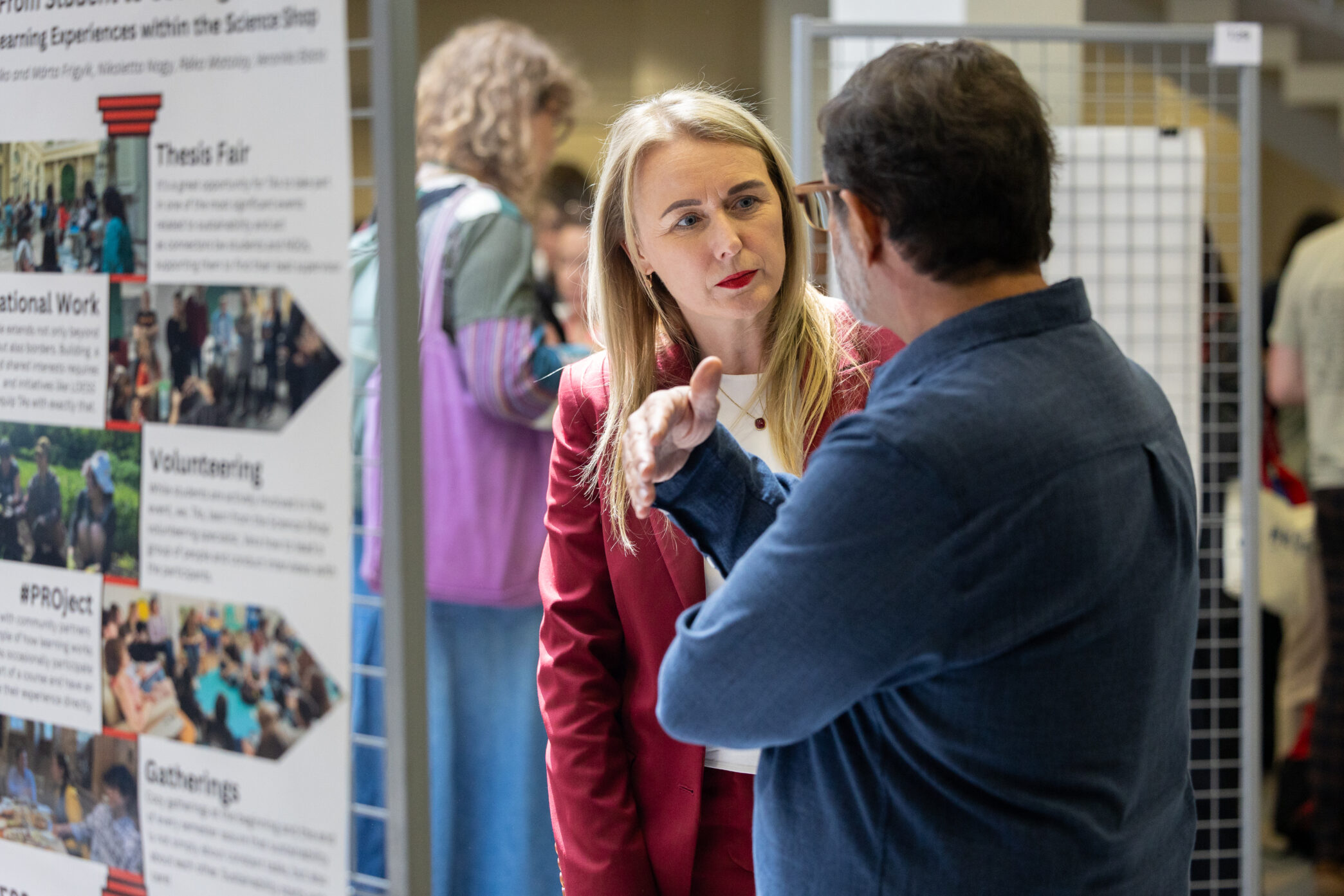
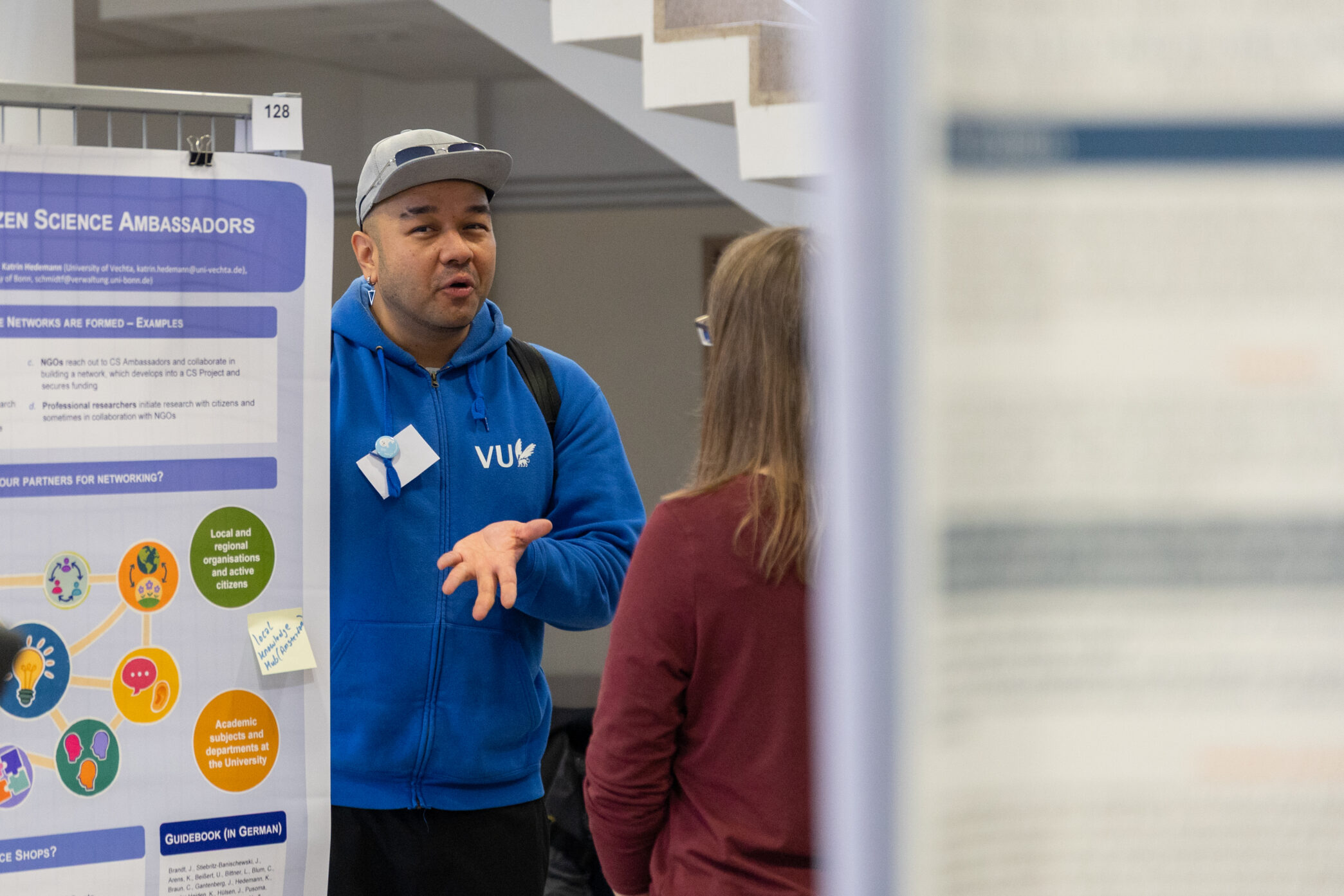
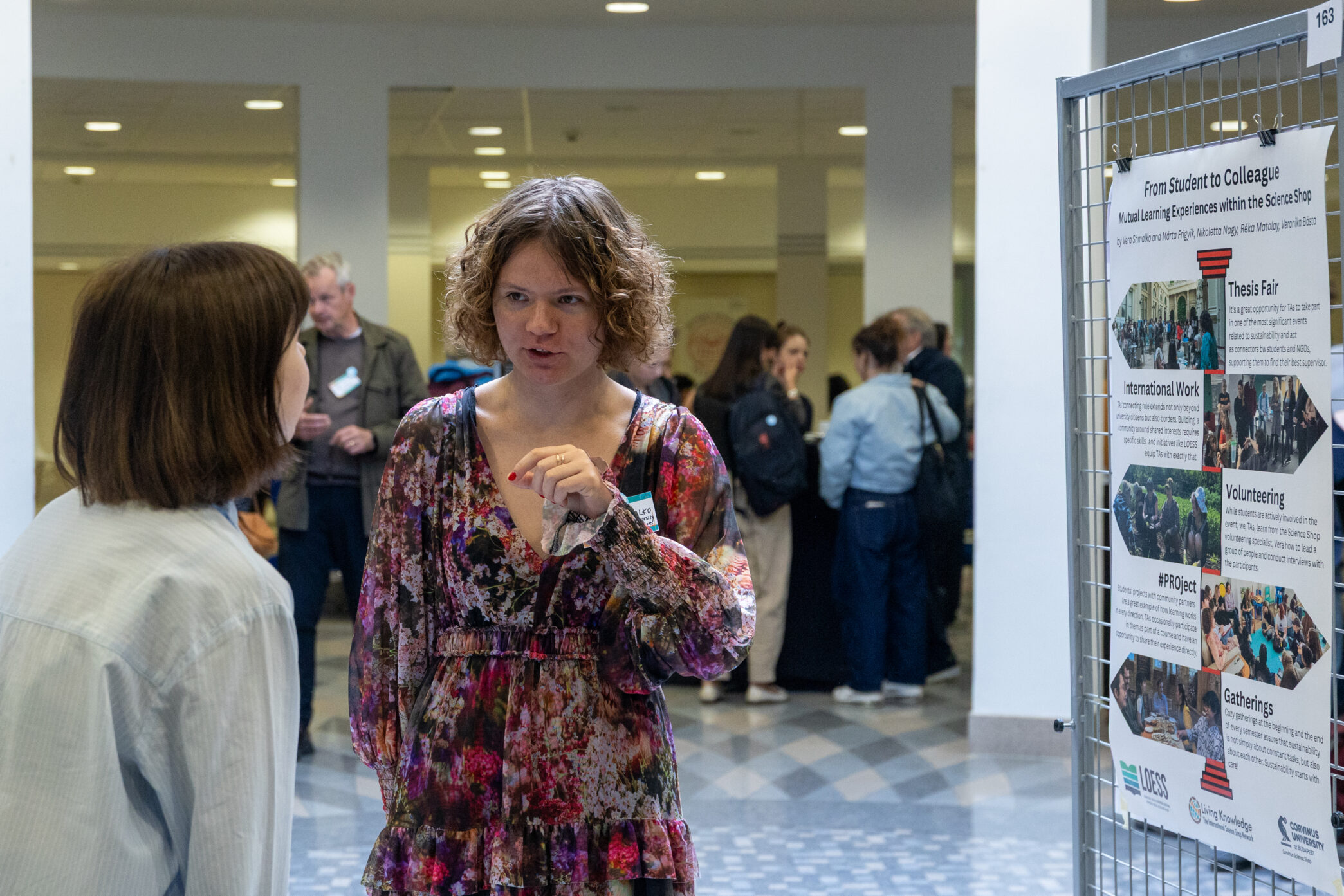
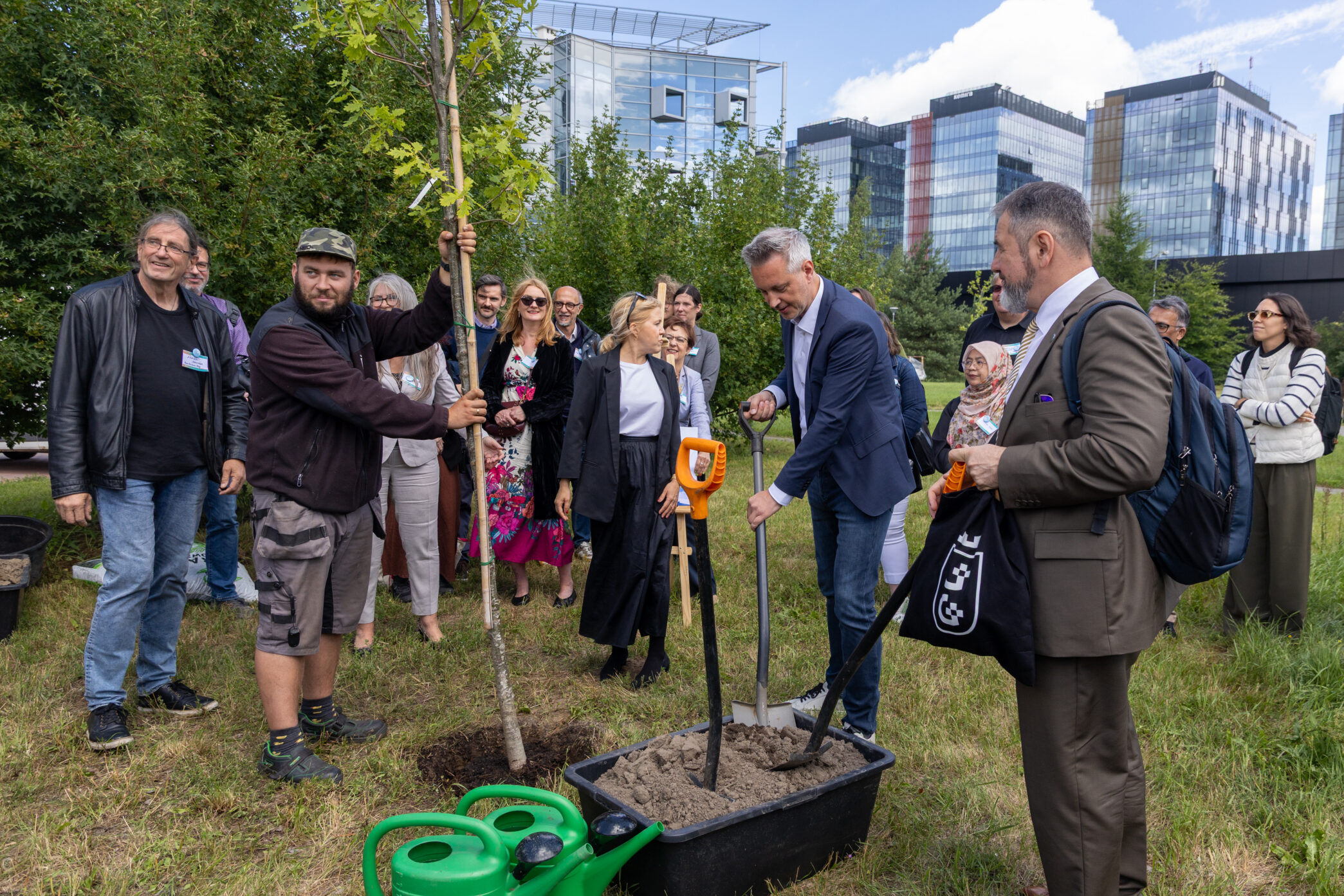
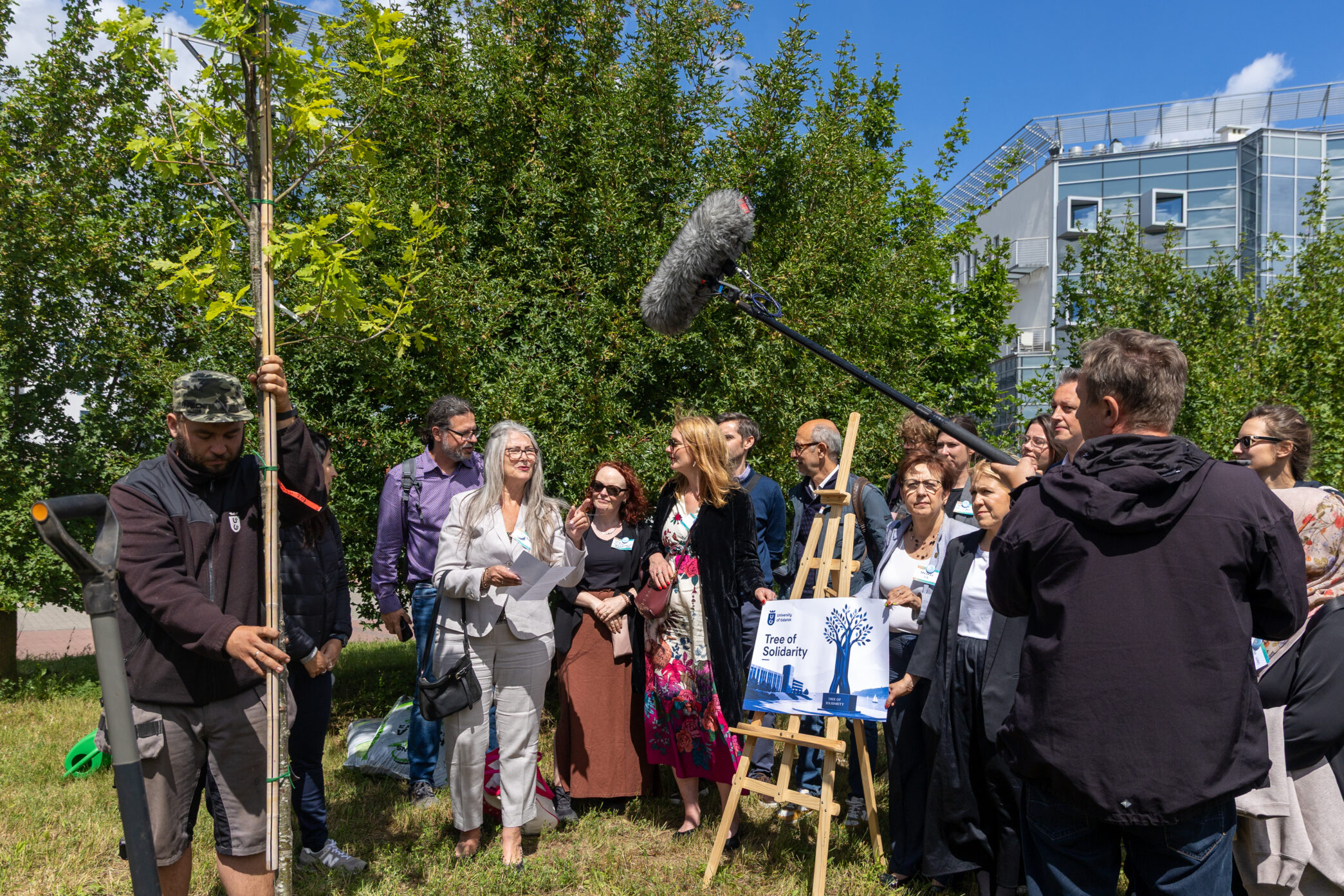
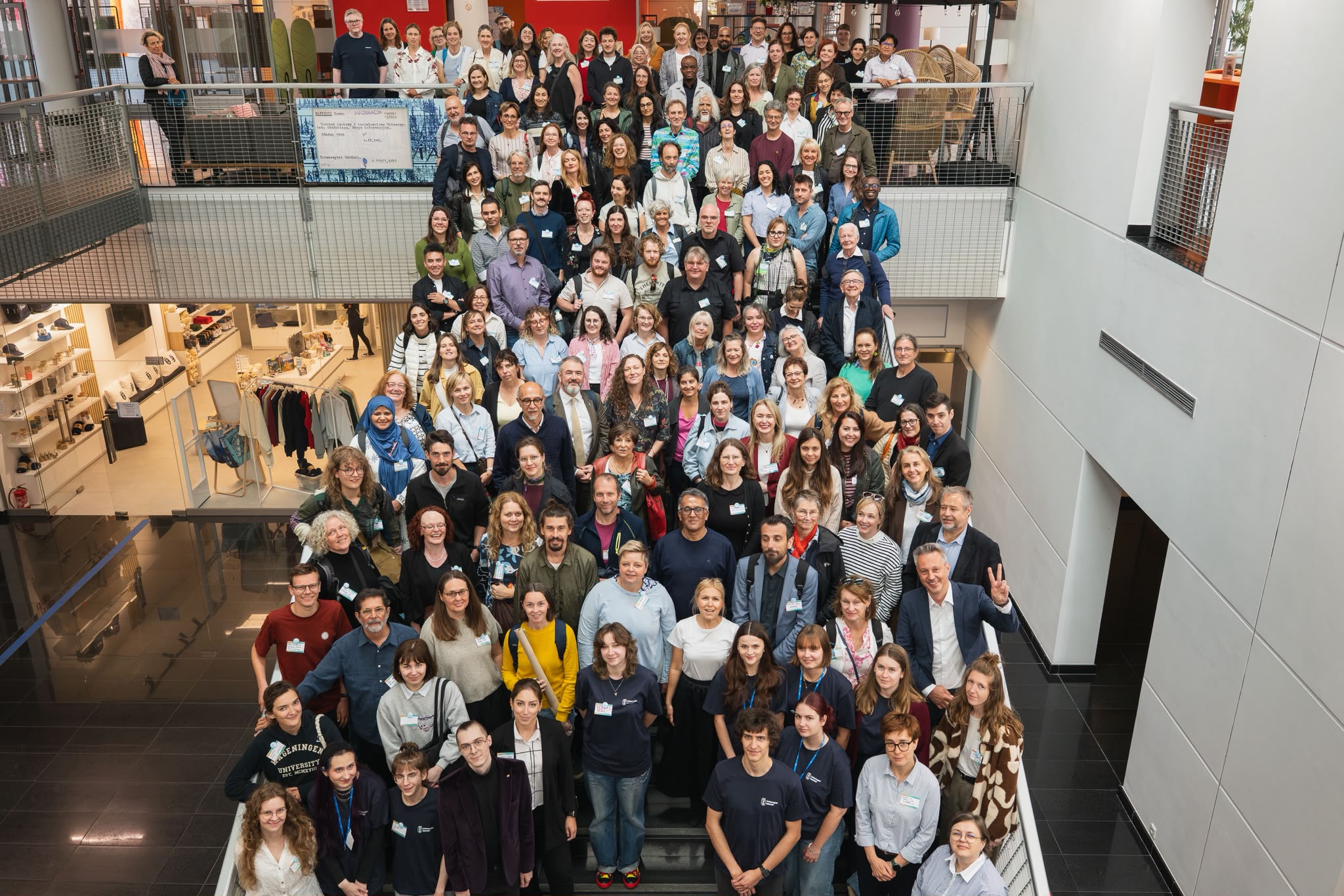
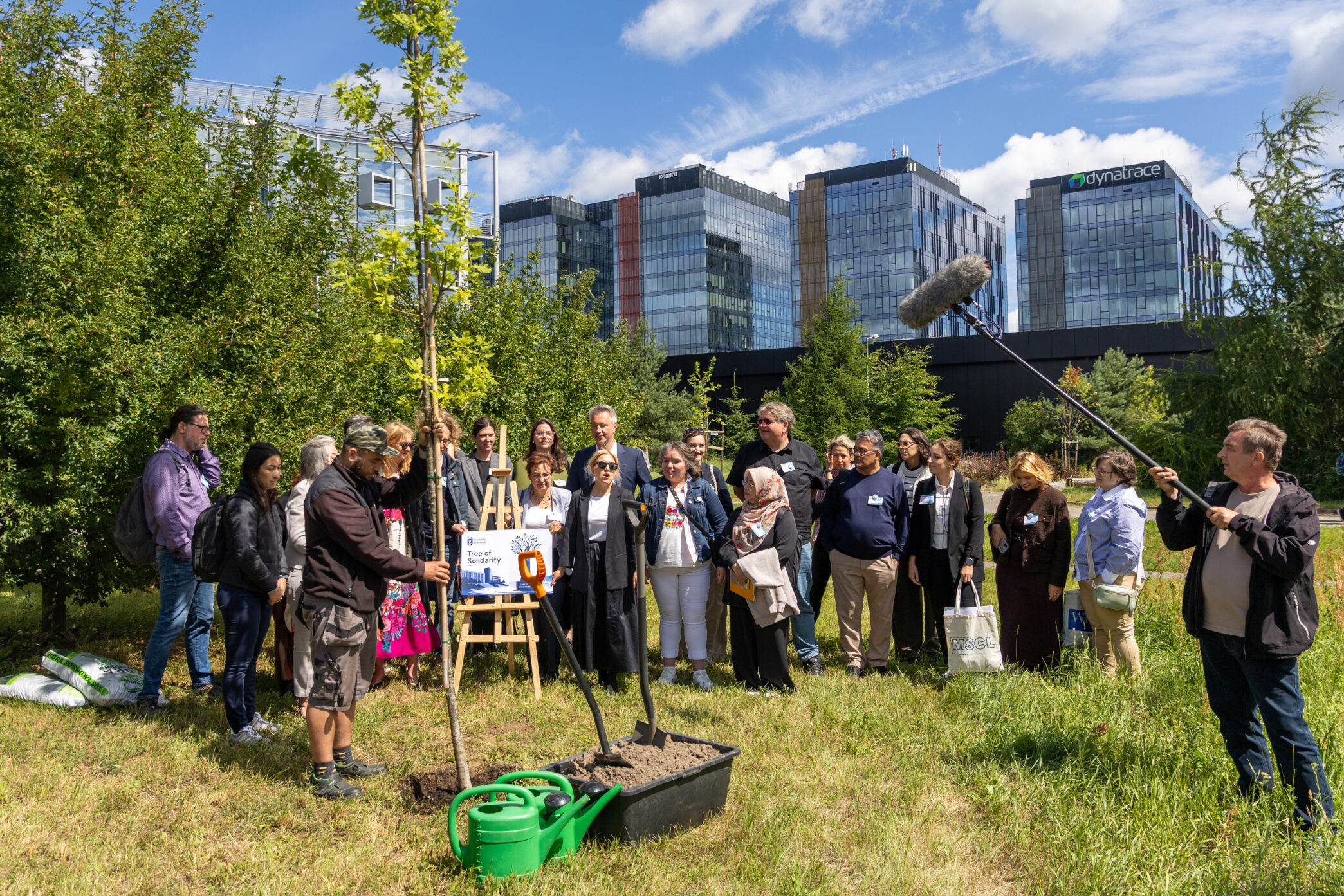
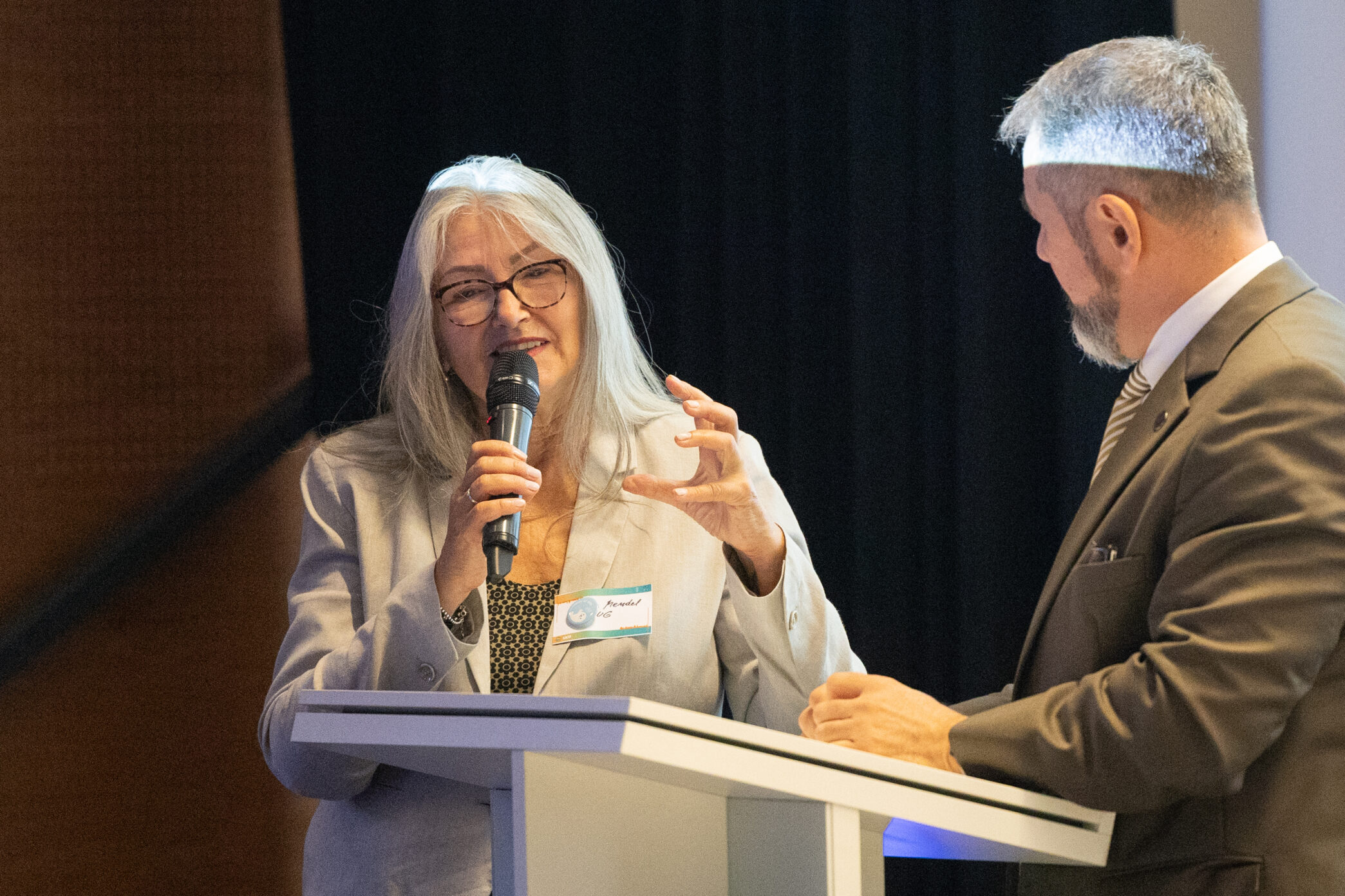
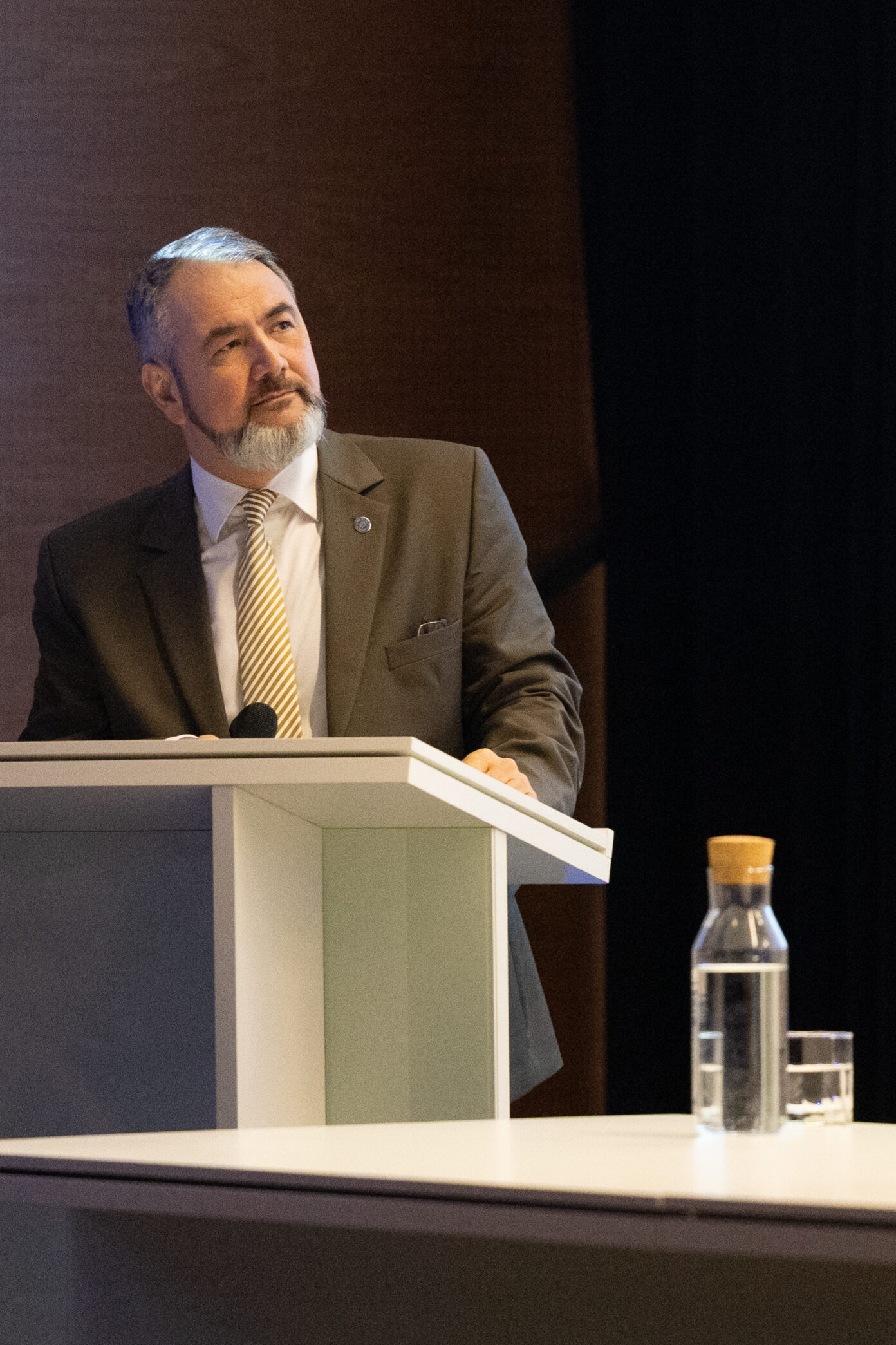
Photo: Anna Rezulak
The event brought together 200 researchers, practitioners and representatives of civil society organisations, public institutions and the business sector involved in participatory research, citizen science and the co-creation of knowledge at local, regional and global levels. The conference also addressed new teaching methods that enable students to put the skills they have acquired at university into practice through socially significant projects and research.
The event was organised by the University of Gdańsk, with particular involvement from the University’s Centre for Sustainable Development and the Office for Finance and Strategic Projects, in collaboration with the Living Knowledge Network – an international network of so-called ‘Science Shops’. The network’s conferences are held every two years at selected European universities. The University of Gdańsk took over the hosting role from the University of Girona, whilst KU Leuven will organise the next edition in 2028.
Solidarity – the foundation of socially engaged research
The event was preceded by a summer school aimed primarily at the younger generation of researchers and students. The conference opened at the University of Gdańsk Library. The event was opened by: the Rector of the University of Gdańsk, Prof. Piotr Stepnowski; the Director of the University of Gdańsk Centre for Sustainable Development, Dr hab. Sylwia Mrozowska, PhD, Professor at the University of Gdańsk; the Dean of the Faculty of Social Sciences, Prof. Michał Harciarek; the Chair of the Conference Organising Committee, Dr Joanna Morawska; and a representative of the Living Knowledge Network, Dr Henk Mulder from the University of Groningen.
One of the highlights of the opening session was a brief, first-ever demonstration of the University of Gdańsk’s mobile robot. The robot was purchased on the initiative of the University of Gdańsk Centre for Sustainable Development as part of the SEA-EU 2.0 project, funded under the Erasmus+ programme. The robot will be used during the conference and other events organised at the University of Gdańsk – including to welcome participants, provide organisational information, give directions and interact with people in multiple languages. The robot is programmed by the University of Gdańsk’s Interdisciplinary Laboratory for Artificial Intelligence Applications, with the involvement of students.
In addition, participants jointly planted the Tree of Solidarity – a symbol of cooperation, mutual support and responsibility for the future. This gesture directly echoed the conference’s theme and emphasised the need to build lasting relationships with nature as well.
Another surprise for participants was the unveiling of a mural at the Faculty of Social Sciences, University of Gdańsk. The mural, created especially for the occasion by local artist Dorota Wójcik, is an artistic symbol of dialogue, solidarity and the co-creation of knowledge through the bringing together of different perspectives, communities and experiences.
The theme ‘Research and Solidarity’ drew attention to solidarity as the foundation of socially engaged research. The programme included plenary lectures, parallel sessions, workshops, panel discussions, a poster session and meetings focused on the active exchange of experiences. Participants discussed methods of partnership-based collaboration between science and society, participatory research, citizen science, and ways of responding to contemporary social, environmental and technological challenges.
Plenary presentations
Five plenary presentations by invited guests demonstrated a broad understanding of the relationship between knowledge, responsibility and solidarity. Prof. Maria Mendel (University of Gdańsk), in her lecture ‘Solidarity as infinite solidarities: With hope for a world with humans after the Anthropocene’, spoke about the multitude of forms of solidarity and the hope for communal life in a post-Anthropocene world. Prof. Sorin Costreie (University of Bucharest, Secretary of State and Adviser on Research and Education to the President of Romania), in his address ‘Science in the time of AI and manipulation’, analysed the role of science, critical thinking and education in an era of artificial intelligence, disinformation and eroding trust in the truth. Jan-Gustav Strandenaes (a long-serving diplomat and UN official), in his lecture ‘Teaching hope or managing disasters?’, emphasised the importance of historical memory, perspective and the consistent defence of human rights, democracy and sustainable development. Dobrivoje Lale Eric (Centre for the Promotion of Science in Serbia), speaking on the topic ‘Creating Knowledge at the Verge of Art and Science’, outlined the potential of combining art and science in knowledge creation and in tackling climate and technological challenges. Prof. Srdjan Verbic (Observatory of Social Innovations), in his talk ‘Lessons We Never Learn’, reflected on why societies are not always able to learn from rare, transformative crises, and how to build a culture of learning, long-term planning and resilience.
The conference in figures:
- 200 guests
- 150 presentations,
- representatives from 19 countries,
- over 100 institutions representing universities, non-governmental organisations and the business sector.
A lasting outcome of the conference is the forthcoming special issue, ‘Research and Solidarity: Global, Regional and Local Perspectives’, of the *Journal of the Knowledge Economy* (Springer Nature), co-edited by Dr Joanna Morawska and Dr Sylwia Mrozowska, Professor at the University of Gdańsk. This special issue will allow the themes discussed during the conference to be explored in the form of peer-reviewed academic articles and will document its intellectual output within the international academic community.
The Living Knowledge ‘Research and Solidarity’ conference was not only a forum for presenting research findings, but above all a place for building relationships, exchanging experiences and strengthening the international academic community. The meeting in Gdańsk confirmed that the search for effective responses to contemporary challenges requires partnership-based cooperation and shared responsibility.