

Polish artists and researchers co-create the international exhibition “THE EARTH IS THINKING ALL ALONG…”, which challenges anthropocentrism and gives voice to planetary processes, wetlands, and more-than-human forms of existence.
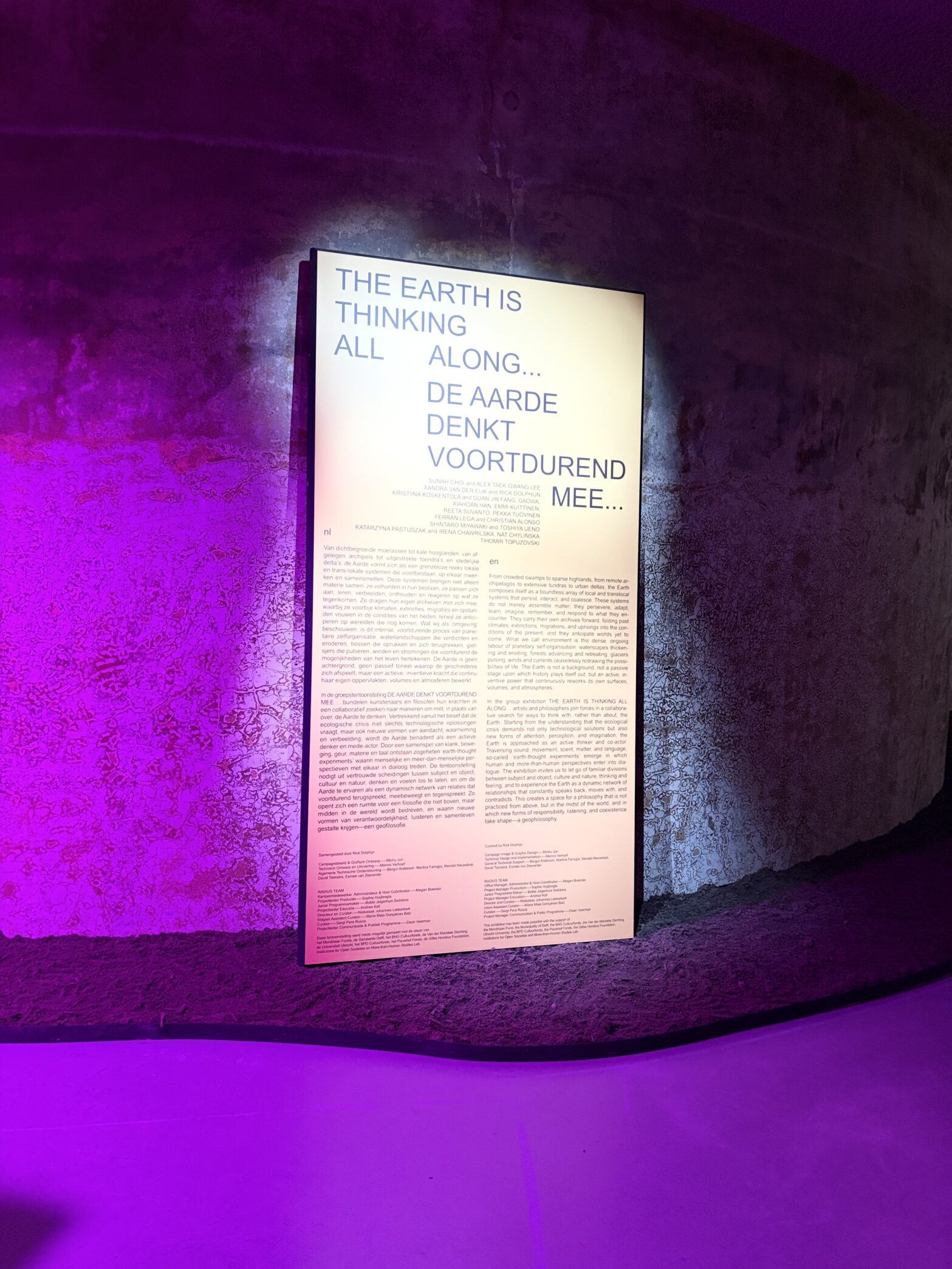
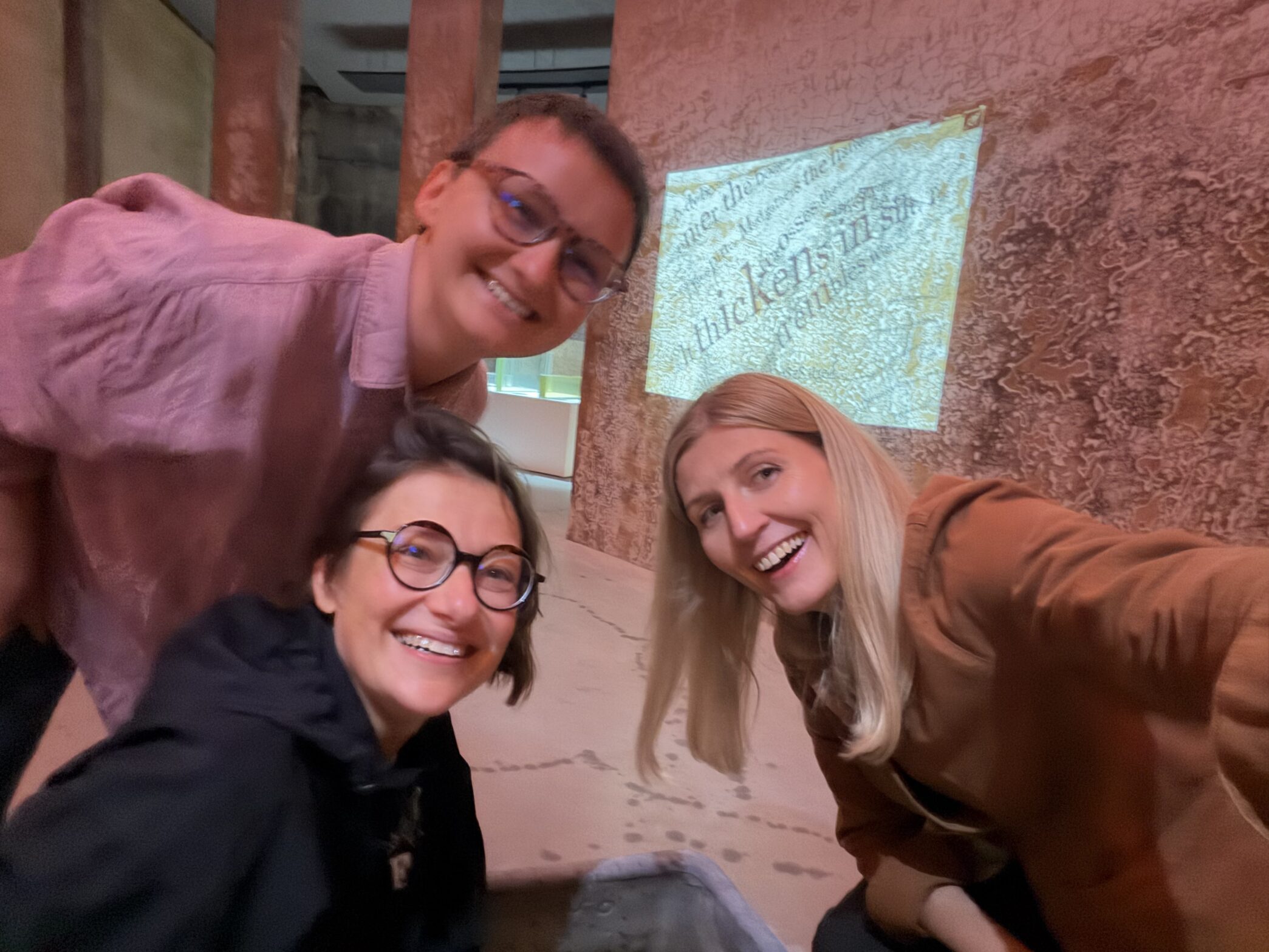
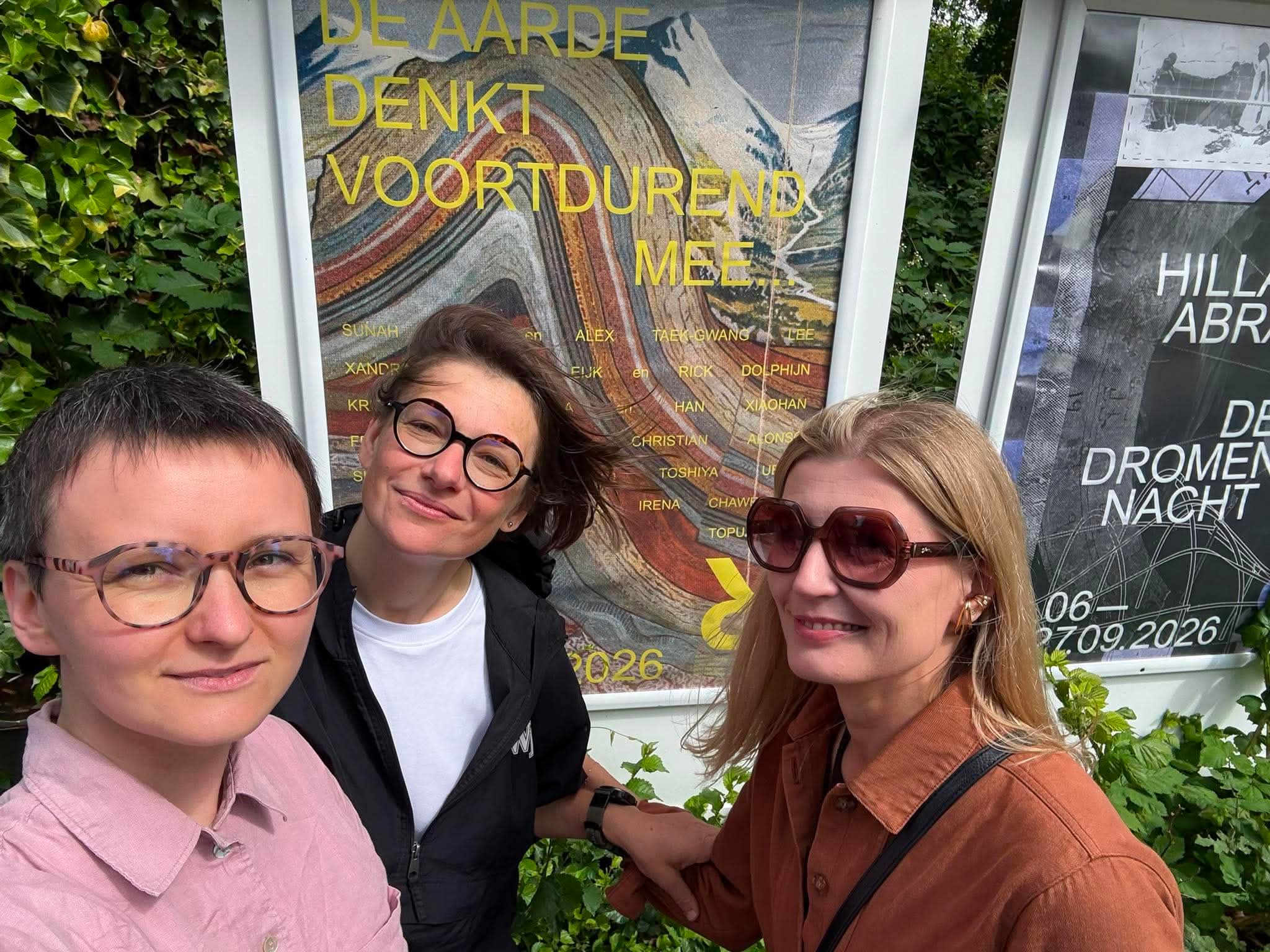
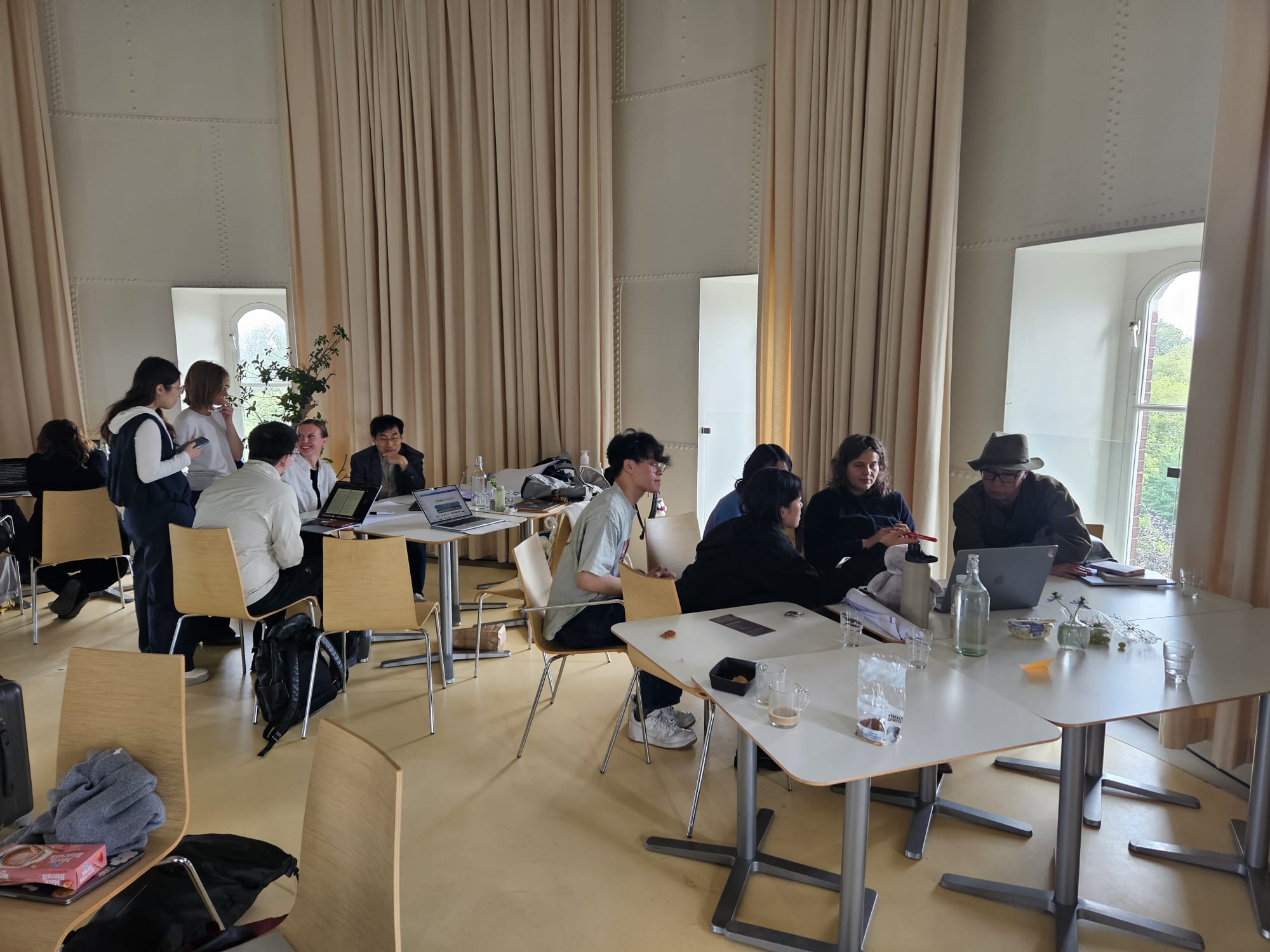
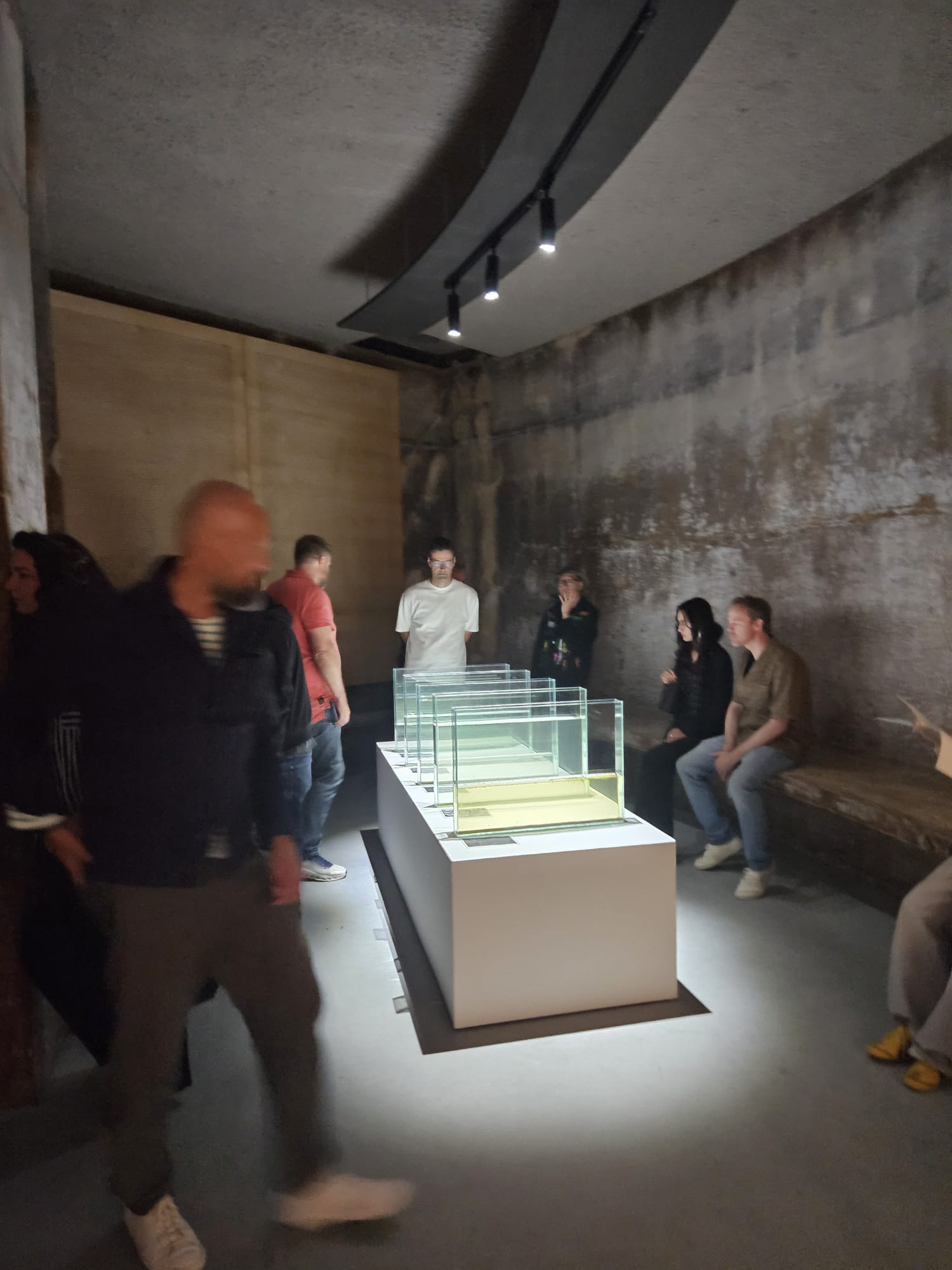
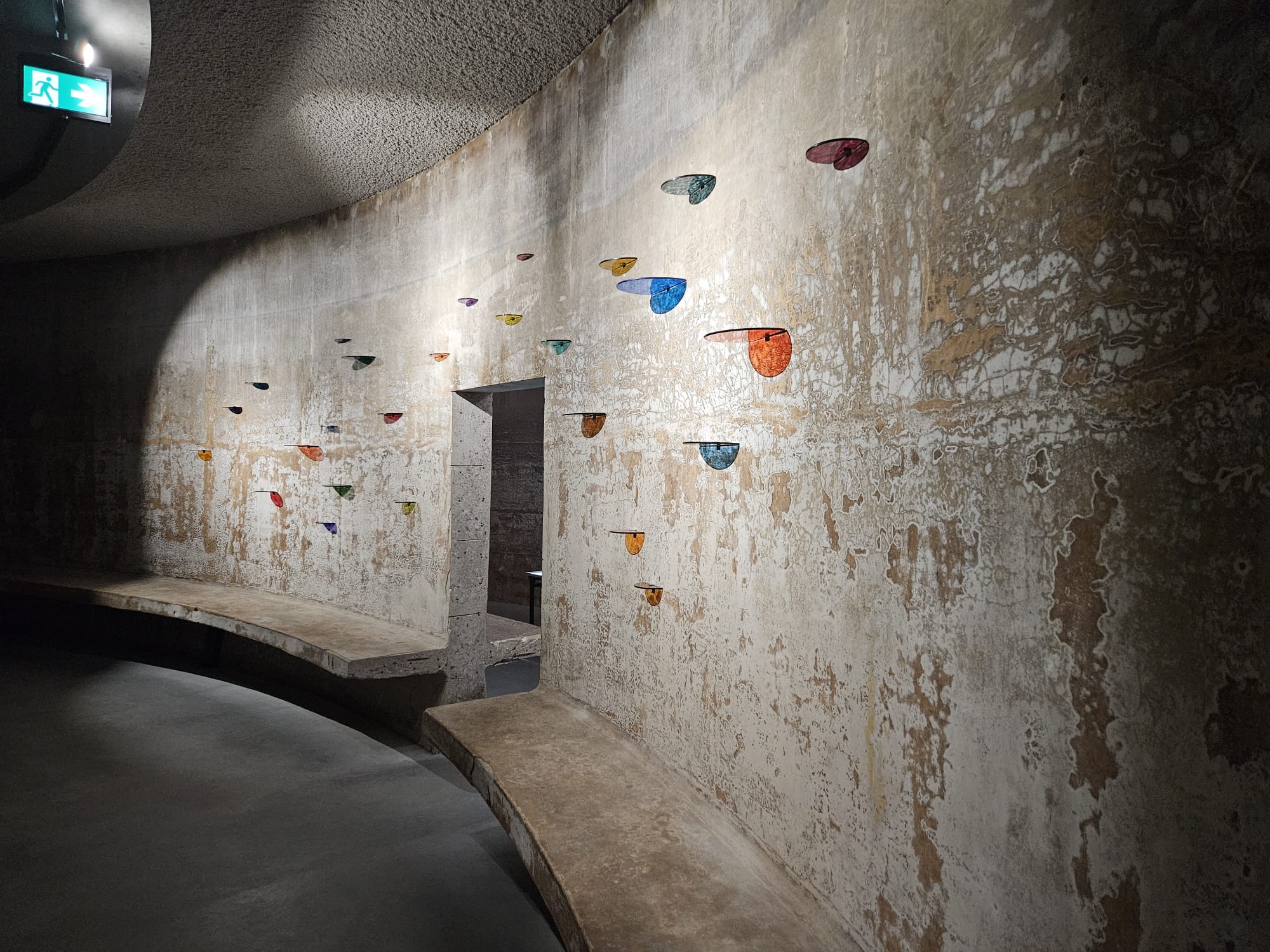
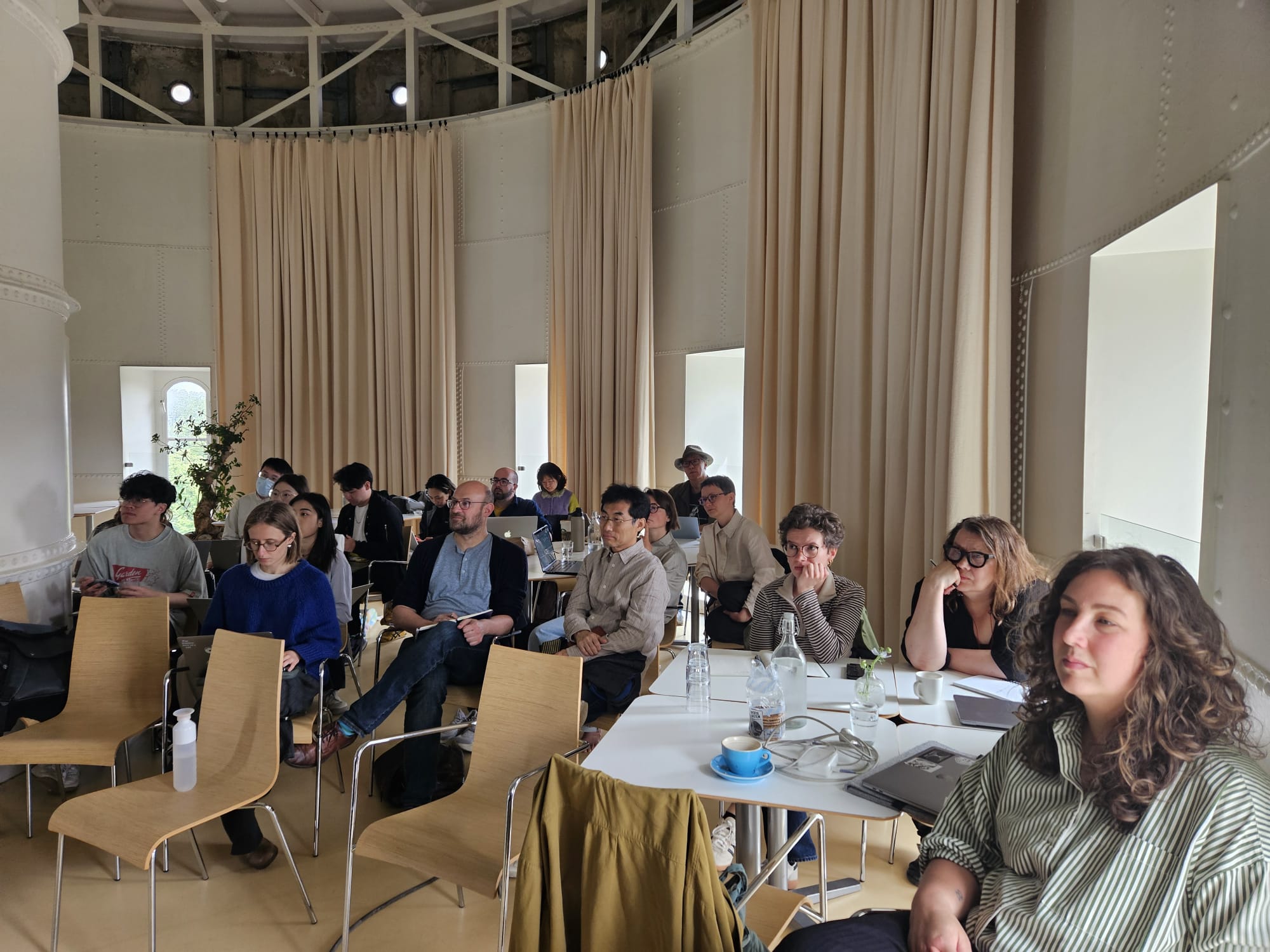
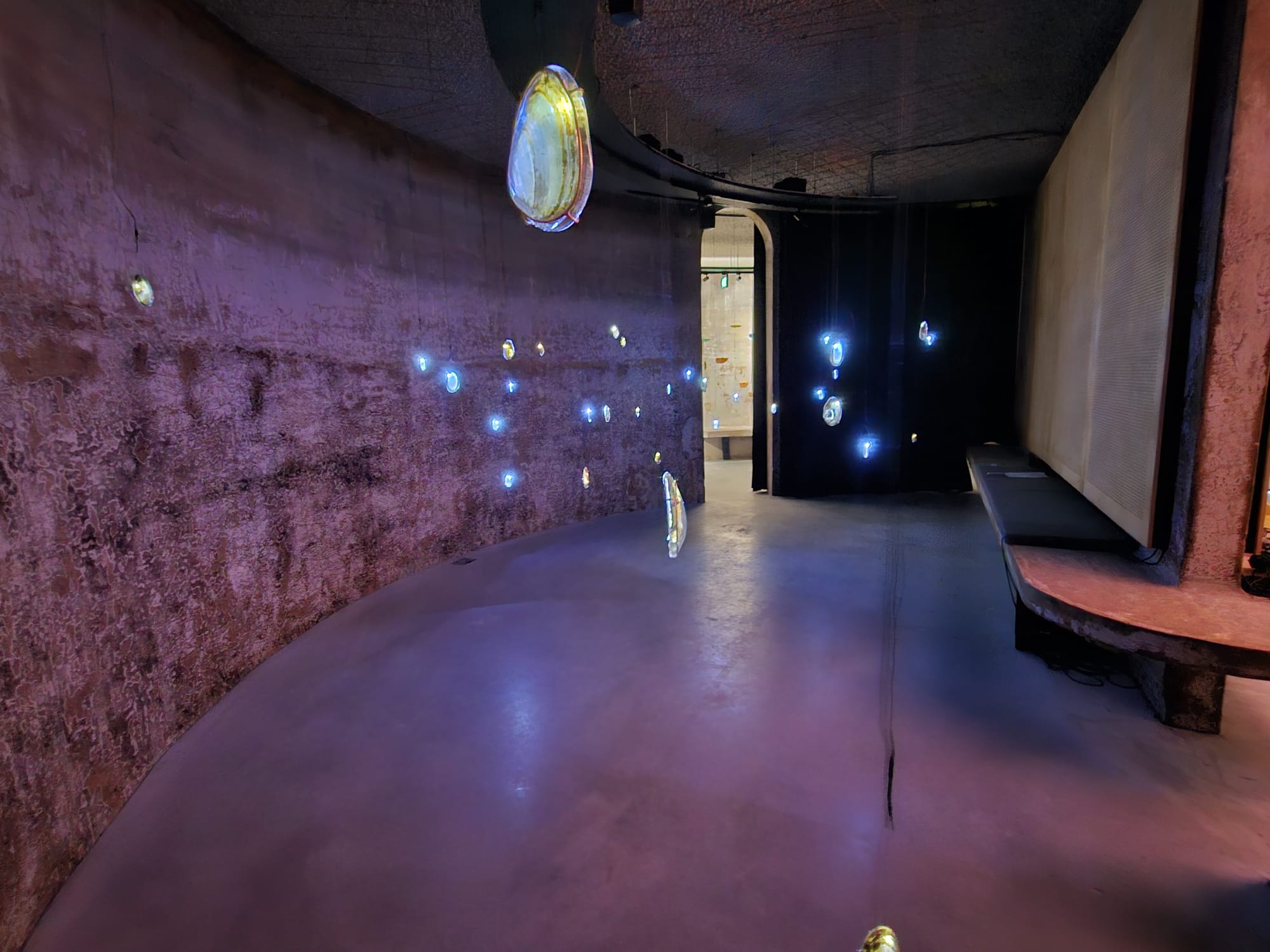
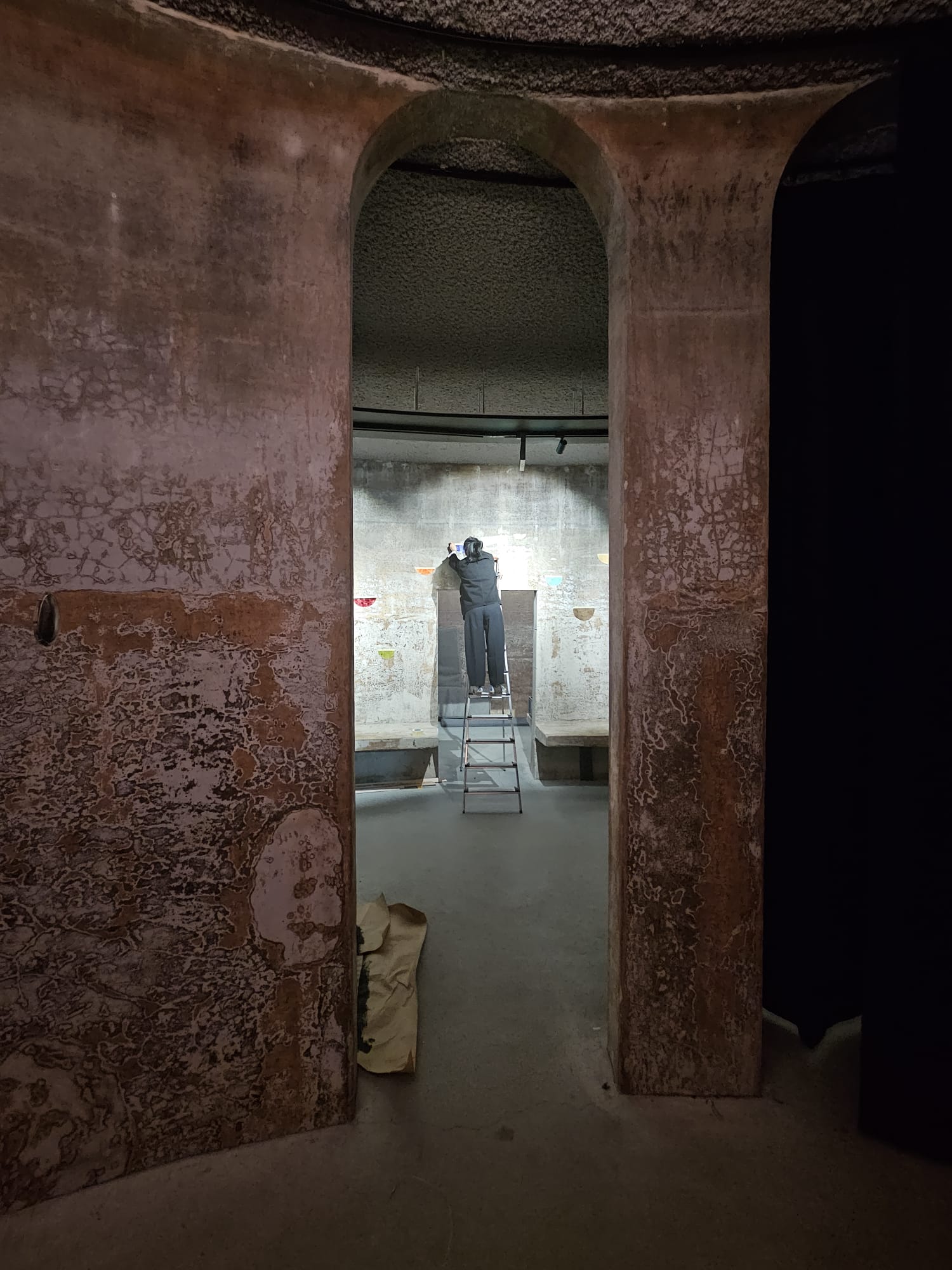
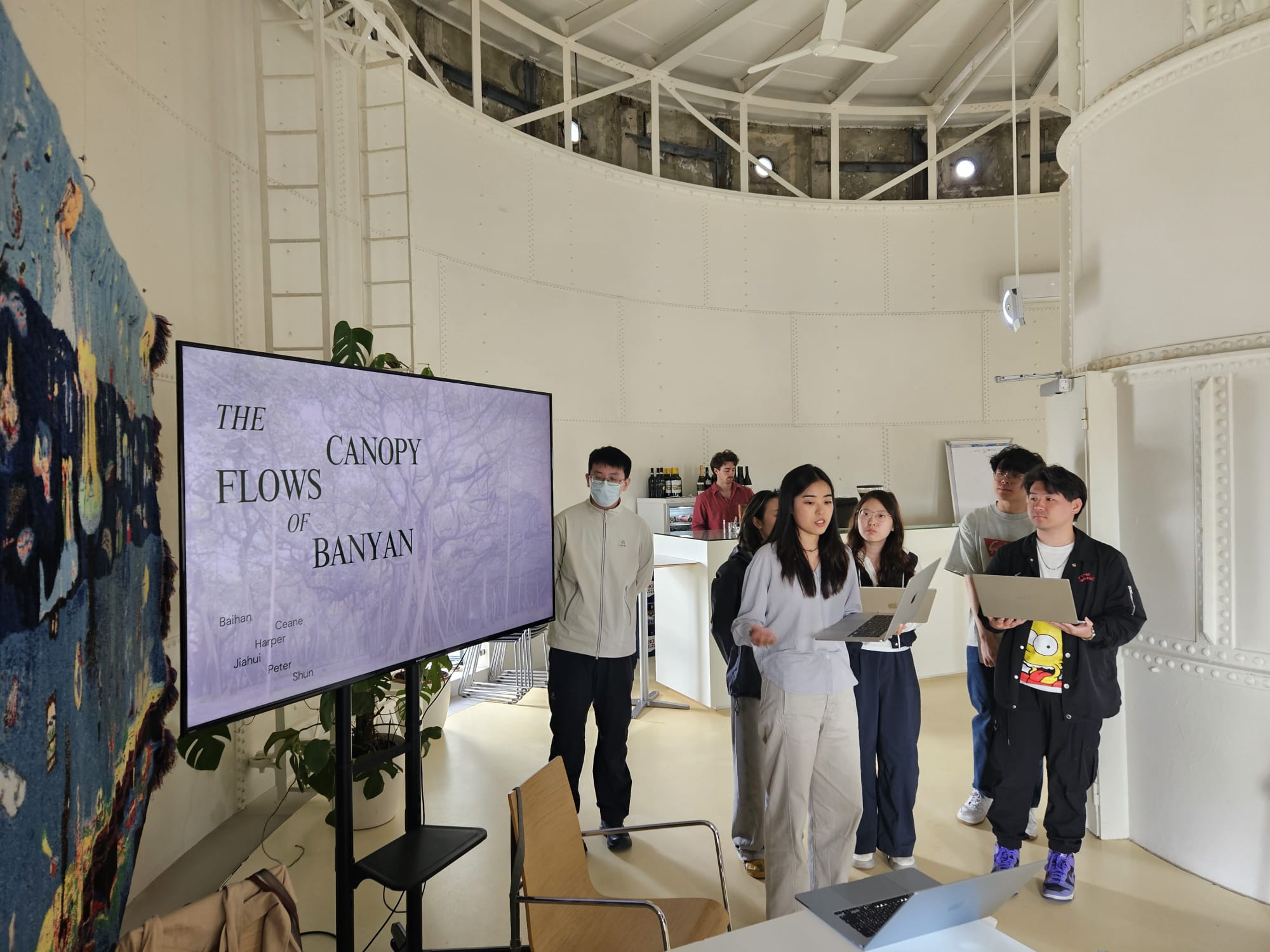
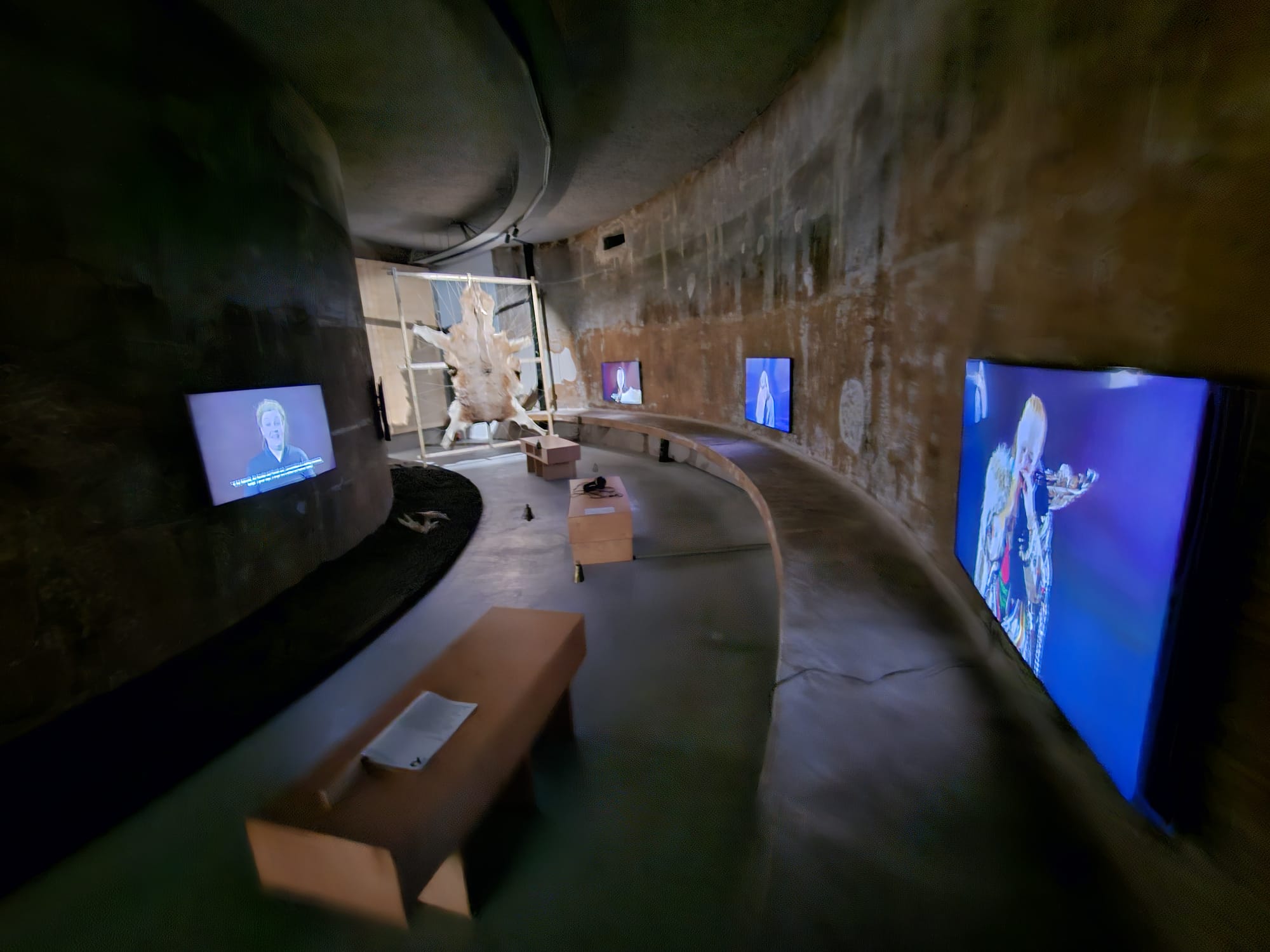
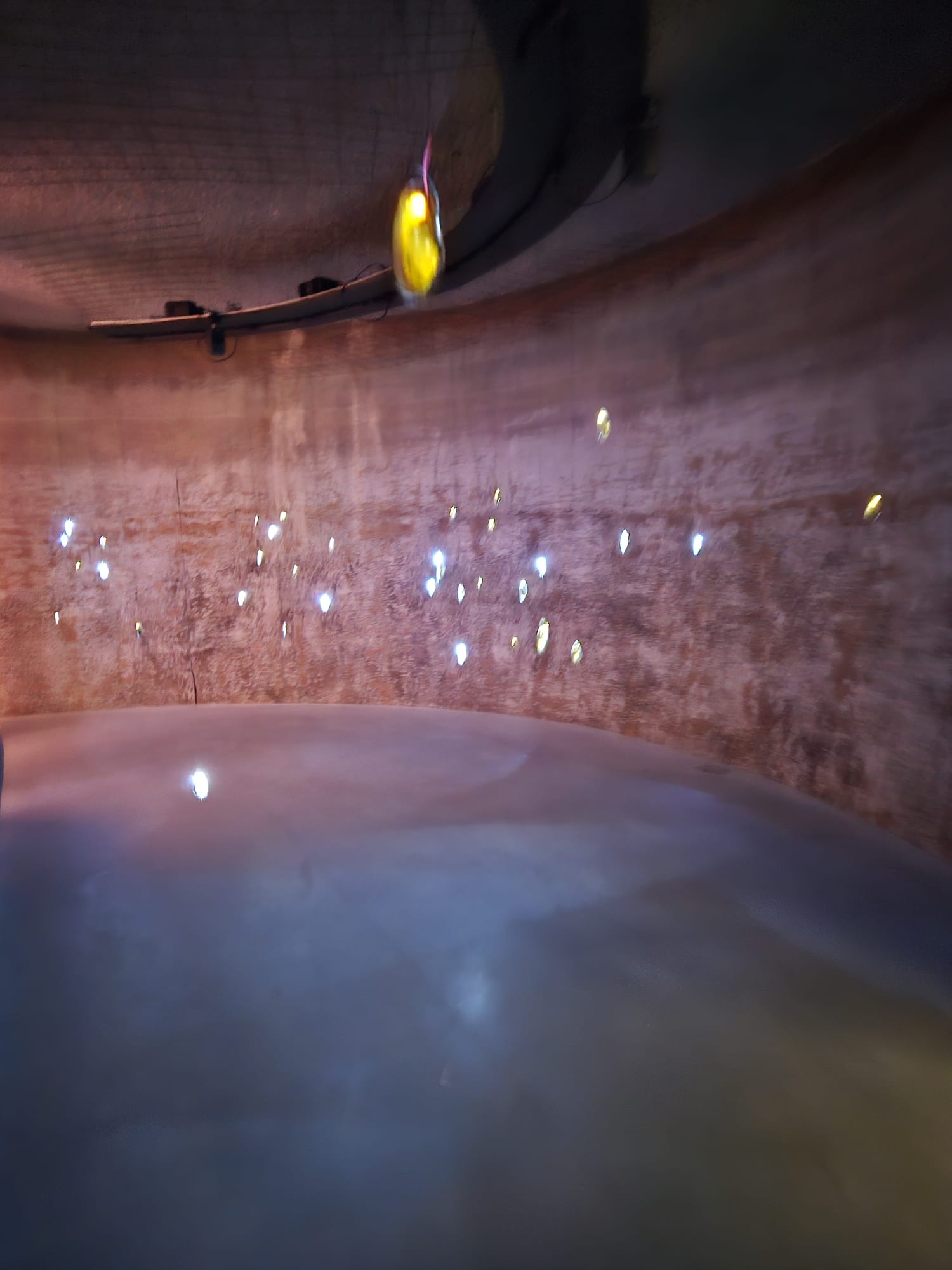
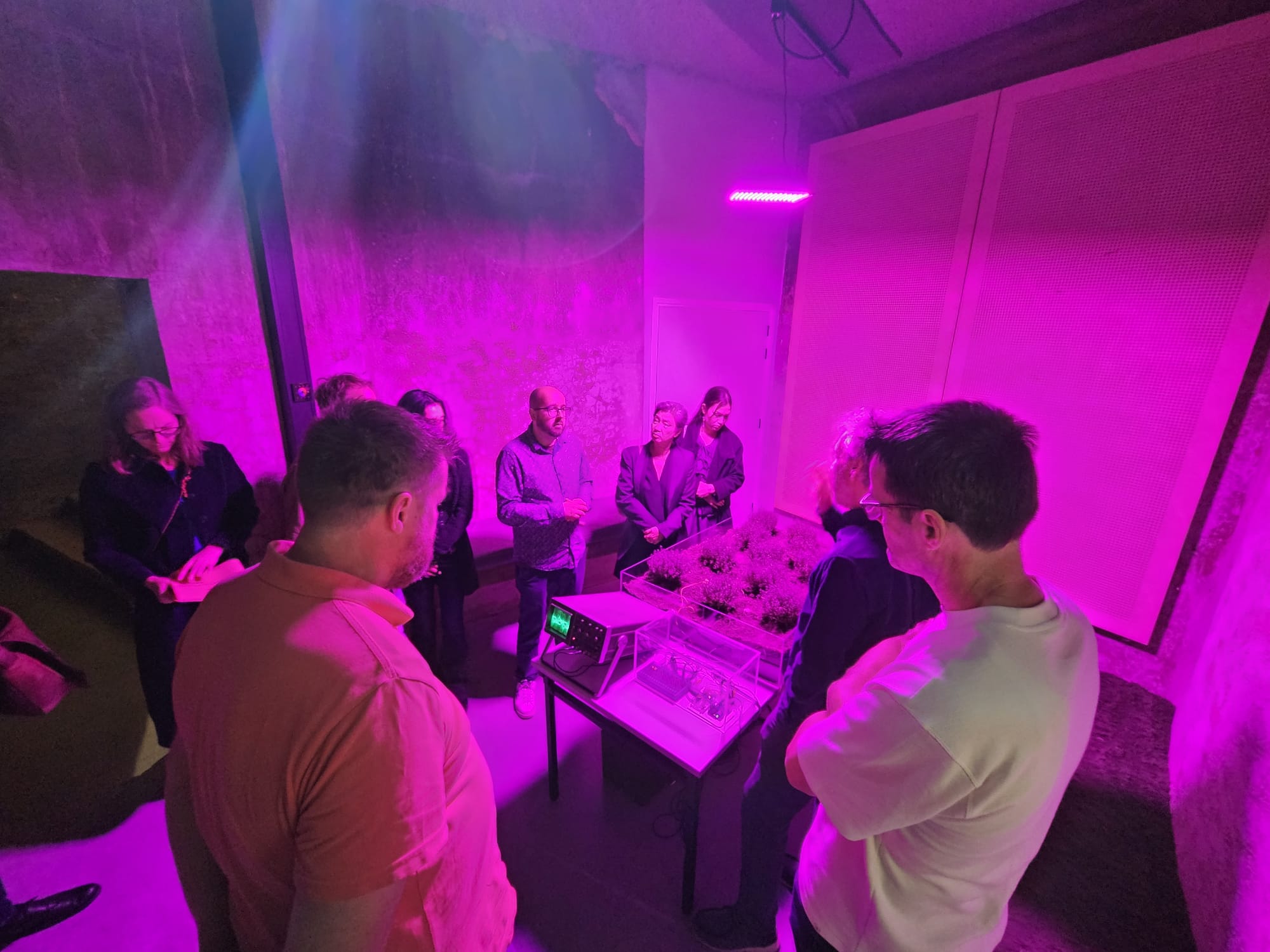
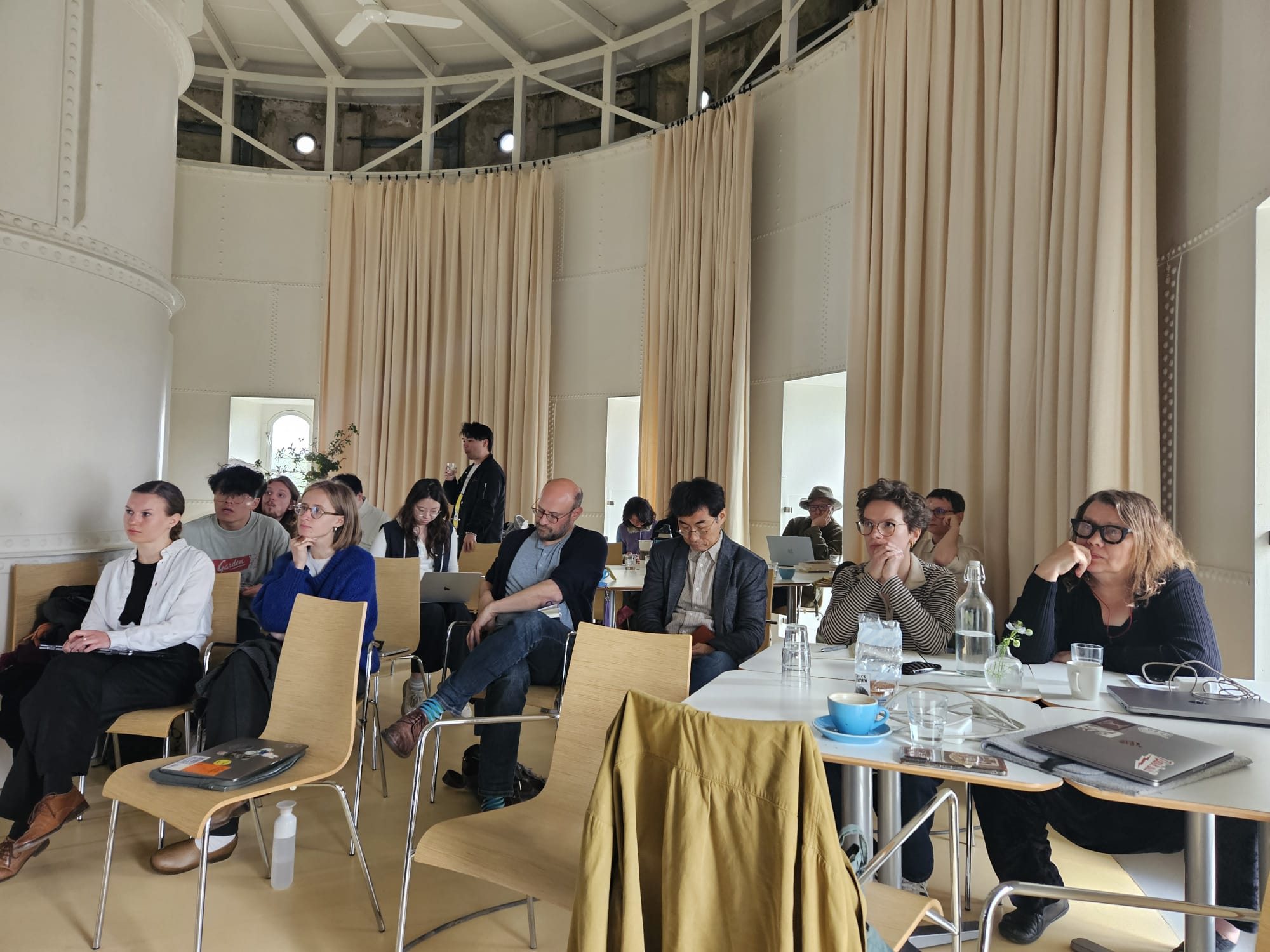
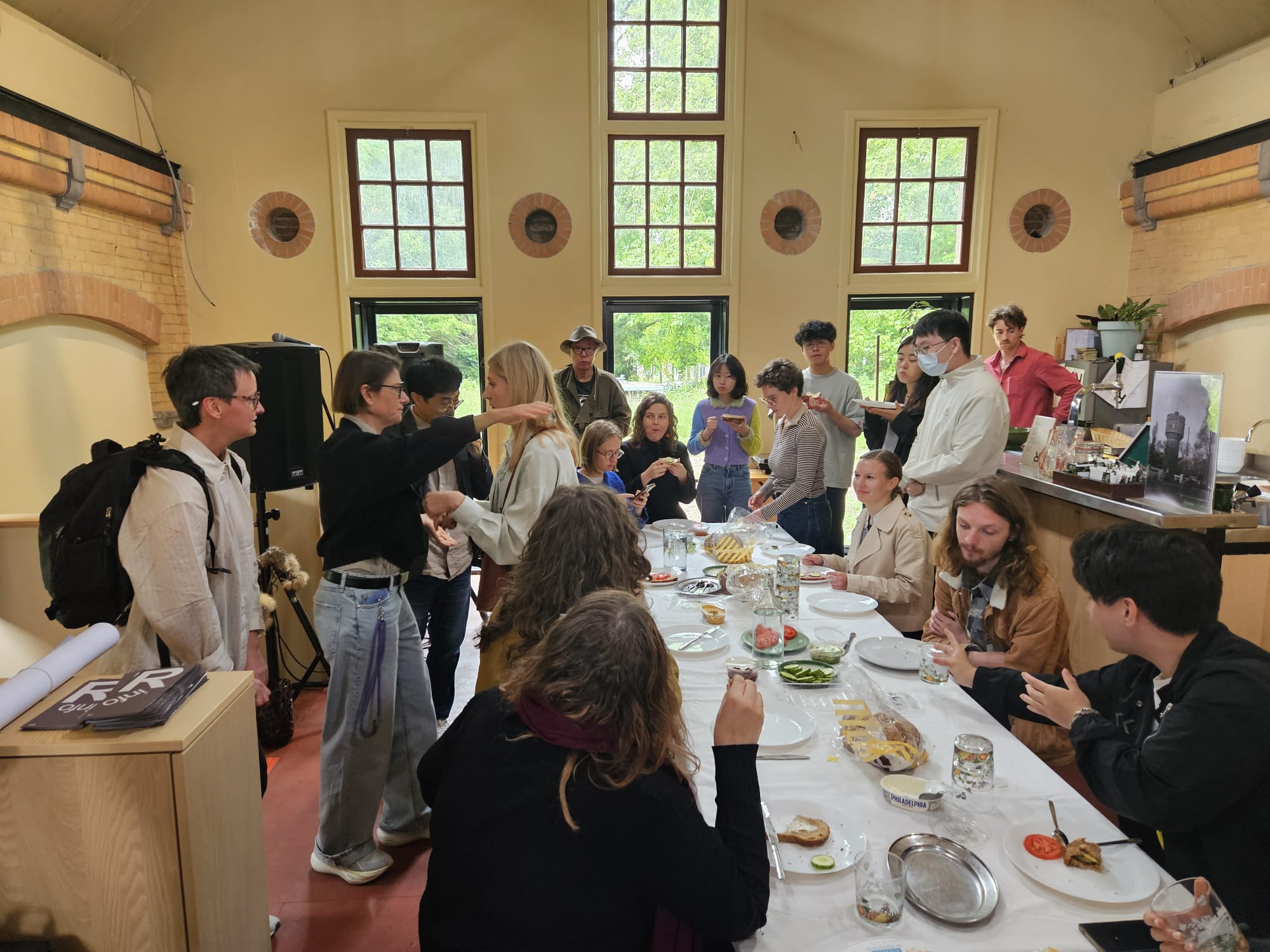
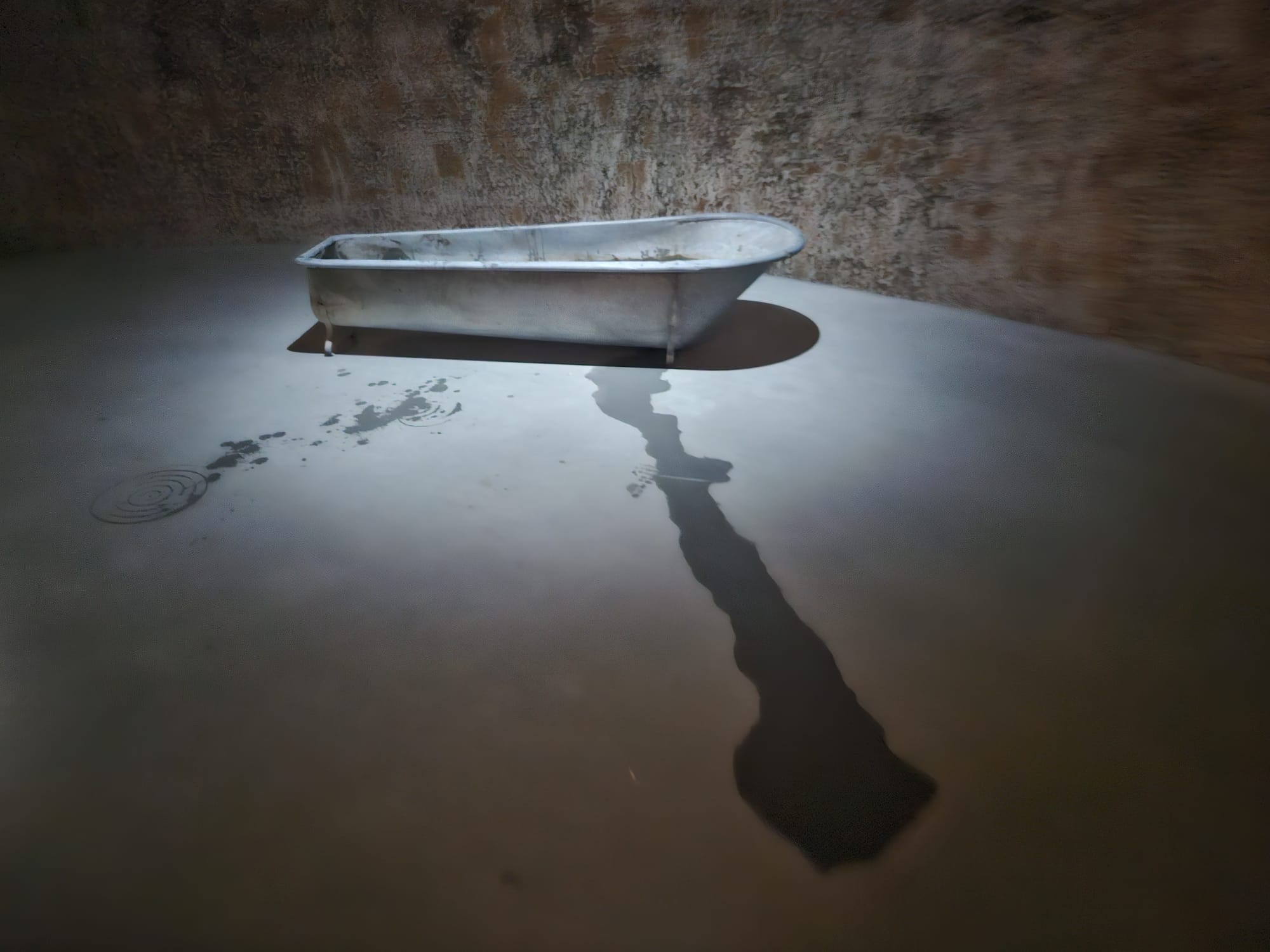
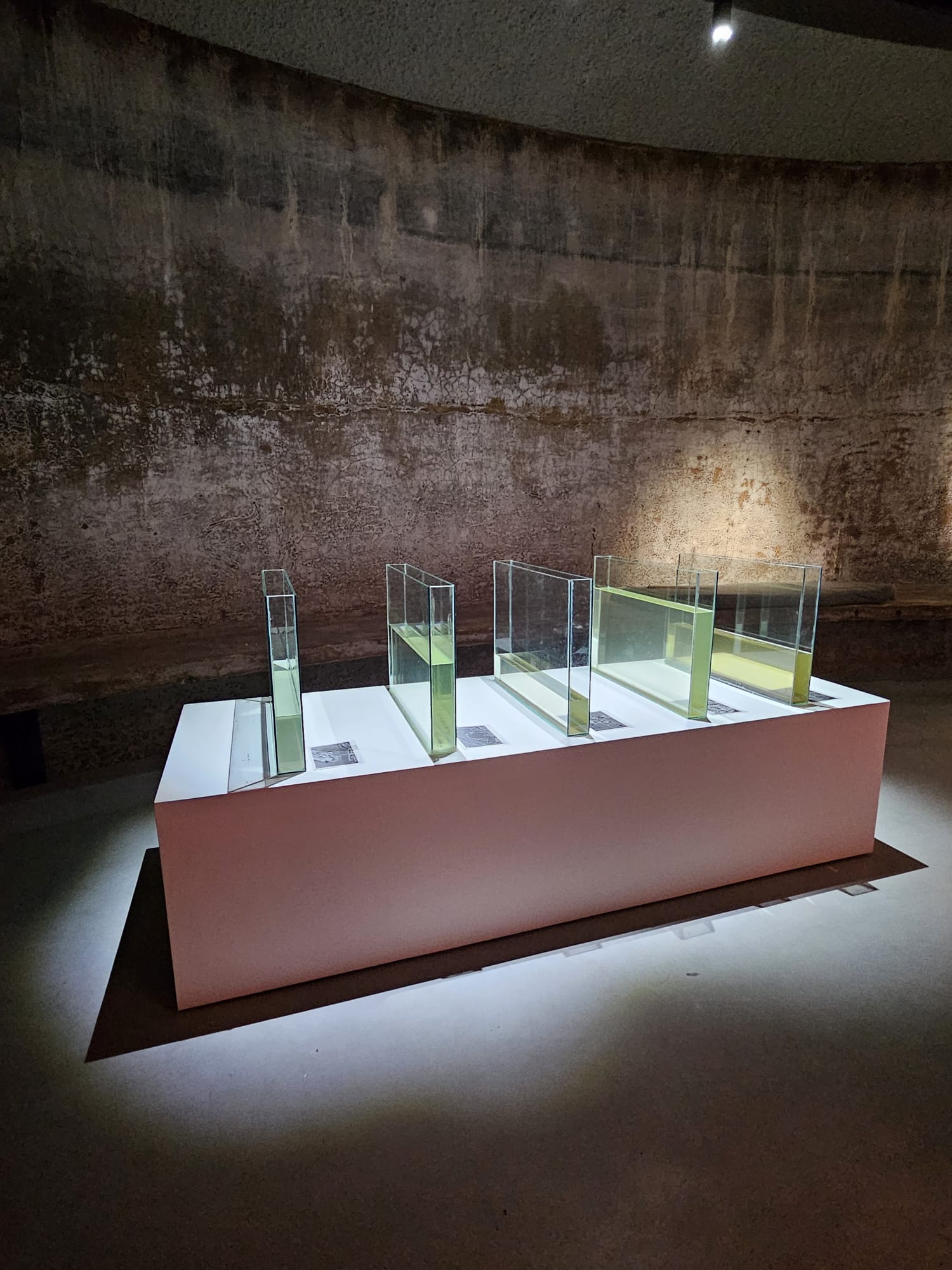
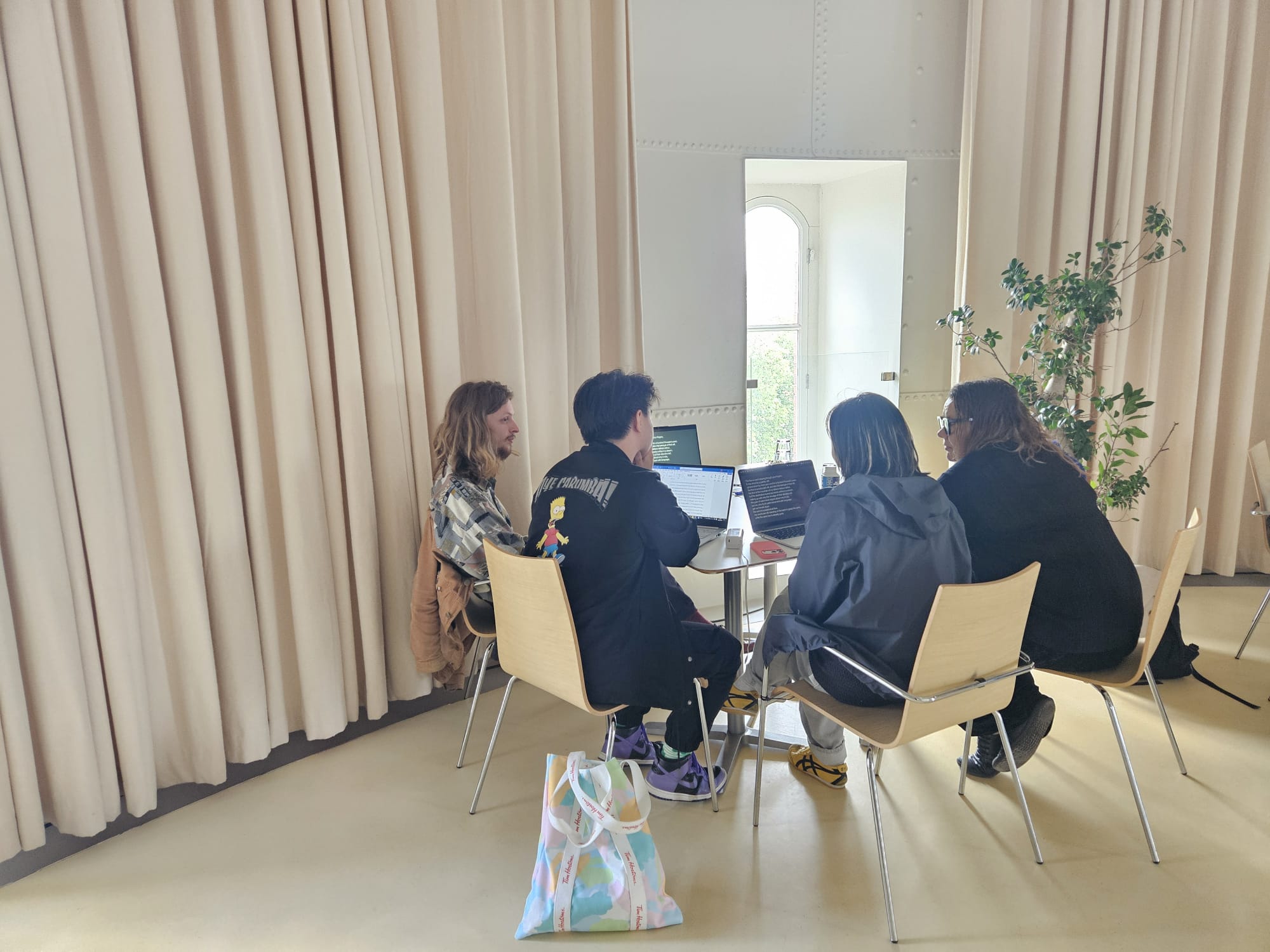
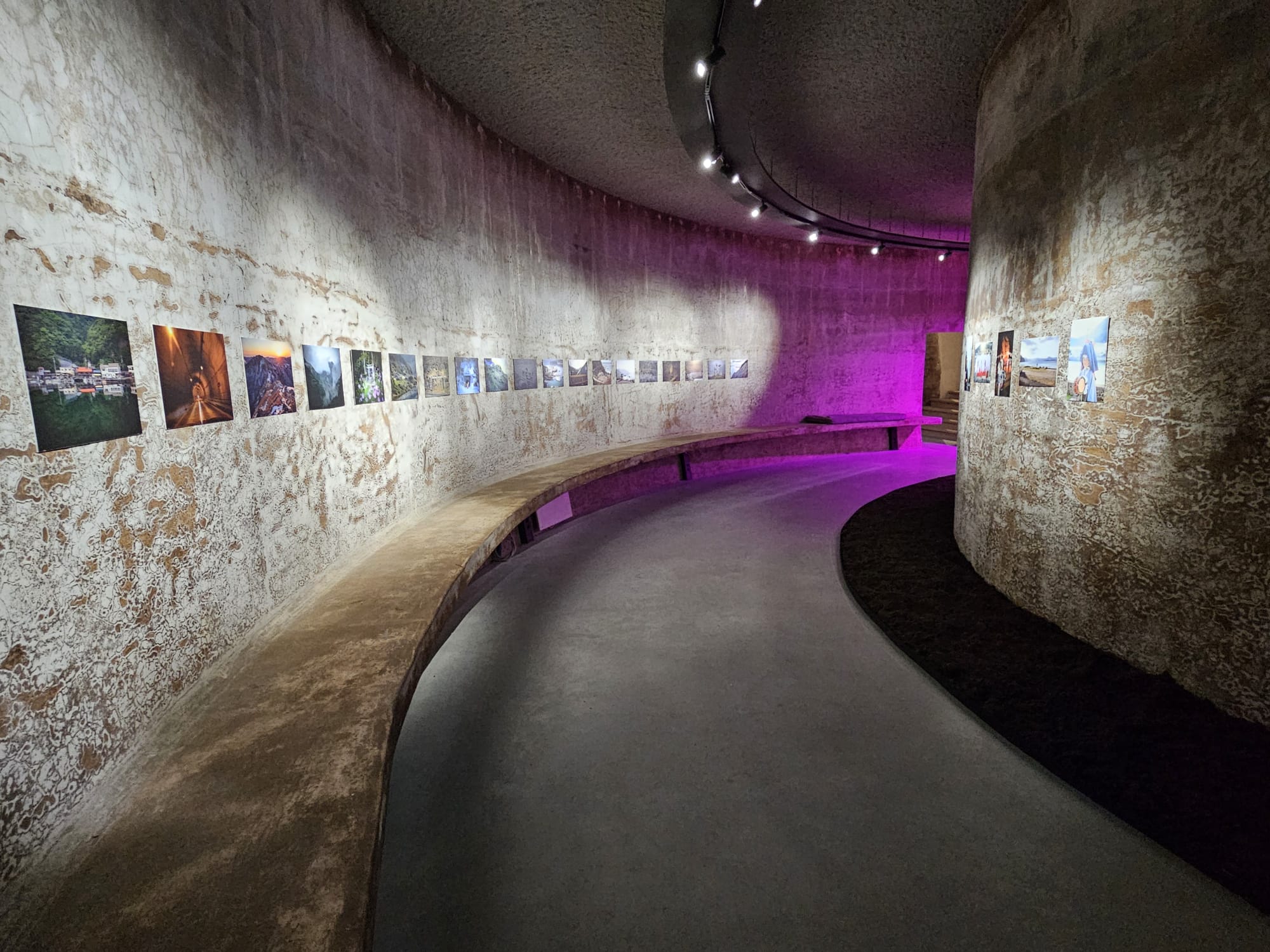
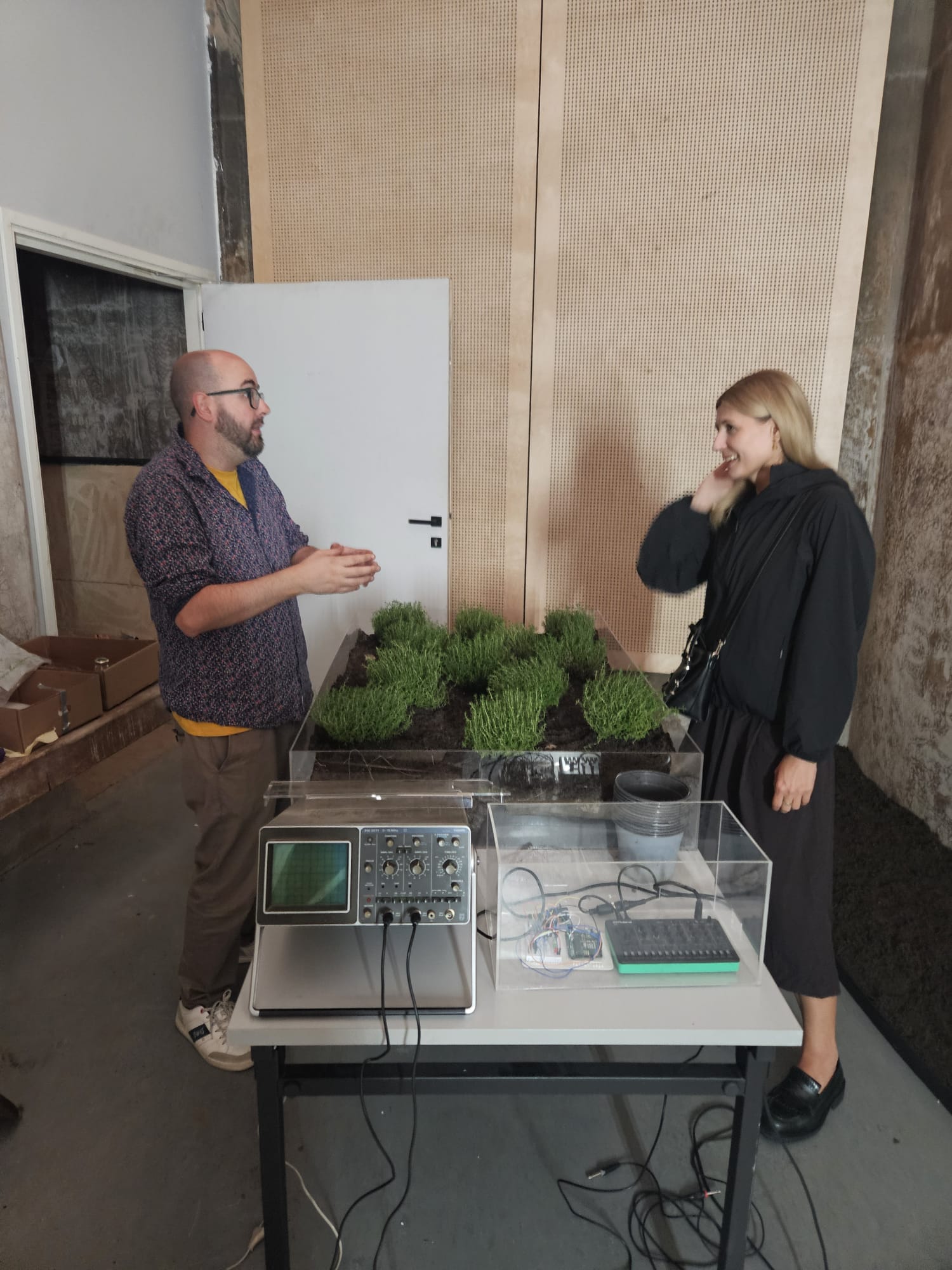
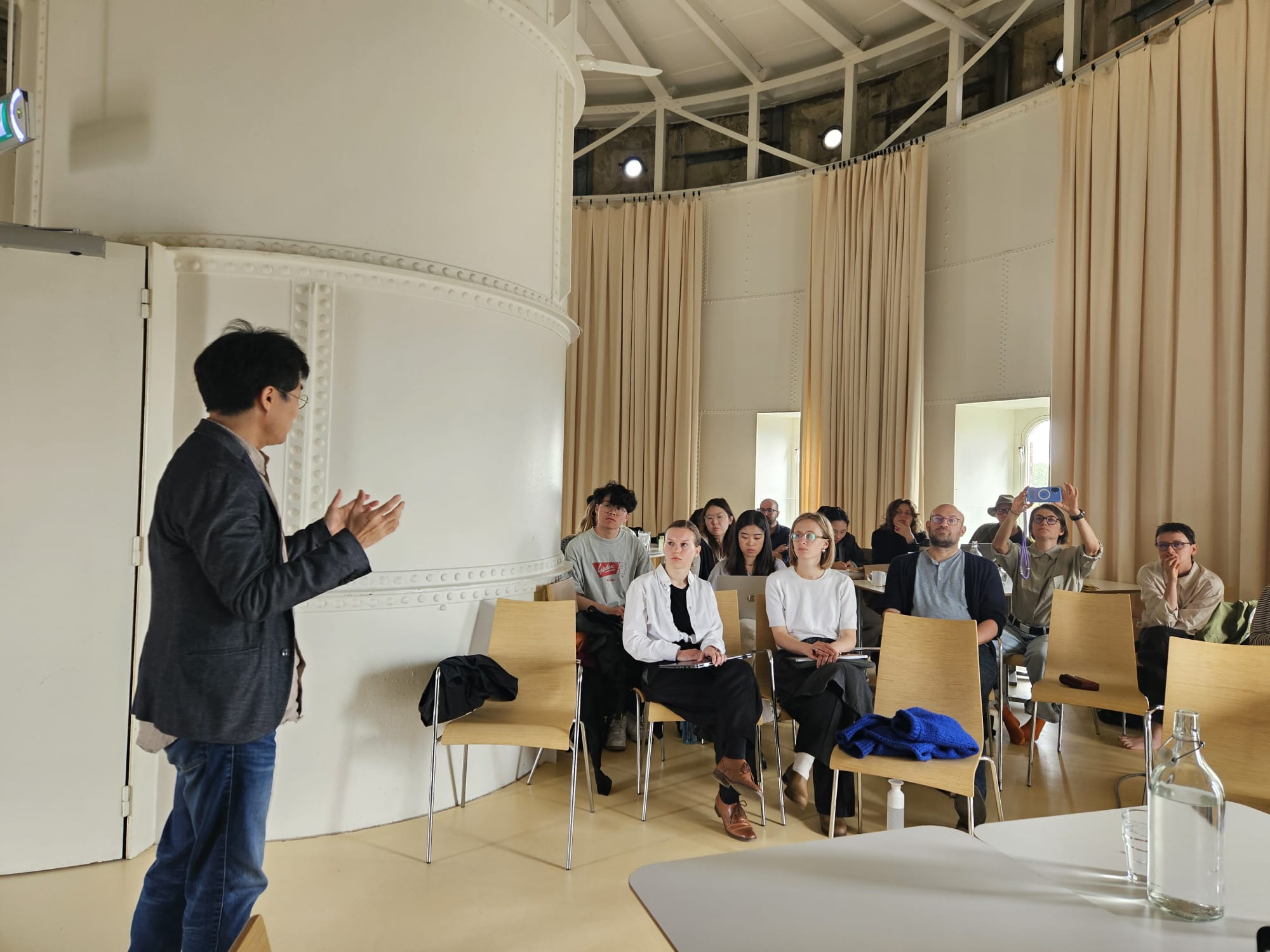
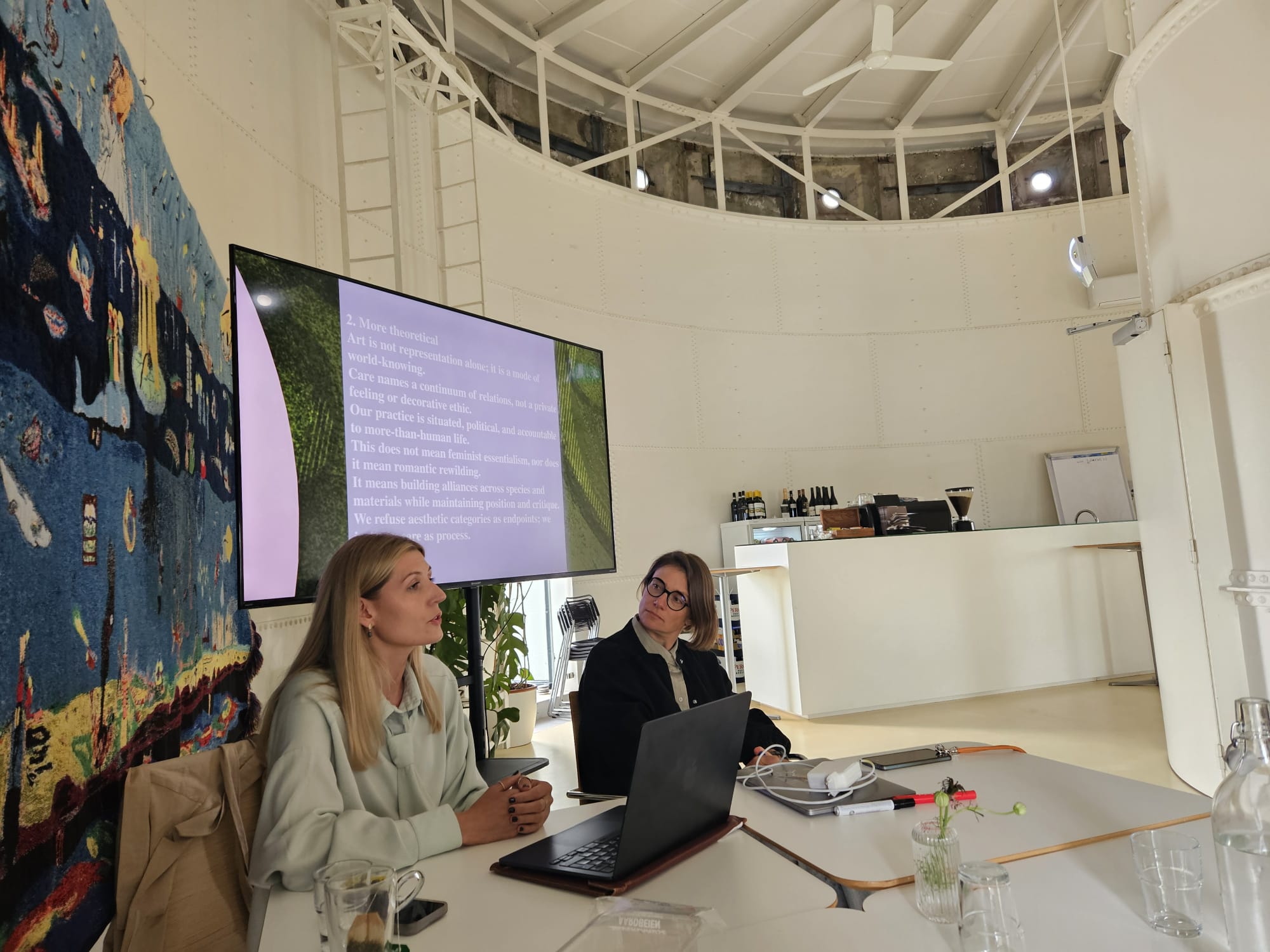
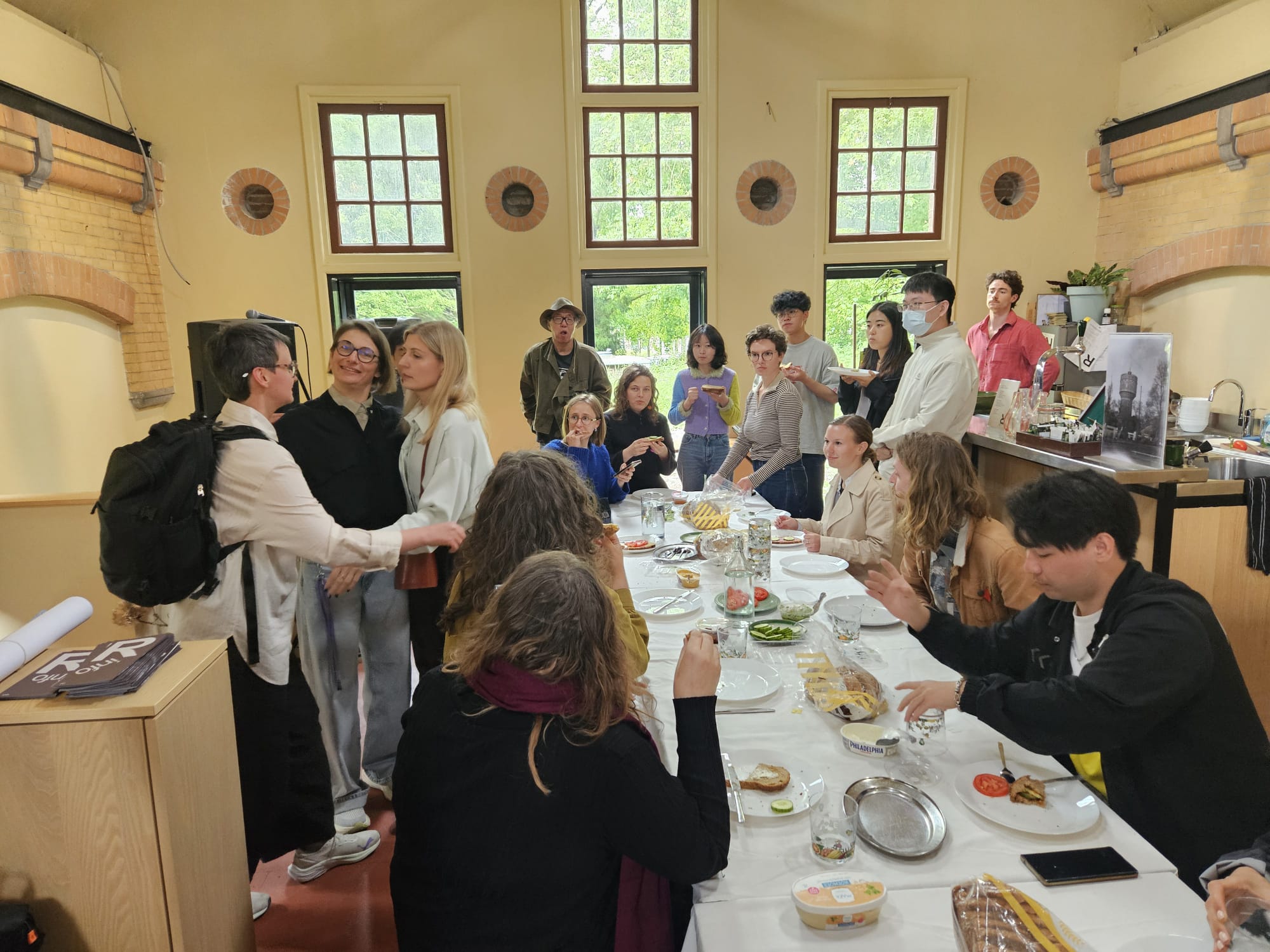
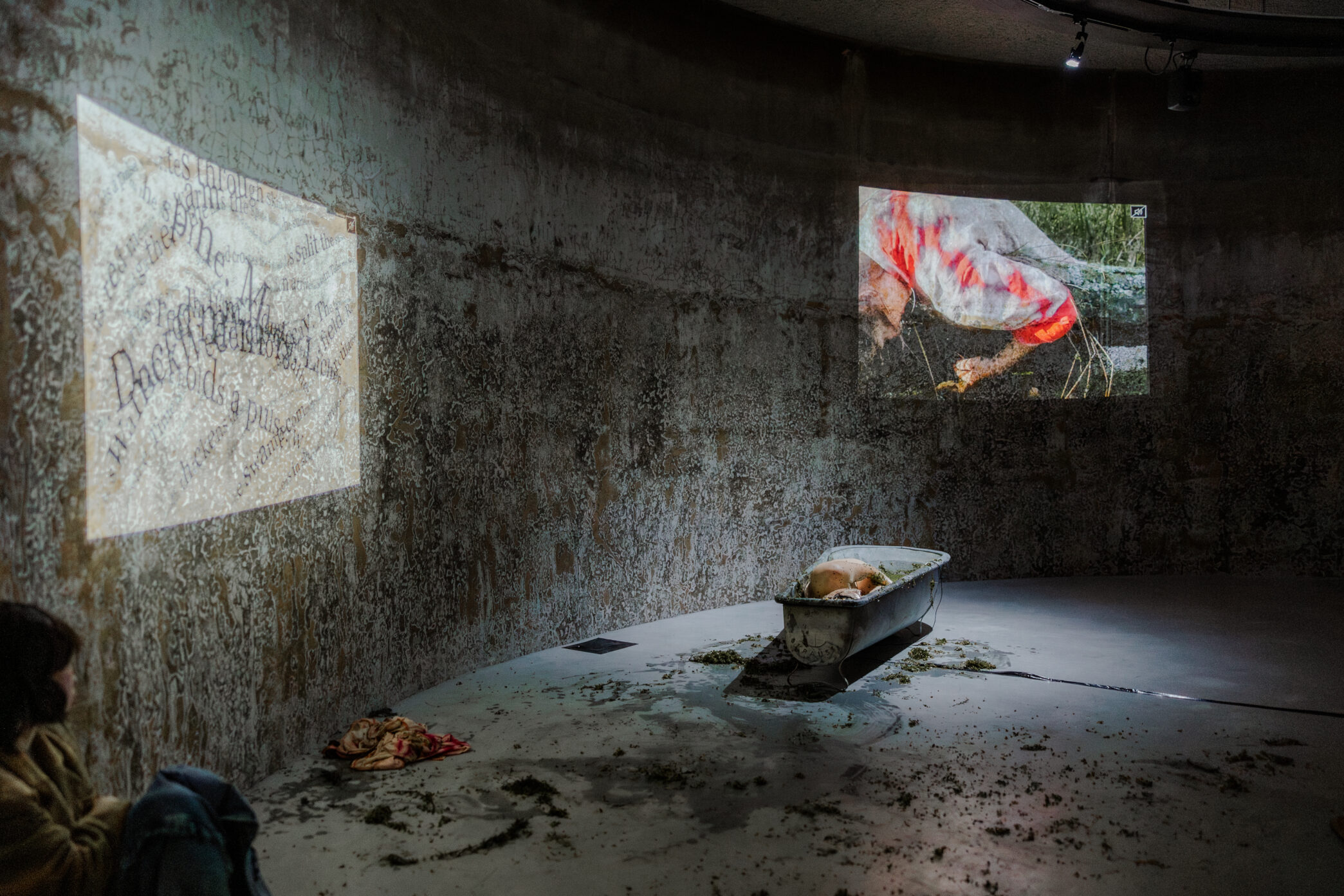
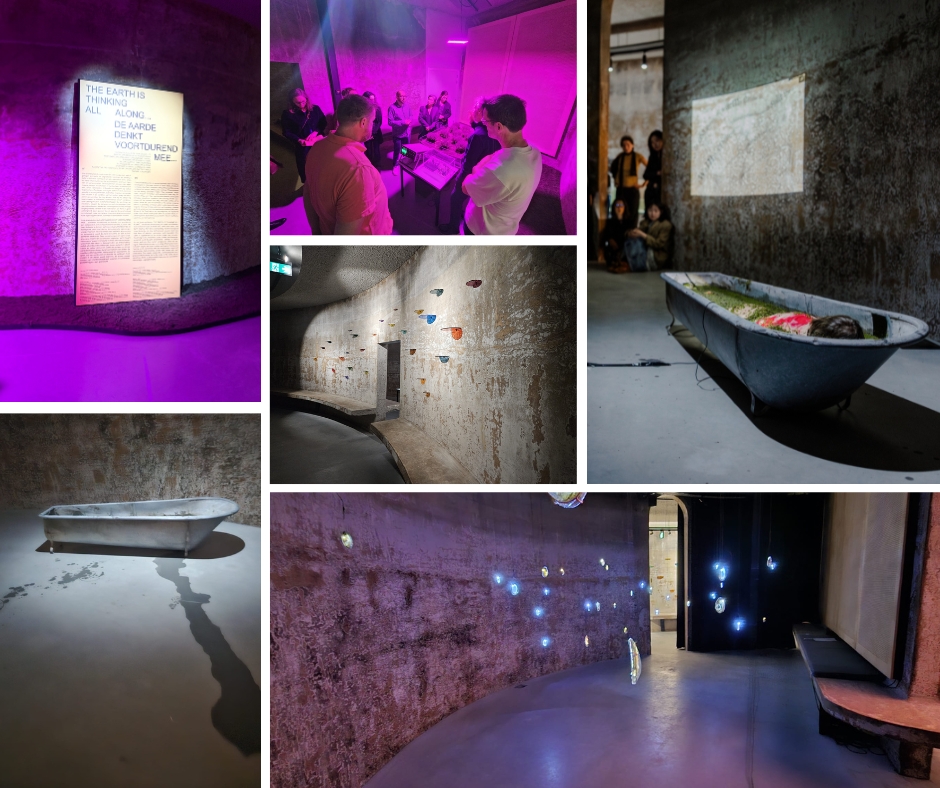
The exhibition THE EARTH IS THINKING ALL ALONG… A Creative Geophilosophical Travelogue, presented at RADIUS Center for Contemporary Art and Ecology in Delft, opened on 13 June 2026 and will remain on view until 27 September 2026. Philosopher and curator, Rick Dolphijn, invites everyone on a geophilosophical travelogue through diverse ways of engaging with the earth, its materiality, and its more-than-human forms of coexistence.
The project develops a critical reflection on the relationship between humans and the world around them, moving away from an anthropocentric towards a more-than-human perspective. Refusing to consider the Earth as a passive backdrop for human history (as this was common in Modern Times), Dolphijn coupled artists to philosophers, combining their creative powers to make us engage with seven different environments of our planet, co-constituted by soil, water, plants, animals, infrastructure, and technologies. The exhibition thus concerns not only a showcase of intriguing artworks, but an invitation to “think along”, and to engage with other ways to live and think in harmony with planetary processes rather than in opposition to them.
Bringing together international artists and researchers, including Sunah Choi and Alex Taek-Gwang Lee, Xandra van der Eijk and Rick Dolphijn, Kristiina Koskentola together with Gaowa, Guan Jin Fang, Xiaohan Han, Emmi Kuittinen, Reeta Suvanto and Pekka Tuovinen, Ferran Lega and Christian Alonso, Shintaro Miyawaki and Toshiya Ueno, Katarzyna Pastuszak, Irena Chawrilska and Nat Chylińska, as well as Tihomir Topuzovski, each of the works develops a different facet of a geophilosophical approach to the world: from delta, swamp, and wetland ecologies, through the realm of sound and matter, to shamanic, animist, and posthumanist models of knowledge.
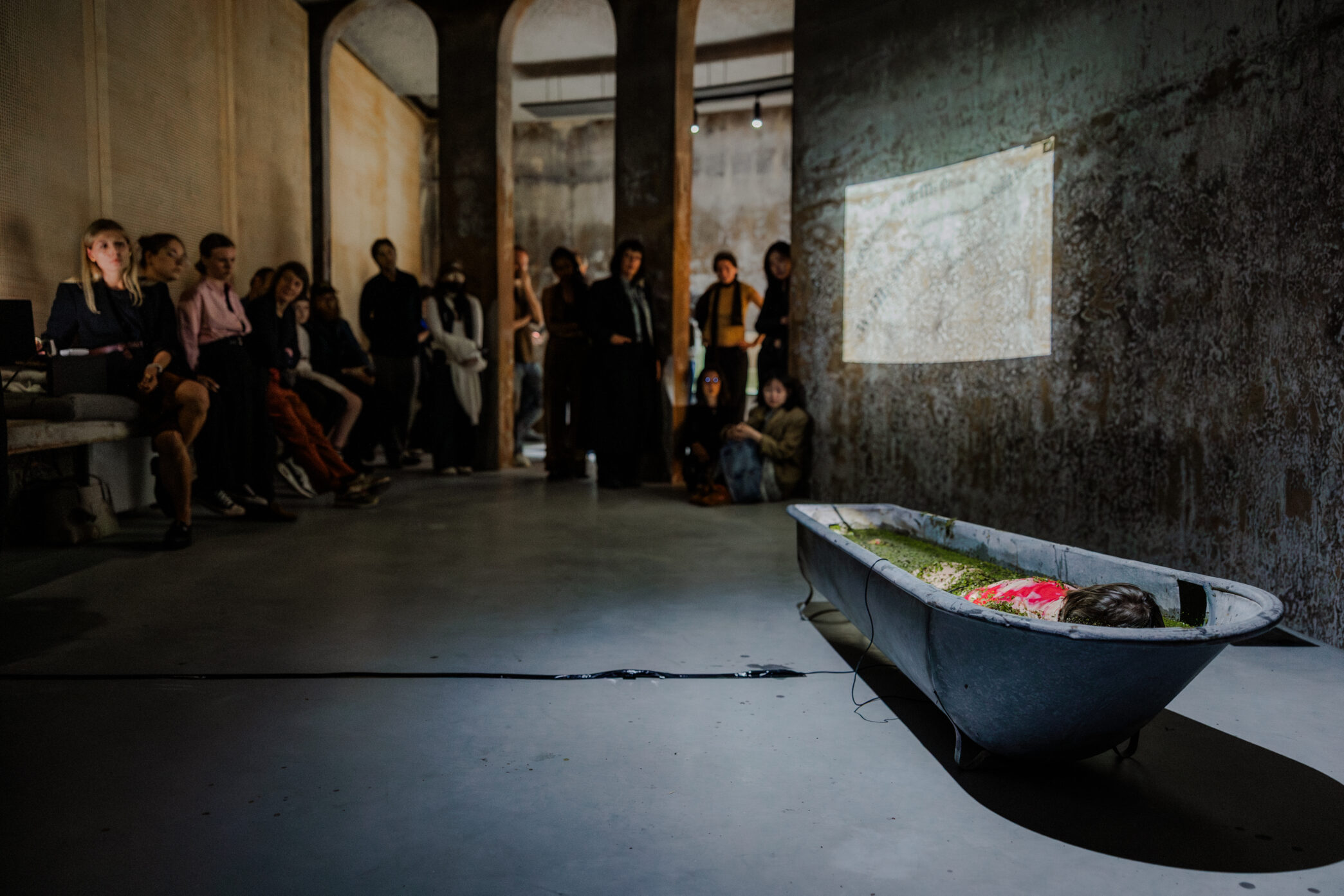
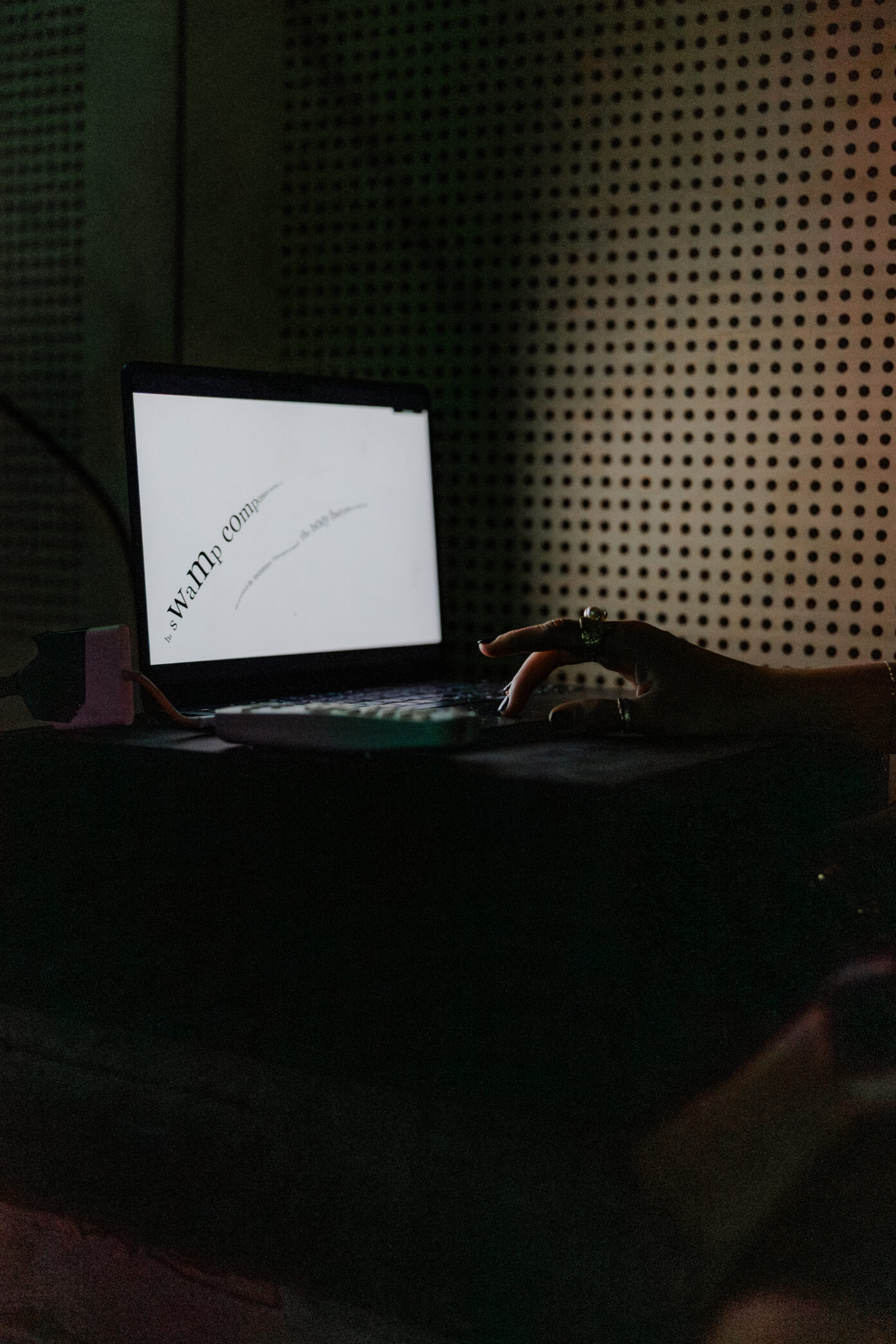
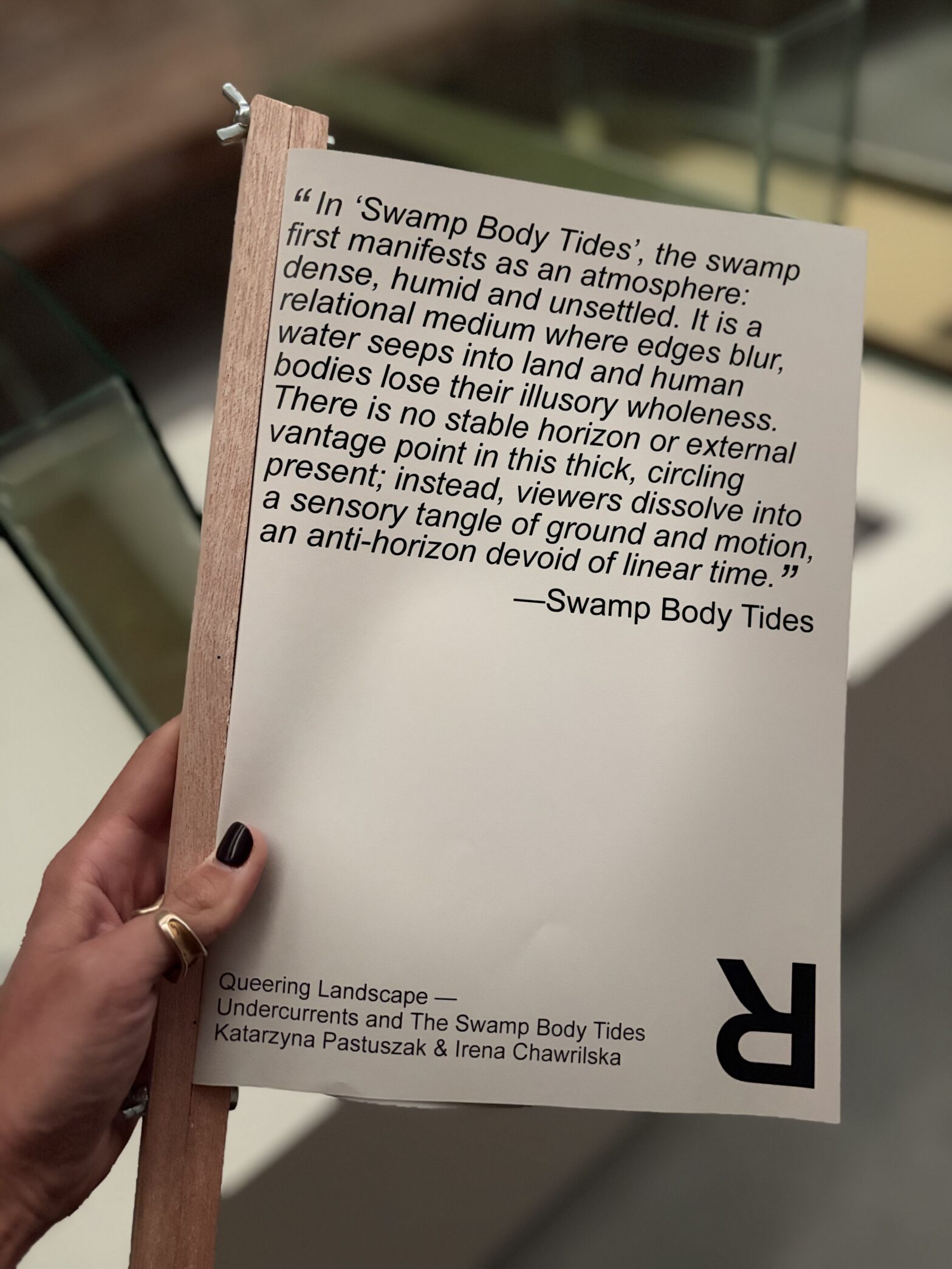
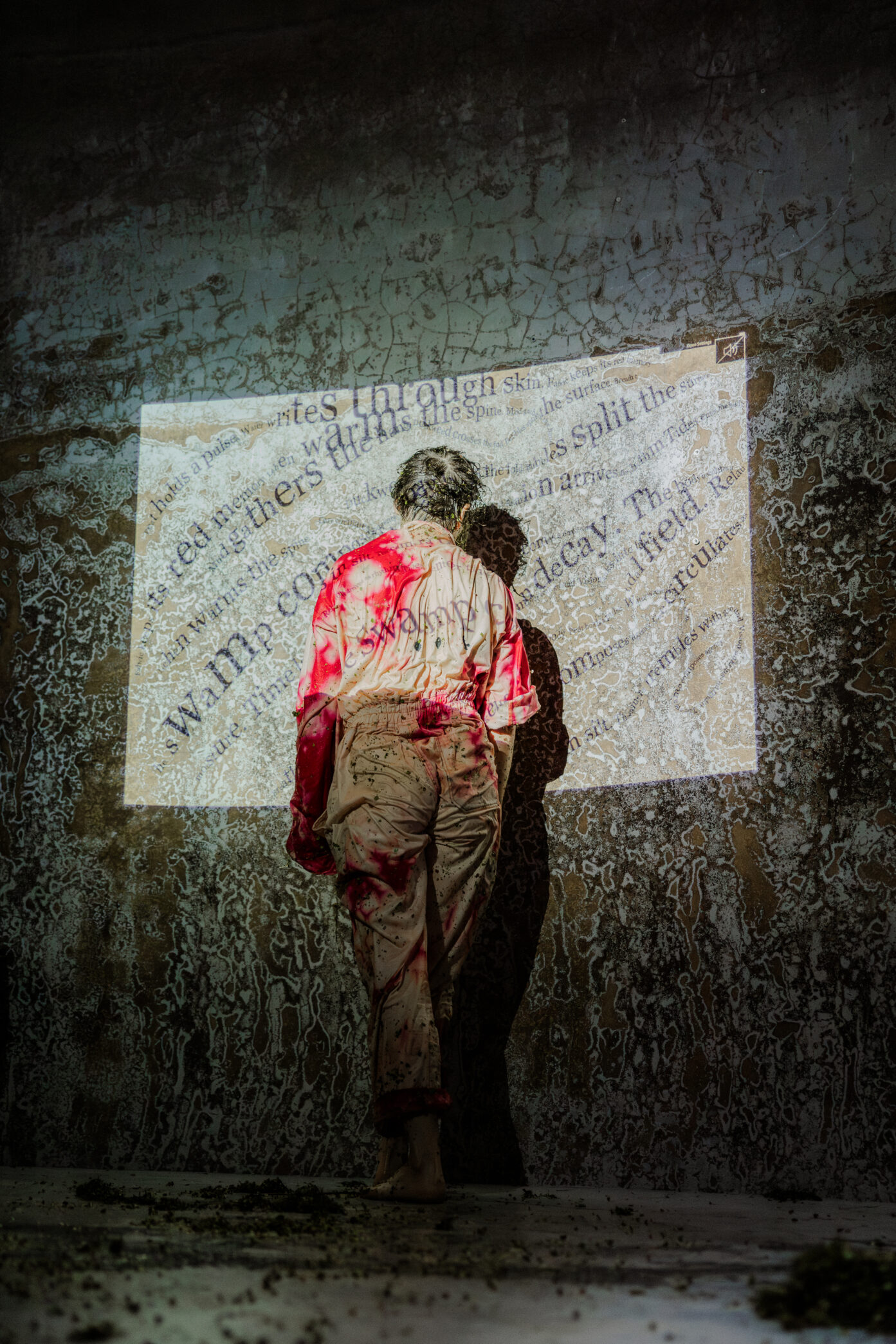
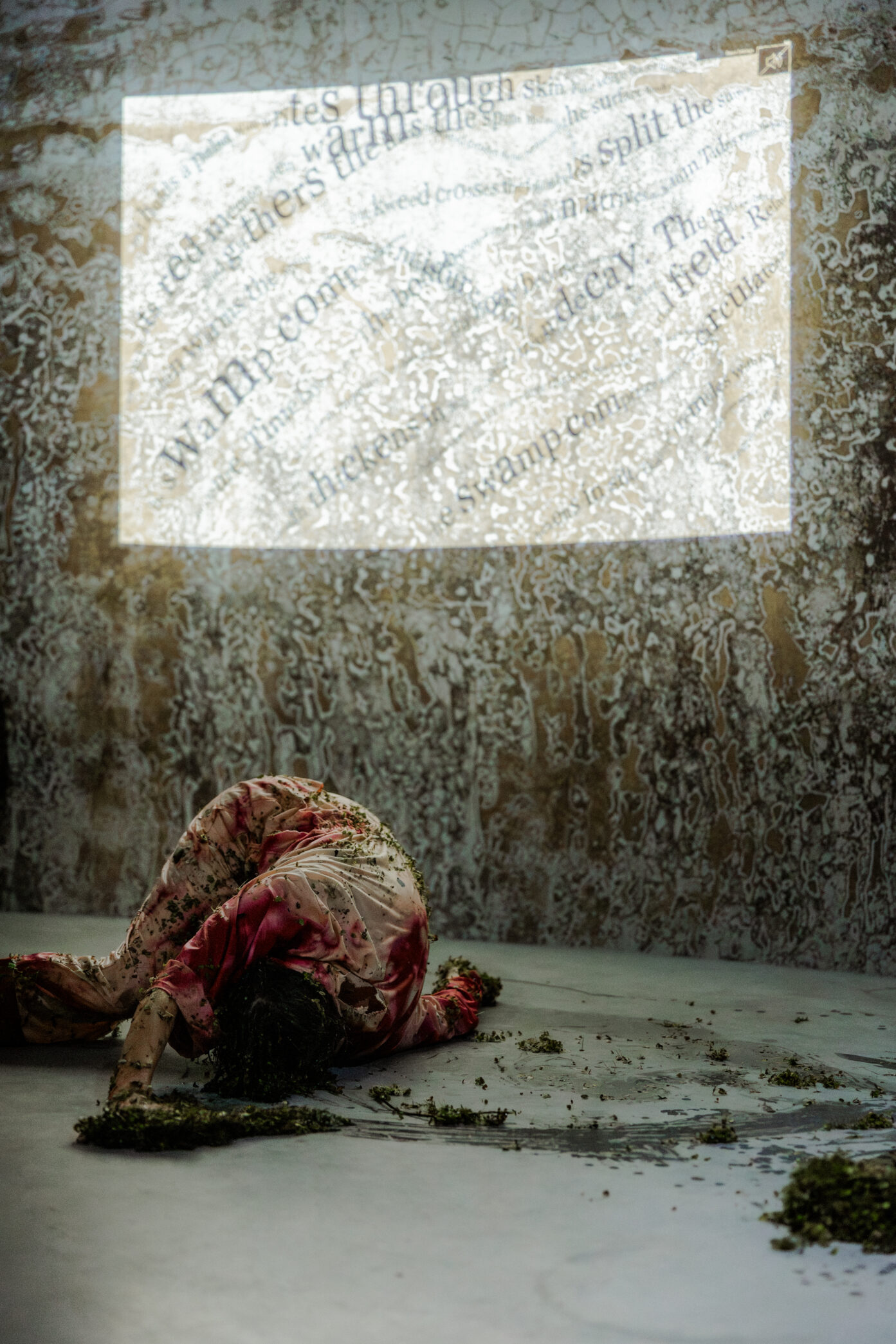
At the opening program, a live choreography entitled SWAMP BODY TIDES, created by Katarzyna Pastuszak, Irena Chawrilska, and Nat Chylińska, was performed at the very heart of the exhibition. The work intertwined movement, sound, image, and word into an intense, ephemeral action that illuminated wetlands as a space of thinking, sensing, and co-agency. In doing so, the artists emphasized the significance of swamps and marshes—not as marginal wastelands in need of drainage, but as vital, living ecosystems with their own distinct form of agency.
“The SWAMP BODY TIDES project emerged from the conviction that the wetland is not merely a subject of artistic representation, but a living relational environment that actively co-shapes thought, movement, and perception. The performance was an attempt to enter into the rhythm of this ecosystem—its density, variability, and susceptibility to flow and transformation—and to listen to what usually escapes dominant narratives about landscape. We aimed to shift the perspective: away from seeing the swamp as a space of lack, dirt, or lifelessness, and toward understanding it as a site of intense agency, co-presence, and the emergence of new forms of life. In this sense, choreography, sound, and word were not meant to illustrate a ready-made thesis. Instead, they were intended to open up an experiential realm in which human and more-than-human bodies could meet on the level of deep attunement and mutual sensing. Equally important to us was the temporality of the performance. Its ephemeral character made it possible to move beyond static representation and to treat knowledge as a dynamic process that arises through action, presence, and relation. SWAMP BODY TIDES thus co-shaped not only the opening program, but also the core meaning of the entire exhibition—it became a proposal for thinking about the Earth through embodied, situated, and critical practices that refuse to separate reflection from direct experience.” – emphasizes Irena Chawrilska
More information about the exhibition and the essay brochure can be found and downloaded at the RADIUS website.