
NEWSLETTER

Dr. Barbara Kijewska, prof. UG at the Igrzyska Wolności festival
Igrzyska Wolności is the leading festival of ideas in Central [...]
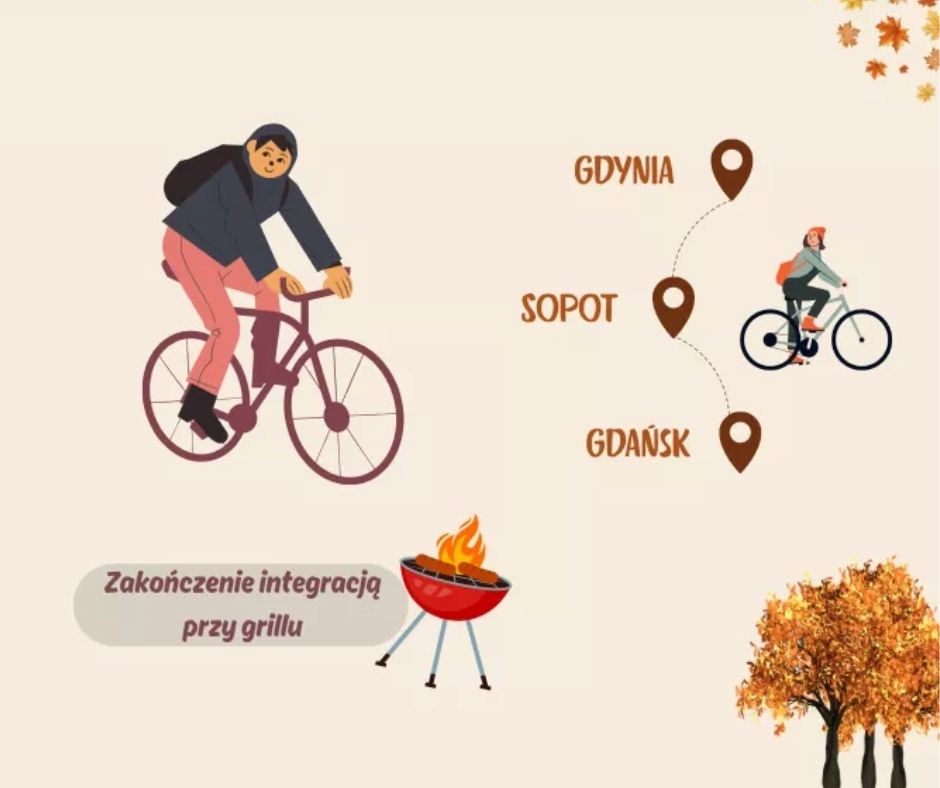
UG Bike Rally – join us on 19 October!
Would you like to spend your time actively, meet new [...]
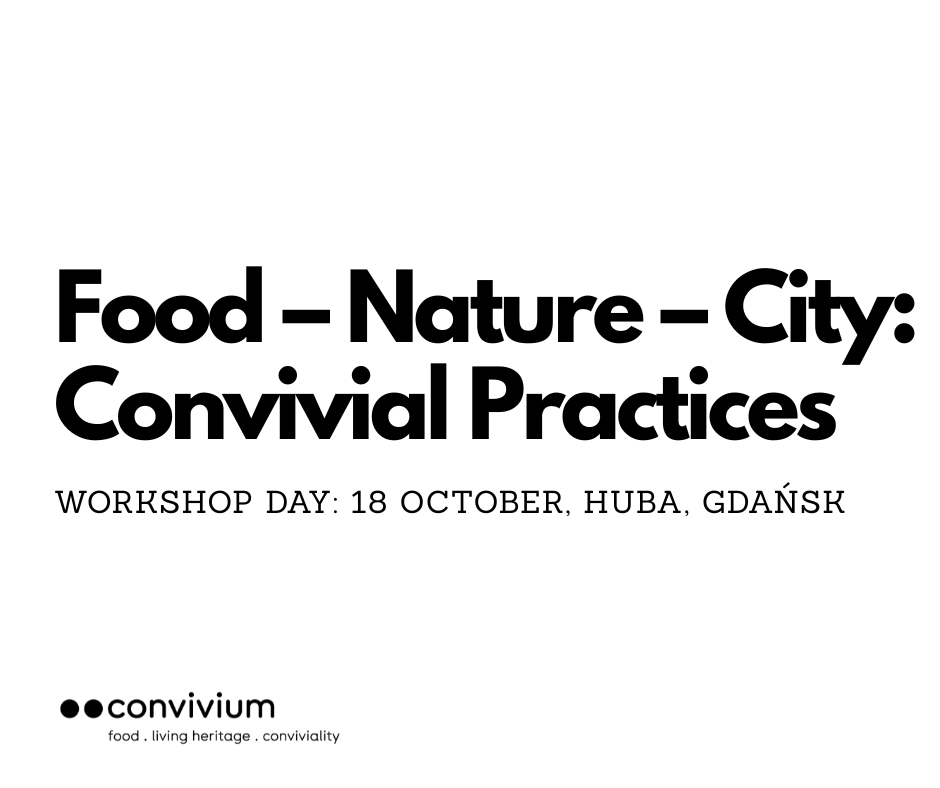
Food – Nature – City: Convivial Practices | HUBA, Gdańsk | 18 October 2025
Join us on October 18th for a day of workshops [...]
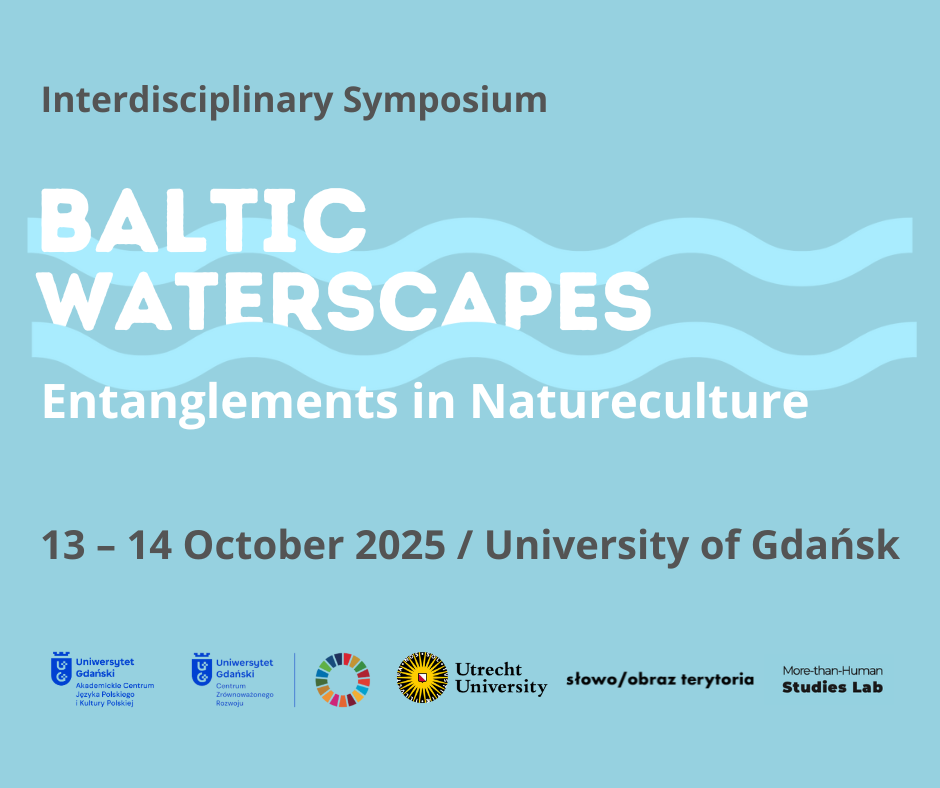
Baltic Waterscapes. Entanglements in Natureculture
We encourage you to take part in the Interdisciplinary Symposium, [...]
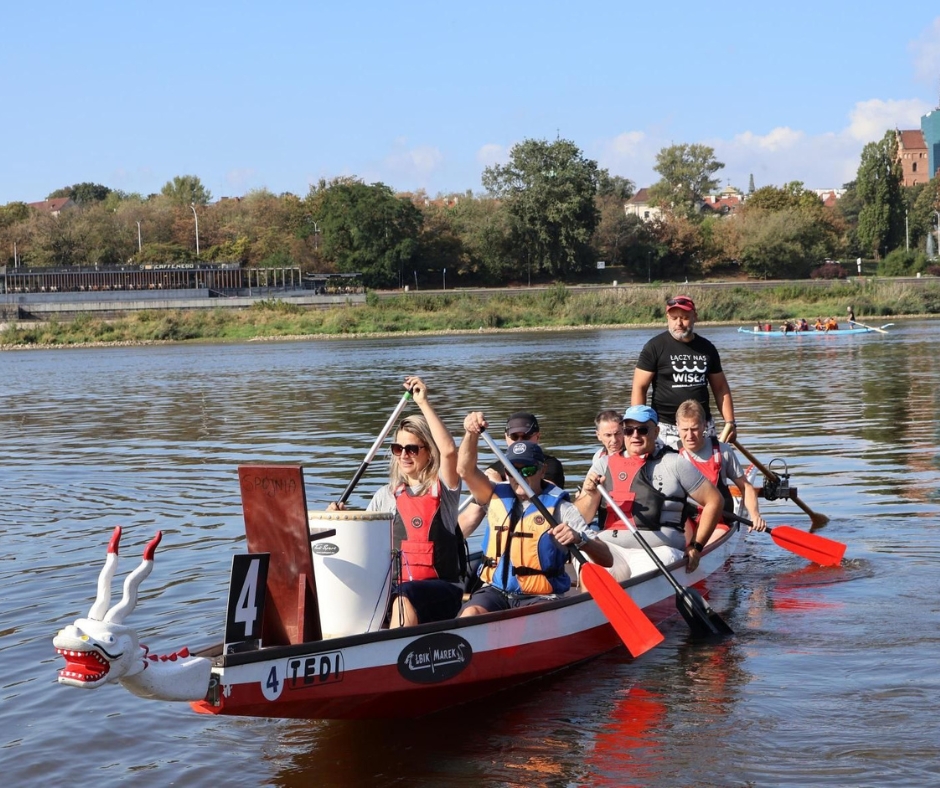
“The Vistula River unites us”
The “Łączy nas Wisła” (The Vistula River Unites Us) project [...]
Quality of life and health – a new program of the Center for Sustainable Development
Sustainable Development Goal (SDG) 3 “Good health and well-being” aims [...]
UNIVERSITY TALKS
ABOUT SUSTAINABLE DEVELOPMENT
 On green software and digital waste. Interview with Dr. Hanna Furmańczyk
WHAT IS SUSTAINABLE DEVELOPMENT?
Sustainable development is a development concept that responds to technological progress, the ecological crisis and green ideas of the second half of the 1960s. Its most well-known definition was formulated by the United Nations World Commission for Environment and Development in 1987. According to this, sustainable development is “development that meets the needs of the present without compromising the ability of future generations to meet their own needs”. As a goal of global politics, the concept of sustainable development was adopted by almost all countries of the world during the Earth Summit in Rio de Janeiro in 1992 in the form of Agenda 21. In 2015, UN member states unanimously adopted the currently binding and implemented resolution Transforming our world: the 2030 Agenda for Sustainable Development, which was defined as the World Development Strategy until 2030. It contains 17 Sustainable Development Goals to which 169 tasks are assigned. They include measures to reduce poverty, ensure access to education, food and clean water, equal opportunities, to promote human rights, peace and stability in the world, protect the natural environment and mitigate climate change, as well as enable access to sustainable energy sources.