
NEWSLETTER
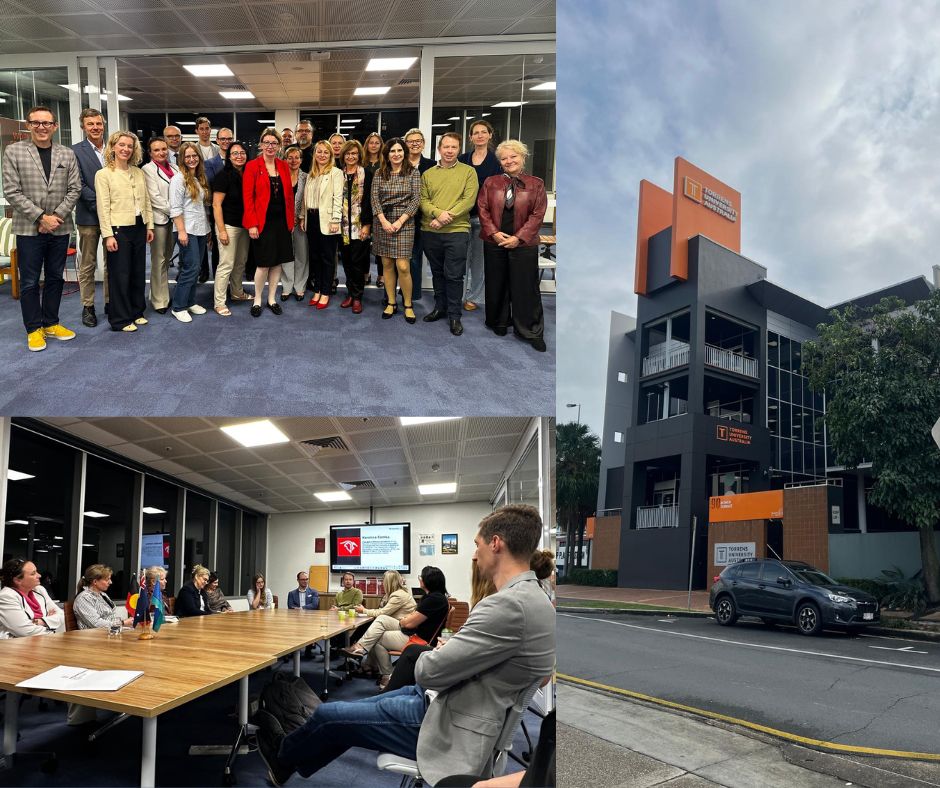
The University of Gdańsk’s participation in the MMIRA 2026 Congress and a study visit to Brisbane
Academic presentations and meetings with researchers from Torrens University, representatives [...]
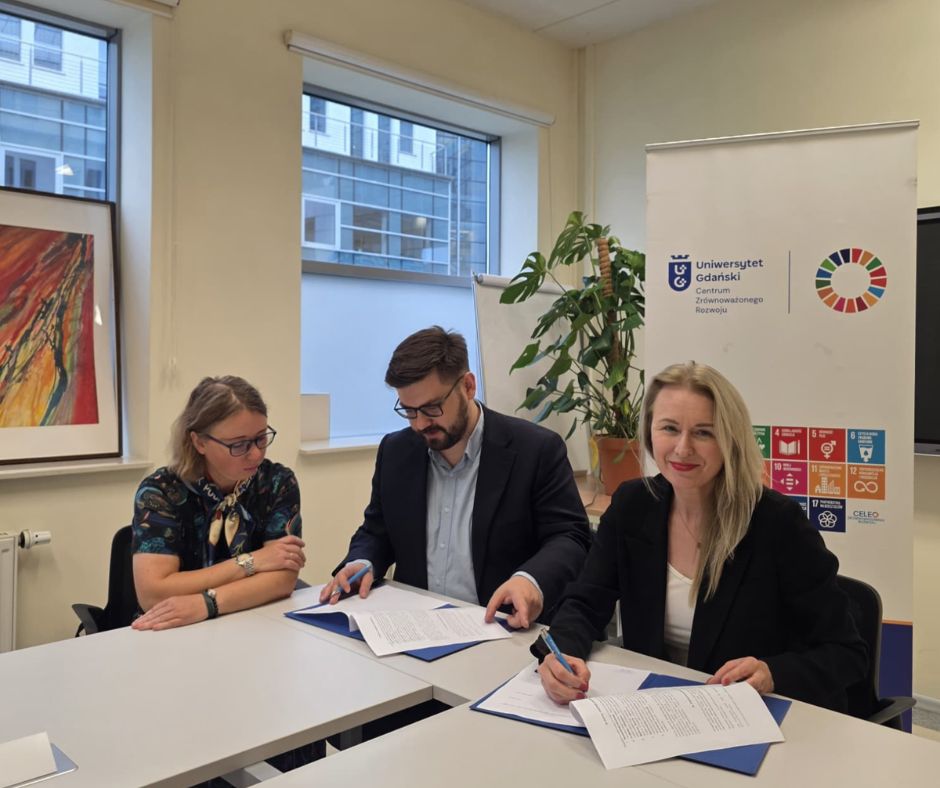
CZRUG and the RC Foundation are pooling their expertise to promote social cooperation
The Centre for Sustainable Development at the University of Gdańsk [...]
SEA-EU Co-Creation Lab: Co-Creating a Future-Ready Micro-Credential
The SEA-EU Co-Creation Lab is a Blended Intensive Programme bringing [...]
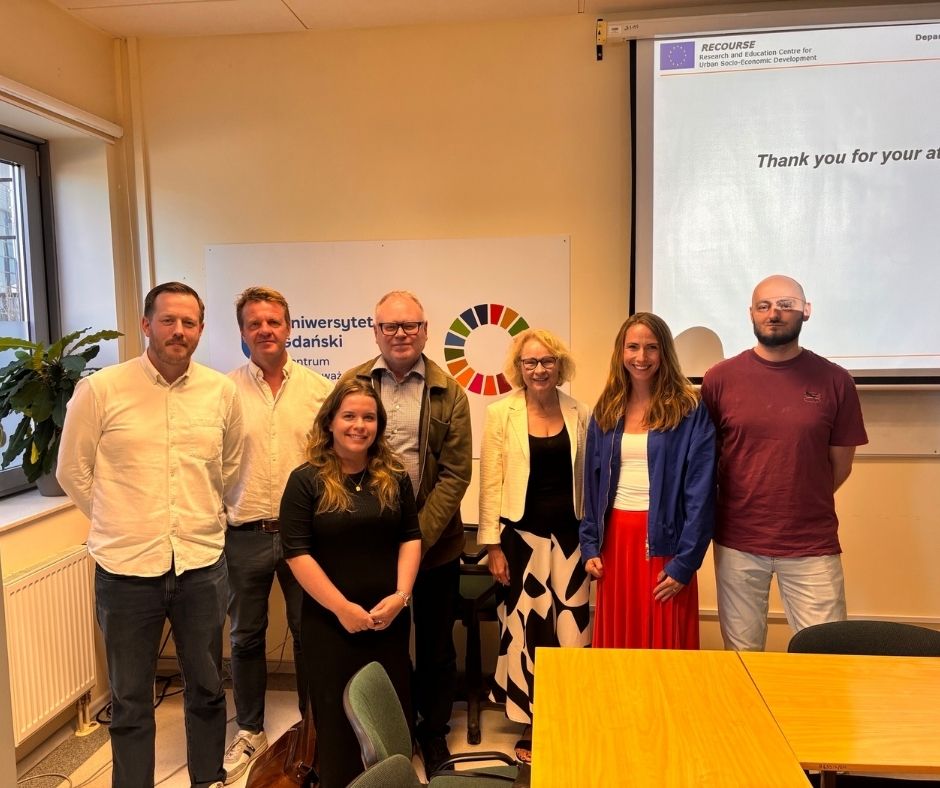
Representatives from the Norwegian Ministry of Local Government and Regional Development visit CZRUG
On 27 August 2026, the Centre for Sustainable Development at [...]
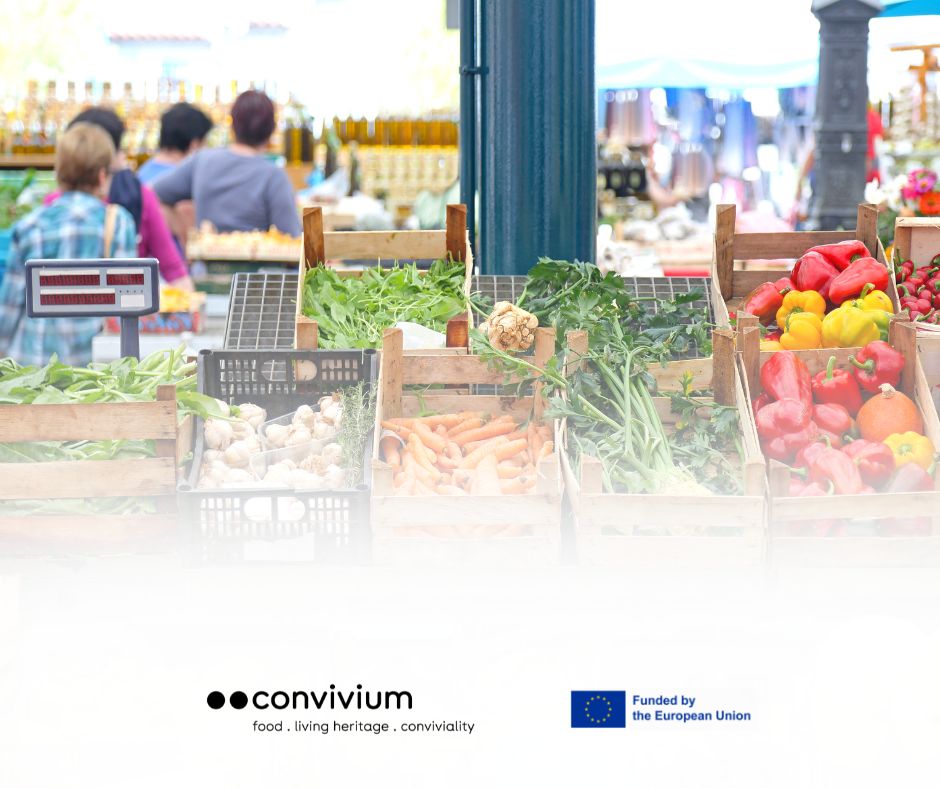
Rarely visit local markets? Take part in a research study
Rarely visit local markets and neighbourhood marketplaces? Or perhaps you [...]
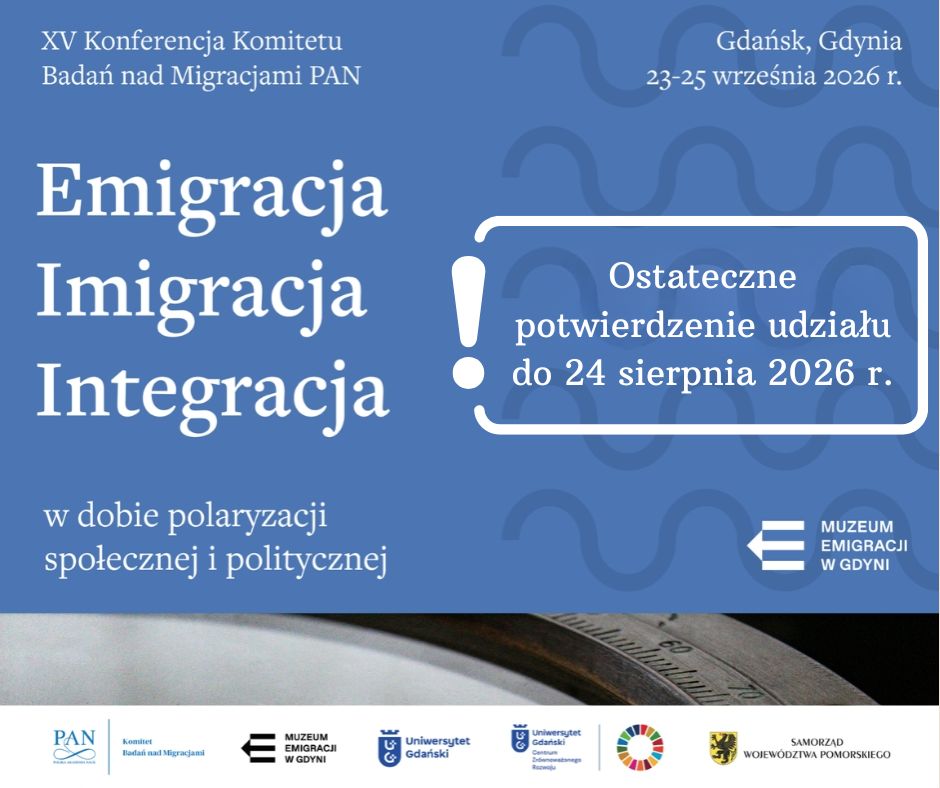
Final confirmation of attendance at the Conference of the Committee on Migration Research of the Polish Academy of Sciences – deadline: 24 August 2026.
As the 15th Anniversary Conference of the Committee for Migration Studies [...]
UNIVERSITY TALKS
ABOUT SUSTAINABLE DEVELOPMENT

WHAT IS SUSTAINABLE DEVELOPMENT?
Sustainable development is a development concept that responds to technological progress, the ecological crisis and green ideas of the second half of the 1960s. Its most well-known definition was formulated by the United Nations World Commission for Environment and Development in 1987. According to this, sustainable development is “development that meets the needs of the present without compromising the ability of future generations to meet their own needs”. As a goal of global politics, the concept of sustainable development was adopted by almost all countries of the world during the Earth Summit in Rio de Janeiro in 1992 in the form of Agenda 21. In 2015, UN member states unanimously adopted the currently binding and implemented resolution Transforming our world: the 2030 Agenda for Sustainable Development, which was defined as the World Development Strategy until 2030. It contains 17 Sustainable Development Goals to which 169 tasks are assigned. They include measures to reduce poverty, ensure access to education, food and clean water, equal opportunities, to promote human rights, peace and stability in the world, protect the natural environment and mitigate climate change, as well as enable access to sustainable energy sources.